


Silver Plated Bread Dish
A silver plated bread dish brings the functional elegance of the dining table into sharp focus, offering both historic charm and enduring utility.
Silver Plated Bread Dish
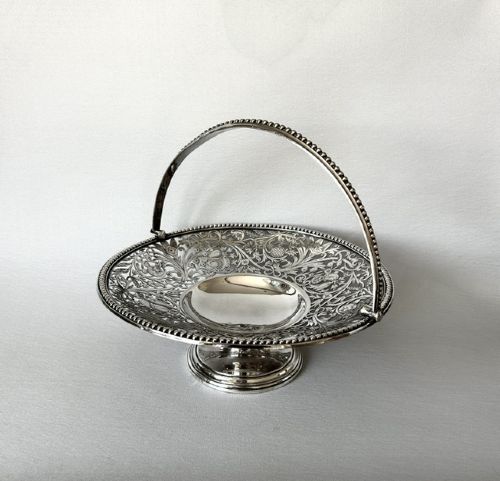
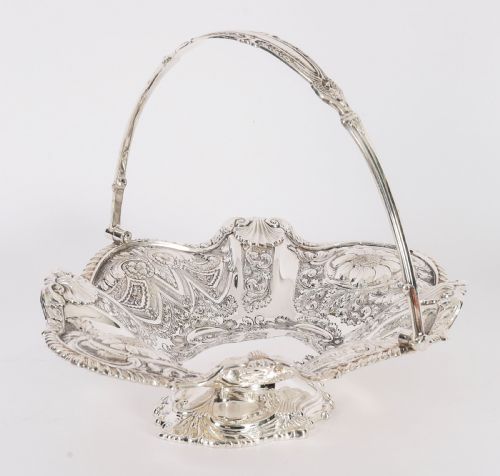
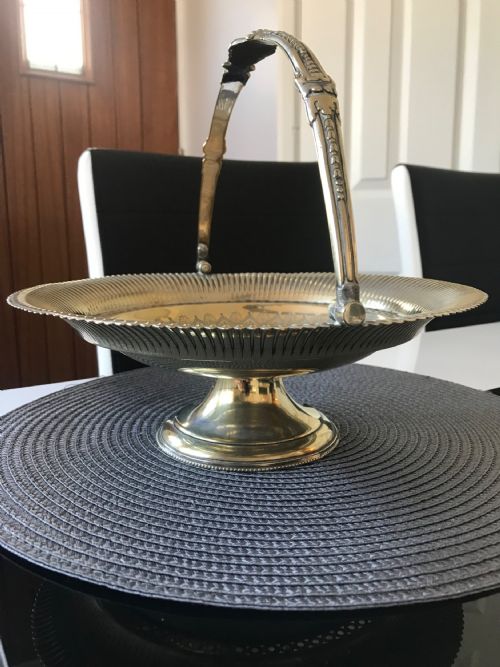
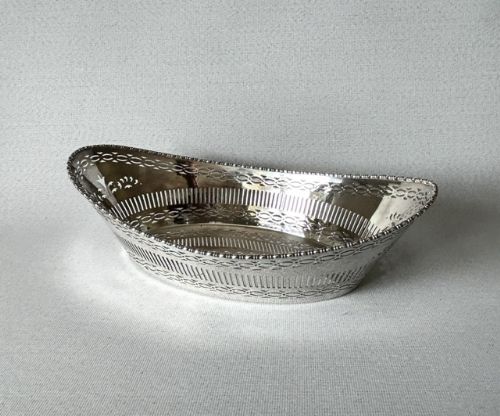
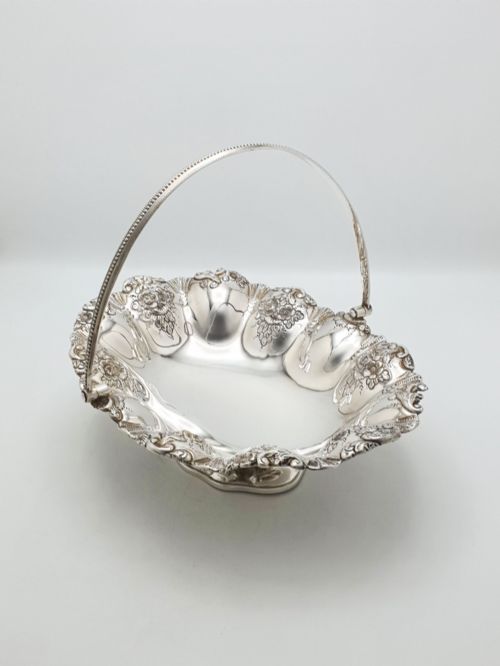
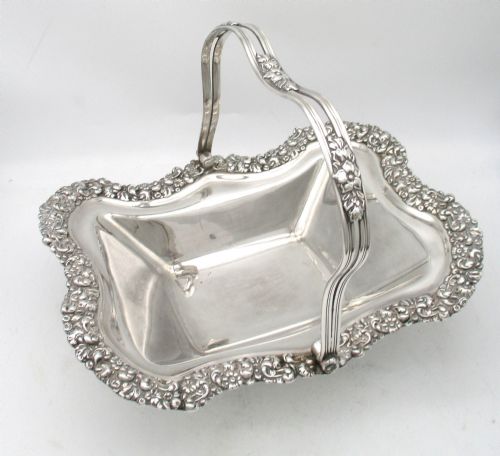
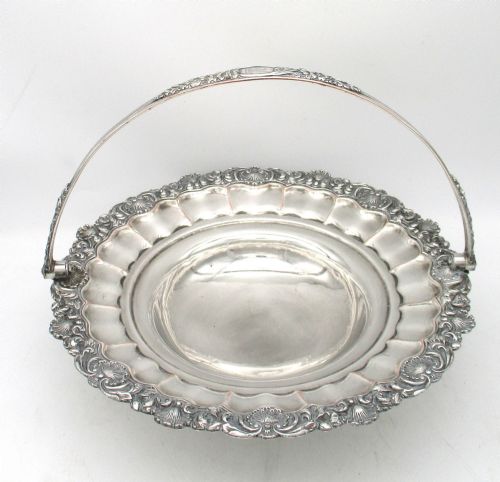
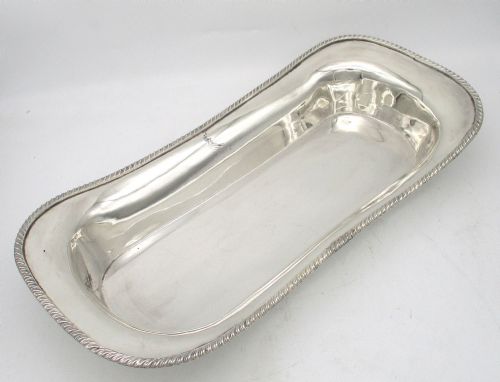
A silver plated bread dish sits among the finest tablewares of the nineteenth and early twentieth centuries, functioning primarily as a dedicated vessel for serving bread, cakes, or fruit at the formal table. When searching for a silver plated bread dish, you encounter a variety of forms including handled baskets, shallow bowls, and shaped trays.
The pieces available span from the early nineteenth century through the Art Deco period of the 1930s, encompassing styles such as Victorian, Edwardian, Neoclassical, and Regency. Many examples double as fruit or cake baskets, reflecting the versatile nature of domestic serveware during these eras.
Materials and construction
Makers utilised base metals such as copper, nickel silver, and brass, coating them with a layer of silver to achieve the appearance of solid silver at a more accessible cost. Early pieces often employ Old Sheffield Plate, a method fusing a thin sheet of silver to a thicker copper core.
Later nineteenth and twentieth-century items rely on electroplated nickel silver, abbreviated as EPNS, applied using electrical current. Decoration was achieved through techniques including piercing, floral repoussé rims, wirework, and detailed engraving.
Distinctions in quality
The distinction between standard domestic wares and superior pieces lies in the crispness of the chasing, the weight of the metal base, and the integrity of the plating. Heavier gauge metals resist bending and preserve the underlying form over generations of use.
Superior items often feature detailed hand-piercing, cast handles with secure fixings, and maker marks from established silversmiths, whereas simpler pieces rely on stamped decoration and lighter construction.
George W. Scott & Sons Ltd·Mappin & Webb·Elkington·Creswick·Walker Knowles·Walker & Hall·Atkin Brothers·Brille, Paris
The Silver Plated Bread Dish Glossary
- Old Sheffield Plate
- A technique where a sheet of silver is fused to a copper ingot before rolling, creating a durable material characteristic of earlier tableware. Look closely at rims to spot the thin copper line where the metals meet.
- EPNS
- An abbreviation for electroplated nickel silver, a modern plating method introduced in the nineteenth century. This process allowed manufacturers to coat base white metal evenly with a layer of silver.
- Repoussé
- A metalworking technique where the design is hammered into relief from the reverse side. This gives floral and scroll motifs a tactile, three-dimensional quality.
- Wirework
- An openwork construction method formed by soldering thin wires together into intricate geometric or scrolling patterns. It is frequently seen on lighter baskets designed for fruit or bread.
- Swing handle
- A hinged handle attached to the sides of a basket or dish, allowing it to fold flat or remain upright. These handles are often counterweighted to rest steadily.
Silver Plated Bread Dish: Frequently Asked Questions
What is the difference between Old Sheffield Plate and EPNS?
Old Sheffield Plate involves physically fusing a sheet of silver to a copper base through heat and rolling, which often reveals a thin line of copper along exposed edges.
EPNS relies on an electrical current to bond silver to a nickel silver base, a technique that became standard practice during the Victorian era and generally lacks the copper edge.
How can I tell the period of a bread dish?
Examine the stylistic cues, such as the heavy floral motifs of the Victorian era, the lighter neoclassical swags, or the geometric lines typical of 1930s Art Deco.
Maker marks and registration numbers stamped on the base provide further clues, often corresponding to specific decades of production.
Were these dishes only used for bread?
While designated as bread dishes or bread baskets, these versatile pieces served multiple purposes on the dining table, holding cakes, pastries, or fresh fruit.
Dealers often catalogued identical forms as fruit baskets or serving bowls depending on their depth and the fashion of the household.