


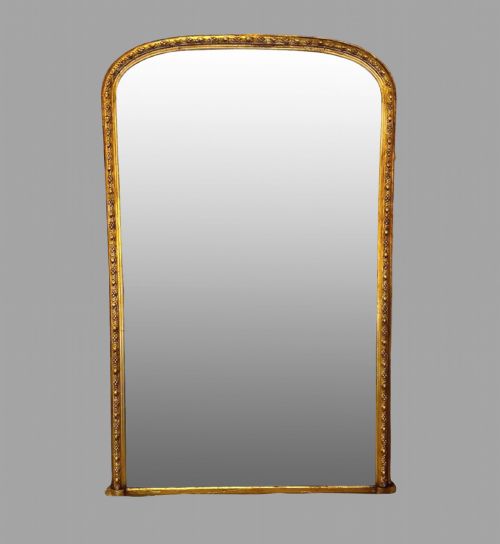
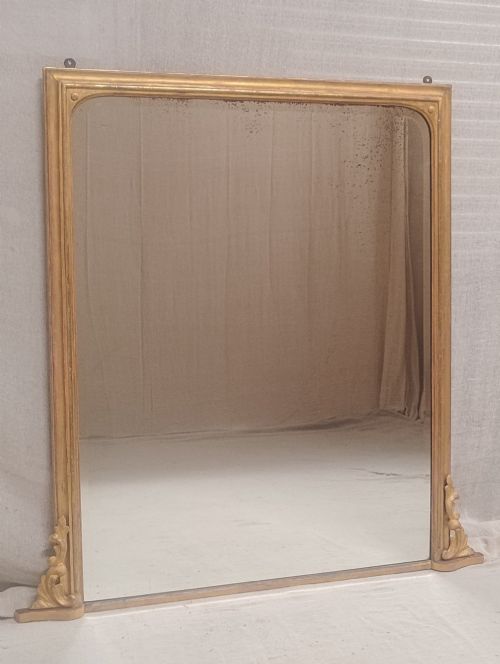
French Arched Gold Mirror
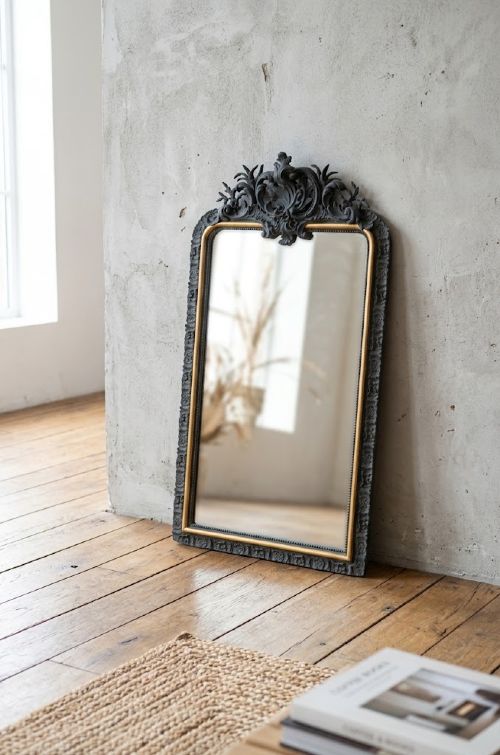
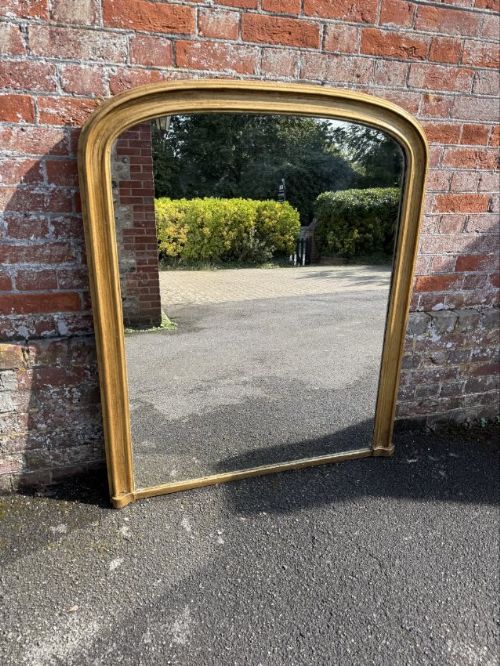
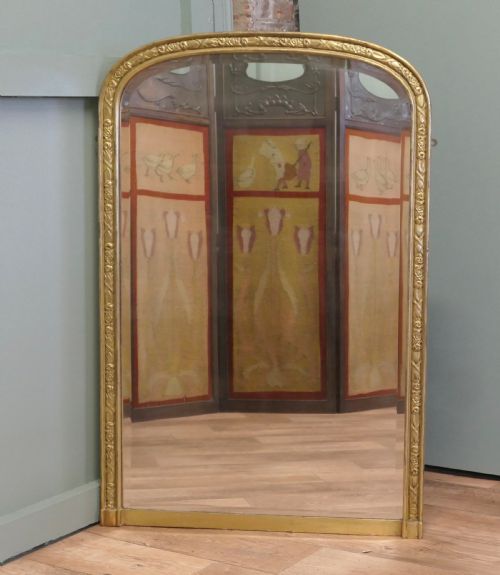
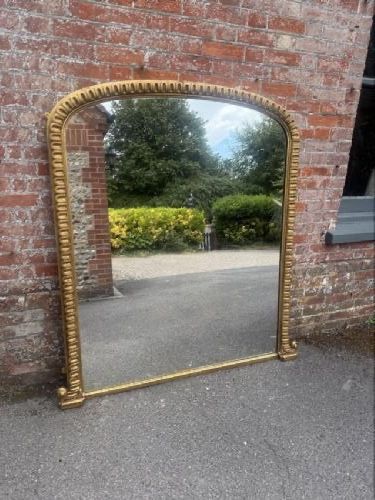
A french arched gold mirror brings height and reflected light to a room, drawn chiefly from nineteenth-century overmantel and wall forms.
French Arched Gold Mirror
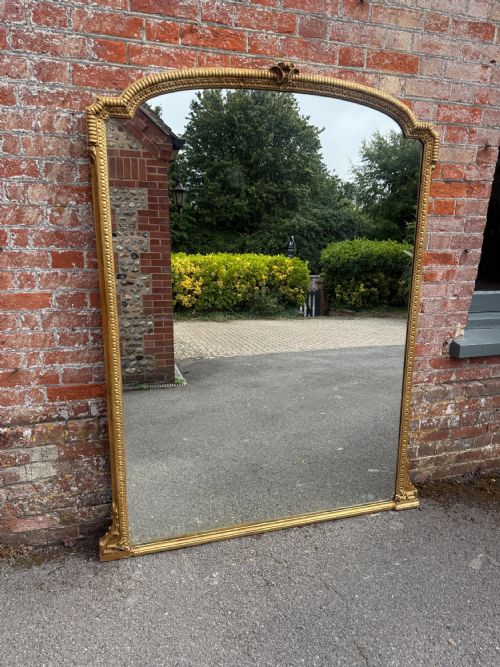
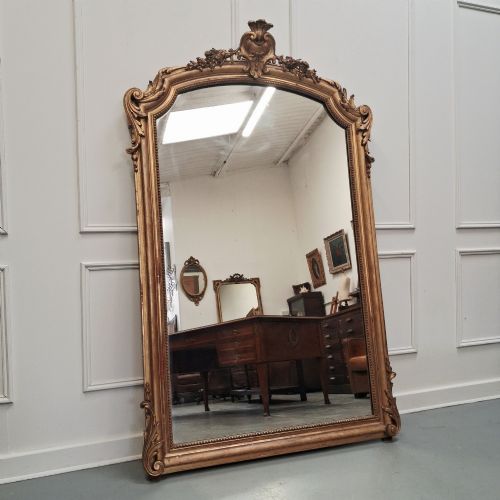
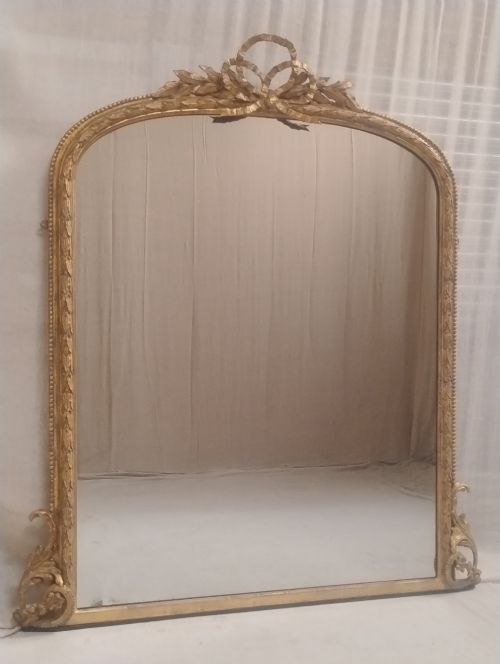
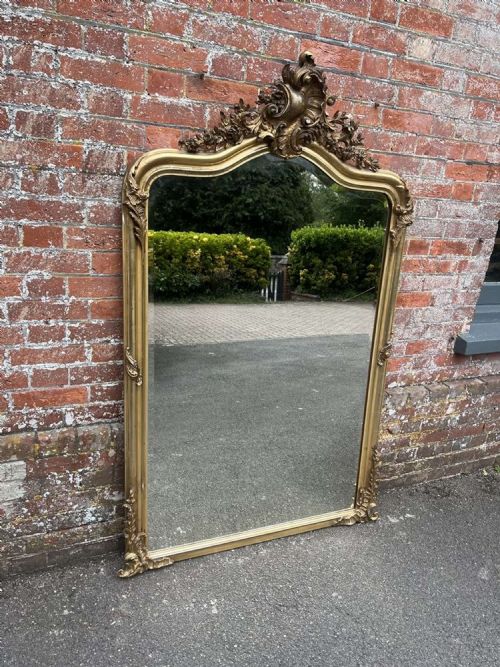
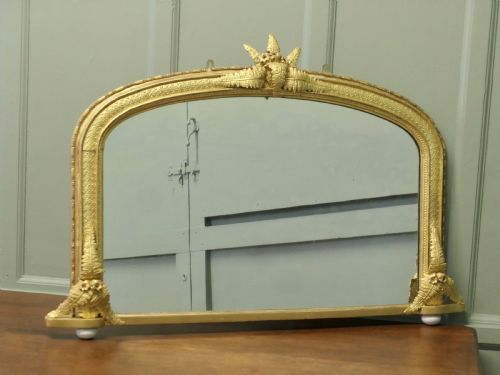
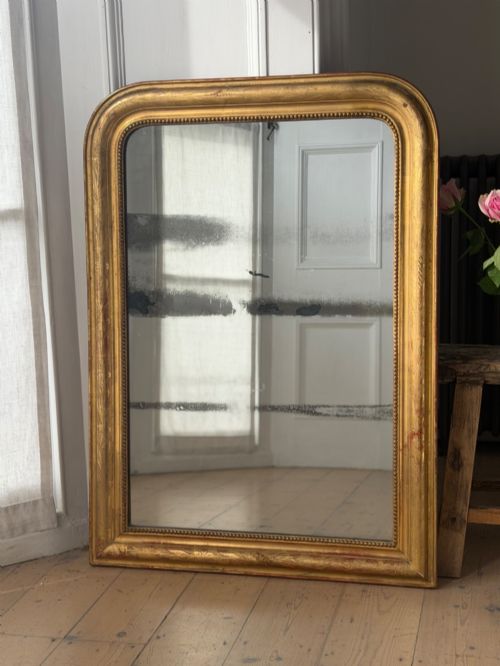
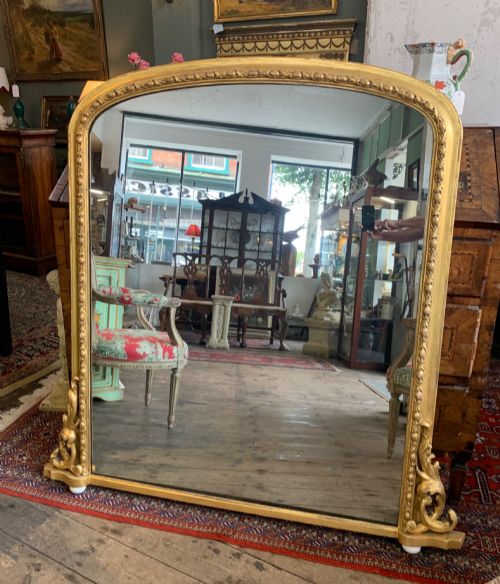
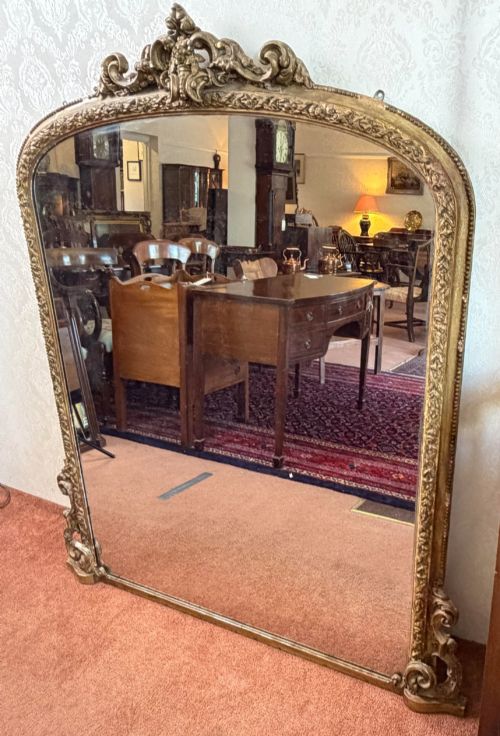
When buyers search for a french arched gold mirror, they encounter large nineteenth-century overmantel and wall mirrors shaped with curved tops. These pieces originate primarily from French and English workshops, spanning periods from the Georgian era through the Victorian age.
The selection centres heavily on grand proportions designed to sit above a mantelpiece or serve as a tall pier glass. Styles range from restrained Louis Philippe and French Empire designs to decorative Rococo Revival and elaborate arched top formats.
How they were made
Craftsmen built the structural frames using carved wood, applying layers of plaster and gesso to form detailed surface decoration and curved mouldings. Gold leaf or applied gilding completed the reflective finish over the wooden carcass.
Mirrors utilised traditional glass plates, occasionally featuring mercury backing that ages with distinct foxing over the decades. Frames relied on robust joinery to support the substantial weight of large wall and overmantel glass.
Some frames conceal tiny traces of red clay bole beneath the gold leaf, exposed only where centuries of dusting rubbed the shine away.
What varies in quality
The refinement of the carved wood and gesso ornamentation dictates the aesthetic distinction between standard production and superior craftsmanship. Crisp detail in the moulded rope twists, crests, and floral motifs separates finer examples from simpler frames.
The condition and character of the original mirror glass and gilding influence the overall integrity of the piece. Intact original surfaces and deep, even layers of gold leaf demonstrate higher original status.
The French Arched Gold Mirror Glossary
- Gesso
- A plaster-based mixture applied to wood frames to create a smooth surface for gilding. It allows carvers to achieve sharp relief work before applying gold leaf.
- Overmantel mirror
- A large horizontal or vertical glass designed specifically to hang above a fireplace mantel. These pieces dominated nineteenth-century domestic interiors.
- Giltwood
- Timber that has been coated with thin sheets of gold leaf. This material defines the bright, reflective appearance of traditional luxury frames.
- Pier mirror
- A tall glass made to fit the wall space between two windows. They often feature elongated proportions to maximise available light.
- Foxing
- Age-related spots and discolouration within the mirror plate. This natural oxidation occurs behind the glass over many decades.
French Arched Gold Mirror: Frequently Asked Questions
Where should an arched mirror be hung?
These mirrors traditionally occupy the wall space directly above a fireplace mantelpiece as an overmantel. They also function effectively as tall leaner mirrors in hallways or principal reception rooms.
Positioning them opposite a window helps maximise natural daylight and creates an impression of greater spatial depth within the room.
How do I identify a Louis Philippe mirror?
Louis Philippe mirrors typically feature a subdued arched top with clean, understated frame profiles. The decoration remains minimal compared to heavier Rococo Revival or Victorian styles.
They often incorporate subtle beaded moulding or gentle scrolling corners while maintaining an elegant, restrained rectangular or arched silhouette.
What is foxed glass?
Foxing refers to the mottled dark spots and cloudy patches that develop behind older mirror plates over time. This chemical reaction occurs as the backing deteriorates.
Collectors often value original foxed glass because it confirms the genuine antique age of the mirror plate rather than indicating a modern replacement.
How are heavy antique mirrors cleaned?
Frame surfaces require gentle dusting with a dry, soft brush to protect delicate gesso and gold leaf layers. Moisture can damage traditional water gilding.
Glass plates tolerate standard glass cleaner applied sparingly to a cloth rather than sprayed directly, preventing liquid from seeping behind the antique backing.