


French Arch Top Mirror
A French arch top mirror brings architectural height and soft curves to a room, framing light with period charm.
French Arch Top Mirror
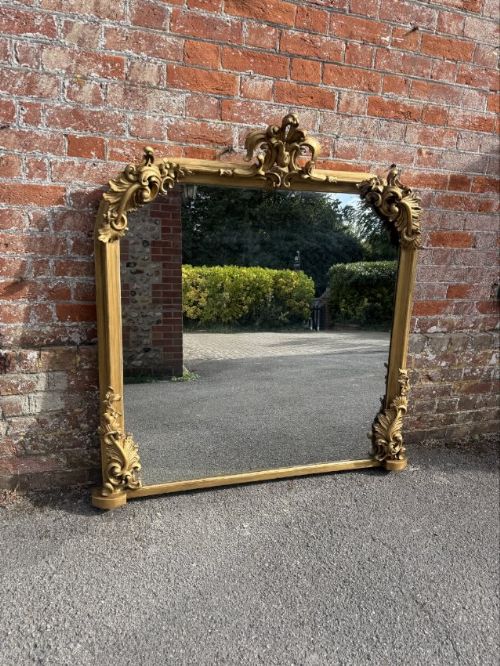
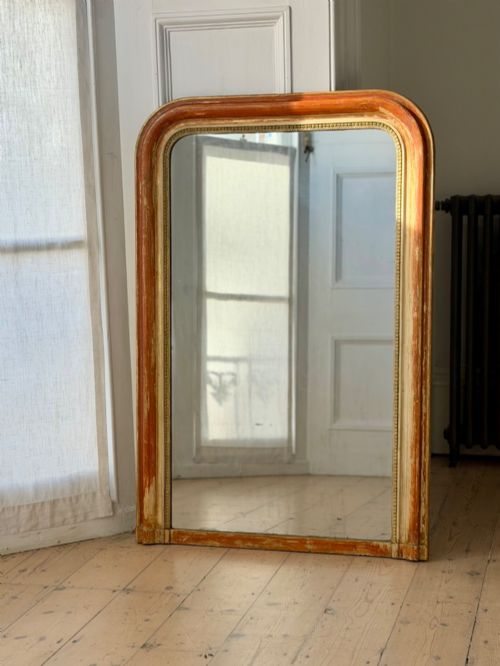
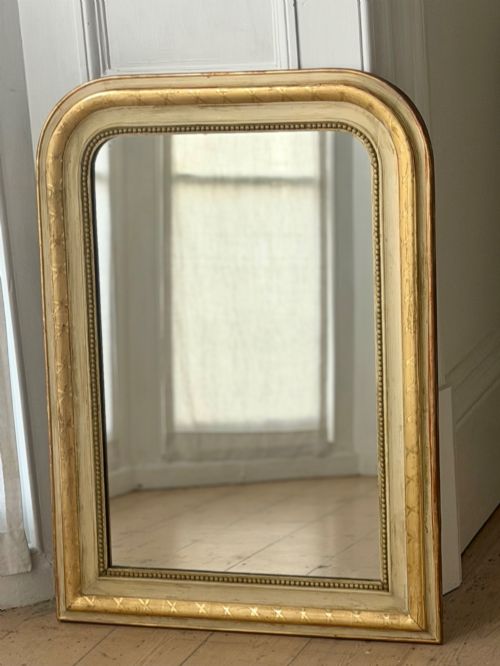
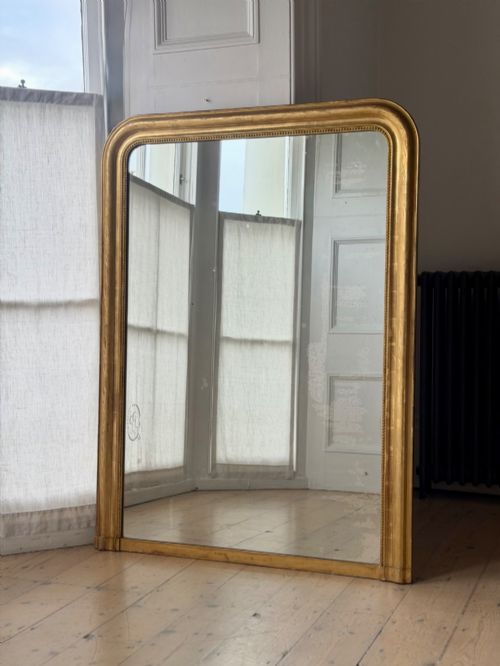
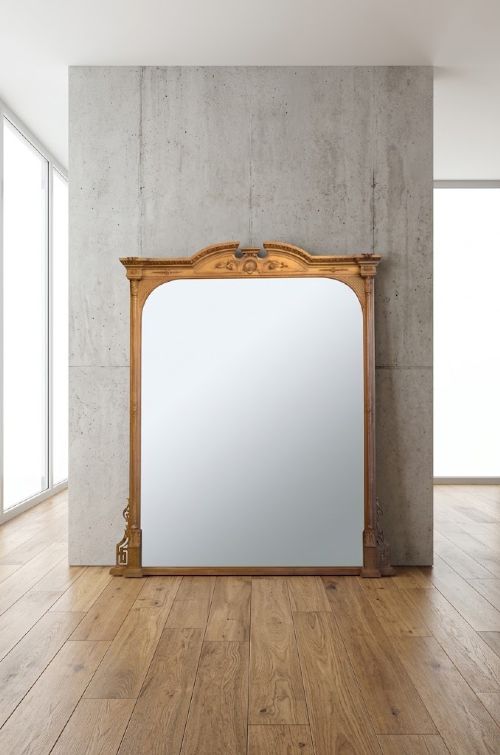
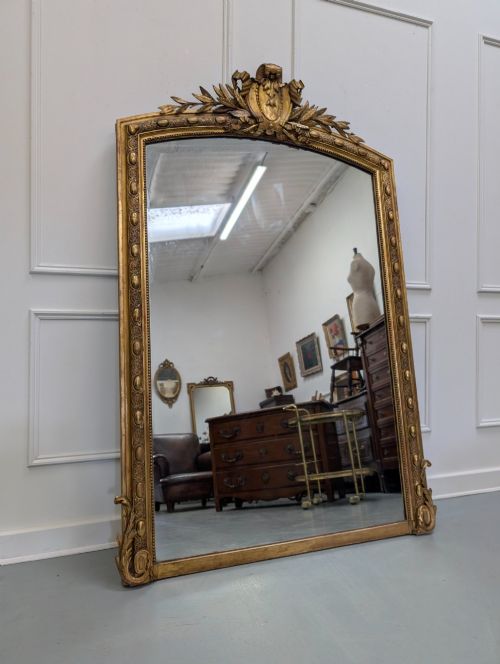
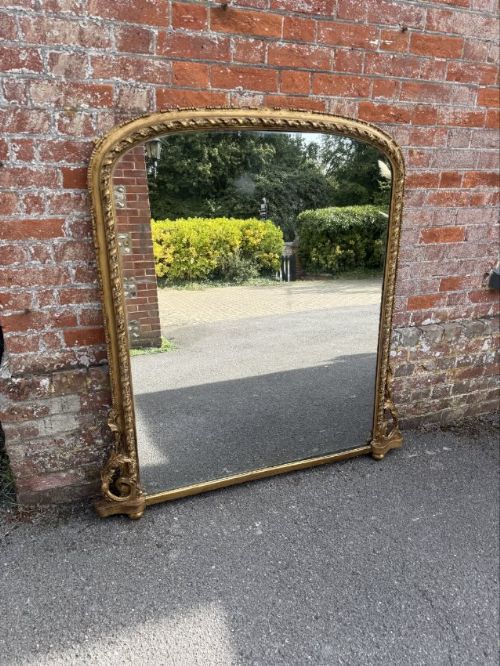
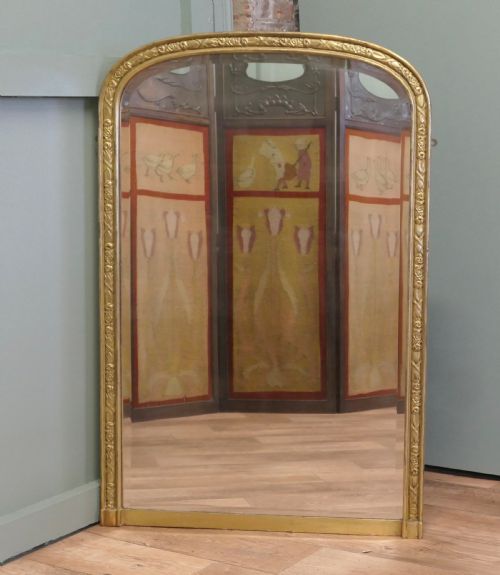
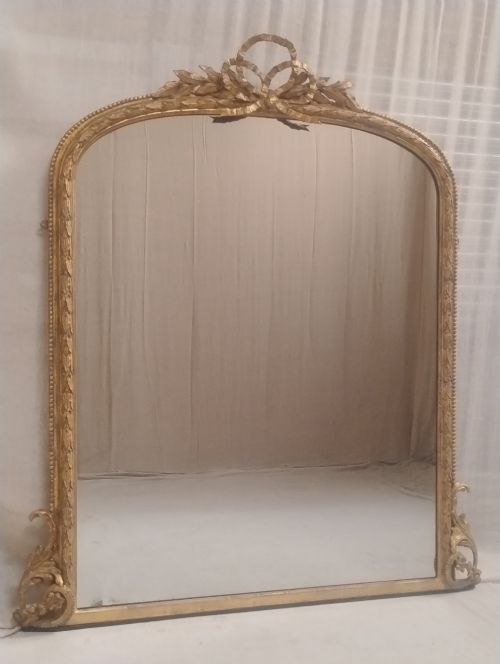
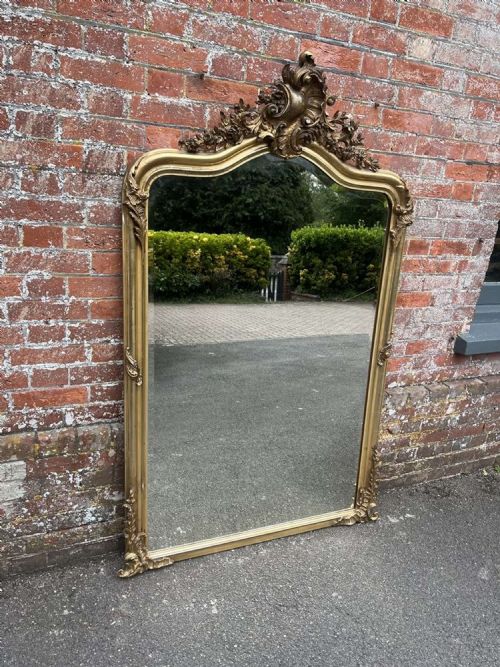
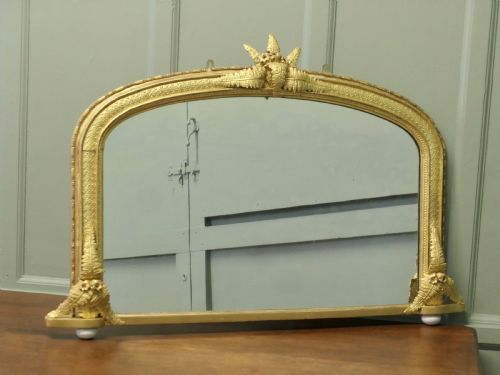
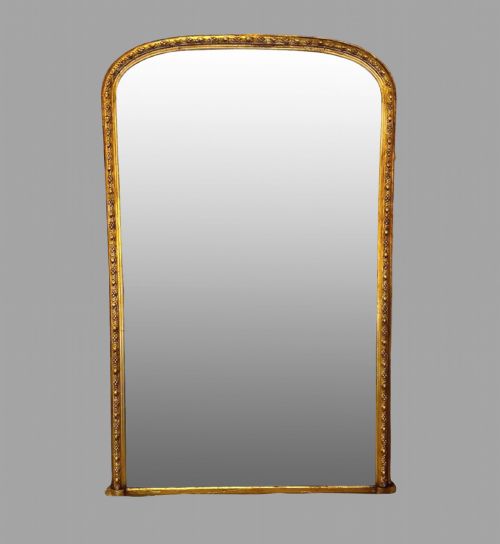
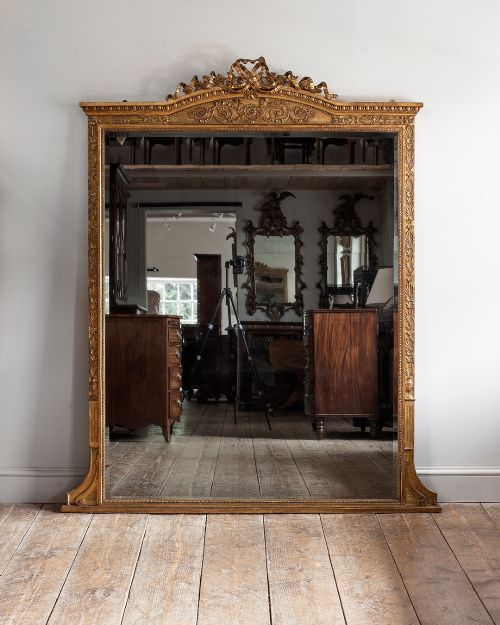
A french arch top mirror is a grand statement piece designed to hang above a fireplace mantel or serve as a full-length wall mirror. These pieces typically originate from the nineteenth century, encompassing periods such as the Victorian era and the reign of Louis Philippe.
Buyers will encounter both gilded wooden frames and painted surfaces, many displaying distinct regional framing details such as rope twist borders, laurel leaves, and ribbed columns.
How they were made
Makers built the structural frames using sturdy timbers like pine, walnut, and carved wood, providing a solid foundation for intricate ornamentation. Artisans applied layers of gesso over the wood substrate to build up relief details, cartouches, and decorative mouldings before finishing the surface.
Finishing techniques relied heavily on the application of gold leaf, liquid gilding, or traditional paint layers, often including distressed or faux bois effects. The glass plates were set directly into the rabbet, frequently utilising mercury silvering that develops characteristic foxing over time.
Listings span the nineteenth century, featuring 1850, 1860, 1870, 1880, and 1900 pieces alongside Georgian and Victorian examples.
What varies in quality
The depth and crispness of the carved wood and gesso ornamentation dictate much of the visual hierarchy, with deeply hand-carved motifs and sharp detailing standing apart from simpler mouldings. Original gilding and untouched painted surfaces retain a depth of patina that later restorations rarely replicate.
Structural integrity of the heavy wooden frames and the preservation of the original mirror glass, including authentic foxing and mercury backing, distinguish exceptional examples from standard decorative pieces.
The French Arch Top Mirror Glossary
- Gesso
- A prepared mixture of chalk, gypsum, and binder applied to wooden frames to create a smooth surface for carving and gilding. This plaster-like substance allows for crisp, intricate decorative relief work.
- Giltwood
- Timber that has been coated with a thin layer of gold leaf or metallic powder. It provides the characteristic warm, reflective metallic sheen seen on period frames.
- Louis Philippe
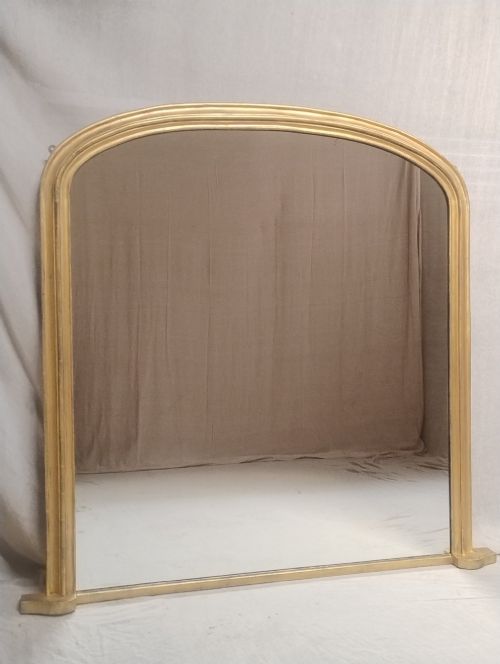
- A mid-nineteenth-century French style characterised by understated elegance, simple arched crowns, and gentle rounded top corners. It avoids heavy ornamentation in favour of clean architectural proportions.
- Overmantel mirror
- A large horizontal or vertical mirror specifically proportioned to hang on the wall directly above a fireplace mantel. These pieces anchor a room by reflecting light and drawing the eye upward.
- Foxing
- Small dark spots and speckles that develop within the silver backing of antique mirror glass over decades of oxidation. Collectors prize genuine foxing as a mark of high age and authenticity.
- Pier mirror
- A tall, narrow mirror traditionally hung on the narrow section of wall between two windows. They maximise available daylight in nineteenth-century drawing rooms.
French Arch Top Mirror: Frequently Asked Questions
What is the difference between Louis Philippe and Rococo mirrors?
Louis Philippe mirrors feature clean, restrained architectural lines with a simple curved arch at the top and minimal ornamentation. They suit interiors requiring subtle nineteenth-century elegance without excessive elaboration.
Rococo revival mirrors showcase exuberant, asymmetrical carved motifs, scrolling foliage, and ornate cartouches. These pieces create a much more dramatic visual focal point in a reception room.
Should I clean or replace foxed mirror glass?
Foxing represents the natural ageing of the mercury or silver backing behind the glass and should generally be left untouched. Removing or replacing the original glass plate strips the antique of its historical character and patina.
Embrace the mottled reflection as evidence of the mirror's nineteenth-century origins. Gentle dusting of the frame with a dry cloth is all the routine maintenance required.
How do I distinguish French styles from Victorian pieces?
French designs, particularly Louis Philippe and chateau styles, typically emphasise softer, sweeping arch top profiles and restrained gesso detailing. They often utilise painted finishes alongside traditional gold leaf.
Victorian English alternatives frequently incorporate heavier carved wooden frames with distinct decorative elements like rope twist borders or ribbed columns. Examining the framing technique often reveals the origin of the workshop.