


French Plant Table
These pieces combine timber, marble and metal to display greenery with continental elegance.
French Plant Table
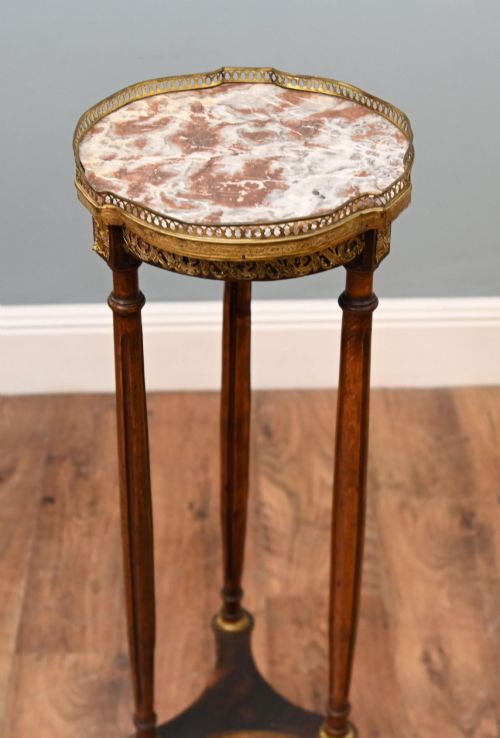
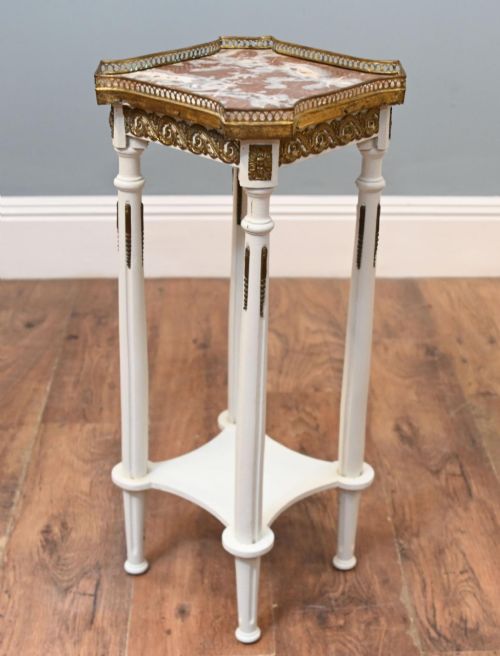
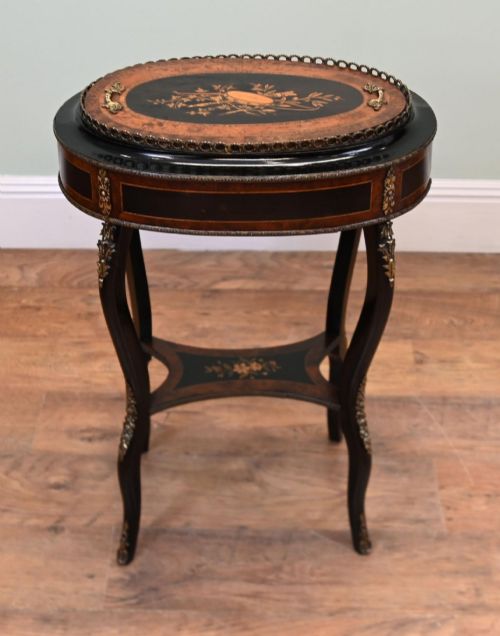
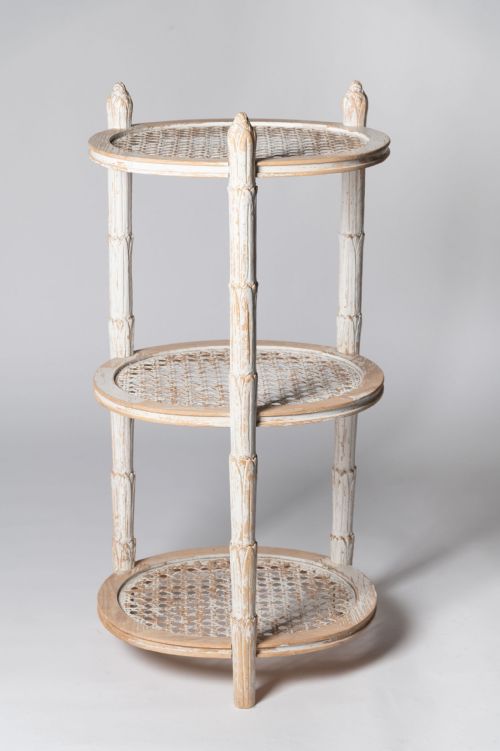
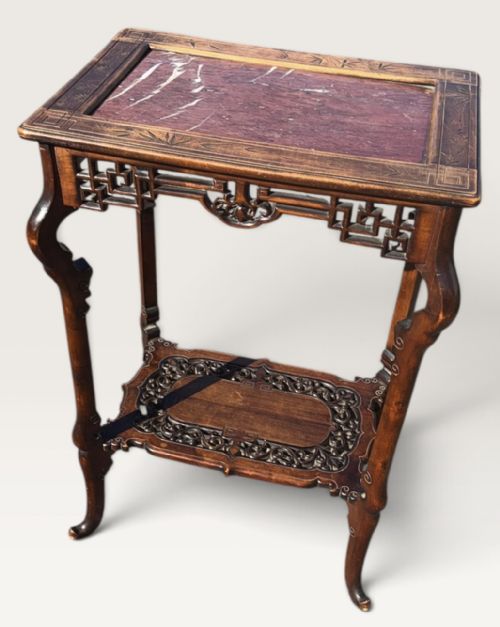
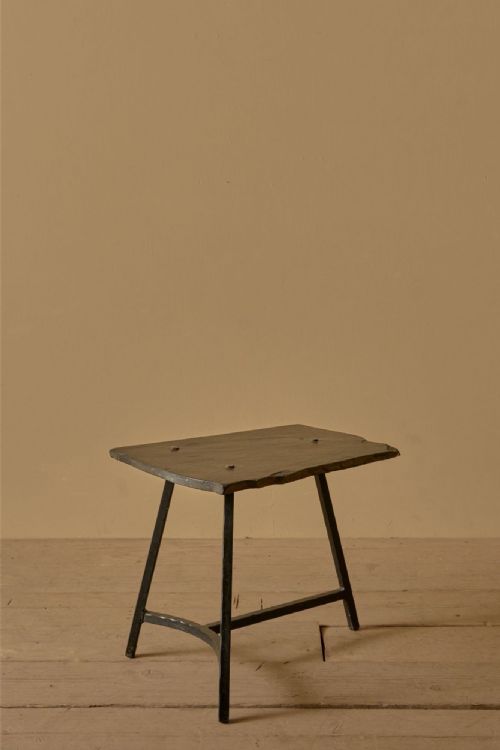
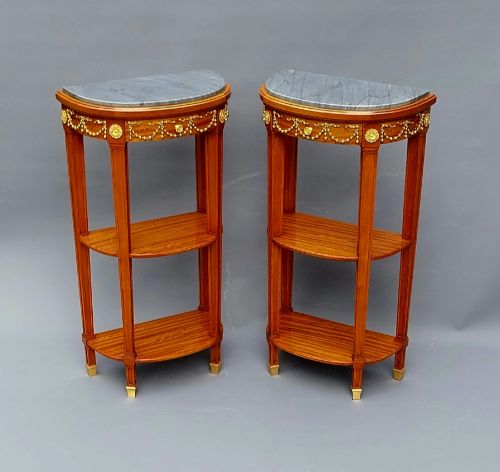
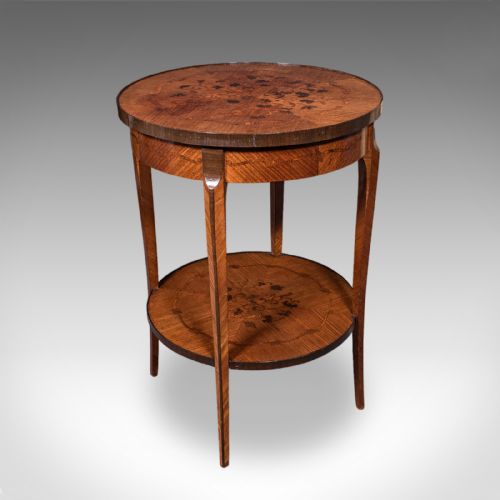
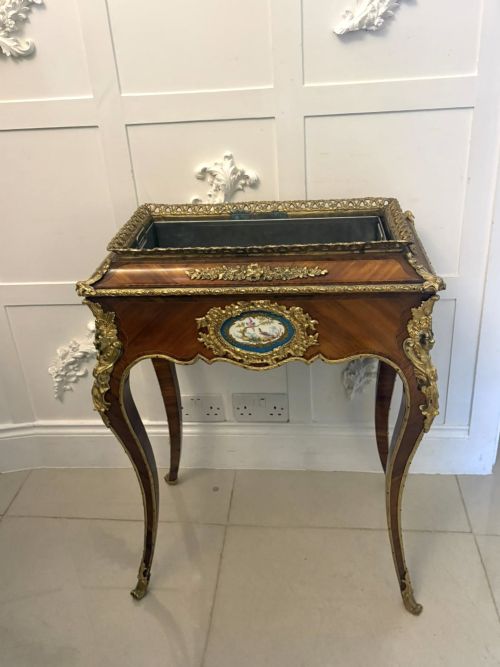
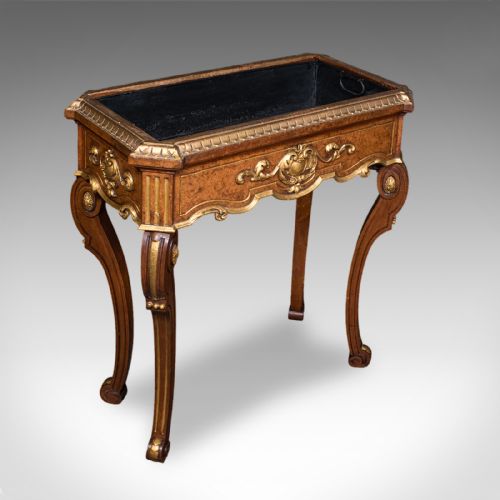
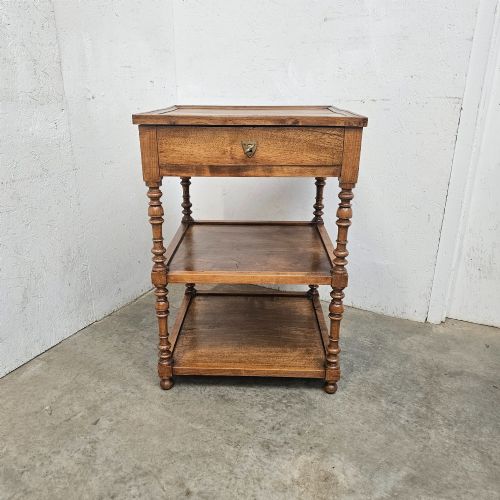
A french antique plant table serves primarily to elevate interior flora, taking the form of jardiniere stands, pedestal tables and etageres from the nineteenth and early twentieth centuries. Buyers encounter mahogany, walnut and kingwood frameworks designed specifically to house plants alongside occasional side tables adapted for botanical display.
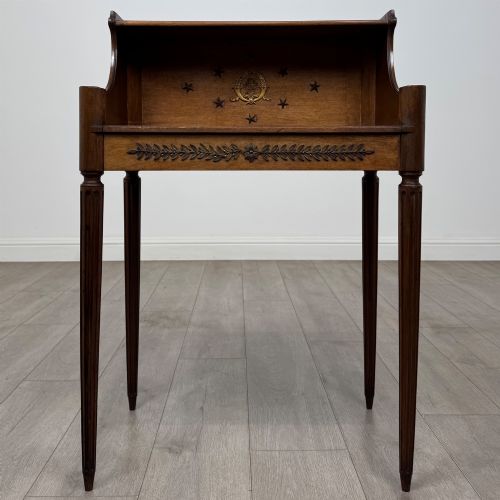
Makers fashioned these stands during periods spanning the Victorian era through the Edwardian years, drawing on Napoleon III, Louis XVI and Empire styles. The designs range from simple tripod tables to elaborate multi-tiered stands fitted with metal liners for live horticulture.
Materials and construction
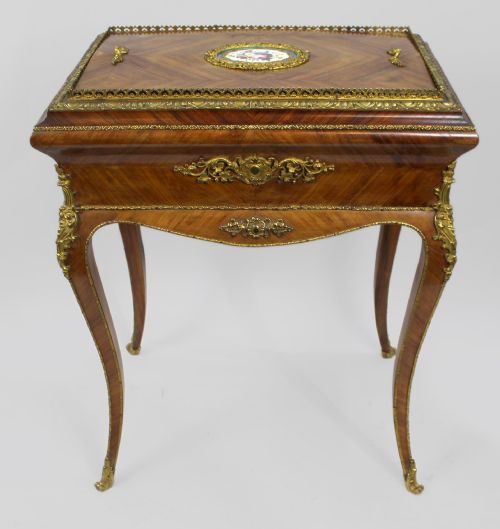
Craftsmen built these pieces using dense hardwoods such as mahogany, walnut, kingwood and ebonised wood, frequently incorporating marquetry, amboyna inlay and gilt bronze mounts. Structural rigidity was paramount to support the substantial weight of wet soil and ceramic planters.
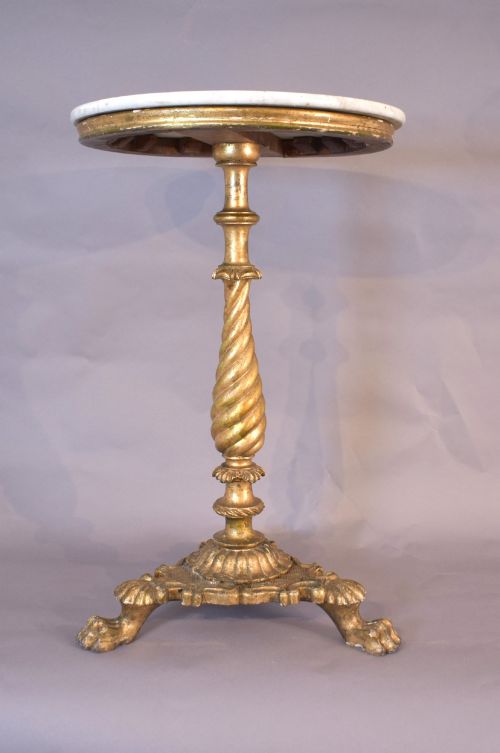
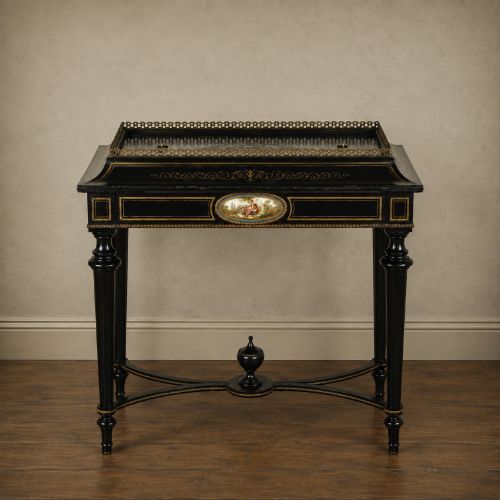
Surfaces often feature inset marble tops, brass galleries and porcelain plaques, combining stone and ceramic elements with polished timber frames. Metal liners were integrated into the design to contain water and protect the underlying woodwork from moisture damage.
French Plant Table Retail Price Guide 2026
Typical asking prices for french plant table among the pieces listed under this phrase on Sellingantiques today, from the lower quarter to the upper quarter. They describe what is for sale here now, not the wider market.
Listings feature pieces spanning the Victorian era, Edwardian period, and the nineteenth century, constructed from mahogany, walnut, kingwood and brass.
Determining quality
The standard of a piece rests on the crispness of its ormolu mounts, the precision of its wood inlays and the integrity of its structural joints. Superior examples display finely hand-chased brass work and robust timber framing that remains stable under heavy loads.
Refinement in secondary details, such as hand-painted porcelain plaques, original brass galleries and well-fitted interior liners, separates utilitarian stands from exceptional decorative furniture.
Gabriel Viardot
The French Plant Table Glossary
- Jardiniere
- A decorative stand or container designed to hold plants and flowers indoors. They frequently feature waterproof metal liners.
- Ormolu
- Gilded bronze mounts applied to furniture for decorative accent. This technique was widely utilised in nineteenth-century French cabinet making.
- Etagere
- A piece of furniture consisting of open shelves for displaying small objects or plants. These tiered stands maximise vertical display space.
- Guerdon
- A small round table on a central pillar or tripod base. These tables often feature inset marble tops.
- Marquetry
- Inlaid patterns of wood veneers applied to a furniture carcass. Craftsmen used contrasting timbers to create geometric or floral motifs.
French Plant Table: Frequently Asked Questions
How were antique plant tables originally used?
These tables sat in nineteenth-century reception rooms and parlours to bring indoor plants and fresh flowers into domestic living spaces. Their waterproof liners allowed owners to water potted greenery directly inside the furniture.
Over time, many adapted to serve as general occasional tables for lamps and decorative objects when formal plant displays fell out of fashion.
Can I still use these tables for live plants?
Most antique plant tables retain their original metal liners, which protect the underlying wooden structure from moisture and soil. Using a separate inner pot ensures you can water plants safely without risking timber rot.
Careful placement away from direct heat sources prevents the aged veneers and nineteenth-century polishes from drying out or cracking.
How do I identify French styles on these tables?
Look to the decorative hardware and leg shapes to determine the stylistic period of a piece. Napoleon III items often feature ebonised wood and porcelain plaques, while Louis XVI influenced stands display neoclassical symmetry and fluted legs.
Empire pieces lean towards heavier classical proportions with prominent ormolu mounts, whereas Rococo revival examples showcase asymmetric flowing curves.
What woods appear most often on these pieces?
Cabinet makers predominantly utilised walnut, mahogany and kingwood for the primary structure of these plant stands. Exotic veneers such as amboyna and satinwood frequently feature on tabletops and decorative borders.
Ebonised wood also appears on pieces inspired by Napoleon III designs, mimicking the look of solid ebony.