
French Mirror Glass
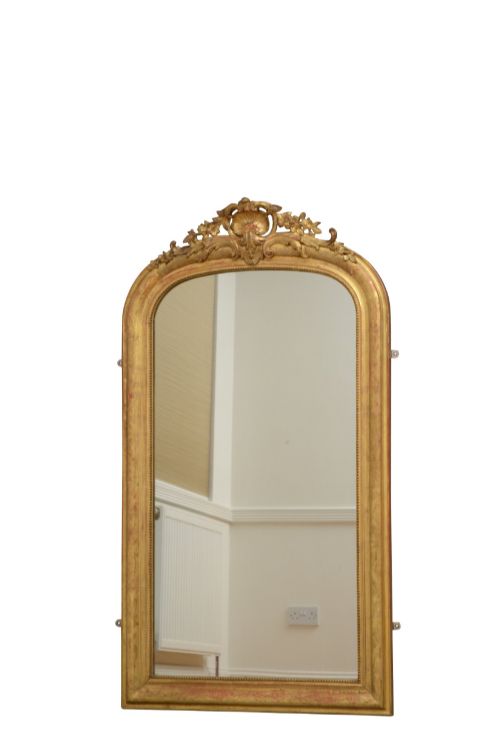
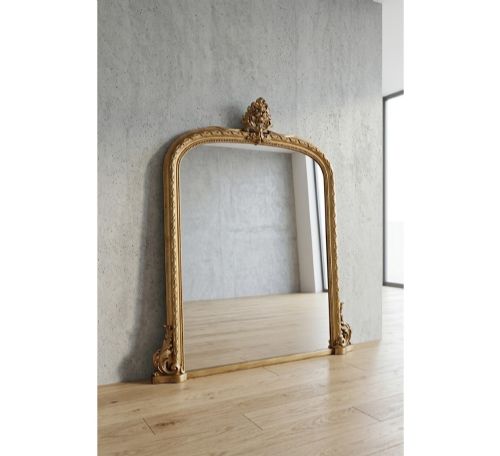
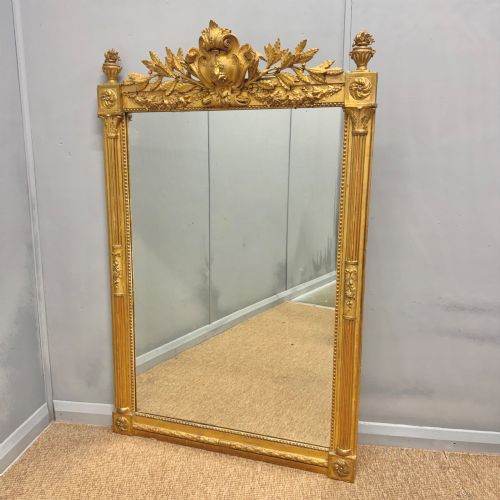
When searching for french antique mirror glass, buyers encounter ornate giltwood frames and historic silvered plates that reflect centuries of European craftsmanship.
French Mirror Glass
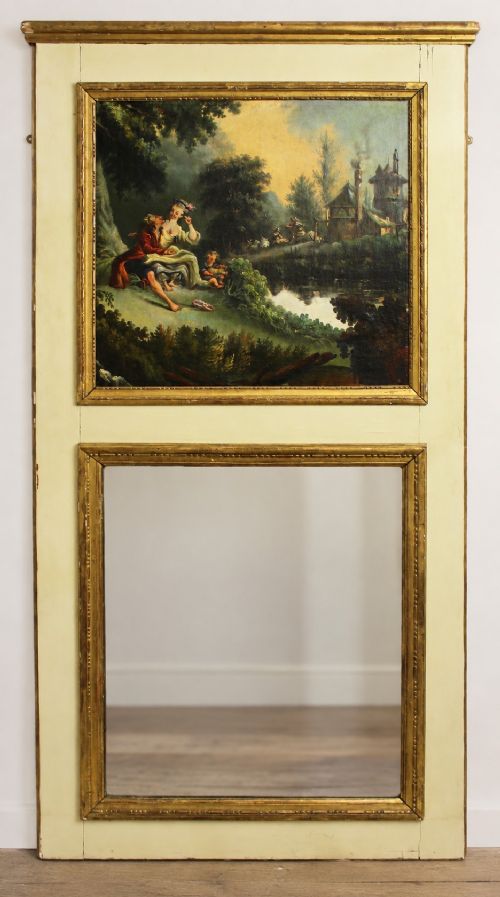
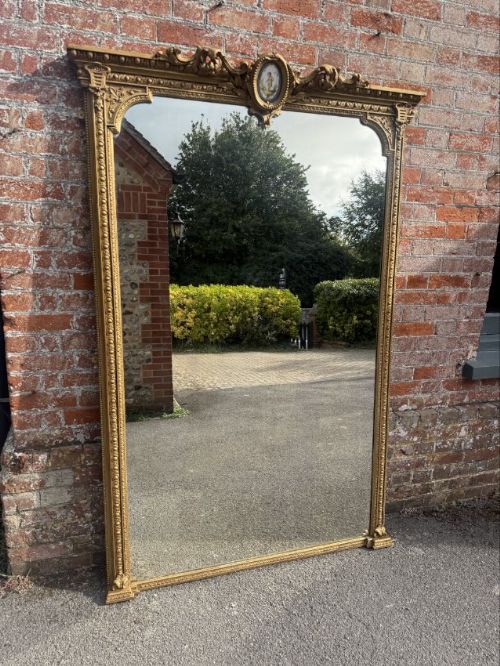
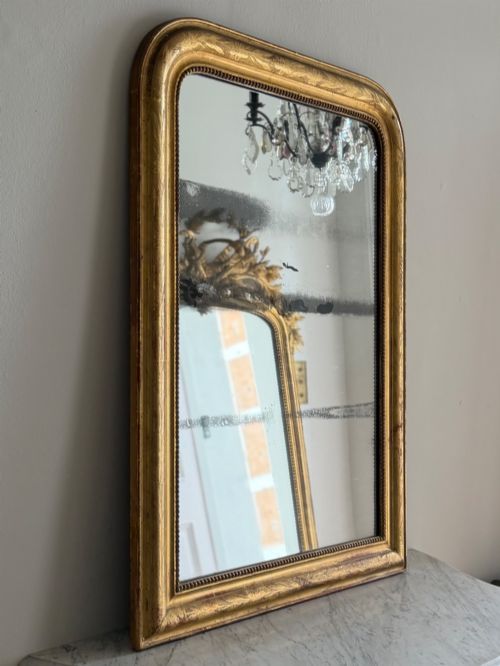
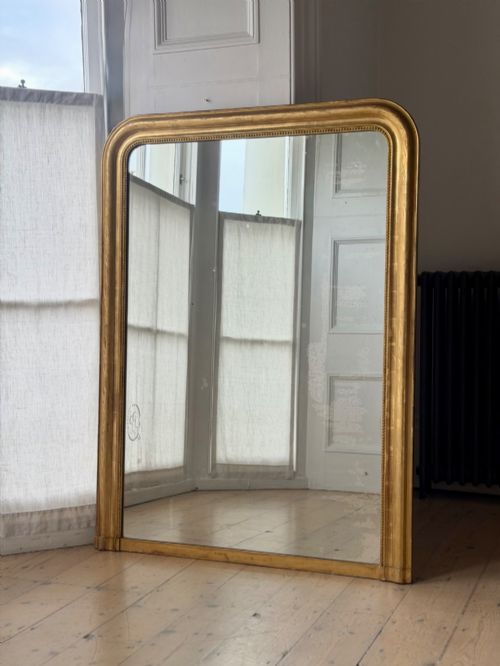
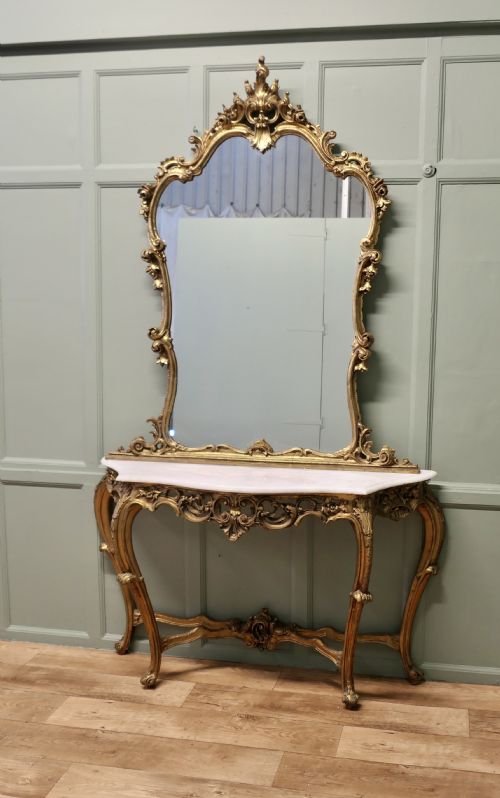
When buyers search for french antique mirror glass, they are examining decorative wall fixtures originating largely from the eighteenth and nineteenth centuries. These pieces encompass various forms including overmantel mirrors, pier mirrors, and tall trumeau panels featuring pastoral oil paintings.
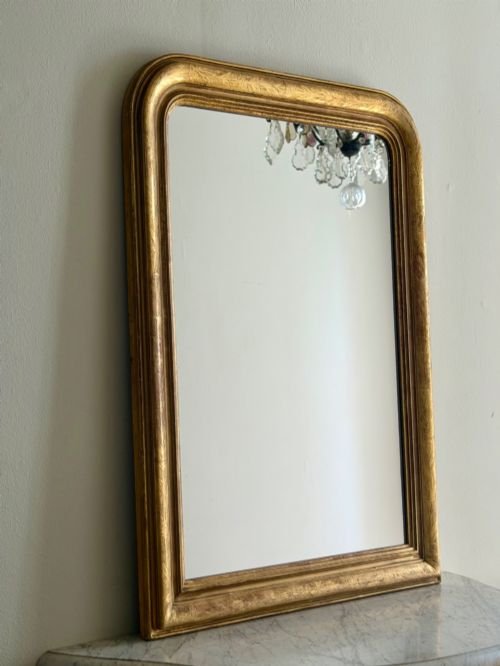
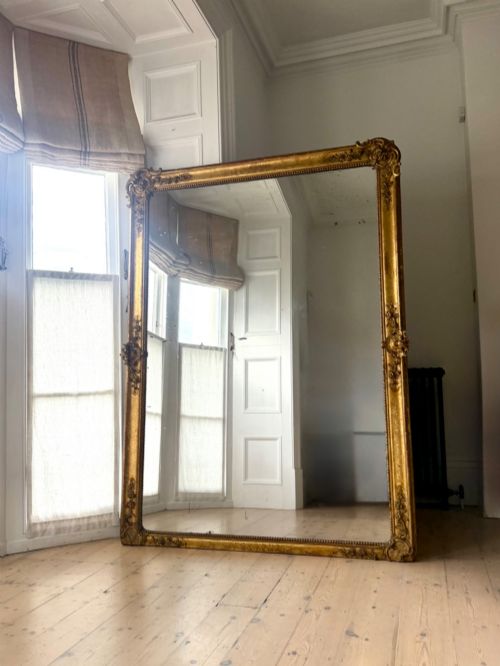
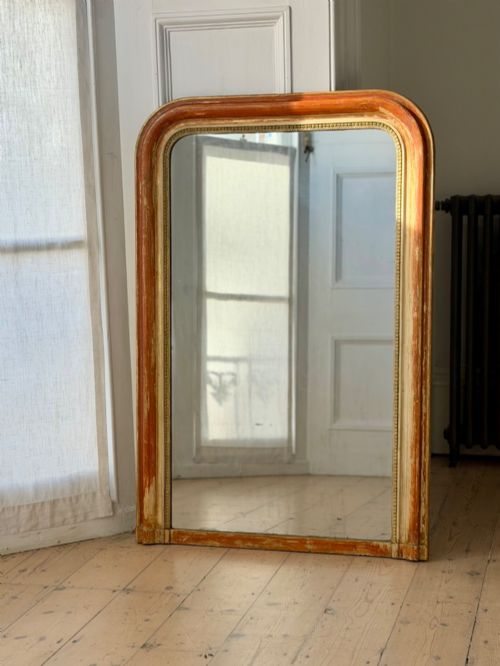
The most common examples on this page hail from the nineteenth century, displaying characteristic French Rococo Revival, Napoleon III, and Louis Philippe aesthetic influences. Frames are frequently constructed for prominent display in grand salons or above mantelpieces, shaping domestic interiors with period charm.
How they were made
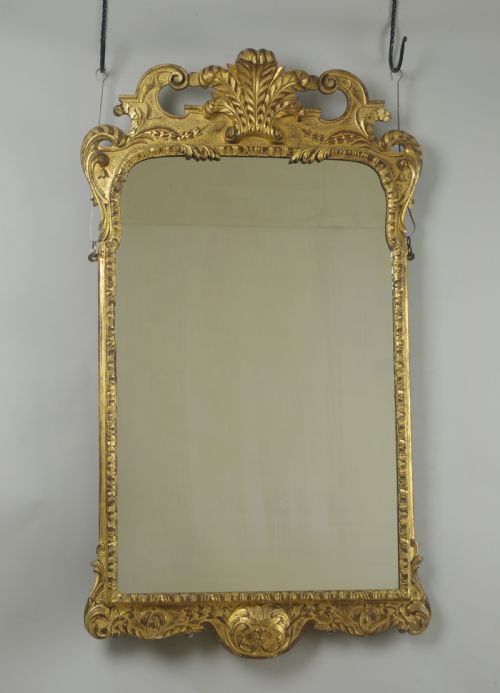
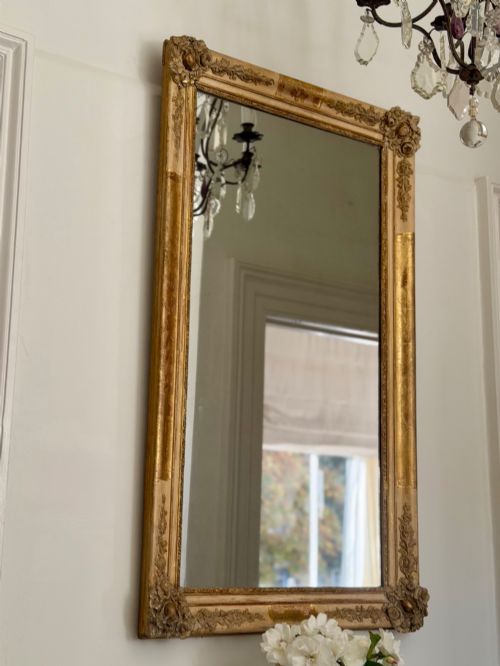
Carved wooden foundations of pine or oak form the structural base of these frames, layered with applied gesso to build up intricate relief ornaments and floral carvings. Gold leaf or liquid gilding is subsequently laid over the prepared surfaces to achieve a brilliant metallic finish.
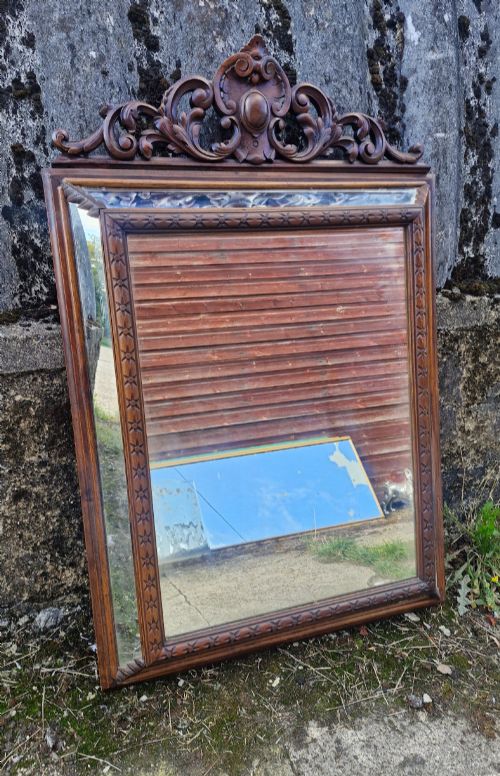
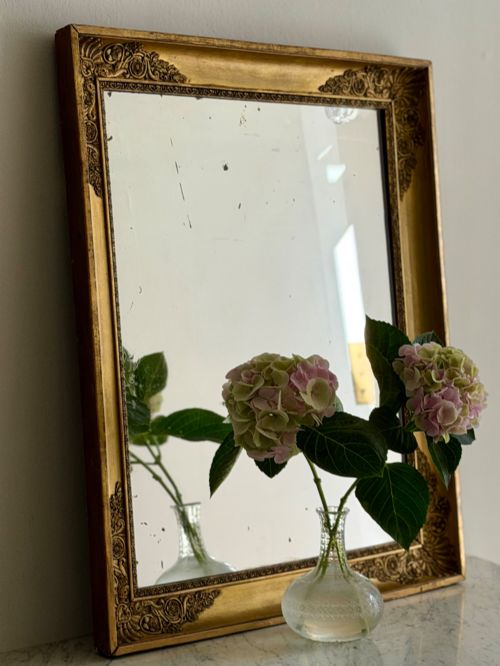
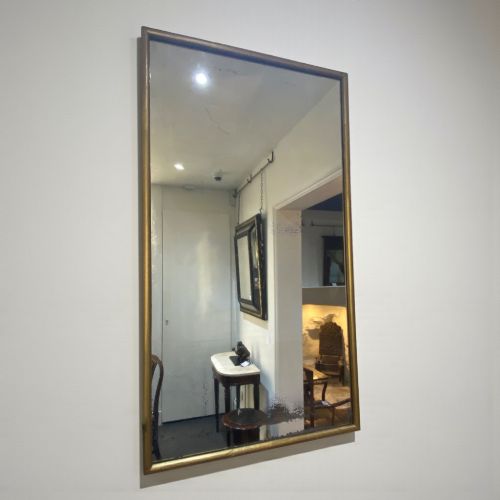
Reflective surfaces consist primarily of historic mirror glass or silvered mercury plates, which over time develop characteristic foxing spots. These plates are sometimes bevelled at the edges and secured into their rebated frames using traditional backing boards.
Listings feature eighteenth and nineteenth-century pieces incorporating gesso, wood, and authentic mercury glass plates.
What varies in quality
The standard of carving distinguishes superior examples, where deep, crisp floral and mythological motifs demonstrate the hand of a skilled artisan rather than mass-produced composition moulding. Frames retain their original gilding and structural integrity without heavy modern interventions.
The condition and authenticity of the mirror plate dictate desirability, with undisturbed mercury glass showing natural foxing adding period authenticity. Furthermore, the harmony between the original frame proportions and the historic glass plate defines the overall calibre.
The French Mirror Glass Glossary
- Mercury glass
- A type of antique mirror glass produced by pouring a silvering mixture of tin and mercury between double-walled blown glass, creating a characteristic mottled reflection. This historic technique predates modern chemical silvering methods.
- Foxing
- The natural age-related degradation and oxidation appearing as dark spots or patches within the mirror glass. Collectors value genuine foxing as an indicator of considerable age.
- Trumeau
- A decorative wall mirror incorporating an oil painting or panel within the upper section of the wooden frame. These architectural pieces were designed to hang between windows in formal rooms.
- Gesso
- A plaster-like mixture applied to wooden frame foundations to create a smooth surface for gilding and deep relief carvings. It allows artisans to shape intricate decorative details.
- Giltwood
- Timber that has been coated with thin sheets of gold leaf. This material defines the opulent appearance of nineteenth-century decorative frames.
French Mirror Glass: Frequently Asked Questions
What is mercury glass?
Mercury glass refers to historic mirror plates created by sealing a liquid amalgam between glass layers. This method produced a warm, deep reflection distinct from modern silvered mirrors.
Over decades, chemical reactions create characteristic dark spots known as foxing. These aged imperfections are celebrated by collectors as proof of authenticity.
How do I hang a heavy mirror?
Heavy nineteenth-century frames require secure wall anchoring into structural studs or masonry using rated hardware. Professional installation is recommended due to the substantial weight of carved wood and thick glass.
Distributing the load evenly prevents warping of the timber frame over time. Ensuring proper wall support protects both the antique and the surrounding interior.
What is a trumeau mirror?
A trumeau mirror is a tall architectural wall piece featuring an integrated painted panel or canvas above the glass plate. These decorative panels frequently depict pastoral scenes or classical motifs.
Originating in French interior design, they were built to occupy specific wall spaces between windows. Their dual nature combines fine art with functional reflective glass.
How do I clean antique mirror glass?
Cleaning historic glass requires gentle dusting with a soft, dry cloth to remove surface particles without disturbing fragile edges. Harsh commercial chemical cleaners must be avoided entirely.
Moisture should be kept away from the vulnerable backing and silvered edges to prevent further deterioration. Preserving the original plate involves minimal intervention and careful handling.