


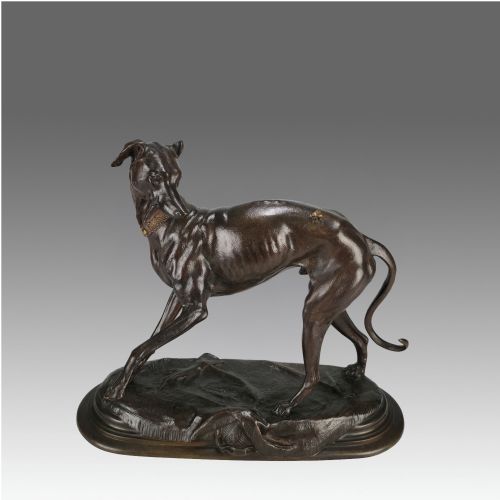
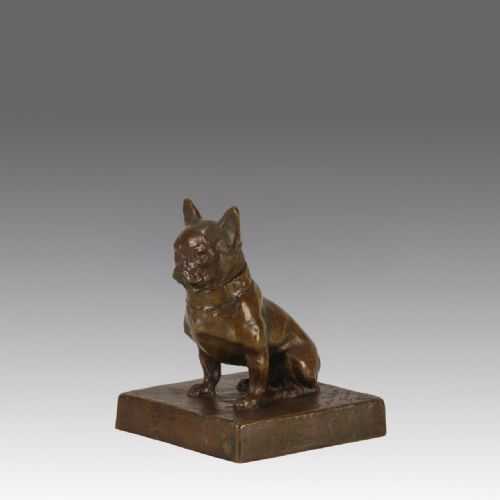
French Desk Statue
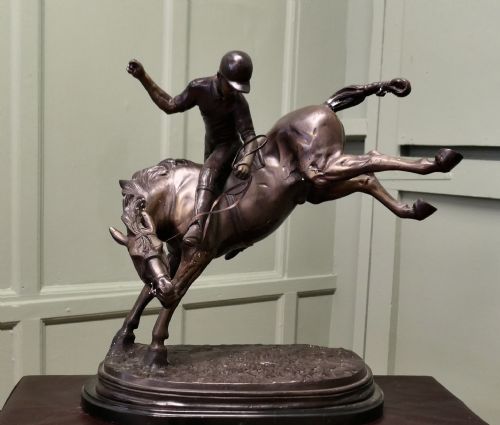
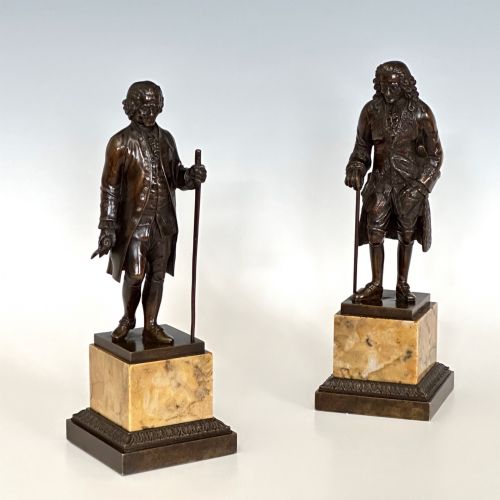
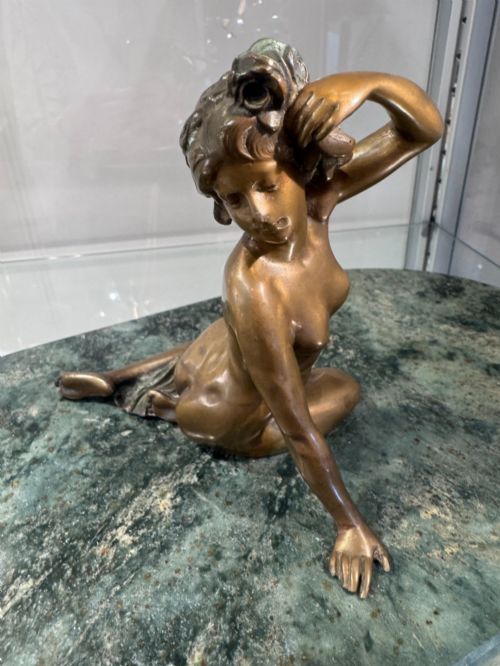
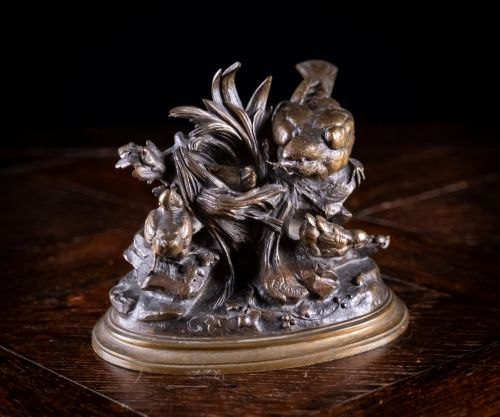
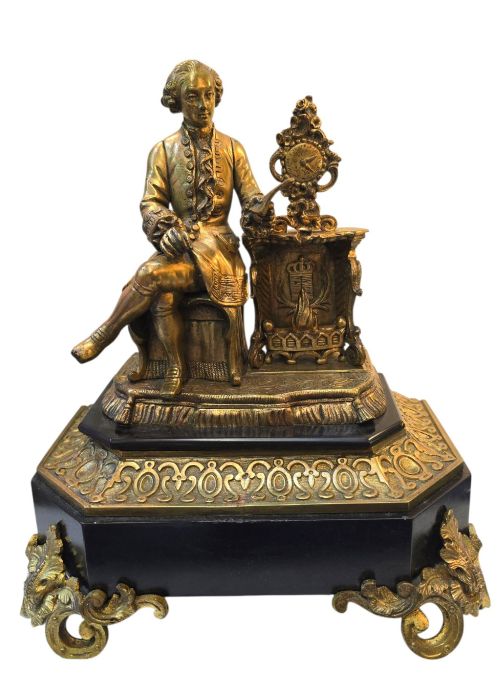
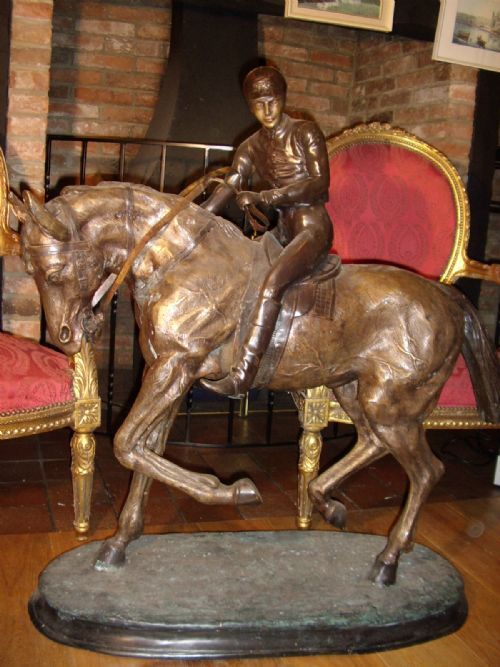
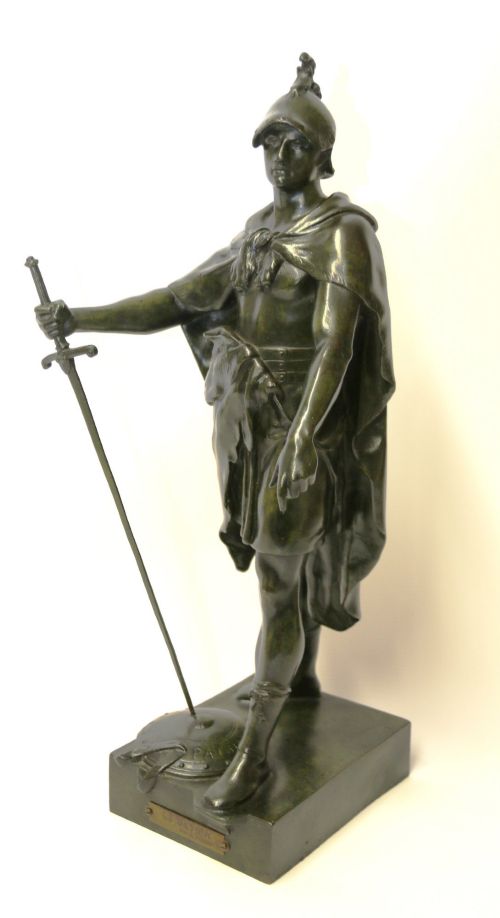
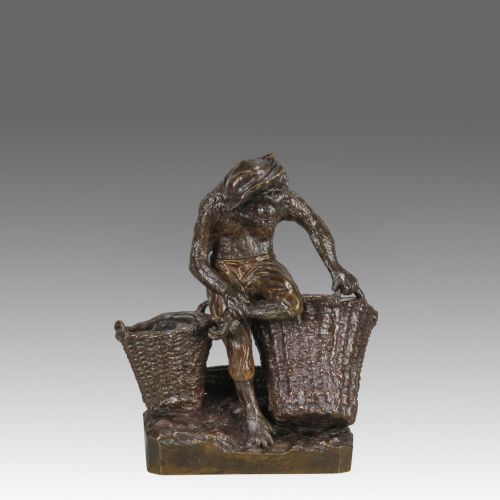
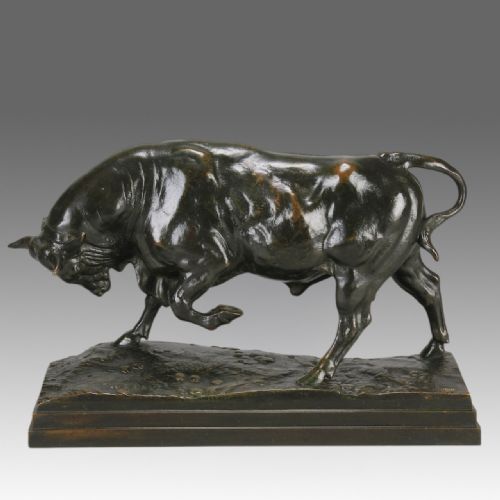
A french antique desk statue brings character to a room through cast metal figures of animals, classical heroes, and dancers mounted on stone bases.
French Desk Statue
A french antique desk statue spans nineteenth century romanticism, the grand tour, and twentieth century modernism. The selection includes animalier studies, figural bookends, inkstands, table lamps, and small mantel clocks designed for writing tables.
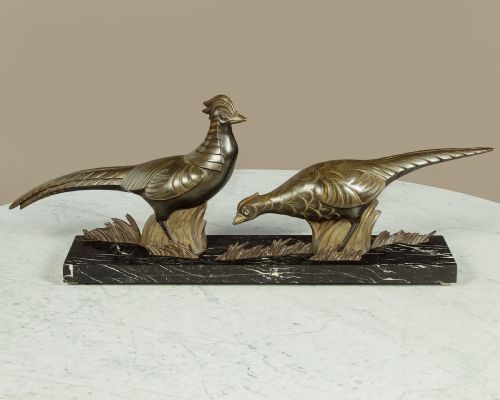
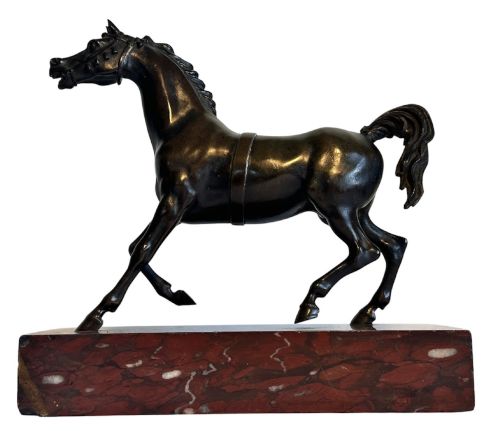
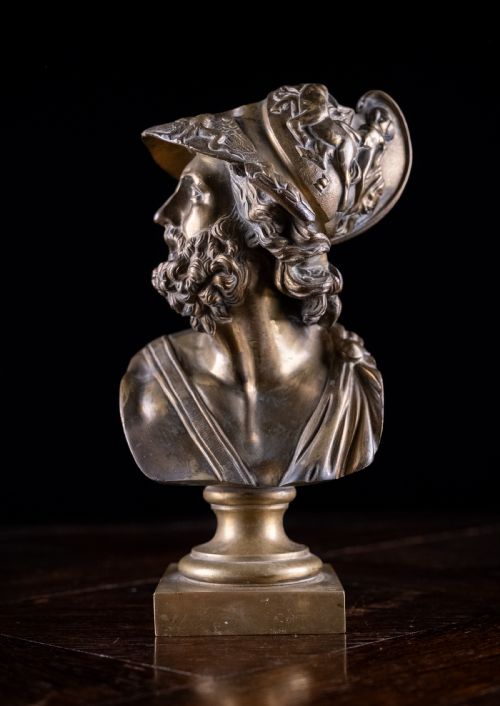
Nineteenth century examples lean towards classical patinated bronze heroes, horses, and historical busts on marble plinths. Later twentieth century pieces adopt streamlined art deco silhouettes, athletic figures, and stylized bird forms.
Most items stand independently on fitted bases of green, sienna, or black marble, onyx, or cast metal. They function as portable ornaments, paperweights, or functional desk accessories.
Materials and technique
Foundries cast these pieces primarily in bronze, sometimes employing gilt or patinated finishes, alongside spelter for later twentieth century decorative editions. Metal components combine with natural bases such as heavy marble, onyx, and polished stone.
Casting methods involve lost wax or sand techniques to capture fine details in animal musculature, facial expressions, and draped garments. Artisans then hand chase and apply chemical patinas or fire gilding to the metal surface.
Several bronze dogs and birds appear frozen mid-stride, keeping eternal watch over loose stationery and ink.
Casting and finish
The choice and fit of the mounting base also mark distinction. Solid marble and onyx plinths tailored precisely to the metal sculpture indicate higher workshop standards than mass produced alternatives.
Louis Emile Cana·Émile Louis Picault·Christophe Fratin·Antoine Louis Barye·Alfred Barye·Dora Heber·Emile Guillemin·Georges Van Der Straeten·Zoldan Kovats·H. Chiparus
The French Desk Statue Glossary
- Animalier
- A nineteenth century movement dedicated to realistic sculptures of animals, particularly horses, dogs, and wild predators. Artists studied live subjects in menageries to capture authentic movement.
- Spelter
- A zinc alloy frequently used as a cheaper alternative to bronze for decorative figures. It accepts metallic paints and patinas to simulate heavier metals.
- Ormolu
- Gilt bronze produced by applying a mercury and gold amalgam to cast bronze before heating. This historical technique yields a durable, rich golden surface.
- Patina
- The surface sheen and coloration developed through age or chemical treatment on metal. A controlled chemical finish often protects the raw bronze underneath.
- Grand Tour
- A nineteenth century practice where wealthy travellers collected small classical bronzes and architectural models as souvenirs. These pieces often depict famous columns, historical figures, or ancient monuments.
French Desk Statue: Frequently Asked Questions
How do I identify art deco pieces?
Art deco examples generally date from around the 1920s and 1930s, featuring geometric lines, stylized animal forms, and dancers in motion. The patinas often appear brighter, and the metal figures pair with streamlined marble or onyx bases.
Earlier nineteenth century works typically show more naturalistic proportions, classical subject matter, and heavier traditional patination.
Where should I place these statues?
These statues suit desks, side tables, bookshelves, and mantelpieces where their compact scale can be appreciated up close. Their weighted marble or onyx bases provide stability on flat wooden surfaces.
Keep them away from direct heat sources and moisture to protect the metal patina and the polished stone plinths.
What is the difference between bronze and spelter?
Bronze is a durable copper alloy that accepts rich chemical patinas and maintains crisp detail through centuries. It feels noticeably heavier and colder to the touch.
Spelter is a softer zinc alloy utilised widely in the early twentieth century, which is lighter in weight and more susceptible to surface wear if handled frequently.