


French Credenza
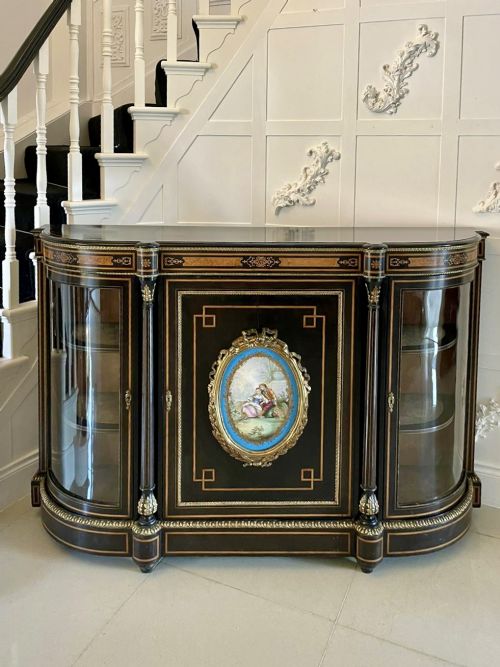
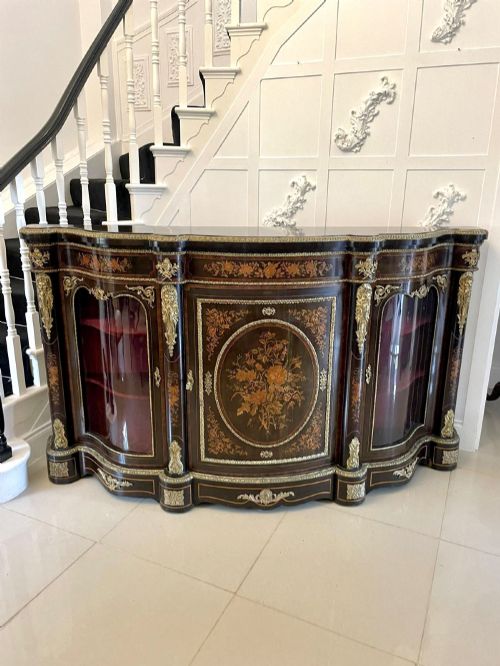
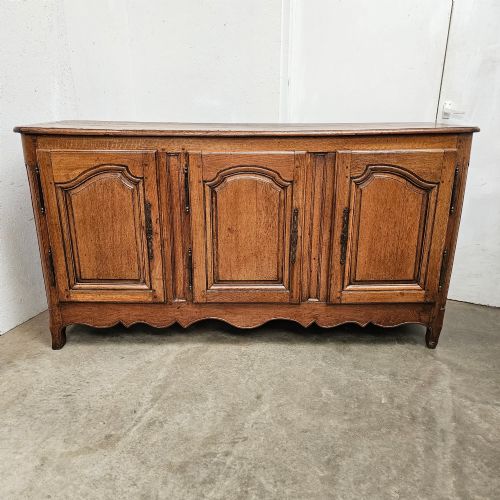
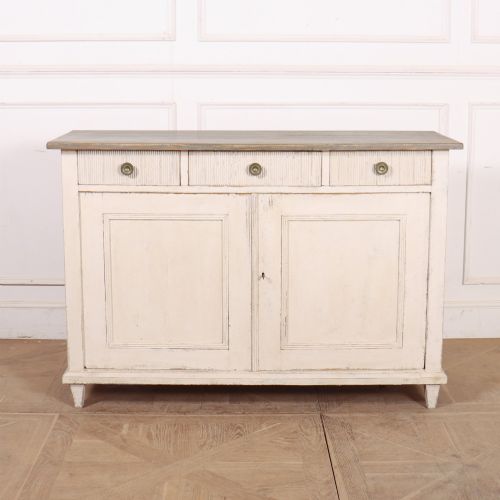
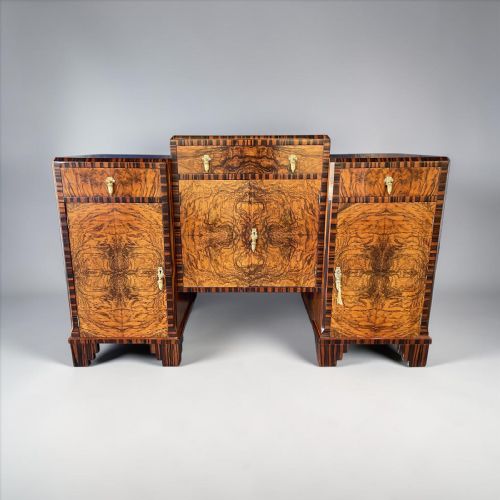
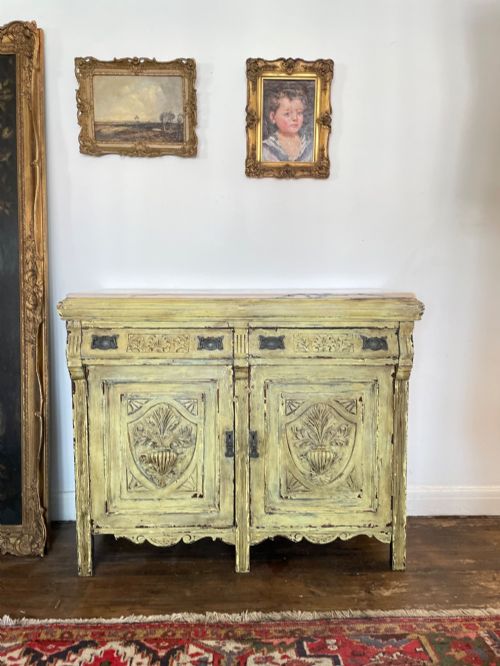
These french antique credenza pieces are grand storage and display cabinets bringing continental presence into a room.
What they are
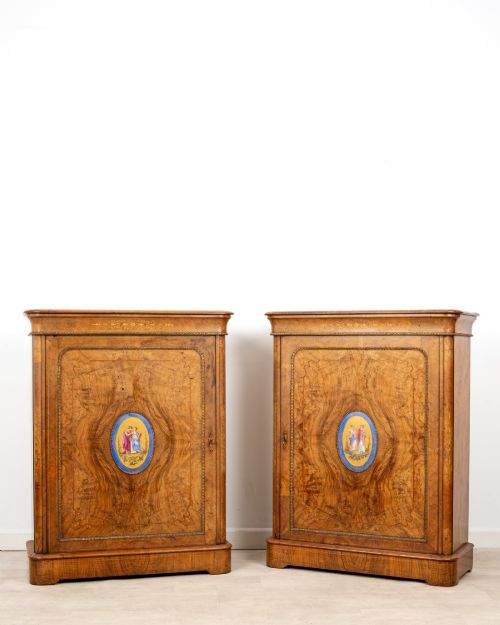
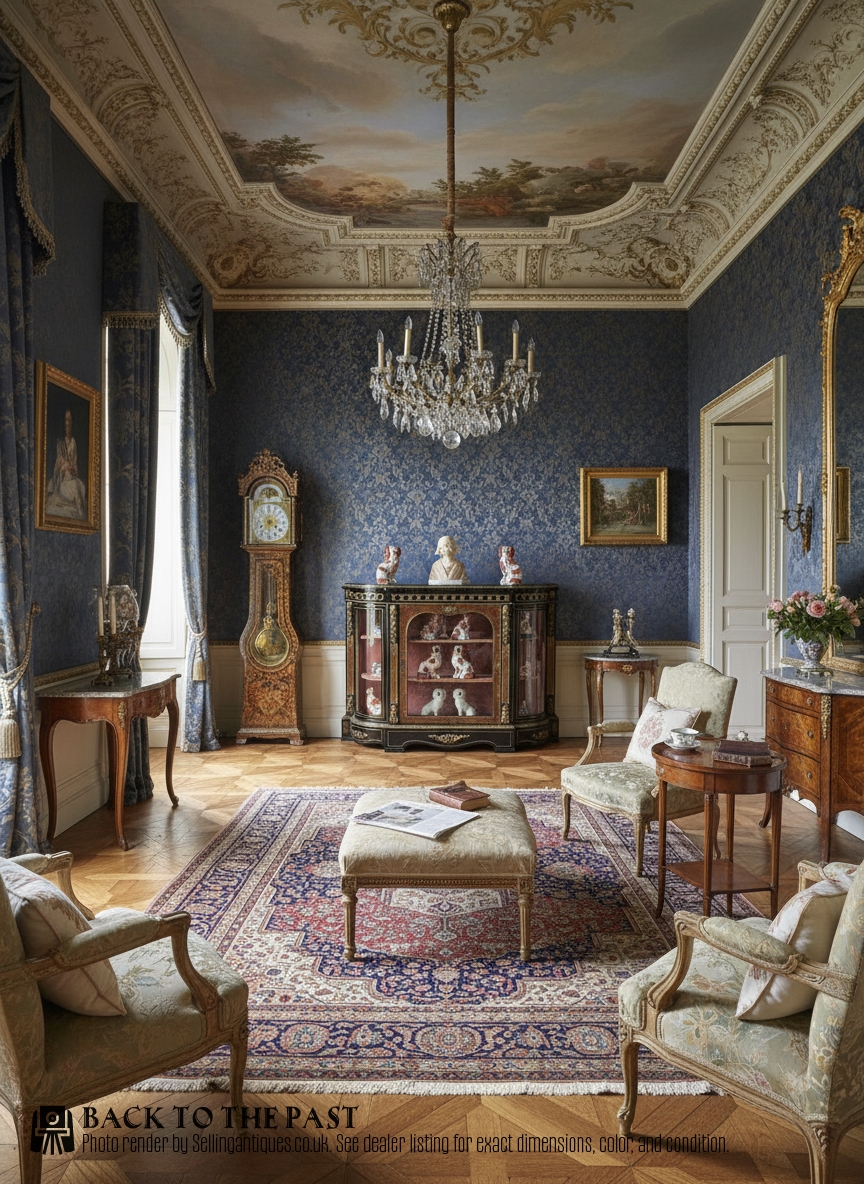
A french antique credenza is a sophisticated cabinet designed for display and storage, often taking the form of side cabinets, pier cabinets, or commodtes. These pieces draw from distinct periods including the nineteenth century, Victorian era, and nineteen-twenty, reflecting the rich heritage of continental cabinet-making.
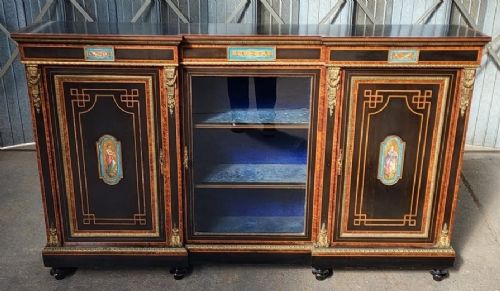
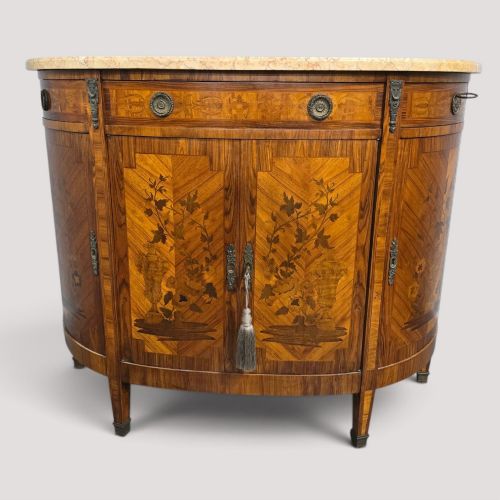
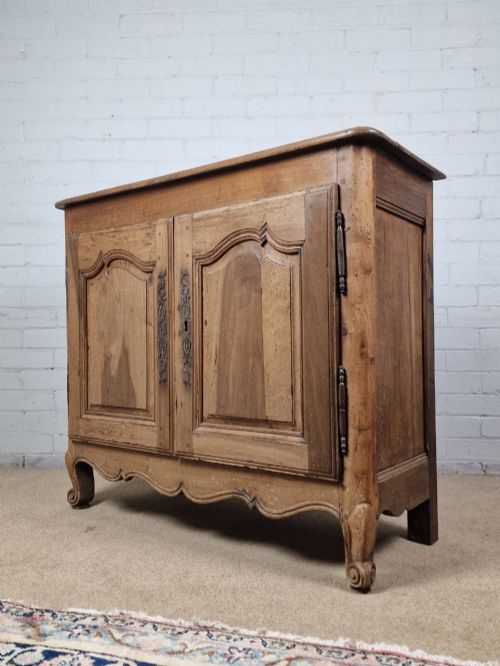
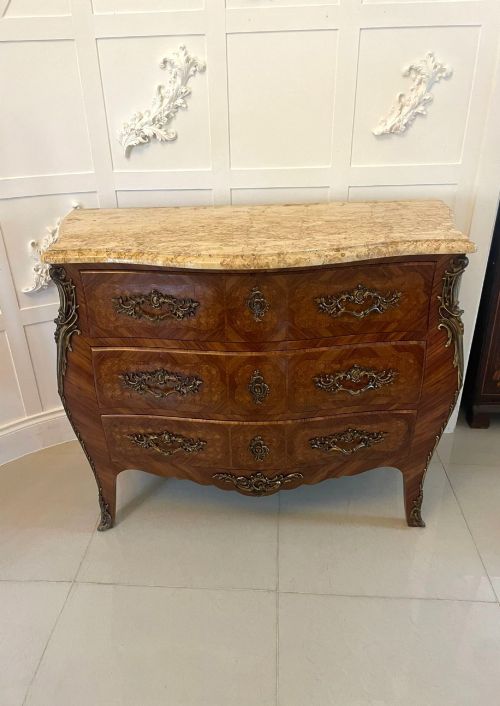
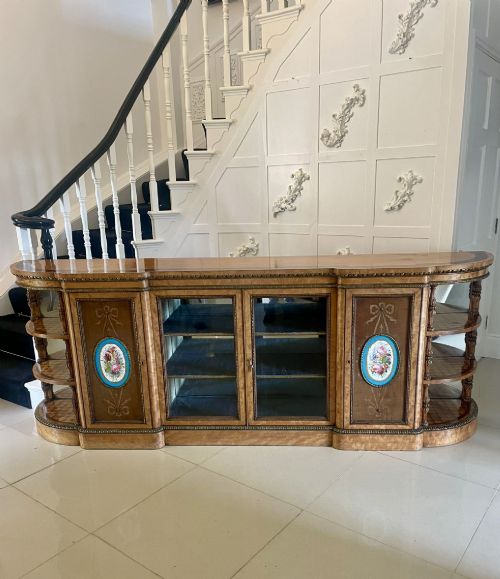
You will frequently encounter striking variations like demi-lune cabinets, serpentine credenzas, and monumental commodes. The selection spans from boulle display cabinets to walnut buffets, each offering a specific silhouette developed for nineteenth-century drawing rooms and salons.
Makers and workshops of the period utilised specific stylistic idioms, notably Napoleon III, Louis XVI, Louis XV revival, and French neoclassicism. These influences dictate the proportion and ornamental scheme of each cabinet you examine.

How they were made
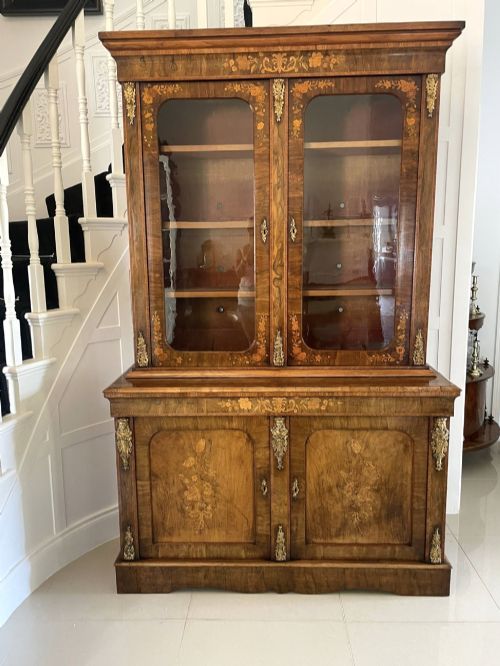
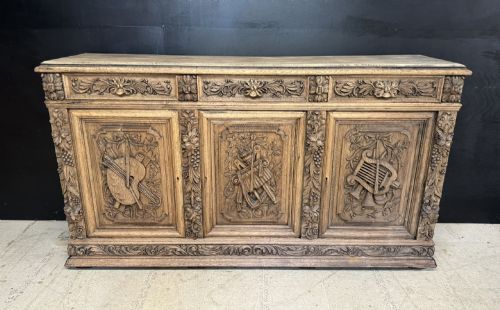
Cabinet-makers built these structures using robust timbers including walnut, kingwood, amboyna, and ebonised wood as a foundation. Surfaces frequently display intricate marquetry inlay, contrasting grain patterns, and painted plaques integrated directly into the wooden carcass.
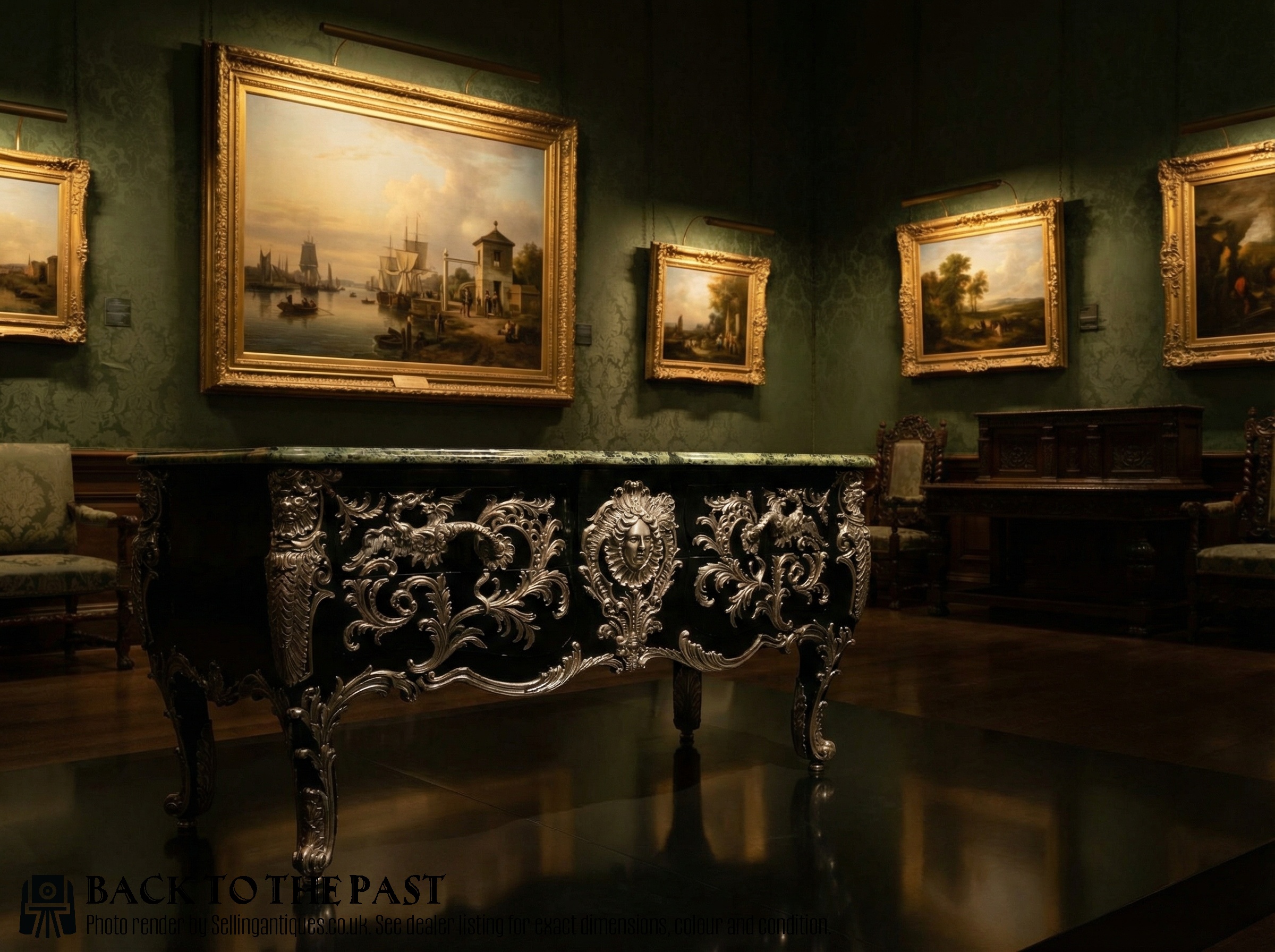
Decoration relies heavily on cast ormolu, brass, and silver mounts that accent structural corners, friezes, and feet. Glazed doors, marble tops, and tortoiseshell details complete the construction, combining joinery with decorative metalwork and stonework.
Retail Price Guide 2026
Typical UK retail prices for french credenza, calculated from the Sellingantiques database of over a million retail prices indexed since 2003. This retail price guide relies exclusively on Sellingantiques data; no external sources or auction records are used, so the figures do not describe the wider market.
Listings feature nineteenth-century pieces alongside items from nineteen-twenty and nineteen-thirty, using materials like ormolu, marble, and tortoiseshell.
What varies in quality
The distinction between tiers rests on the precision of the marquetry and the crispness of the ormolu or brass mounts. Finer examples display deeply chased metalwork and seamless veneer matching across curved serpentine and demi-lune fronts.
Maison Millet, Paris·Gaudreaux
The French Credenza Glossary
- Credenza
- A sideboard or display cabinet traditionally used for serving or showing valued possessions. It usually sits low against a wall with central doors flanked by side compartments.
- Ormolu
- Gilt-bronze ornamentation applied to furniture. This technique involves coating cast bronze with a finely ground gold-mercury amalgam.
- Boulle
- A form of marquetry developed by André-Charles Boulle using brass and tortoiseshell. The materials are cut together to create interlocking contrasting patterns.
- Marquetry
- The art of applying thin veneers of wood and other materials to form decorative patterns and pictures. Craftsmen cut various woods to fit together precisely within the surface.
- Demi-lune
- A half-moon shape used for the footprint and top of specialised cabinets. This curved form allows pieces to fit neatly against drawing room walls.
Frequently Asked Questions
Where did they place credenzas?
These cabinets stood against drawing room and salon walls where they served both decorative and practical functions.
Their surfaces held lamps and ornamental objects while the interior compartments stored dining silver or fine porcelain.
How do I identify periods?
Distinguishing between periods involves examining the structural style and ornamental vocabulary present on the cabinet. Pieces referencing Louis XVI lean toward neoclassical restraint while Napoleon III examples often feature dense boullework and ebonised finishes.
Materials also provide context, as Victorian and late nineteenth-century pieces frequently combine amboyna with elaborate brass mounts.
Can these hold heavy items?
The robust wooden carcasses of walnut, kingwood, and ebonised timber provide substantial structural support for daily use. Marble tops further reinforce the upper surface against weight and wear.
Interior shelving accommodates books and display items securely within the glazed or panelled cabinets.
What maintenance do they need?
Protecting these cabinets requires stable room humidity to prevent timber movement and veneer lifting. Regular dusting with a soft cloth preserves the finish of the wood and the lustre of the metal mounts.
Harsh chemical polishes should be avoided to protect antique varnishes and gilt surfaces.