


French Accent Mirror
A french accent mirror brings lightness and reflected depth to a room through carved giltwood frames and antique glass.
French Accent Mirror
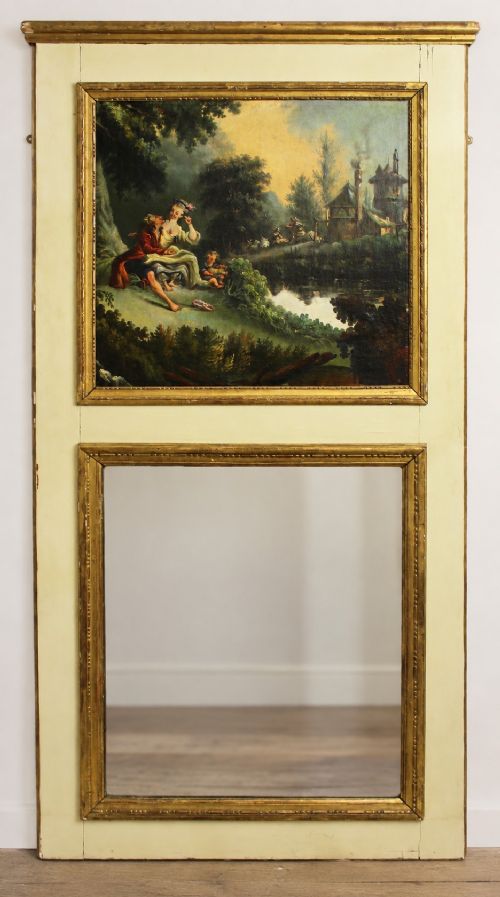
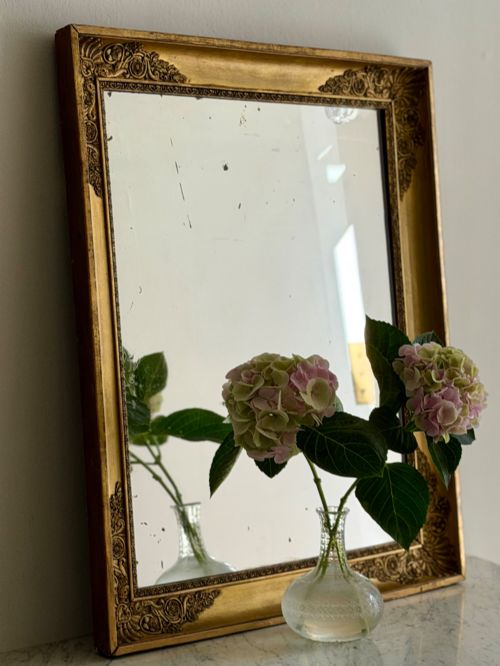
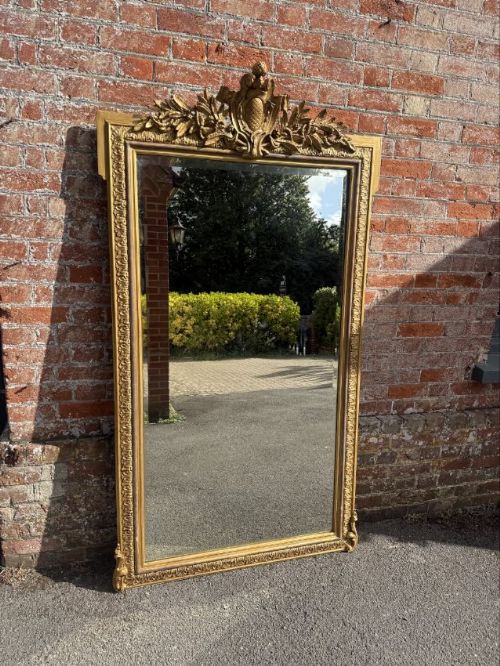
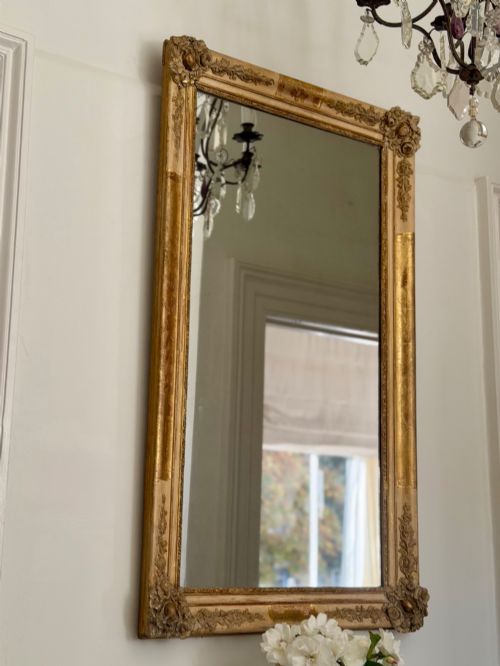
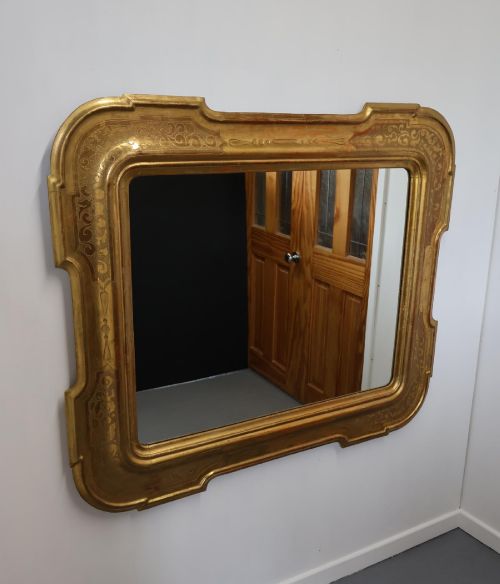
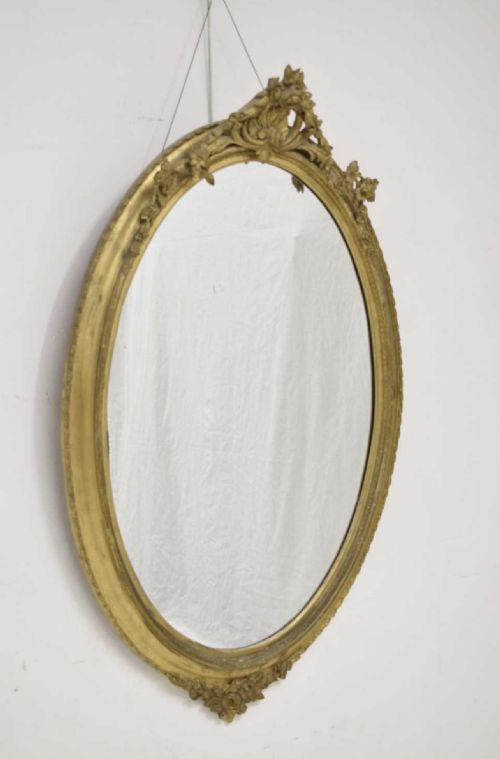
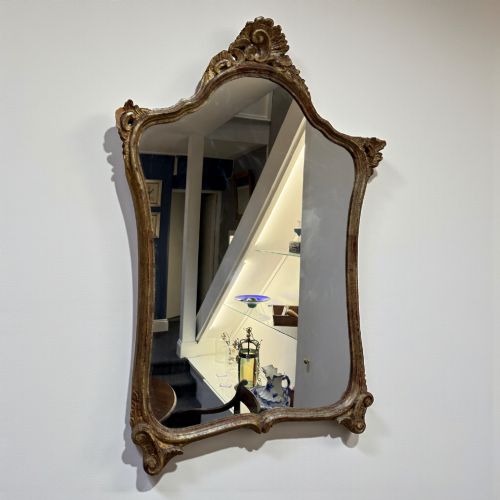
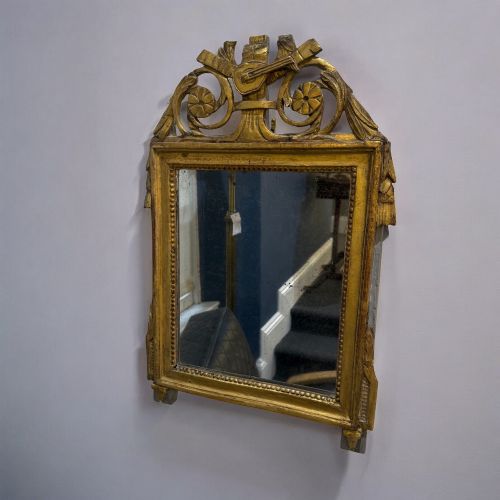
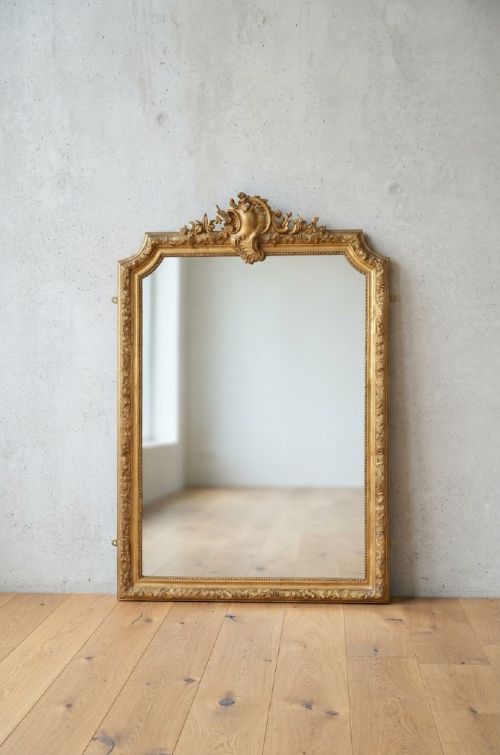
A french accent mirror primarily takes the form of a wall mirror, overmantel, or pier glass designed to catch the light in principal rooms. These pieces emerge from periods spanning the eighteenth century through the nineteenth century, alongside later twentieth-century interpretations.
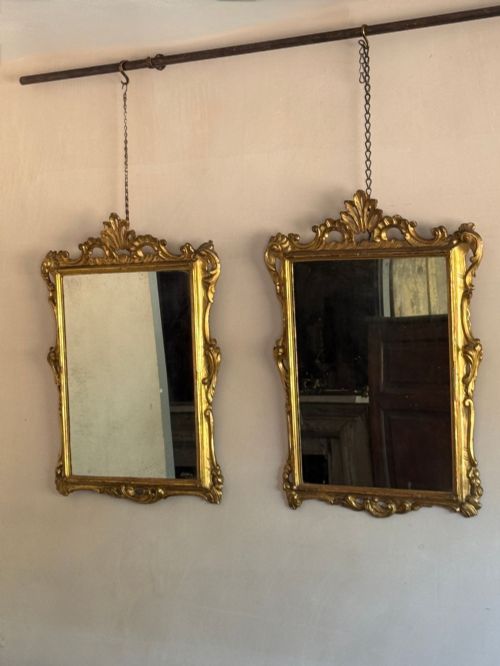
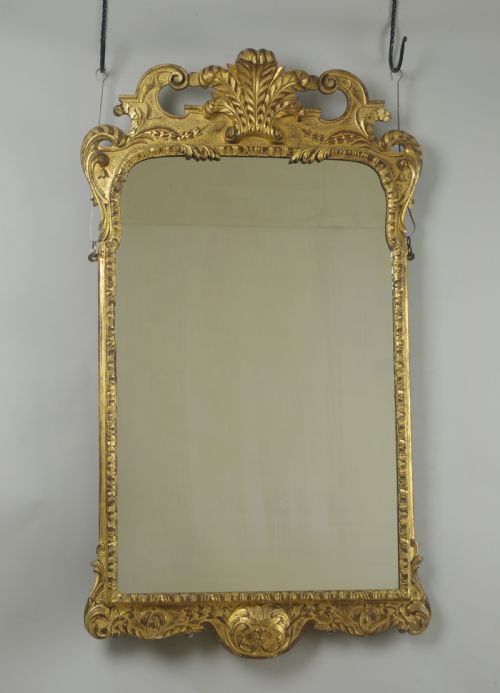
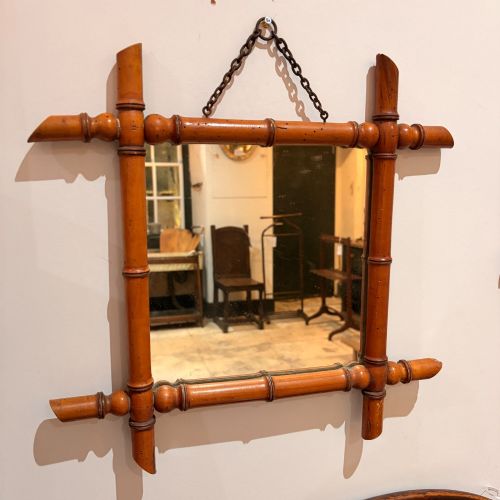
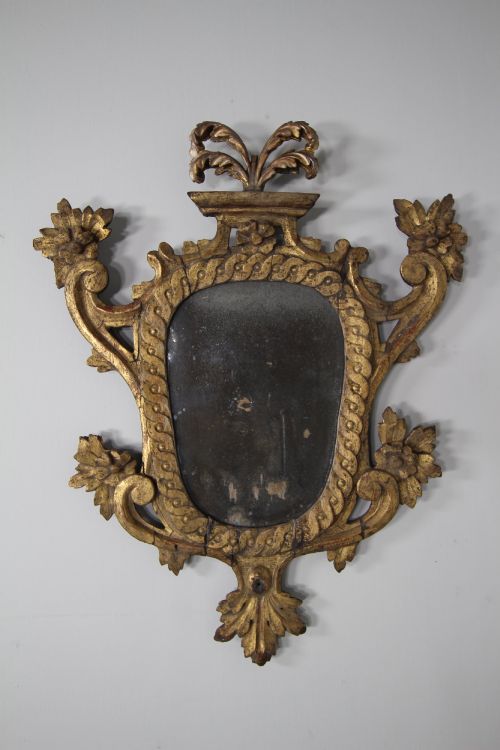
The selections encountered here frequently display Rococo Revival or baroque styles characterised by scrolling foliage, cartouche outlines, and ornate cresting. Smaller examples in faux bamboo or painted finishes also appear, offering varied decorative possibilities for domestic spaces.
Originating largely from continental workshops or British adaptations of continental forms, these mirrors serve both functional and ornamental roles. Buyers select them to anchor a mantelpiece, adorn a hallway, or introduce historical character to contemporary interiors.
Materials and construction methods
Construction relies heavily on carved wood, gesso, and timber frames finished with gold leaf, silver-gilt, or paint. Artisans shaped wooden carcases and applied layers of gesso to build up intricate relief decoration before gilding or painting the surface.
Glass plates include mercury glass and traditional mirror glass secured within the rebates of the frame. Joinery techniques and backing boards reflect the period of manufacture, from eighteenth-century pegged joints to later nineteenth-century assembly methods.
Current listings feature pieces spanning the eighteenth, nineteenth, and early twentieth centuries, incorporating materials such as giltwood, gesso, mercury glass, and ebonised timber.
Determinants of quality
Quality rests in the crispness of the hand-carved detail and the depth of the gesso work beneath the gilding. Superior examples display sharply defined foliate cresting and scrolls without the softening that occurs when moulds obscure hand-finishing.
The integrity of the original mercury or silvered glass plate contributes substantially to the character of the piece. Preservation of the primary frame finish, whether giltwood or ebonised wood, distinguishes finer decorative objects from heavily restored alternatives.
The French Accent Mirror Glossary
- Giltwood
- Wood that has been coated with a thin layer of gold leaf over a prepared gesso ground. This technique provides the luminous finish seen on classical mirror frames.
- Gesso
- A mixture of plaster of Paris and size used to coat wooden frames before carving or gilding. It creates a smooth surface capable of holding intricate relief ornamentation.
- Mercury glass
- A type of double-walled blown glass silvered with a mercury amalgam between the layers. It produces a distinctive mottled reflection characteristic of older mirrors.
- Cartouche
- An ornamental frame or tablet resembling a scroll or rolled-up piece of paper. Mirror frames of this form feature asymmetrical, scrolling outlines.
- Pier glass
- A tall mirror specifically designed to be hung on the pier, the section of wall between two windows. These tall formats maximise available natural light in a room.
French Accent Mirror: Frequently Asked Questions
How do I hang a heavy antique mirror safely?
Heavy carved wood and gesso mirrors require robust wall fixings secured directly into studs or masonry rather than plaster alone. Utilising a heavy-duty mirror cleat or French cleat distributes the weight evenly across the wall.
Consult a professional installer if the frame exceeds normal domestic weights to ensure the hanging wire or brackets bear the load securely.
Can I clean antique mirror glass?
Cleaning requires a soft microfiber cloth and a mild, non-ammonia cleaner applied sparingly to the cloth rather than directly onto the glass. Harsh chemical sprays can seep behind the plate and damage the silvering or mercury backing.
Avoid rubbing vigorous areas where the silvering has already degraded, as old glass surfaces are delicate and easily scratched.
What is the difference between an overmantel and a wall mirror?
Overmantel mirrors are specifically proportioned to sit horizontally above a fireplace mantel, often featuring wider dimensions to match the hearth. Wall mirrors encompass a broader range of vertical, oval, and square formats designed for general room placement.
Both types share similar decorative styles, but their dimensions dictate where they sit within an interior scheme.
How do I identify a Rococo Revival frame?
Rococo Revival frames display asymmetrical scrolling motifs, C-scrolls, shell ornaments, and naturalistic foliate carvings inspired by eighteenth-century French design. These elements create an impression of movement and organic growth around the glass plate.
Nineteenth-century revivals of this style often feature heavy gesso buildup to achieve deep relief work.