
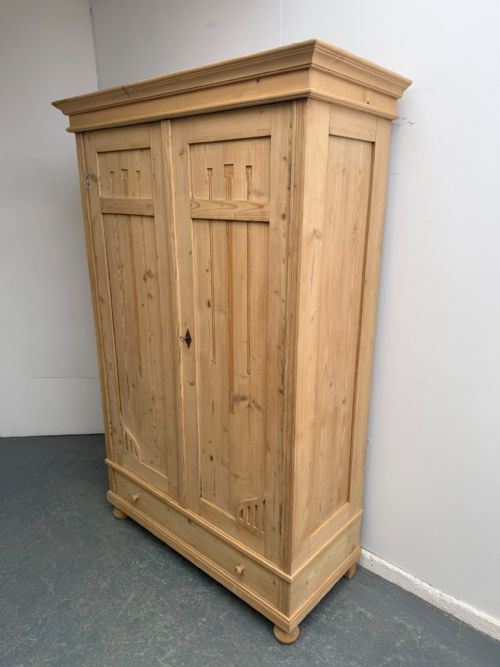

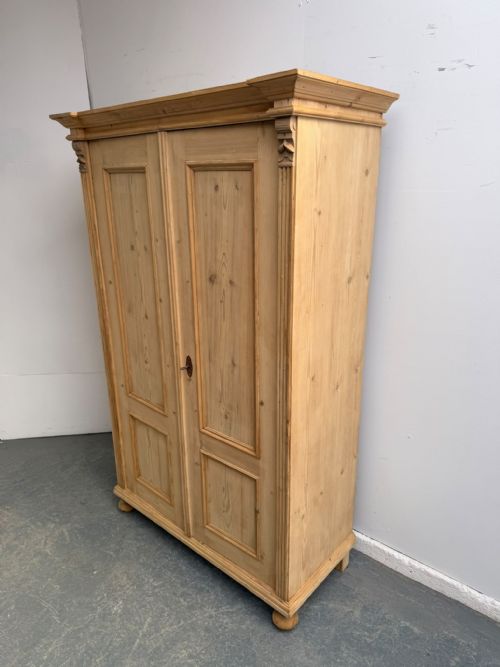
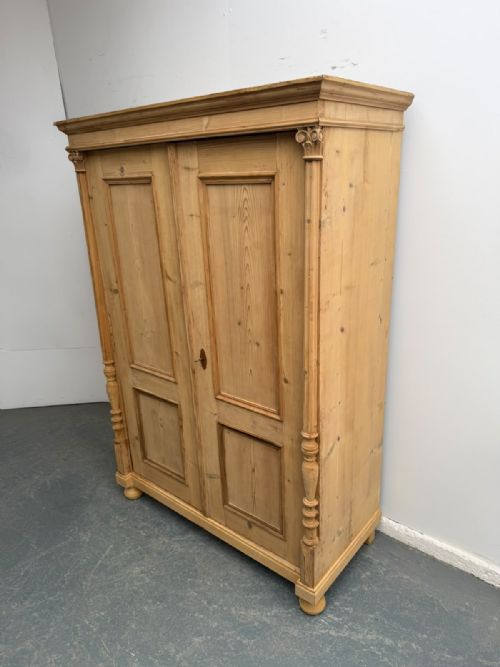
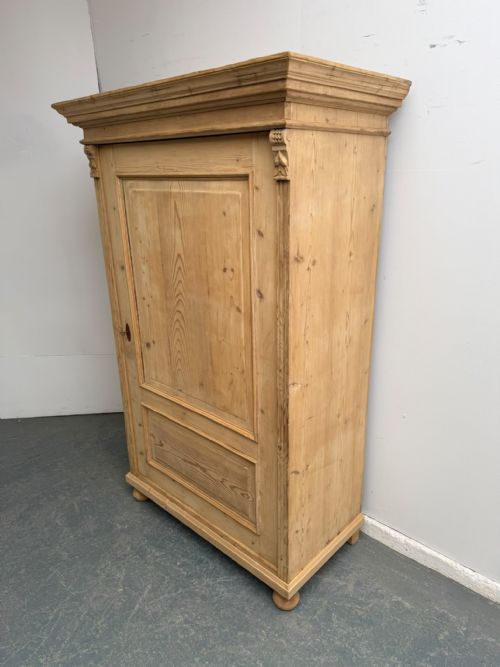
Freestanding Linen Press
A freestanding linen press is a substantial storage piece built to hold household textiles, combining deep cupboards and drawers in unattached timber.
Freestanding Linen Press
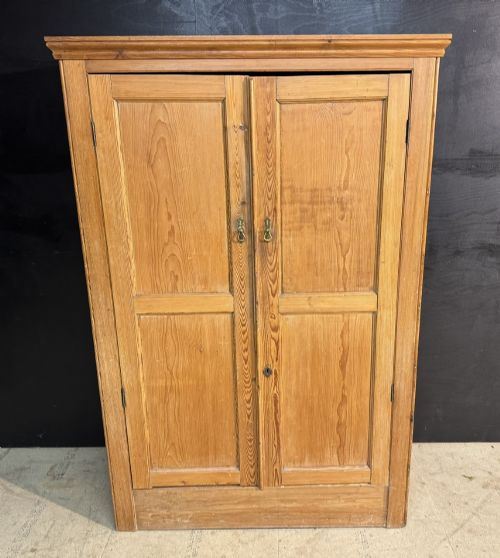
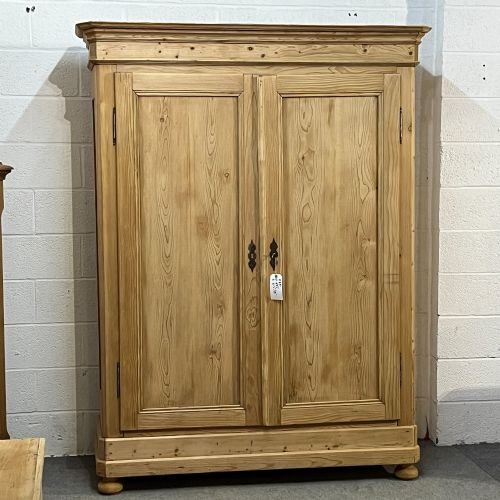
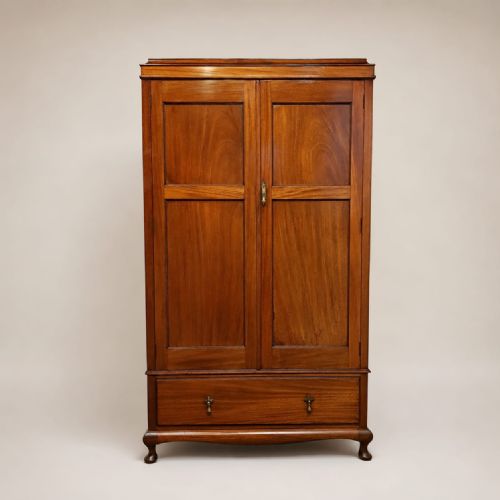
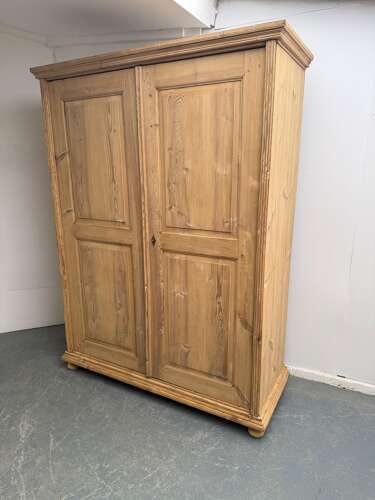
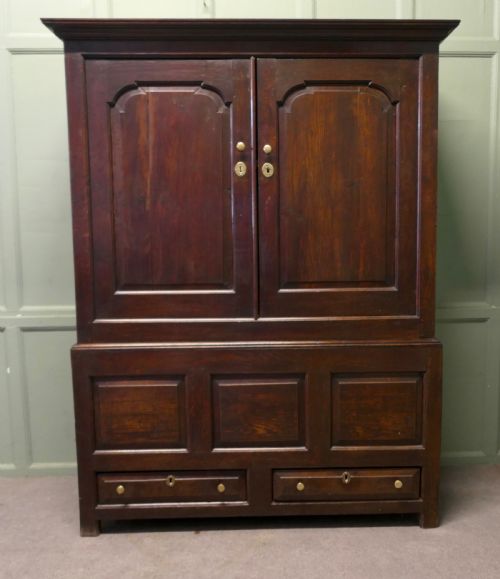
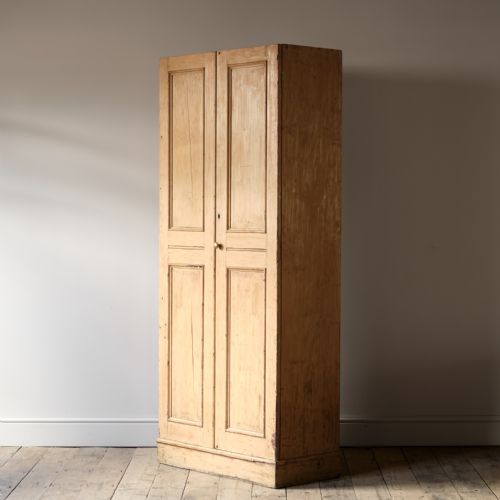
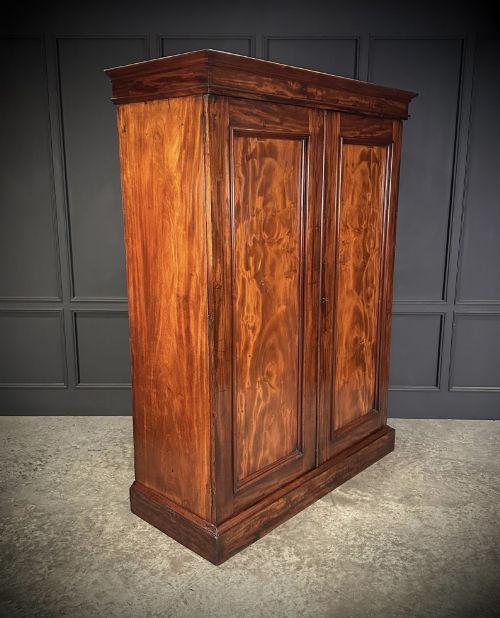
A freestanding linen press brings together utility and presence, serving as the central storage cabinet for textiles in bedrooms, hallways and landings. These pieces appear most frequently in sturdy pine, oak and mahogany across periods spanning the Georgian, Victorian and Edwardian eras.
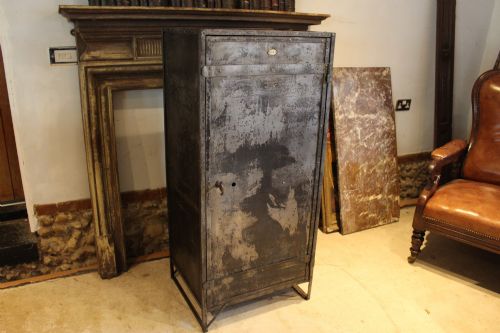
The selection here encompasses tall wardrobes, deep cupboards, and dedicated housekeepers and larder cabinets designed to stand independently against a wall. Many pieces originate from British workshops, though examples from French, Hungarian, Indian and Swedish origins also surface.
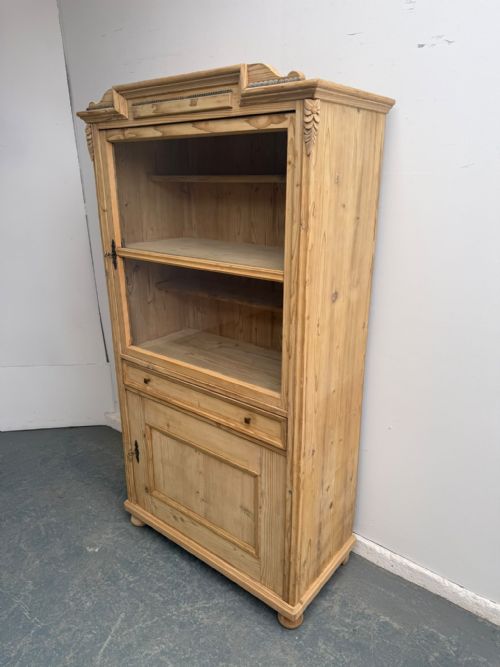
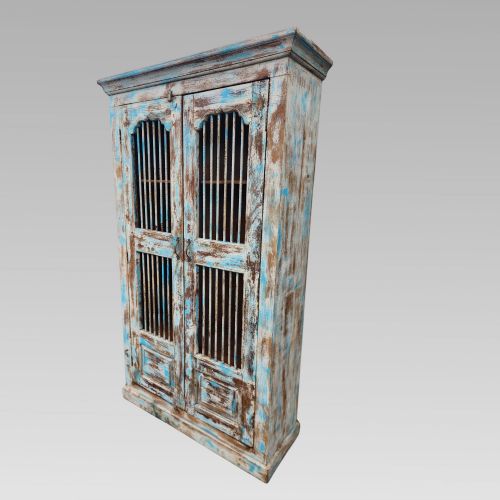
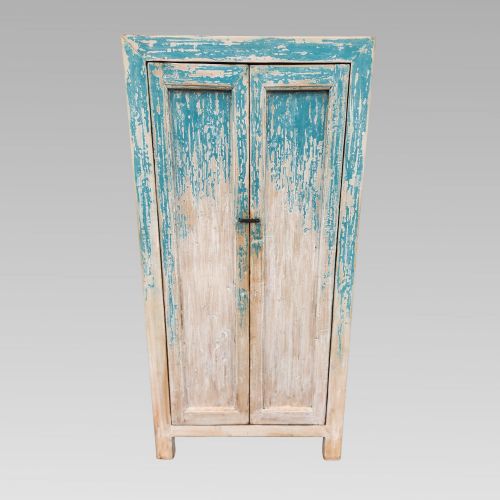
Buyers encounter forms ranging from simple single-door cupboards to massive four-door wardrobes fitted with internal shelving or hanging space. Painted finishes sit alongside waxed natural timber, reflecting both country utility and formal domestic polish.
Materials and construction methods
Cabinet makers relied predominantly on solid pine, oak and mahogany, selecting dense hardwoods for formal rooms and durable softwood for utility cupboards. Construction typically involved panelled doors, pegged joints and robust framing designed to bear the weight of heavy household linen and clothing.
Surface treatments varied from plain waxed finishes that highlighted the natural grain to lead-based and layered paint applied during the Georgian and Victorian periods. Brass and iron hardware, including hinges, drop handles and escutcheons, secured the heavy doors and drawers.
Listings span pine, oak, mahogany and teak, encompassing Georgian, Victorian, Edwardian and early twentieth-century periods.
Distinguishing quality in construction and material
Quality rests in the integrity of the timber selection and the retention of original structural components like backboards, interior shelving and cornices. Superior examples display precise joinery, such as hand-cut dovetails on internal drawer boxes and tightly fitted panel doors that hang true.
The presence of original surface treatments - whether undisturbed old paint or deep period wax - distinguishes untouched examples from pieces stripped or altered later. Original iron or brass hardware also elevates a piece, marking the difference between utilitarian workshop output and finer domestic cabinetry.
The Freestanding Linen Press Glossary
- Linen press
- A tall cupboard or wardrobe specifically designed for storing sheets, tablecloths and garments on interior shelves or sliding trays. These cabinets typically feature enclosed upper sections above drawer bases.
- Housekeeper's cupboard
- A large storage cabinet traditionally kept in large country houses for provisions, china or household linens. They frequently appear in painted pine with multiple doors.
- Fielded panel
- A wooden panel with bevelled edges that fits into a grooved frame, allowing the timber to expand and contract with humidity changes. This technique prevents the wood from splitting.
- Knockdown wardrobe
- A large piece of furniture engineered to be dismantled into sections for ease of transport and assembly in upper rooms. This design was particularly common in heavy Victorian pine pieces.
- Escutcheon
- A flat plate of brass or iron surrounding a keyhole, protecting the surrounding wood from wear and adding decorative detail to the door.
Freestanding Linen Press: Frequently Asked Questions
What is a freestanding linen press used for?
A freestanding linen press provides deep internal storage for household textiles, blankets and clothing without needing to be built into a wall.
Their generous proportions and adjustable shelves make them practical for modern bedrooms, landings and utility rooms needing substantial enclosed storage.
How do I identify a Victorian linen press?
Victorian examples often feature heavier proportions, robust pine or mahogany construction, and distinct details like beaded mouldings or four-door configurations.
They frequently display either original painted finishes or waxed surfaces intended to be maintained over time.
Can these cupboards be dismantled for moving?
Certain larger examples, particularly knockdown wardrobes from the Victorian period, were constructed to be taken apart into separate sections for transport.
Buyers should check the specific build of each piece, as many traditional country cupboards and housekeepers' cabinets are solid, single-piece items.
How should I care for waxed pine furniture?
Waxed pine requires occasional applications of quality beeswax to nourish the timber and maintain a soft, protective sheen against household moisture.
Avoid placing these pieces near direct heat sources or in damp environments to prevent the timber from warping or splitting.