

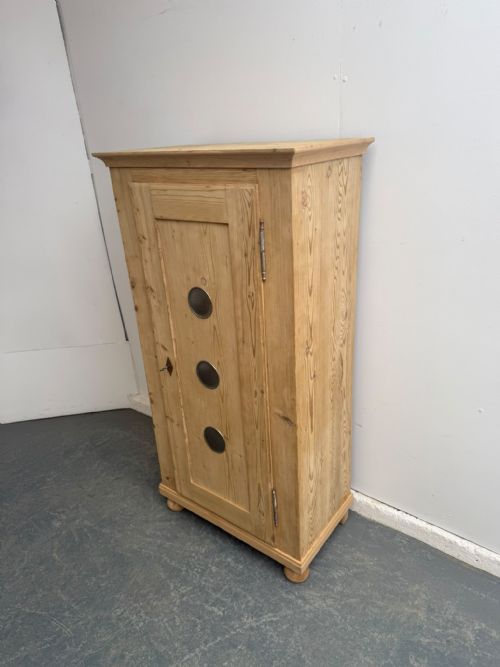


Freestanding Kitchen Larder
A freestanding kitchen larder offers serious storage with period character, giving you a proper pantry where built-in units are missing.
Freestanding Kitchen Larder
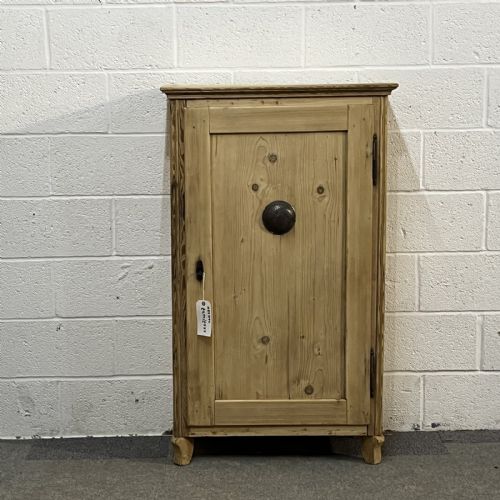
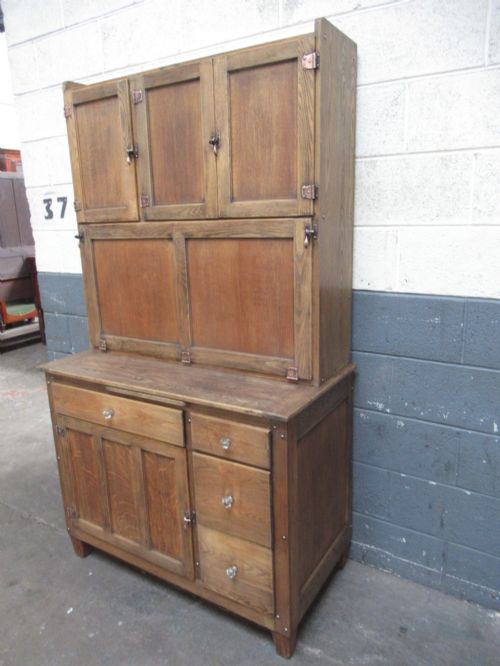
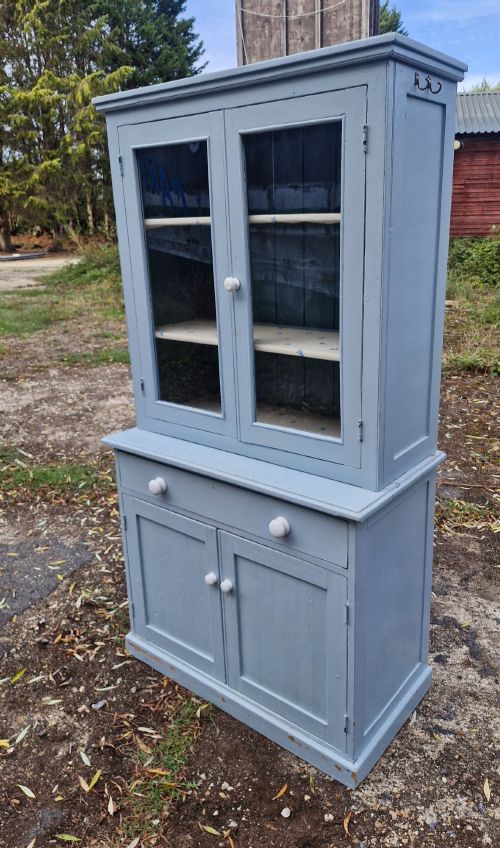
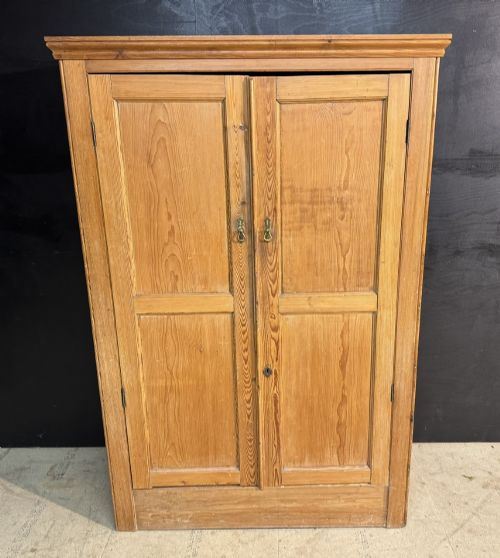
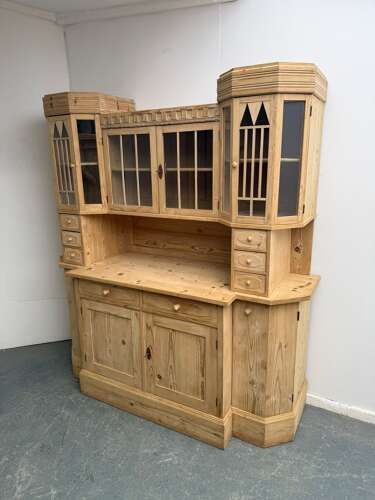
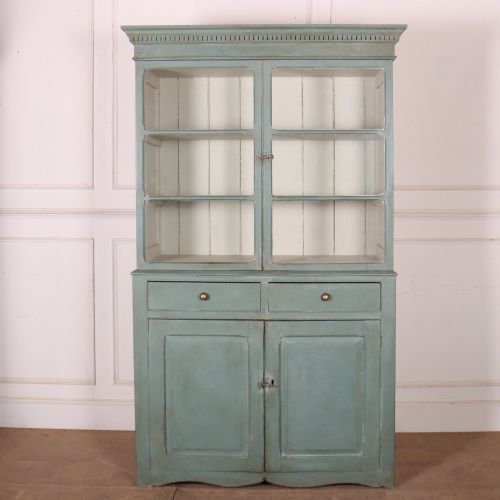
A freestanding kitchen larder provides dedicated food and utensil storage through tall cupboards, dressers, and housekeeper's units originating from periods between the Georgian era and the mid-twentieth century. The selection leans heavily toward nineteenth-century pine examples, including vented cabinets, two-part dressers, and bread and cheese cupboards.
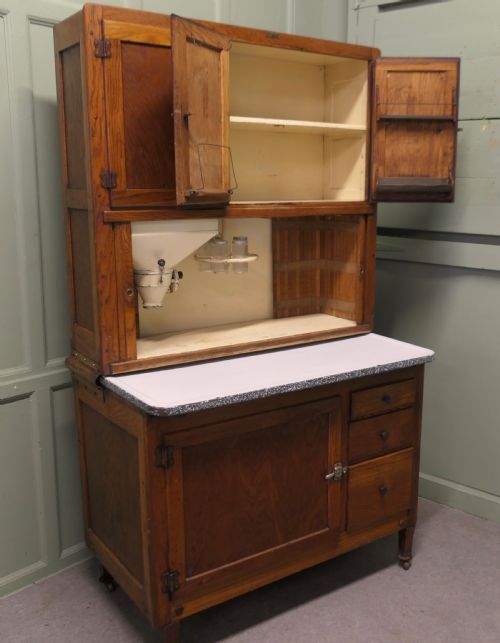
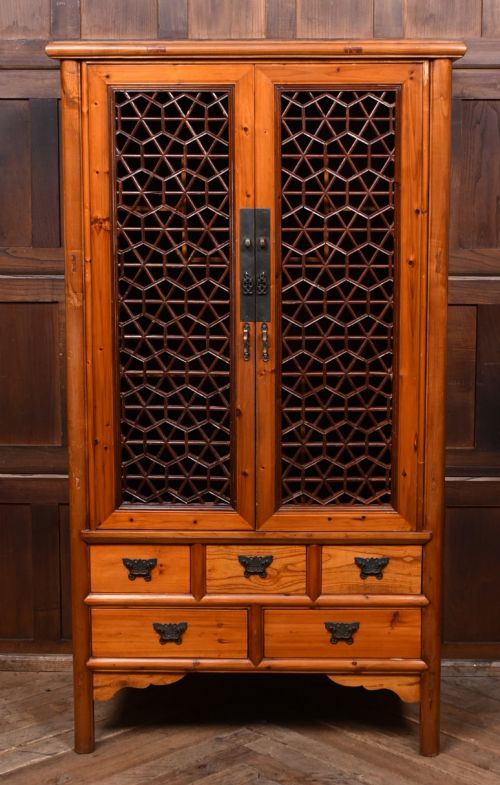
You will encounter regional variations ranging from Scottish and English country pieces to American oak Hoosier cabinets and Japanese larder cupboards. These forms serve as the historic backbone of domestic food storage before fitted kitchens became standard.
How they were made
Makers relied primarily on solid pine and oak for the carcases and shelving, assembling large storage cupboards with traditional joinery to support heavy domestic loads. Iron, brass, and metal hardware such as hinges, latches, and ventilation grilles provide the functional mechanical details.
Surfaces frequently show historical treatments of paint or wax, while specific examples incorporate glass panels in doors or wire mesh for ventilation. These material combinations ensure air circulation for food preservation alongside robust everyday durability.
Freestanding Kitchen Larder Retail Price Guide 2026
Typical asking prices for freestanding kitchen larder among the pieces listed under this phrase on Sellingantiques today, from the lower quarter to the upper quarter. They describe what is for sale here now, not the wider market.
Pine is the dominant material across the nineteenth-century listings, alongside occasional oak, iron, and glass.
What varies in quality
Construction robustness separates utilitarian workshop builds from finer domestic furniture, visible in the thickness of the timber, the snugness of door fits, and the integrity of internal shelving. The presence of original paint finishes or untouched brass and iron furniture alters the character considerably compared to stripped or heavily restored surfaces.
The sophistication of regional vernacular design, from simple country scullery cupboards to elaborate two-part Arts and Crafts dressers or American Hoosier cabinets, defines the upper tier of the selection.
Hudson Bros
The Freestanding Kitchen Larder Glossary
- Vented kitchen cupboard
- A storage unit featuring perforated metal or wire mesh panels designed to circulate air around stored food. This traditional method kept perishables cool before mechanical refrigeration became common.
- Housekeeper's cupboard
- A large, tall storage piece traditionally used in manor houses for linens, dry goods, or provisions. They typically combine deep upper shelving with lower drawers or smaller doors.
- Bread and cheese cupboard
- A regional vernacular storage cabinet traditionally pierced with ventilation holes to store dry provisions safely. These pieces represent specific domestic storage customs of the nineteenth century.
- Two-part dresser
- A storage form built in separate upper and lower sections for ease of transport and installation. The upper half usually displays open shelving or glazed doors, while the lower section provides deep enclosed cupboards.
- Hoosier cabinet
- A freestanding kitchen workstation developed in America that consolidates storage, counter space, and flour sifters into a single unit. Examples often utilise oak and integrate specialised metal hardware.
Freestanding Kitchen Larder: Frequently Asked Questions
How do I use a larder cupboard today?
These tall cupboards work exceptionally well in modern kitchens as a pantry for dry goods, spices, and glassware. Their deep shelving and internal capacity easily replace the function of built-in kitchen pantries.
Position them against a dining room or kitchen wall where extra storage and period presence are needed. The generous proportions accommodate everything from crockery to everyday provisions.
How do I distinguish a housekeeper's cupboard?
Housekeeper's cupboards are generally taller and wider than standard kitchen cabinets, originally designed to hold household linens and bulk provisions. They often feature large panelled doors and substantial internal depth.
Look for sturdy multi-door configurations that suggest heavy domestic service in large nineteenth-century homes. Their scale makes them distinct from smaller scullery or corner cupboards.
Were these painted originally?
Many nineteenth-century pine cupboards were finished with layers of protective paint rather than clear wax. Surviving historic paint finishes provide a tactile record of domestic maintenance over generations.
Some pieces arrive stripped back to bare pine, while others retain traces of old paint or purposeful surface treatments. Both finishes suit different interior schemes depending on your preference for natural wood or colour.
What is a vented kitchen cupboard?
Vented cupboards use perforated metal sheets, zinc, or wire mesh panels in the doors to allow air circulation. This ventilation was essential for keeping bread, cheese, and meats fresh before electric refrigeration.
Examining the mesh or pierced panels reveals whether the ventilation is a period feature. These breathable doors remain practical for storing root vegetables or dry goods in a contemporary kitchen.