

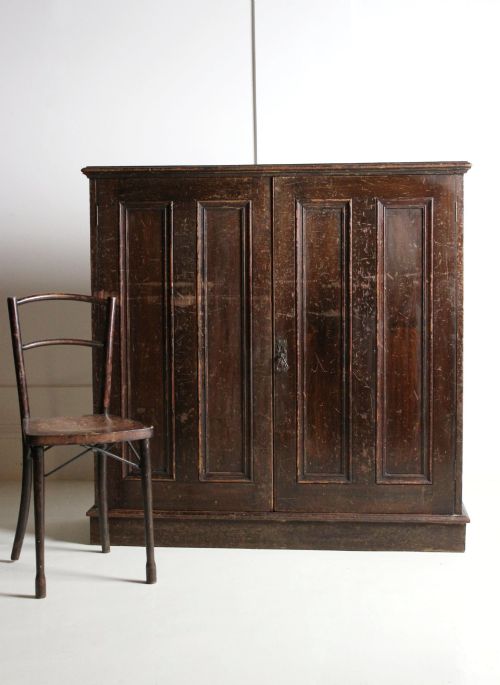
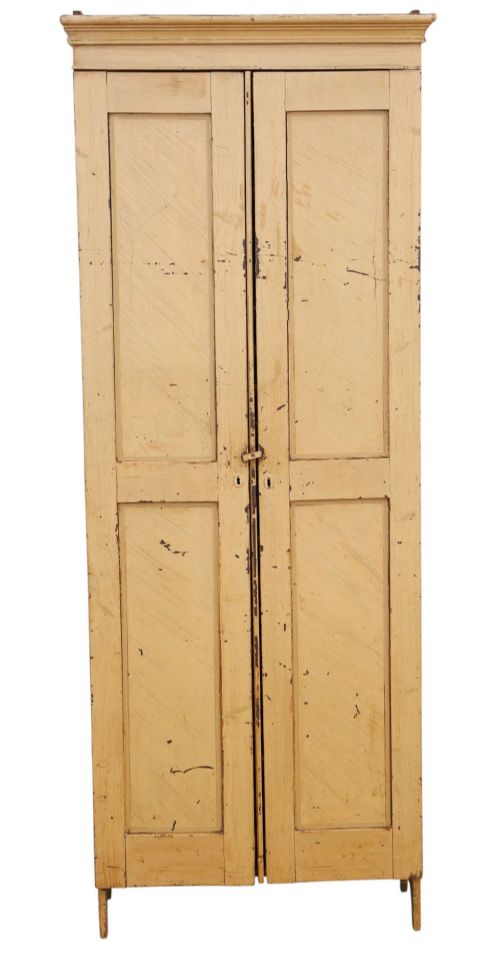
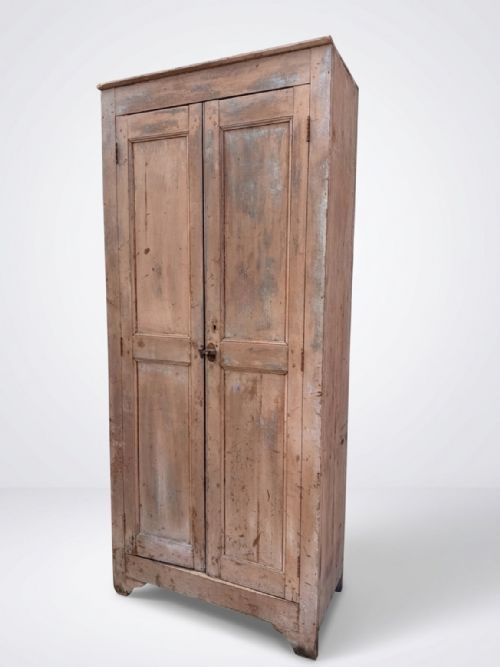
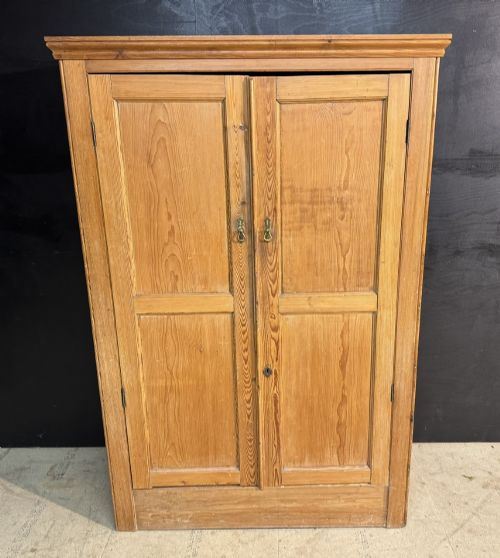


19th Century Pantry Cupboard
A 19th century pantry cupboard is a utilitarian storage piece offering deep shelving and period character for modern kitchen storage.
19th Century Pantry Cupboard
A 19th century pantry cupboard provides substantial storage through tall, narrow, or wide carcases fitted with multiple internal shelves. These utility pieces served rural and urban homes alike for holding dry goods, linen, and food supplies.
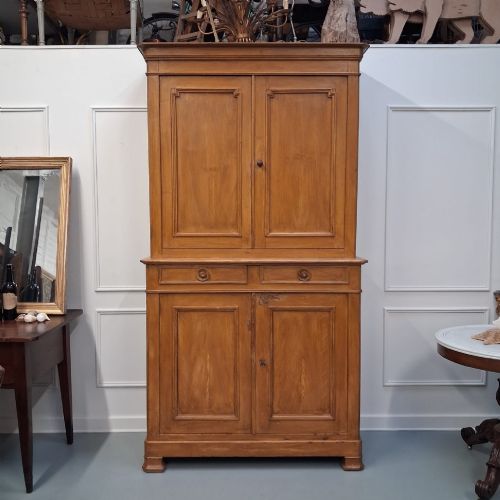
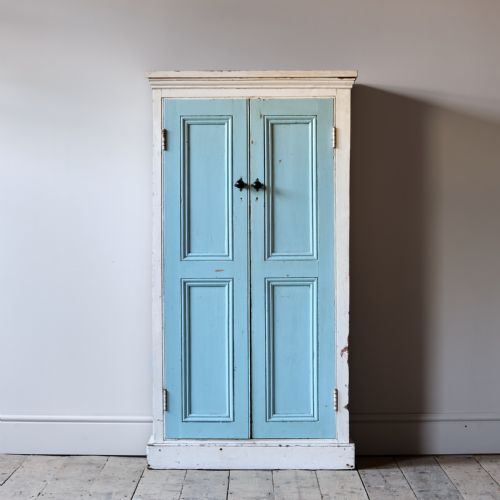
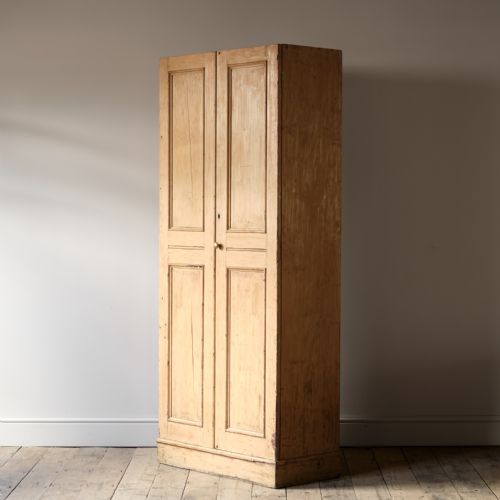
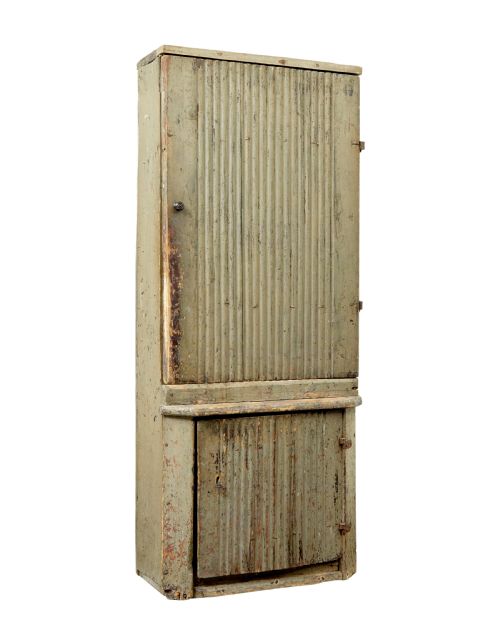
The version most commonly encountered here is the pine larder or housekeeper's cupboard, often carrying its original paint, scumble, or plain wax finish. Forms range from simple single-door cupboards to grand four-door examples and specialised food cupboards.
Regional variations span English, Welsh, French provincial, Scandinavian, and East European workshops, reflecting local vernacular traditions in their proportions and mouldings. Many pieces hail directly from the Victorian era, utilising native softwoods and hardwoods.
Materials and Construction
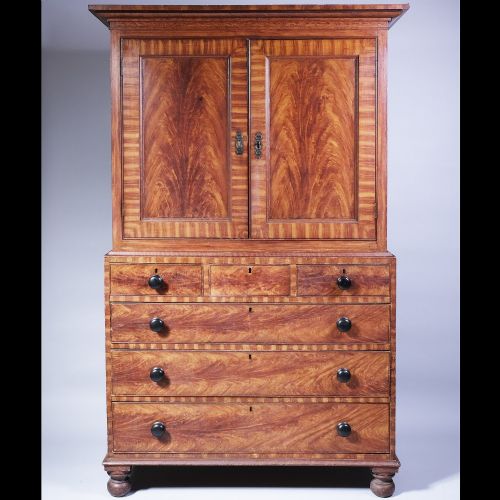
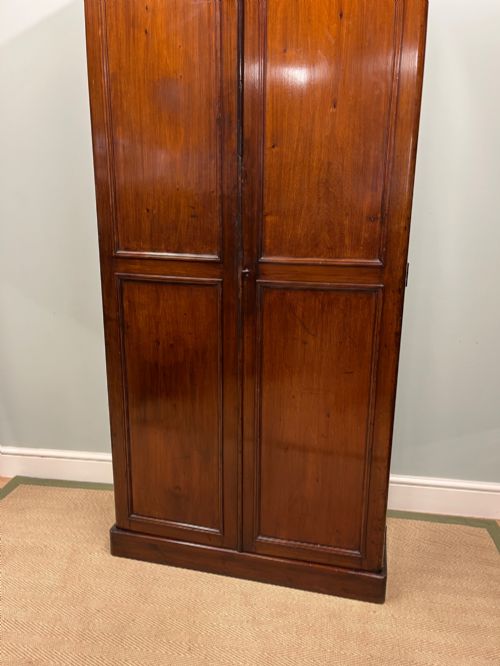
Makers relied primarily on solid pine, oak, mahogany, and teak, constructed with sturdy pegged or nailed joints designed to bear heavy domestic loads. Surfaces were frequently left bare, waxed, or finished with decorative paint, scumble, and hand-painted motifs.
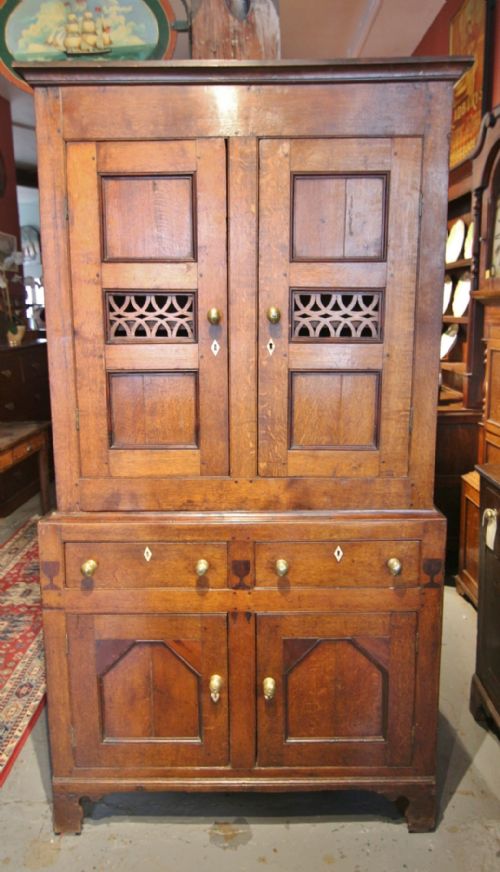
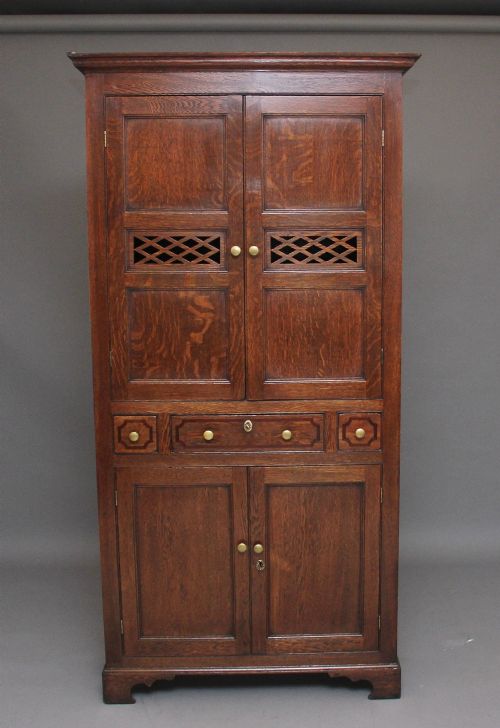
Iron and brass hardware such as strap hinges, latches, and turned wooden knobs secure the heavy panelled doors. Ventilation apertures, carved details, and beadwork occasionally feature on specialised food and larder cupboards to aid air circulation.
19th Century Pantry Cupboard Retail Price Guide 2026
Typical asking prices for 19th century pantry cupboard among the pieces listed under this phrase on Sellingantiques today, from the lower quarter to the upper quarter. They describe what is for sale here now, not the wider market.
Regional styles represented include Welsh vernacular, French provincial, Scandinavian, and East European country traditions.
Assessing Quality in Pantry Cupboards
Quality rests upon the integrity of the original timber and the survival of early or original paint finishes, which distinguish untouched regional pieces from later re-paintings. Well-balanced proportions in tall or narrow formats demonstrate superior vernacular design.
The sophistication of the joinery, from cleanly fitted door panels to original ironwork and brass fittings, separates standard utility furniture from finer workshop productions.
The 19th Century Pantry Cupboard Glossary
- Housekeeper's cupboard
- A large storage piece traditionally used in substantial houses for linens, dry stores, and household goods. These often feature a combination of deep cupboards and lower drawer banks.
- Larder cupboard
- A tall storage unit designed specifically for food preservation, frequently incorporating panelled doors or ventilated sections. They provide deep shelving for provisions.
- Scumble paint
- A translucent decorative glaze dragged or brushed over a base coat to imitate finer grain or create mottled texture. It appears frequently on nineteenth-century country furniture.
- Vernacular furniture
- Domestic pieces made by local tradesmen using regional traditions and native timbers rather than following strict high-style London fashions. These items display distinct local character.
- Bread and cheese cupboard
- A specialised regional food cupboard featuring pierced or louvred panels for air circulation. They allowed perishable provisions to breathe in domestic kitchens.
19th Century Pantry Cupboard: Frequently Asked Questions
What is a 19th century pantry cupboard?
A 19th century pantry cupboard is a tall or low timber storage unit originally built for domestic provisions, kitchen goods, or linens. They use sturdy softwood or hardwood construction to hold heavy supplies.
These pieces provide deep internal shelving behind panelled doors. They serve modern homes as statement storage furniture in kitchens and dining rooms.
How were these cupboards used?
Households utilised these cupboards to store dry foods, bread, cheese, utensils, and household linens away from dust and pests. Specialised food cupboards incorporated ventilation to keep perishables fresh.
Today, they adapt easily to modern pantries or linen closets. Their deep shelves accommodate kitchenware and dry goods efficiently.
How do I identify a Victorian piece?
Victorian pieces often employ solid pine, oak, or mahogany with straightforward panelled construction and traditional wax or painted finishes. Look for vernacular details characteristic of nineteenth-century regional workshops.
Hardware such as iron hinges and brass pulls offers further clues to the period. Original paint surfaces help confirm the age and history of the piece.
How should I live with painted pine?
Painted pine requires gentle cleaning with a soft cloth and mild soap to protect fragile historical paint layers. Avoid harsh modern solvents that can strip original finishes.
Place the cupboard away from direct heat sources and excessive moisture to prevent timber movement. Waxed surfaces benefit from occasional natural beeswax buffing.