




Freestanding Corner Unit
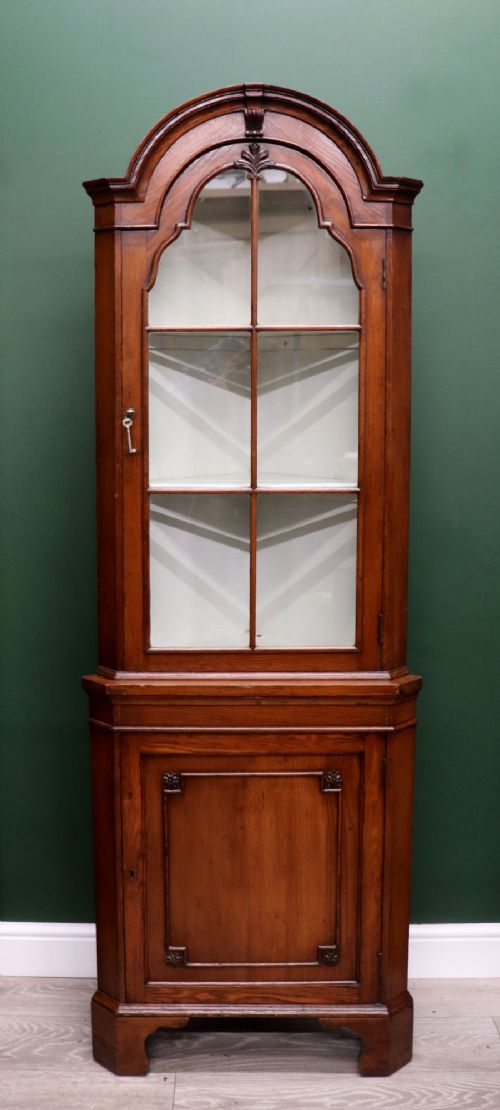
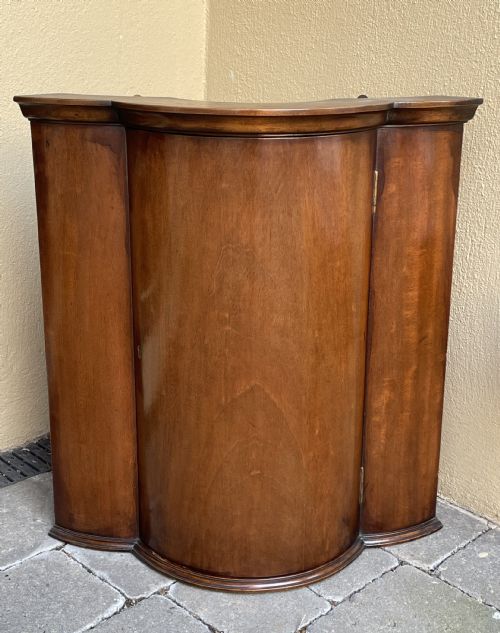
These freestanding corner unit examples make the most of an awkward room angle without the need for wall mounting.
Freestanding Corner Unit
A freestanding corner unit transforms unused room angles into display or storage space by standing directly on the floor. These pieces span centuries of cabinet-making, appearing in domestic interiors from the eighteenth century onwards.
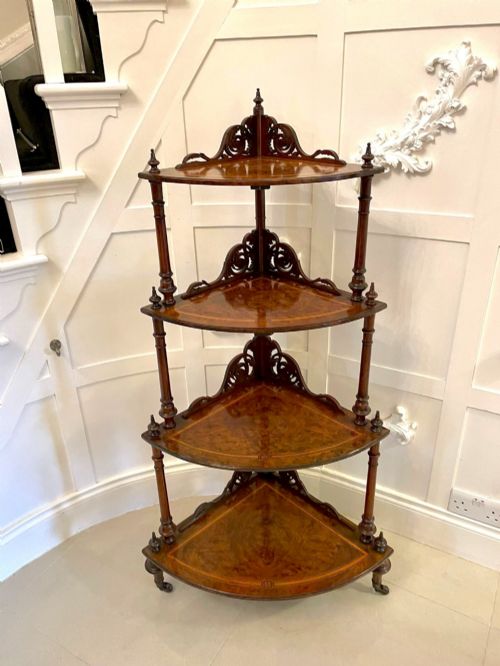
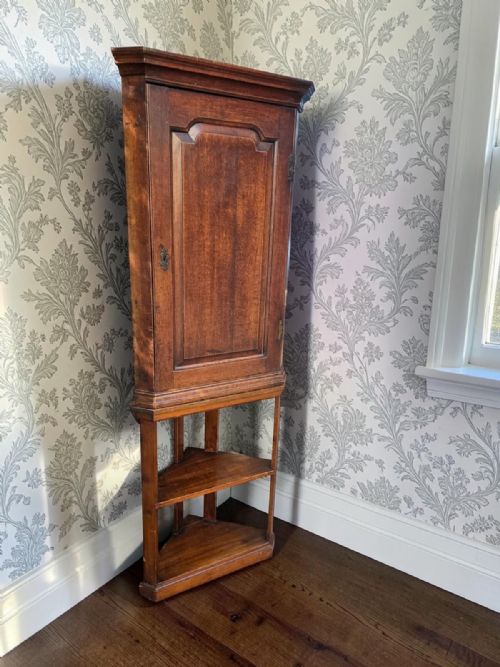
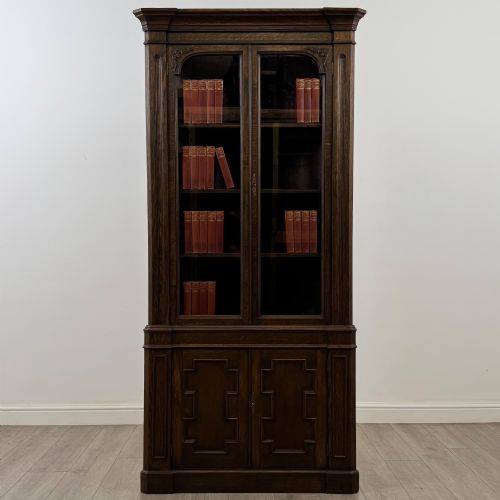
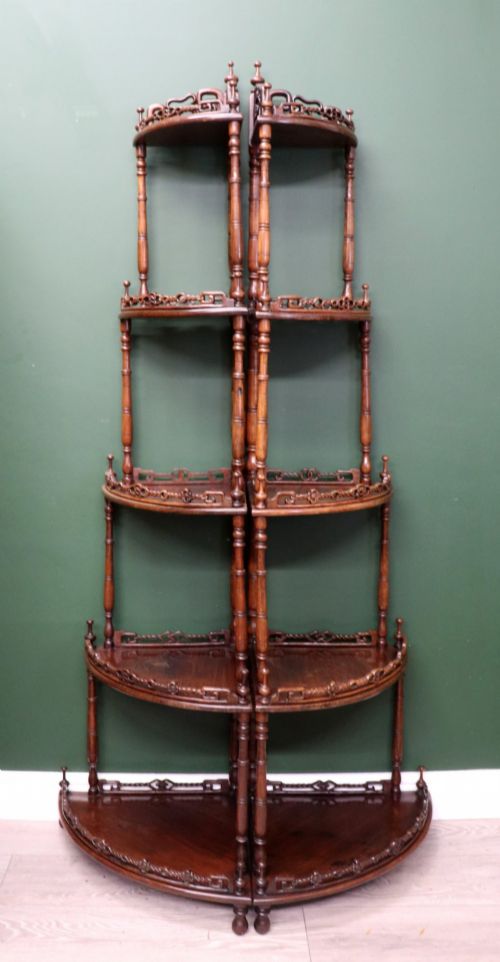
The versions most commonly met on this page include oak and mahogany corner cupboards, alongside open tiered whatnots. They range from tall floor-standing cupboards with multiple doors to lower cabinet designs fitted with shelves.
Originating across Britain, Ireland, Sweden and the Netherlands, these items utilise local timbers native to their respective regions. Makers constructed them specifically to fit tight angles while offering substantial interior capacity.
How they were made
Construction relies heavily on sturdy timbers such as oak, mahogany, walnut and pine, often joined with brass hardware. Artisans shaped these woods into wedge-shaped carcasses designed to sit flush against perpendicular walls.
Surface decoration varies from plain polished grains to intricate marquetry and inlaid details. Some pieces feature glass panelling or carved wooden elements, particularly those attributed to Victorian and Edwardian periods.
What varies in quality
The grade of timber dictates much of the standard, with burr walnut and figured mahogany sitting at the upper end of cabinet-making. Simple pine utilitarian versions contrast with exhibition pieces featuring elaborate carving and marquetry.
Joinery and hardware execution distinguish standard workshop output from finer examples. Well-fitted doors, original brass hinges and balanced proportions indicate superior craftsmanship across eighteenth and nineteenth-century pieces.
The Freestanding Corner Unit Glossary
- Whatnot
- A set of open shelves supported by pillars, used for displaying ornaments and books. These tier-based pieces stand freely in room corners.
- Marquetry
- Decorative patterns formed by inserting pieces of wood into a veneer. This technique appears on cabinet doors and surfaces to create floral or geometric designs.
- Bow front
- A convex curved cabinet front that projects outward. This shape softens the angular geometry typical of corner furniture.
- Carcass
- The main structural body or frame of a cabinet without doors or fittings. It provides the foundational support for shelving and stands.
Freestanding Corner Unit: Frequently Asked Questions
How do I clean a wooden corner cabinet?
Dust the exterior regularly with a soft, dry cloth to prevent dirt accumulation on the polish. Apply appropriate wood wax periodically to nourish the timber grain.
Avoid placing these units in direct sunlight or near heat sources to prevent the wood from warping or cracking. Gentle maintenance preserves the original finish of the antique surfaces.
Can corner units fit modern rooms?
These pieces utilise empty room junctions that often remain blank in contemporary interiors. They provide practical storage or display space without obstructing main walkways.
Matching the period timber tone to existing furniture helps integrate the piece into a modern layout. Their compact footprint makes them suitable for smaller apartments and traditional homes alike.
What is a whatnot used for?
A whatnot serves as an open tier structure designed to hold decorative objects, ceramics and books. The multiple shelves allow items to be seen from various angles.
Unlike enclosed cupboards, these open stands prioritize display over hidden storage. They function well in drawing rooms and reception spaces.
How do I date a corner cupboard?
Examine the timber species, construction joints and hardware style to determine the likely era of manufacture. Eighteenth-century pieces often display panelled oak construction, while Victorian examples frequently utilise mahogany or burr walnut.
Secondary woods used on the interior backs and drawer linings also offer clues to the origin date. Secondary inspection of hinges and fixings helps confirm the period.