
Framed Wooden Wall Picture
A framed wooden wall picture brings depth and character to a room, offering enduring craftsmanship through historic woodwork and mounted imagery.

Framed Wooden Wall Picture
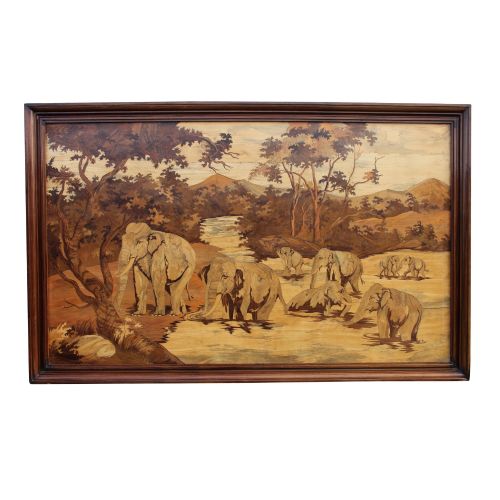
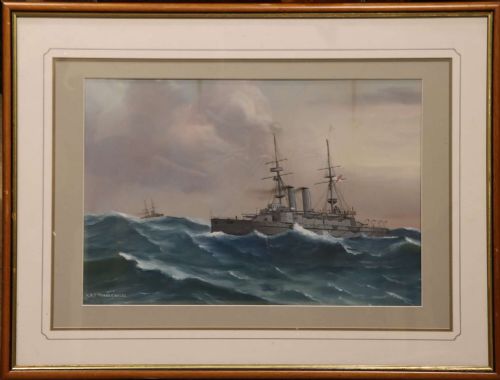
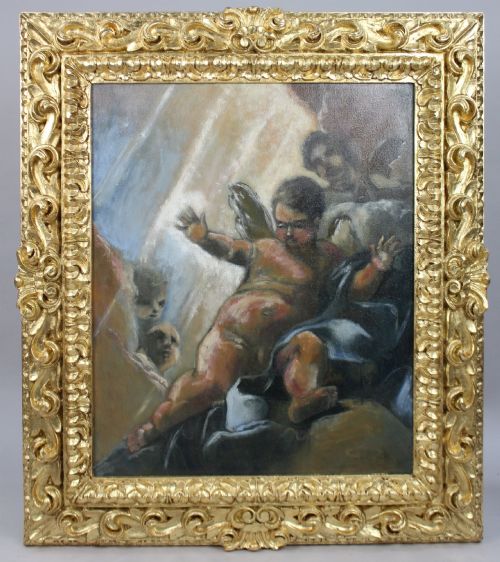
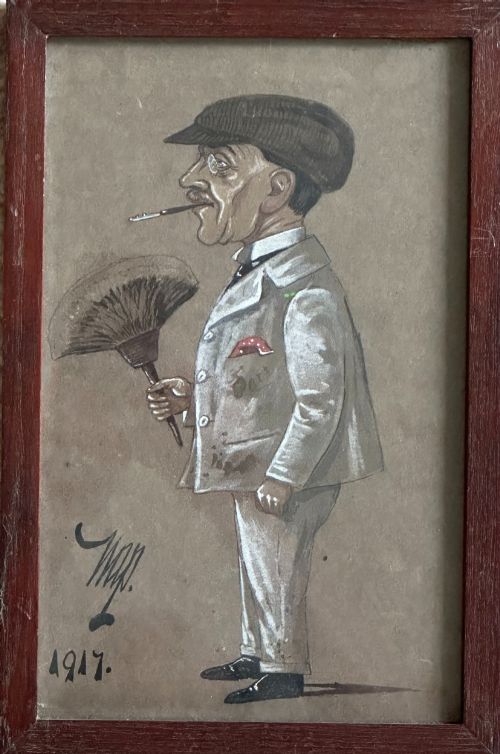
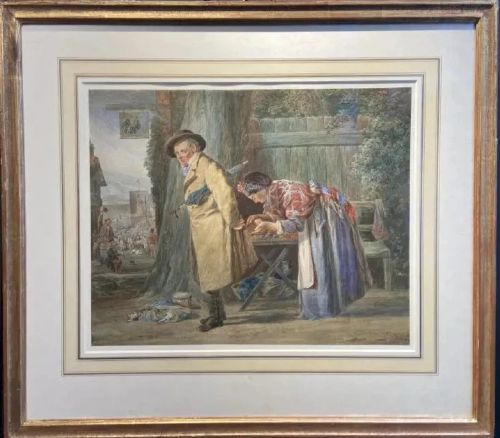
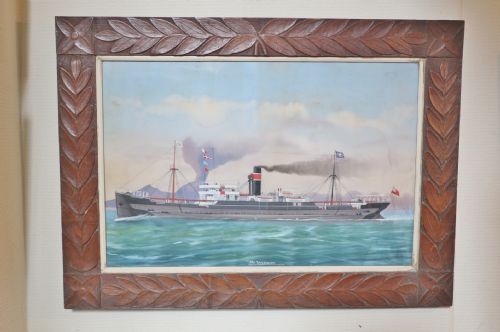
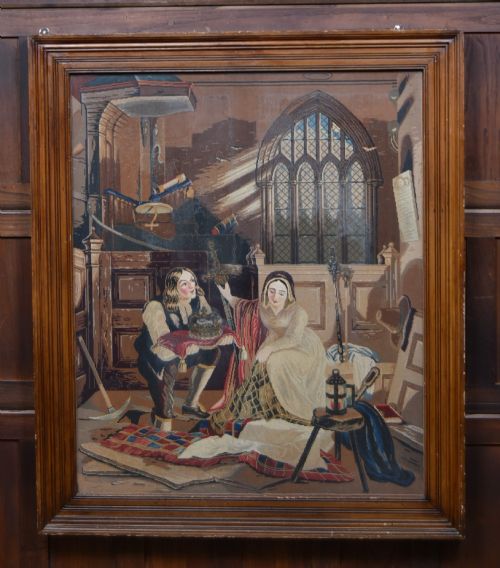
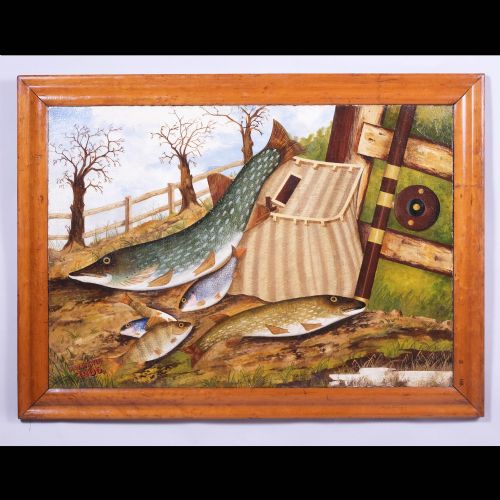
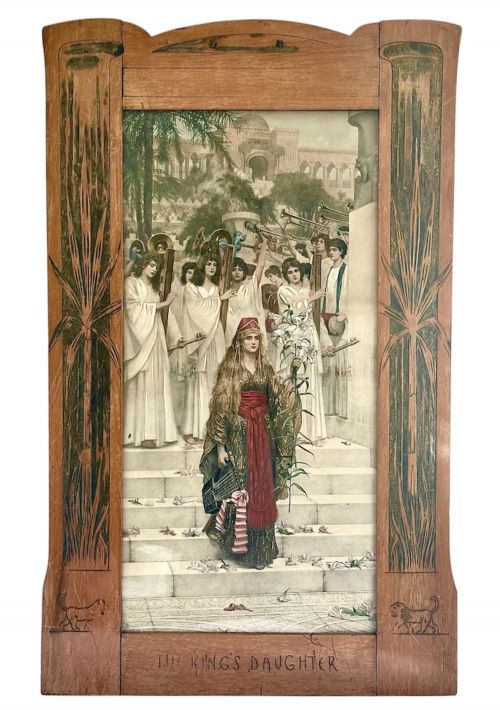
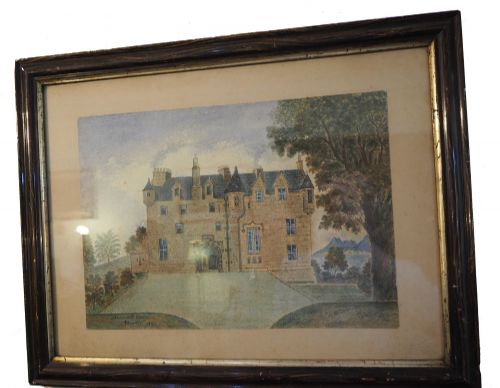
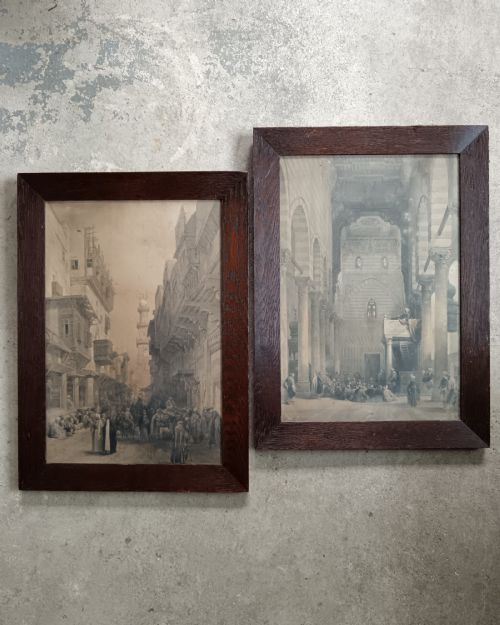
A framed wooden wall picture combines historic timber surrounds with diverse imagery, ranging from maritime oils and watercolours to marquetry panels and intricate tapestries. When searching for a framed wooden wall picture, buyers encounter mediums executed on wood, canvas, paper and card, enclosed within period frames.
The selections span centuries, incorporating Victorian watercolours, Edwardian maritime scenes, mid-century paintings and detailed inlaid woodwork from international workshops. Most pieces reflect traditional domestic or formal wall display, serving as focal points within a room through their distinct combination of support and subject.
How they were made
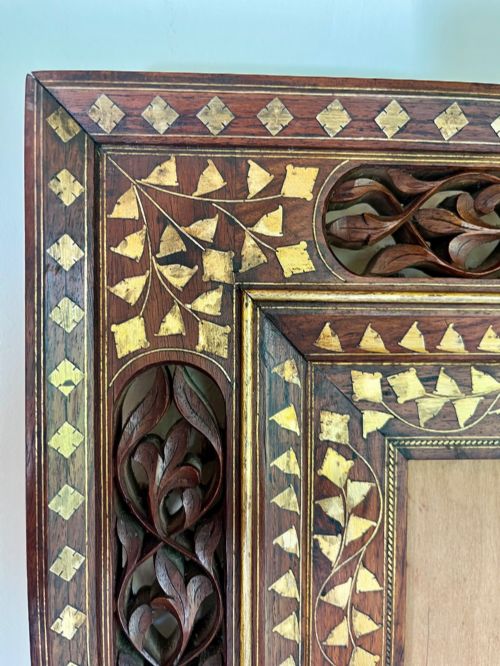
The construction relies heavily on timber for structural support and framing, paired with glass to protect fragile works on paper, gouache, watercolour and canvas. Artisans utilised oil paint, pastel, lithography and embroidery, mounting panels and canvases within hand-carved giltwood, maple or inlaid wooden borders.
Techniques range from traditional joinery and marquetry inlay on panels to detailed brushwork on wood and canvas, often complemented by protective glass glazing. The integration of painted surfaces with specialised wooden frames demonstrates period craftsmanship across regional British, European and international workshops.
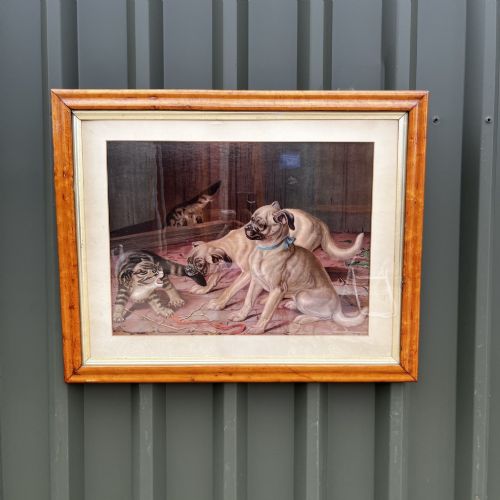
Canine subjects make a charming appearance, captured through both detailed Victorian printmaking and unique cut silhouettes.
What varies in quality
Quality rests in the harmony between the framed artwork and its housing, where precision in joinery and depth of carving elevate the piece. Superior examples display refined hand-painting, well-preserved canvas or paper mediums, and original timber frames that complement the internal composition.
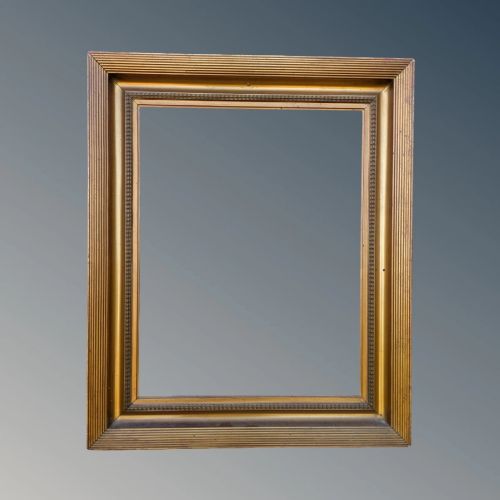
Materials also dictate distinction, separating standard mouldings from finely executed marquetry panels, carved giltwood or intricate mirror frames. The integrity of the underlying medium, whether oil on canvas or delicate watercolour, determines the overall standard of the surviving work.
John Hassall·Joseph H Barnes·Herbert Gustave Schmaltz·Horatio Henry Couldrey·Louis Haghe·F.J. Snell·Hubert Wellington·John Rattenbury Skeaping·William Lee Hankey·Gustave De Bréanski·Gertrude Halsband·William Williams·Edwin Hughes
The Framed Wooden Wall Picture Glossary
- Marquetry
- The art of applying pieces of veneer to a structure to form decorative patterns. This technique frequently appears in detailed panels and decorative wall plaques.
- Gouache
- An opaque method of watercolour painting featuring heavier pigments bound in water-soluble gum. It yields vibrant colours on paper and card supports.
- Chromolithograph
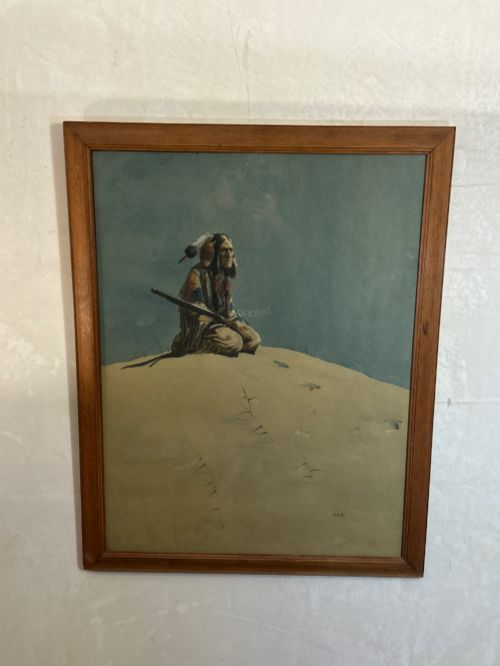
- A multicoloured print produced through lithographic stones. This technique allowed Victorian publishers to replicate paintings with striking fidelity.
- Photogravure
- A printmaking process that produces photographic images from an etched plate. It captures subtle tonal variations found in early portraiture and artistic studies.
- Giltwood
- Timber that has been coated with a thin layer of gold leaf or gilt powder. It forms the decorative surface of ornate Victorian and Italian frames.
Framed Wooden Wall Picture: Frequently Asked Questions
How do I date a wooden picture frame?
Dating relies on observing the joinery, timber type and decorative motifs present in the woodwork. Elements such as hand-carved giltwood or specific regional inlays often align with distinct stylistic periods.
Examining the backboards, fixings and any historical labels helps confirm the manufacturing era and whether the frame remains original to the artwork.
Were these pieces designed solely for home display?
These works served primarily as interior wall decoration for domestic parlours, galleries and institutional spaces. Maritime scenes, landscapes and portraits reflected the personal tastes and social standing of period owners.
Smaller formats and miniature watercolours were often grouped together or placed in intimate rooms, while grander oil paintings commanded central positions in larger reception spaces.
How should I care for antique painted wood?
Protecting these items involves maintaining stable room temperatures and avoiding direct sunlight, which can fade watercolours, oils and delicate paper mediums. Keeping the timber and glass clean preserves the surrounding woodwork.
Occasional light dusting with a dry, soft cloth is sufficient for the frames, avoiding chemical polishes that might damage historic finishes.
What distinguishes an oil painting from a watercolour?
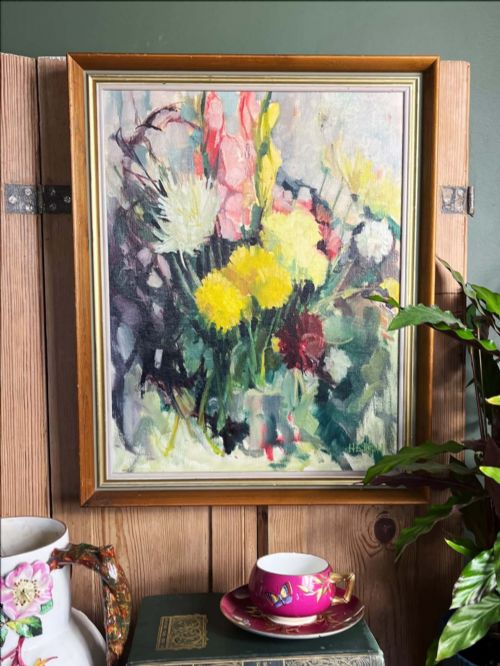
Oil paintings utilise pigments bound in drying oils applied to canvas or wood panels, resulting in textured surfaces and rich colour depths. Watercolours employ water-soluble pigments on paper or card, offering a translucent and luminous quality.
Watercolours require protective glass glazing, whereas oil paintings on canvas or board are typically displayed open or within supportive frames without glass.