
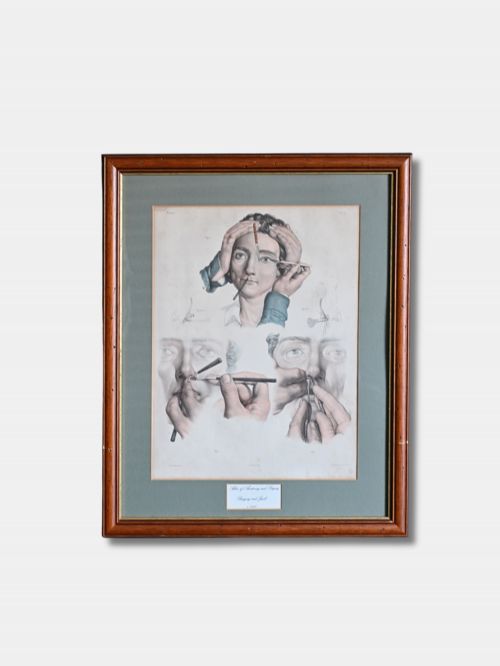


Framed Wood Lithograph
A framed wood lithograph brings period imagery to your walls, pairing graphic ink work with traditional timber framing.
Framed Wood Lithograph
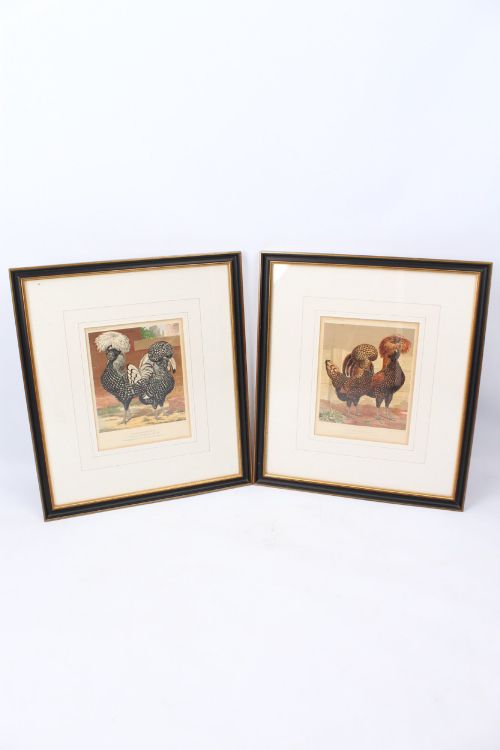
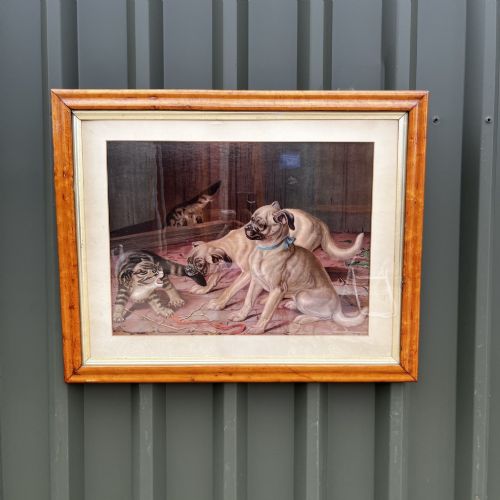
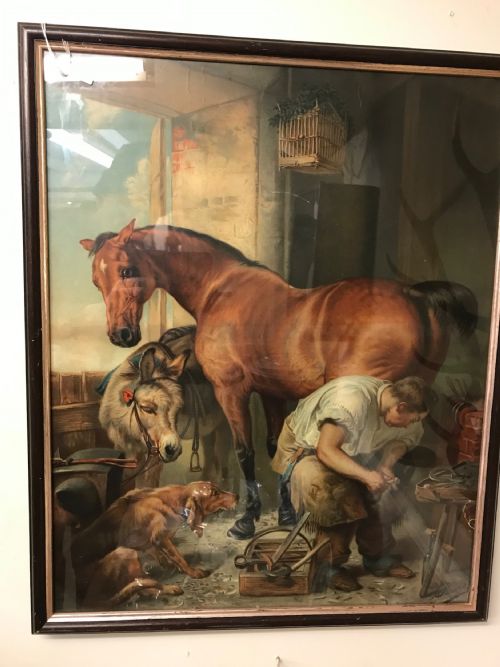
When you search for framed wood lithograph, you encounter a selection of paper prints housed behind glass within wooden frames, spanning eras from the mid-nineteenth century through the early twentieth century. The inventory on this page encompasses Victorian and Edwardian works, including French and British examples, alongside sporting scenes, botanical subjects, architectural plans, and satirical character studies.
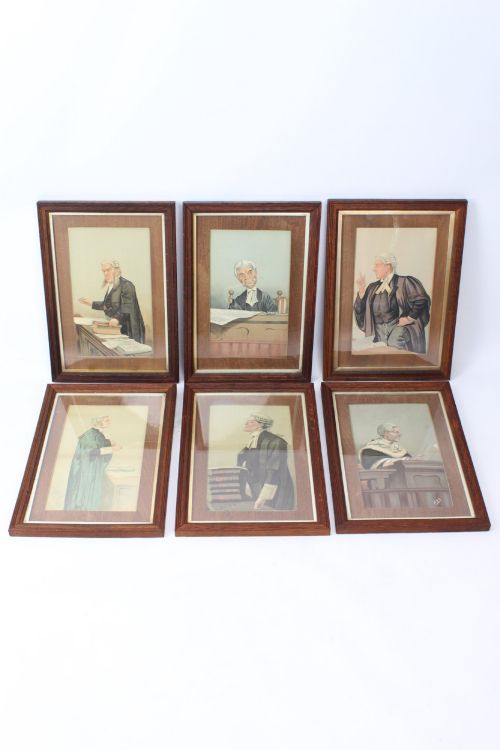
The objects take the form of wall art and framed prints, representing various publishing formats such as magazine supplements, advertising posters, and individual folio plates. You find single sheets alongside sets of prints, ranging from Vanity Fair caricatures to architectural lithographs and hand-coloured medical subjects.
Origins stretch across Britain, France, and America, capturing distinct visual movements from folk art to realism and orientalism. These pieces offer a direct window into historical visual culture, preserved in frames made of oak, ebonised wood, and gilded mouldings.
How they were made
The primary visual medium involves ink applied via lithographic stones or plates onto paper or card, sometimes enhanced with hand-colouring. Printers built up rich tonal gradations and vibrant palettes, occasionally producing chromolithographs with multiple ink layers for enhanced colour depth.
Enclosing these works required substantial timber frames, utilising oak, ebonised wood, and surfaces finished with gold leaf. Glazing protected the delicate paper surfaces from atmospheric moisture and handling, while backing boards of card secured the prints within the rebate.
Listings feature works by notable nineteenth-century artists including Landseer, Alken, and Couldrey, presented in period wood and gold leaf frames.
What varies in quality
Quality rests upon the crispness of the lithographic registration and the fidelity of the printed line, which determines whether fine details in portraits or architectural plans remain sharp. The depth of colour saturation and the preservation of original paper tones also distinguish finer plates from standard commercial runs.
The construction of the surrounding frame contributes heavily to the overall character, with solid oak or finely gilded mouldings providing greater distinction than plain secondary timber. Intact period framing and clear artist signatures or publisher details elevate the standing of an individual piece.
Horatio Henry Couldrey·Edwin Henry Landseer·Victor Adam·R.P. Phillimore·William Powell Frith·Sir Muirhead Bone·H. Alken·Otto Pilny
The Framed Wood Lithograph Glossary
- Lithograph
- A print produced by drawing an image on limestone or a metal plate with a greasy medium, which accepts ink and transfers it to paper under pressure. This planographic technique allowed for rapid reproduction of detailed illustrations during the nineteenth century.
- Chromolithograph
- A multi-coloured print produced using several lithographic stones, each applying a different coloured ink to the paper. This method created rich, painterly images without requiring individual hand-colouring.
- Ebonised wood
- Timber treated with a dark stain or chemical finish to imitate costly ebony wood. It was commonly utilised for nineteenth-century picture frames to provide a stark, elegant contrast against gilt liners and pale paper.
- Gold leaf
- Extremely thin sheets of beaten gold applied to wooden frames or mouldings using an adhesive size. It provides a luminous, reflective border that enhances the artwork contained within.
- Vanity Fair print
- A satirical portrait published as a coloured lithograph in the British weekly magazine Vanity Fair between 1869 and 1914. These character studies often featured prominent public figures of the era.
Framed Wood Lithograph: Frequently Asked Questions
What periods do these prints cover?
The selection spans from the mid-nineteenth century through the Edwardian era, encompassing Victorian works alongside pieces dated around 1850, 1880, 1890, 1900, 1910, and 1920.
These dates reflect both the original publication years of the prints and the prevailing aesthetic movements recorded across the current listings.
How were these framed pieces displayed originally?
Many of these prints originated as periodical plates, advertising posters, or folio series before receiving custom framing in period timber mouldings. Owners hung them in domestic parlours, offices, and libraries to display sporting scenes, portraits, or architectural studies.
The inclusion of glass and backing card helped preserve the paper surfaces from dust and direct handling in busy nineteenth-century interiors.
Are these prints originals from the period?
The inventory consists of period lithographs, chromolithographs, and engravings printed during the nineteenth and early twentieth centuries rather than modern reproductions. Publishers produced these items for books, magazines, maps, and independent art portfolios.
Evidence of age appears in the texture of the paper, the ink application methods, and the traditional construction of the surrounding wooden frames.
How should I care for antique framed prints?
Protect these pieces by hanging them away from direct sunlight, which can fade coloured inks and yellow the paper over time. Maintaining a stable room temperature prevents warping in the wooden frames and protects the paper from moisture damage.
Dust the frames gently with a dry cloth and avoid applying liquid cleaners directly to the wood, glass, or exposed paper edges.