




Framed Wood Carvings
These framed wood carvings bring together centuries of skilled handwork, presenting sculptural relief and architectural detail bound behind glass or within dedicated surrounds.
Framed Wood Carvings
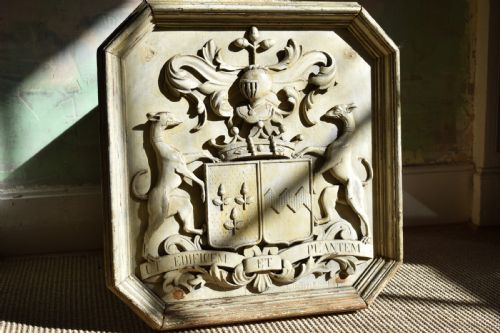
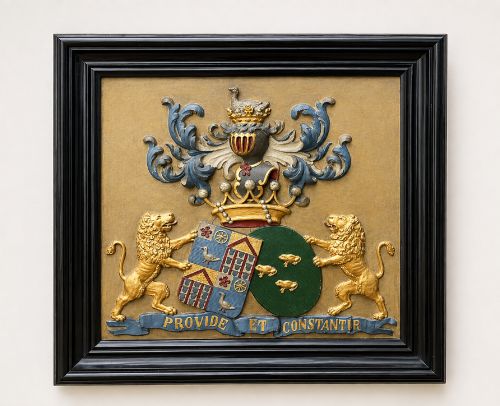
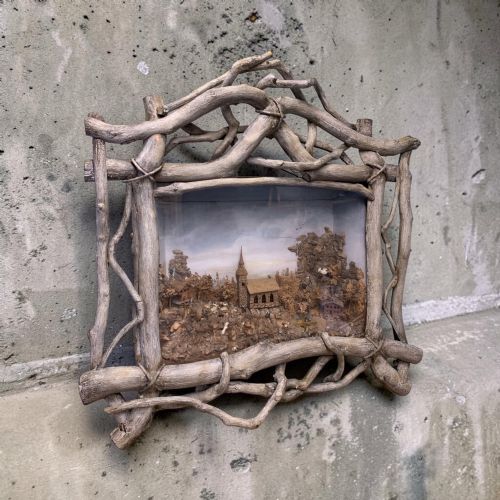
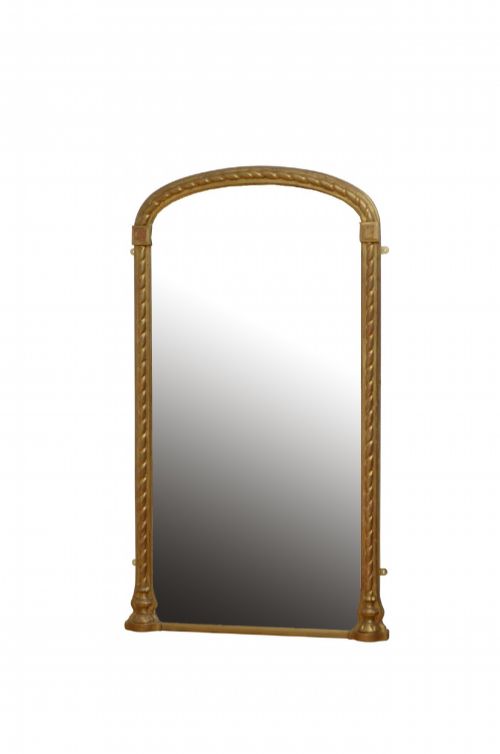
When you search for framed wood carvings, you encounter a diverse group of wall-hung objects spanning the nineteenth and twentieth centuries. The selection ranges from Victorian folk art plaques and architectural church fragments to intricate Black Forest mirrors and botanical hardwood panels.
You are most likely to meet nineteenth-century examples on this page, particularly mirrors and panels rendered in walnut, pine, and hardwood. These pieces incorporate distinct regional characteristics, from Dutch heraldic plaques to French mythological motifs and Indian Raj period deep relief carvings.
How they were made
Carvers shaped these pieces using hardwoods, walnut, pine, and gesso-coated surfaces, often combining deep relief chisel work with applied giltwood. Gilding, metal components, and glass elements complement the carved wooden structures to protect and frame the artwork.
Techniques vary from the naturalistic foliage and fauna of Black Forest workshops to the precise tracery of ecclesiastical salvage and the delicate jigsaw woodwork of later relief paintings.
Framed Wood Carvings Retail Price Guide 2026
Typical asking prices for framed wood carvings among the pieces listed under this phrase on Sellingantiques today, from the lower quarter to the upper quarter. They describe what is for sale here now, not the wider market.
The listings span from 1800 to 1940, incorporating materials such as carved wood, giltwood, gesso, brass, and glass across various mirror and panel formats.
What varies in quality
The standard of a carved piece depends on the depth of the relief and the crispness of the tool marks left by the maker. Superior examples exhibit high definition in facial expressions, foliage, and heraldic details without relying on heavy gesso to mask softer wood.
The integrity of the surrounding frame or glass housing also determines value. Original gilding, uncompromised structural joints, and matching pairs demonstrate superior preservation compared to heavily restored or mismatched assemblies.
The Framed Wood Carvings Glossary
- Giltwood
- Wood carved and prepared with gesso before receiving a very thin layer of gold leaf or metal powder. This finish brightens dark interiors by reflecting light from candles or windows.
- Black Forest
- A nineteenth-century carving style originating in the mountainous region of central Europe, known for realistic depictions of animals, foliage, and rustic scenes. These works frequently incorporate deep undercutting.
- Gesso
- A plaster mixture applied to wood surfaces to create a smooth base for gilding or paint. It allows artisans to model sharp decorative details before finishing.
- Tracery
- Openwork architectural stonework patterns translated into carved wood, commonly seen in ecclesiastical panels and Gothic revival pieces. The intersecting ribs form geometric shapes.
- Shadow Box Art
- A framed, enclosed glass box containing three-dimensional objects or dioramas such as cork models. This construction protects delicate organic materials from dust and damage.
Framed Wood Carvings: Frequently Asked Questions
How do I hang a heavy carved wooden panel?
Heavy panels and architectural salvage require robust wall fixings secured directly into studs or masonry rather than standard plasterboard hooks. Utilising a French cleat system distributes the substantial weight evenly across the structure of the frame.
Ensure the hanging wire or integrated metal brackets on the back of the piece are stout enough to support the specific wood type, as dense hardwoods add considerable heft.
Can I clean the carved details safely?
Dust accumulates within the deep recesses of these carvings, requiring gentle removal with a soft dry brush or a natural feather duster. Avoid using damp cloths or chemical sprays, particularly on giltwood and gesso surfaces, which dissolve easily when exposed to moisture.
Professional conservation is necessary if grime becomes caked into the wood grain, as vigorous scrubbing strips the historic patina.
How do I identify a Black Forest carving?
Black Forest carvings are typically rendered in walnut or lime wood, featuring naturalistic motifs like bears, deer, ivy, and oak leaves. The execution shows deep undercutting where leaves and animals stand completely away from the background panel.
These pieces frequently take the form of mirrors, barometer frames, and wall plaques dating from the nineteenth and early twentieth centuries.
What is architectural salvage?
Architectural salvage consists of rescued elements from demolished buildings, churches, or historic homes, repurposed as decorative wall art. Items such as church tracery panels and carved friezes bring historical fabric directly into domestic interiors.
These fragments show genuine age and wear consistent with their original exterior or institutional placement.
How do I date an antique wood carving?
Dating relies on tool marks, timber selection, framing style, and secondary woods visible on the reverse of the panel. Machine-sawn backs indicate a later nineteenth-century or twentieth-century origin, whereas hand-pit-sawn or adzed timber points to earlier periods.
Stylistic cues, such as the Gothic revival preferences of the mid-nineteenth century or the specific aesthetics of the Edwardian era, narrow down the decade.