



Framed Winter Canvas Painting
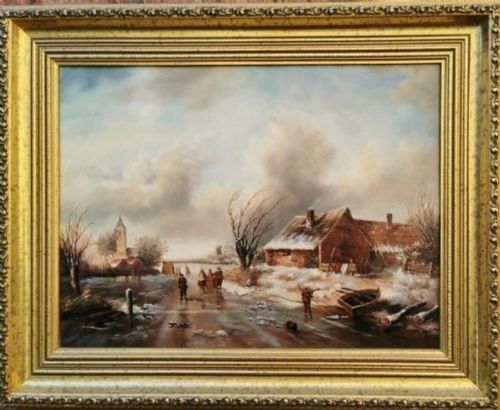
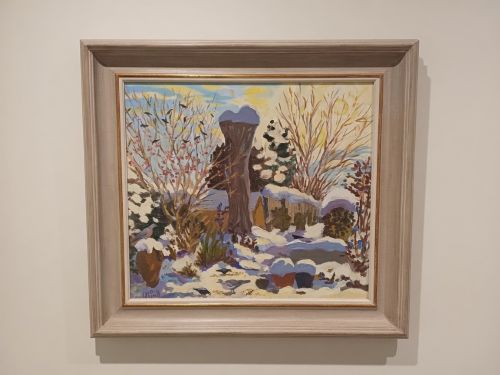
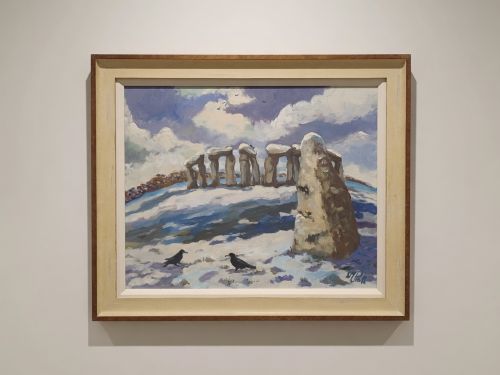
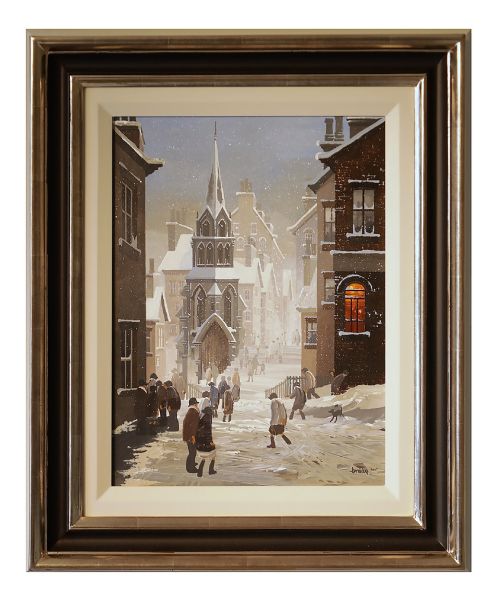
These framed winter canvas painting works capture freezing landscapes and snowbound scenes through oil paint on canvas.
Framed Winter Canvas Painting
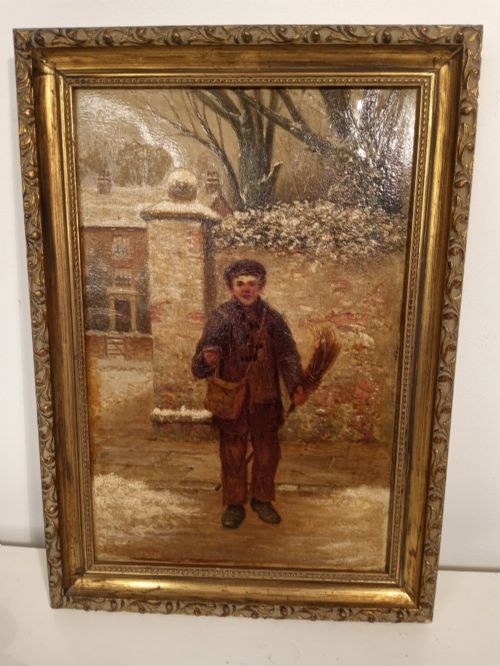
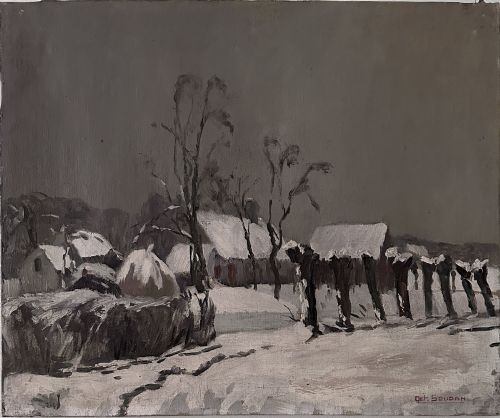
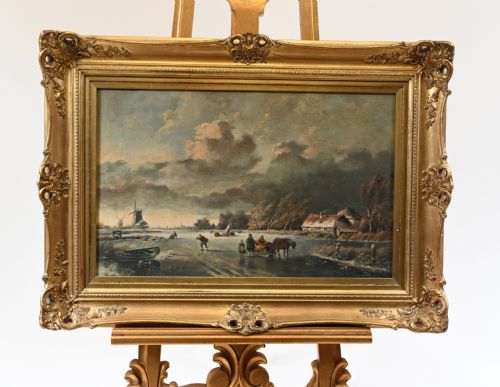
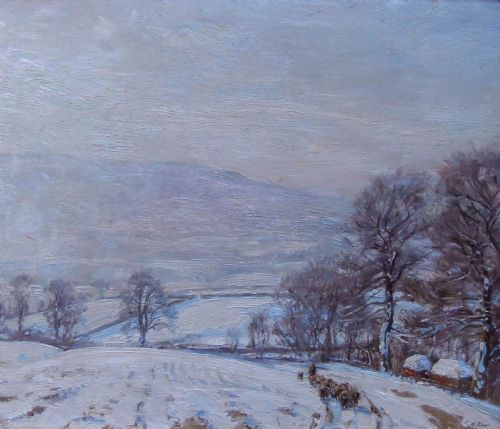
A framed winter canvas painting brings together seasonal landscape subjects, such as frozen lakes, snowy villages, and coaching scenes, rendered in oil paint. These artworks span various periods from the nineteenth century through the mid-twentieth century and into later decades.
The selections on this page frequently present Dutch Manner landscapes, British regional scenes, and impressionist interpretations of snow. Buyers encounter everything from intimate village views to expansive pastoral compositions.
Makers and artists range from nineteenth-century painters like John Charles Maggs to twentieth-century figures such as Herbert Royle and Ernest Higgins Rigg. Each piece offers a distinct perspective on cold weather scenery.
Materials and construction
The primary material combination uses oil paint applied directly onto stretched canvas surfaces. These canvases are then housed within wooden frames, which frequently incorporate gilt or giltwood finishes.
Artists utilise traditional pigment application techniques, building up brushwork to create textures of snow, ice, and winter skies. The physical support relies on sturdy wood stretchers and canvas grounds typical of fine art painting.
Hounds, sheep, and stagecoach horses brave the snow alongside human skaters on frozen lakes.
Evaluating the range
Quality separates through the handling of light, atmospheric depth, and the specific dexterity of the brushwork across the canvas surface. Works by established or listed artists demonstrate a surer command of composition and tonal balance within the winter palette.
The integrity of the canvas and the preservation of the original oil paint layer dictate the visual strength of the piece. Additionally, the character and period appropriateness of the surrounding wooden frame influence the overall presentation.
Lucy Pratt·Brian Shields Braaq·T. Bergman·A. McDonald·Fannie Moody·Herbert Royle·Charles Jones·John Charles Maggs·Sydney Kendrick·Pieter Cornelis Steenhouwer·Alexis De Leeuw·Ernest Higgins Rigg·John Ritchie·William Greaves·John Richard Worsdale·Ludwig Hermann·Louis Smets·Anthonij Anton Mauve·Wilson·William Cave Day
The Framed Winter Canvas Painting Glossary
- Canvas
- A heavy woven fabric used as a surface for oil painting. It is typically stretched across a wooden frame before work begins.
- Oil Paint
- A slow-drying paint made by mixing pigments with a drying oil, most commonly linseed oil. This medium allows for rich blending and textured application.
- Giltwood
- Wood that has been covered with a thin layer of gold leaf or gilt finish. Frames of this material surround many traditional paintings.
- Genre Painting
- Depictions of aspects of everyday life by depicting ordinary people engaged in common activities. Several works on this page feature figures outdoors in winter.
- Dutch School
- A term describing painters working in the Netherlands, or working in that stylistic tradition. Many winter landscapes on this page reflect this heritage.
Framed Winter Canvas Painting: Frequently Asked Questions
What periods do these paintings come from?
The pieces span from the nineteenth century through the 1920s, 1930s, 1950s, 1960s, and later periods.
This variety includes Victorian works alongside mid-century and contemporary British examples.
Are these paintings supplied with frames?
The listings feature canvases housed in wood and giltwood frames.
These surrounds complement the oil paintings and prepare them for display.
What subjects appear in these winter scenes?
Common subjects include frozen rivers, snow-covered villages, stagecoaches in winter storms, and pastoral landscapes with livestock.
Figures skating on ice or collecting firewood also feature prominently.
How do I identify different artistic styles here?
Styles range from nineteenth-century realism and Dutch School landscapes to British impressionism and expressionist works.
Brushwork and lighting treatment differ noticeably between these various artistic approaches.