
Framed Wall Art Picture
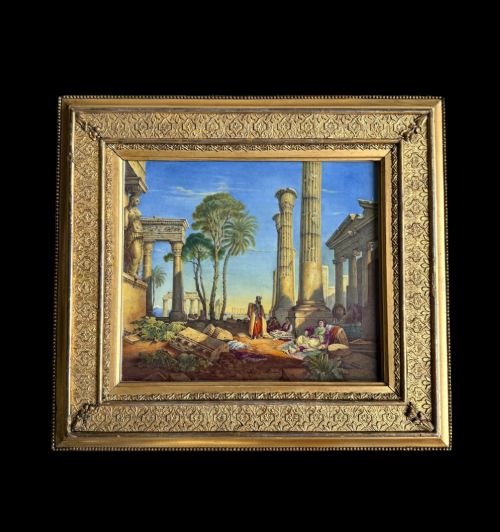
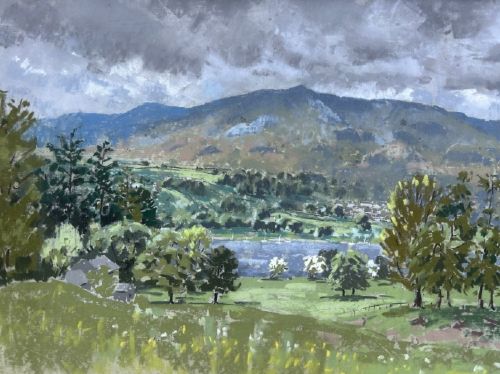
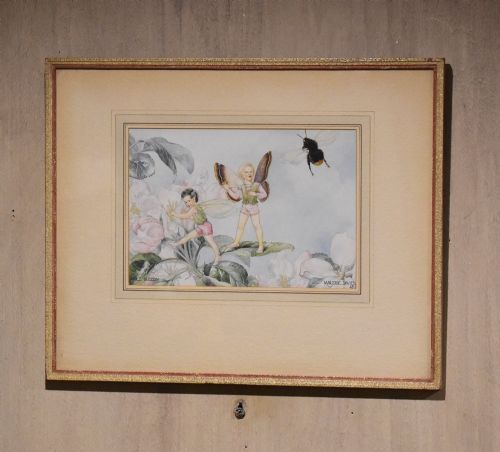
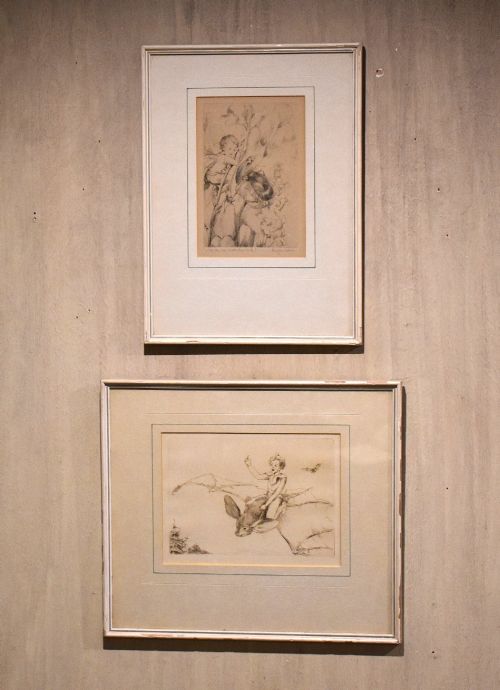
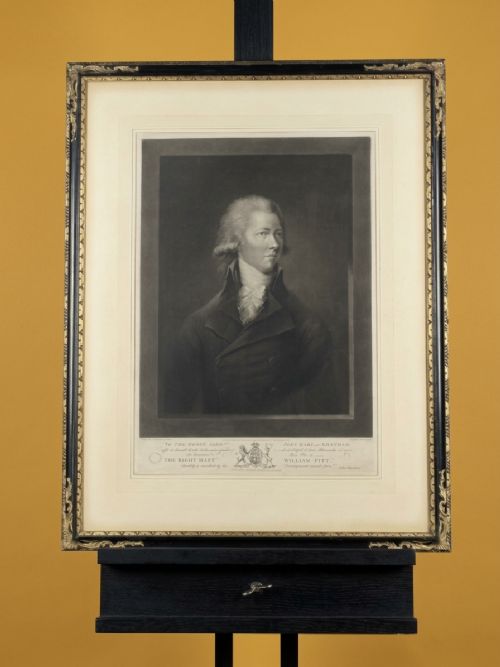
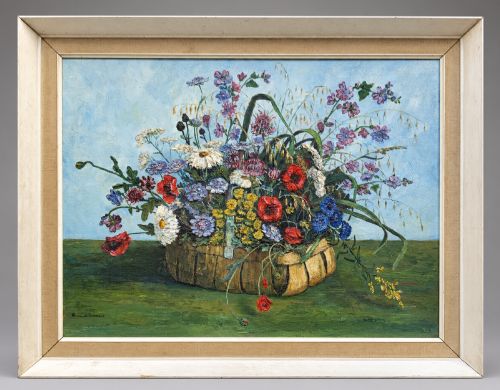
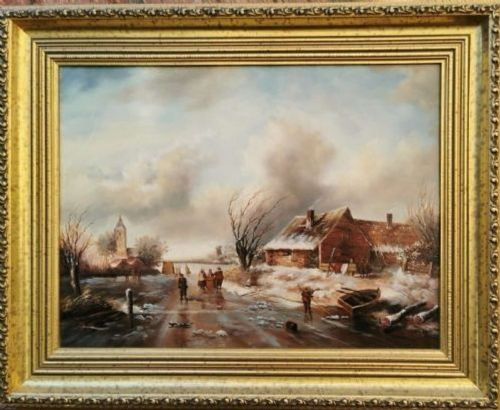
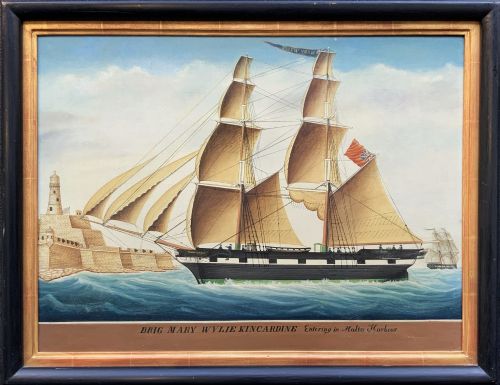
These framed wall art picture items span centuries of oil paintings, watercolours, needleworks, and prints.
Framed Wall Art Picture
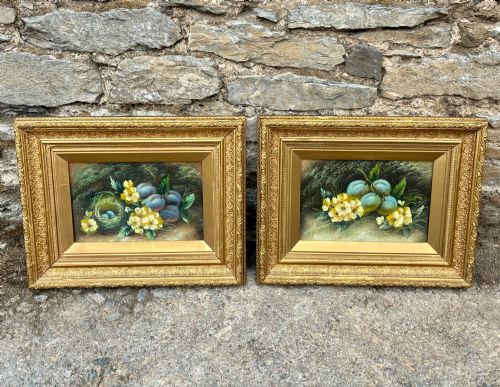
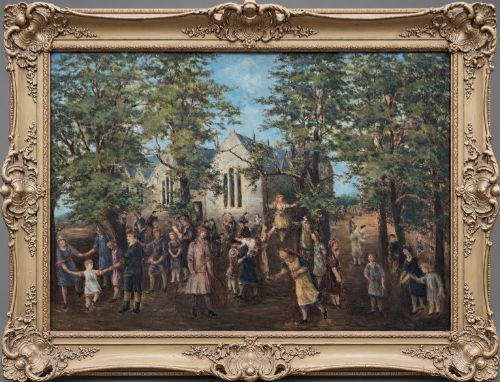
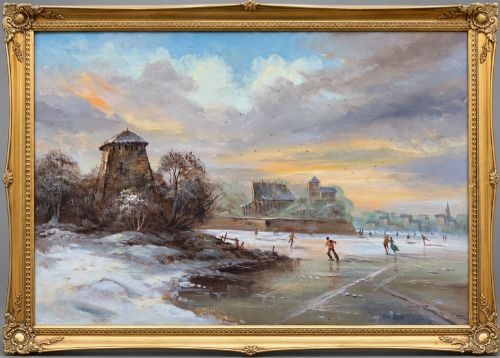
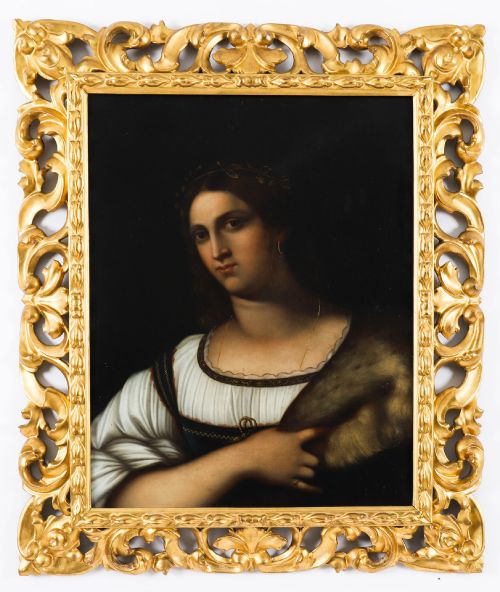
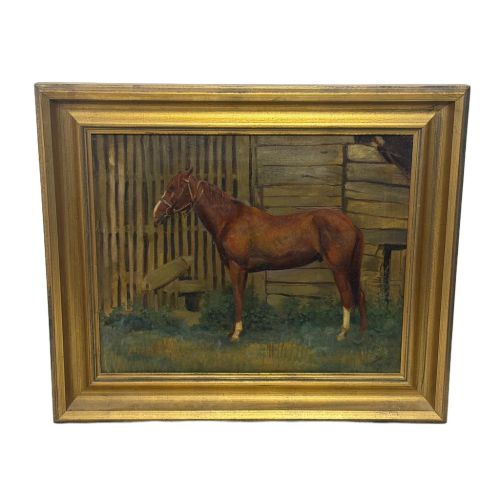
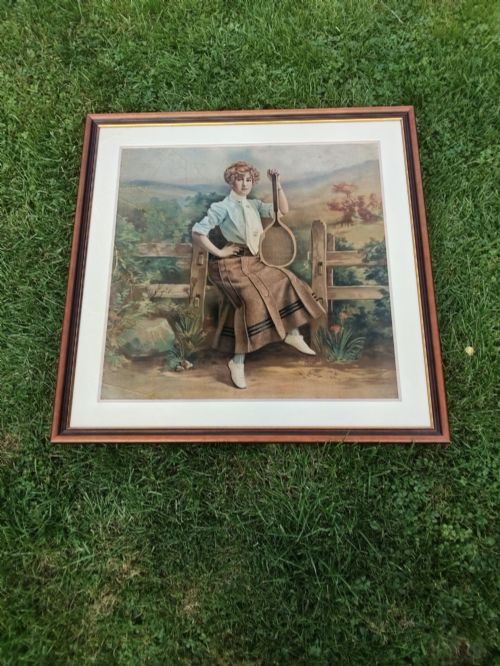
A framed wall art picture selection gathers historic paintings, watercolours, drawings, prints, needleworks, and marquetry panels presented in period frames. The pieces range from seventeenth-century portraits and eighteenth-century reverse glass mezzotints to nineteenth-century maritime watercolours and twentieth-century lithographs.
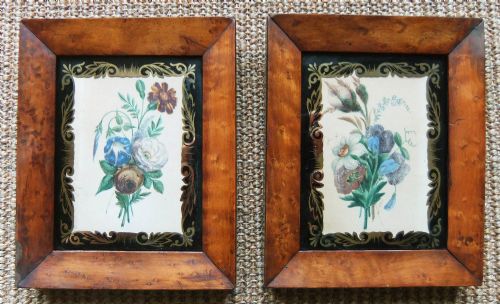
Buyers frequently encounter Victorian and Edwardian landscapes, portraits of gentlemen and ladies, botanical subjects, and maritime scenes. These works appear in media including oil on canvas, gouache, pastel, pencil, and woven silk.
Origins stretch across British, French, Flemish, Dutch, and Chinese workshops, uniting diverse decorative traditions within domestic wall displays. Each item bridges centuries of visual culture through the medium of its historic frame.
Materials and construction
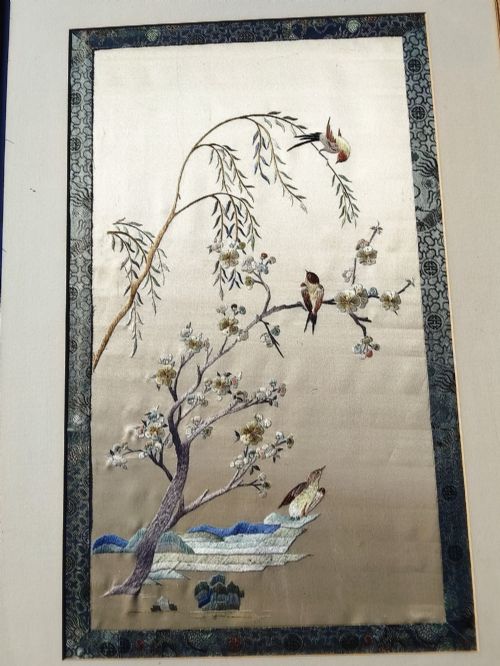
Makers utilised canvas, wood panels, paper, and glass as substrates for oil paint, watercolours, gouache, ink, and pastel. Needleworks and woolies employ coloured threads stitched onto canvas or fabric grounds.
Frames incorporate carved wood, giltwood, gilt gesso, burr maple, and oak to enclose and protect the imagery. Glass covers vulnerable works on paper, watercolours, and delicate reverse glass mezzotints.
Several pieces capture animals with unexpected occupations, including sheep ploughing fields and spaniels sitting attentively in burr maple frames.
Distinctions in quality
Execution skill in brushwork, draughtsmanship, or needlework tension separates accomplished historic works from simpler decorative items. Original period frames that match the age and style of the artwork elevate the integrity of the piece.
Condition of the painted surface, paper support, or textile ground dictates the visual strength of the image. Signed works or identified hands from documented periods carry greater historical weight than anonymous output.
The Framed Wall Art Picture Glossary
- Mezzotint
- A printmaking process where the copper plate is roughened to produce dark tones and scraped to create light areas. Eighteenth-century examples often received hand colouring.
- Giltwood
- Wood carved and coated with a thin layer of gold leaf or metallic powder. It frequently surrounds formal portraits and oil paintings.
- Needlework
- Designs stitched with yarn or thread onto a textile mesh backing. Victorian examples include Berlin wool work and woolies.
- Gouache
- An opaque watercolour medium mixed with a white pigment. It produces solid matte colour on paper.
- Trumeau
- A decorative wall mirror combined with an oil painting panel above the glass. French examples often depict maritime or pastoral scenes.
- Gesso
- A plaster-like mixture applied to wood frames to create a smooth base for gilding. It accepts detailed moulding and carving.
Framed Wall Art Picture: Frequently Asked Questions
How do I date an old picture frame?
Frame dating relies on moulding profiles, corner construction methods, and the type of gilding or wood used. Regency and Victorian frames often display distinct plaster ornament and corner blocks.
Changes in backing boards, fixings, and labels also help establish whether a frame is original to the artwork it encloses.
What is the difference between an oil painting and a watercolour?
Oil paintings utilise pigments suspended in drying oils applied to canvas or wood boards, producing a rich, buildable surface. Watercolours use water-soluble pigments on paper, yielding a translucent appearance.
Watercolours require glass protection against moisture and light damage, whereas oil paintings on canvas remain open to the room environment.
How should I hang historic art safely?
Secure hanging requires assessing the weight of the frame and using appropriate wall fixings rated for the load. Heavy oil paintings in giltwood frames need substantial brackets fixed directly into wall studs or masonry.
Positioning pieces away from direct sunlight and damp walls protects both the artwork and the wooden frame from environmental degradation.
Are needlework samplers and woolies fragile?
Needlework pieces are sensitive to ultraviolet light, which fades coloured wools and silks over time. Dust accumulation within the textile fibres also requires gentle care.
Displaying them behind protective glass in sealed frames preserves the integrity of the stitches and the underlying fabric.