


Framed Wall Art Oil
When you search for framed wall art oil, you are looking for historical paintings rendered in oil on canvas or wood, ready to hang.
Framed Wall Art Oil
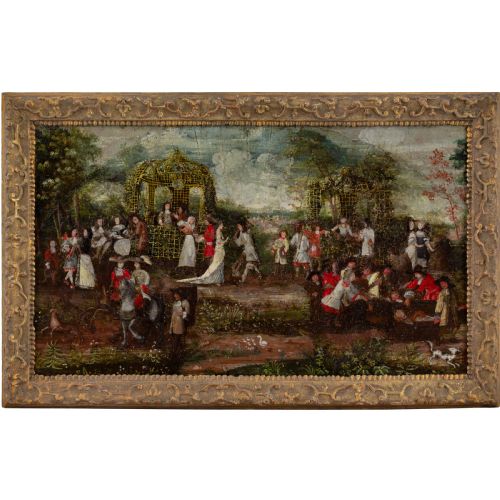
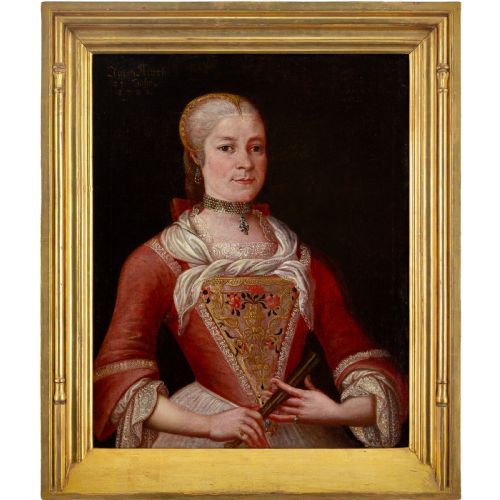
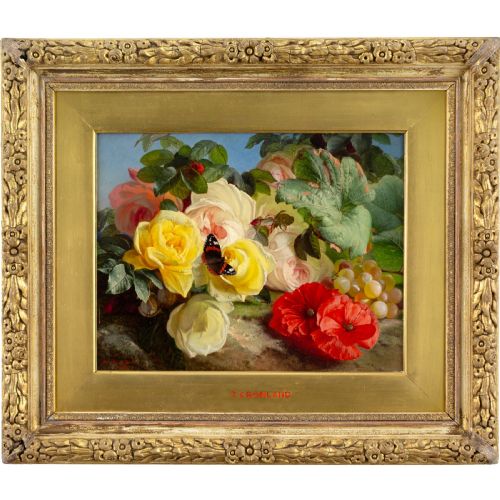
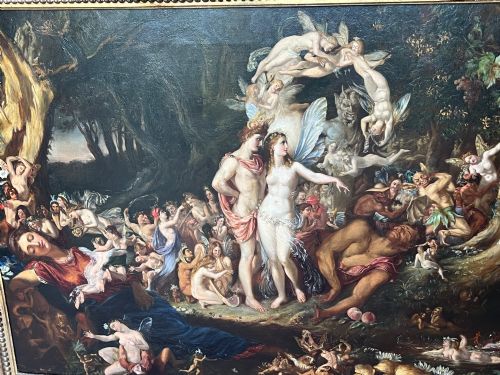
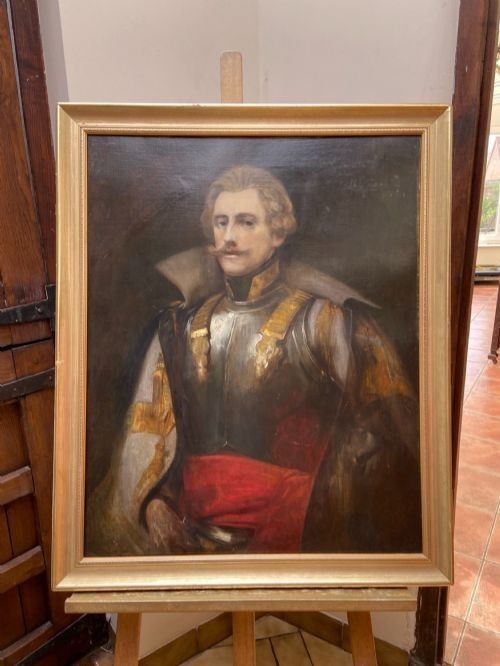
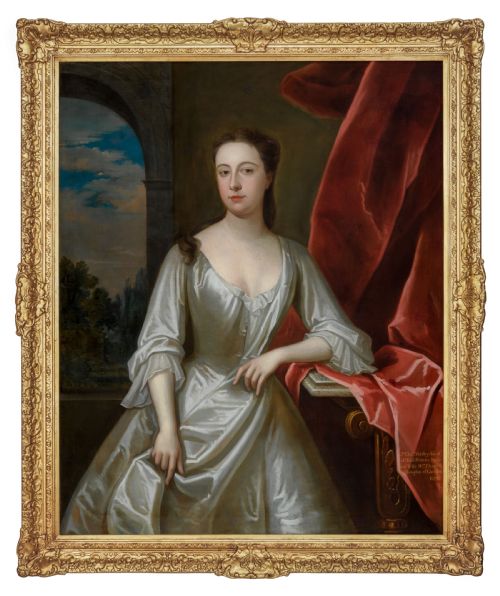
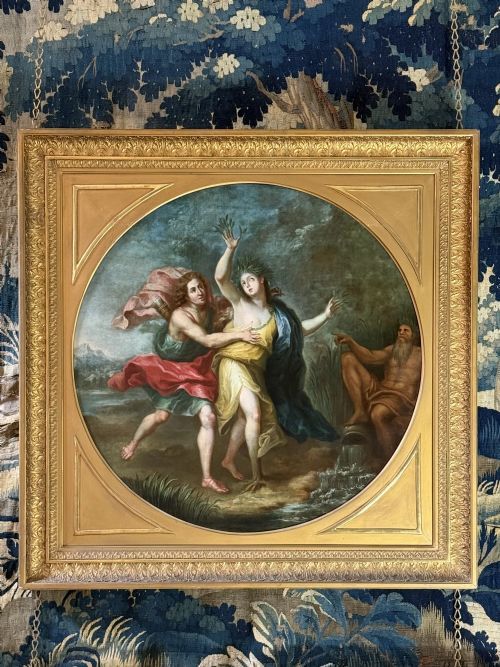
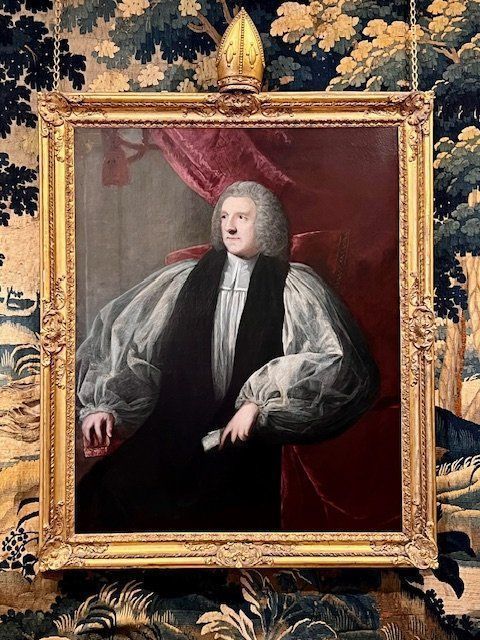
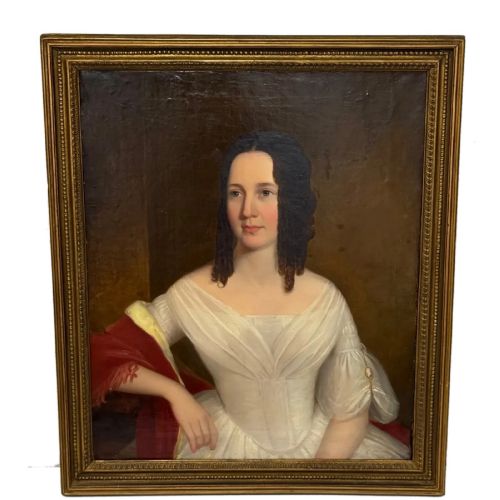
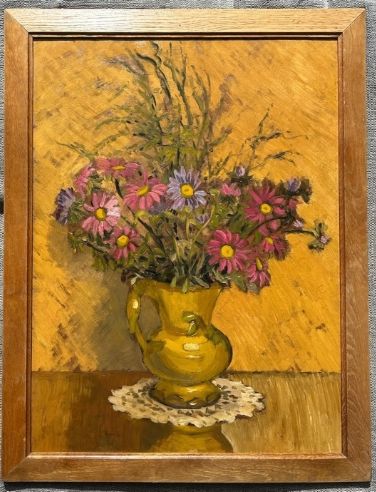
When searching for framed wall art oil, buyers encounter works spanning from the seventeenth century through to the mid-twentieth century, encompassing genres like portraiture, landscapes, and still lifes. These pieces frequently manifest as oil paintings on canvas or wood panels, often set within period wooden frames such as giltwood or gold leaf designs. The selection includes both English and continental schools, capturing subjects ranging from classical mythology to domestic scenes.
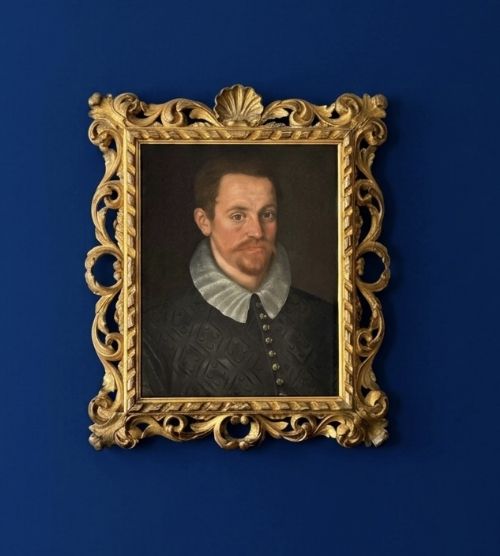
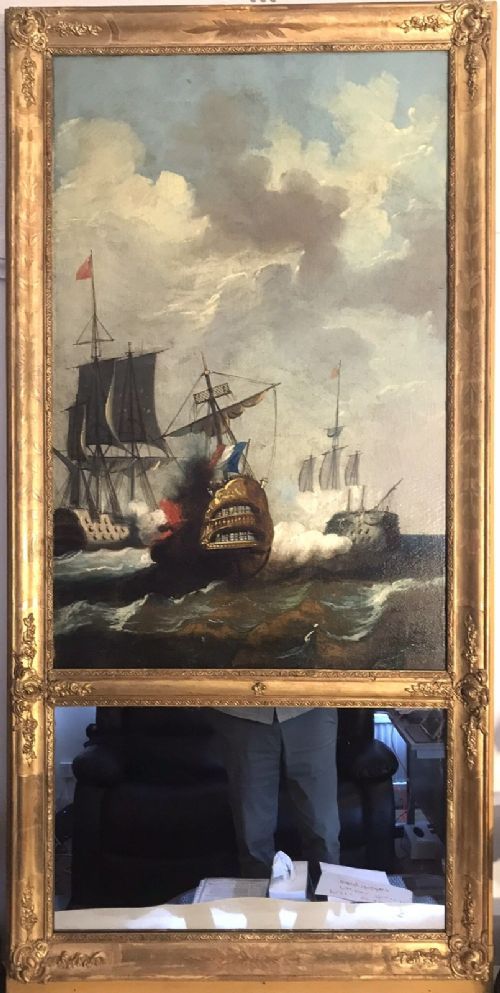
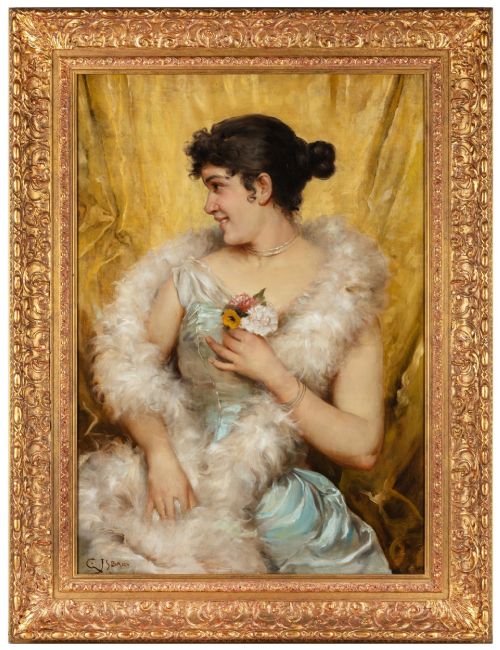
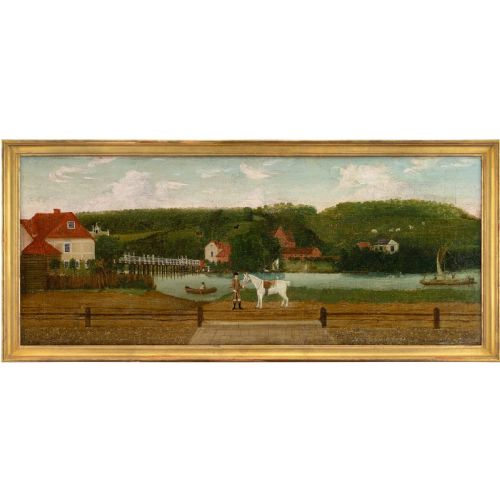
Portraits of nobility and gentry dominate the earlier periods, particularly the seventeenth and eighteenth centuries, while nineteenth-century pieces lean towards pastoral landscapes and marine subjects. Buyers are most likely to encounter nineteenth-century works alongside earlier British and European school paintings on this page. Trumeau mirrors integrating oil paintings also appear, blending functional glass with decorative art.
Materials and Technique
Paintings in this selection utilise oil paint applied to supports of canvas, wood panels, or occasionally board. Canvas preparation involved stretching the fabric over wooden frames, whilst wood panels provided a rigid alternative utilised by various European schools. Giltwood, gold leaf, and plain wood supplied the surrounding frames, framing the painted surface.
Techniques range from the detailed brushwork of seventeenth-century English and Flemish portraiture to the broader strokes of later impressionist or landscape works. Pigments were bound in oil, allowing for subtle blending and rich colour depth that has endured across centuries. Frames were constructed using traditional joinery and finished with applied gilding or carved wood details.
Listings feature oil paintings on canvas and wood, spanning from the seventeenth century through to the mid-twentieth century in British and European styles.
Quality Variations
The degree of preservation in both the oil pigment and the support structure dictates the standing of a piece. Works that retain their original canvas tension and unblemished paint layers demonstrate superior endurance over those suffering extensive retouching or relining. Furthermore, the handling of light, anatomical proportion, and perspective separates accomplished studio output from more rudimentary regional efforts.
Frame integrity also influences the overall standard, as period-matching giltwood or carved wooden frames enhance the authenticity of the artwork. The clarity of provenance, including legible inscriptions or attribution to documented schools and makers, elevates certain works above anonymous examples.
Henry Barraud·Theude Grönland·James Hardy·Sir Joshua Reynolds·Kenneth Cozens·Richard Sebastian Bond·William Beattie-Brown·Jozsef Molnar·Felix Stone Moscheles·William H Myers·Sir Peter Lely·John Hayls·John Maler Collier·George Willison
The Framed Wall Art Oil Glossary
- Giltwood
- Wood carved and coated with a thin layer of gold leaf or gilt. This material is commonly found on ornate period frames surrounding oil paintings.
- Oil on Canvas
- A technique where oil paint is applied to a woven fabric stretched across a wooden support. It became the standard medium for Western easel painting from the Renaissance onward.
- Trumeau Mirror
- An architectural mirror incorporating a painted panel or artwork above the glass plate. These decorative pieces were popular in eighteenth and nineteenth-century interiors.
- School
- A grouping of artists sharing a common style, geographic origin, or training during a specific period. Listings often attribute works to English, Flemish, or Bavarian schools.
- Panel Painting
- A painting executed on a flat piece of wood rather than canvas. Wooden supports were favoured in earlier centuries before canvas became widely adopted.
Framed Wall Art Oil: Frequently Asked Questions
What is framed wall art oil?
These works comprise historical paintings executed in oil medium on supports such as canvas, wood, or board. They are typically enclosed in wooden frames, frequently finished with gilt or gold leaf.
The selection spans several centuries, capturing diverse subjects including formal portraiture, maritime scenes, landscapes, and floral still lifes by various European and British schools.
How should I hang these paintings?
Ensure the wall can support the weight of the piece, particularly for larger canvases housed in substantial giltwood frames. Utilise appropriate picture hooks secured into wall studs or proper wall anchors.
Position the artwork away from direct sunlight and heat sources to protect the oil paint and canvas from fading or cracking over time.
How do I identify the period?
Examine the style of clothing, hair, and setting in portraits, or the aesthetic conventions in landscapes and still lifes. Seventeenth-century pieces often feature distinct collars and dark doublets, while nineteenth-century works display broader landscape techniques.
Frame construction, canvas preparation, and any inscriptions on the reverse or stretcher bars also provide clues to the approximate date of creation.
What subjects are most common?
Portraits of individuals, ranging from nobility to domestic figures, appear frequently alongside pastoral landscapes and botanical still lifes. Marine scenes featuring galleons and warships also feature within the regional schools represented.
These subjects reflect the shifting artistic preferences and domestic commissioning habits of collectors from the seventeenth to the mid-twentieth century.