

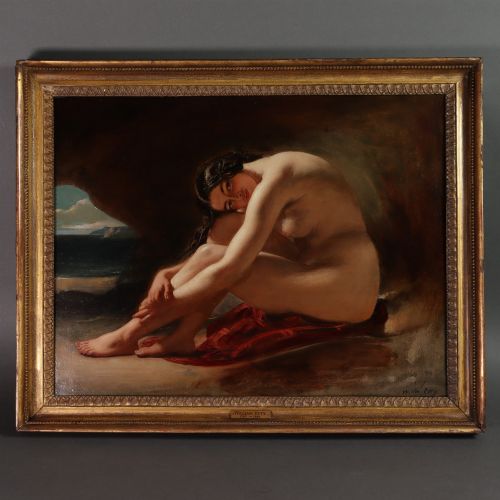


Framed Victorian Oil Panel
A framed victorian oil panel is a small, hand-painted artwork on a rigid wooden support, prized for the intimate scale and rich textures that survive from the nineteenth century.
Framed Victorian Oil Panel
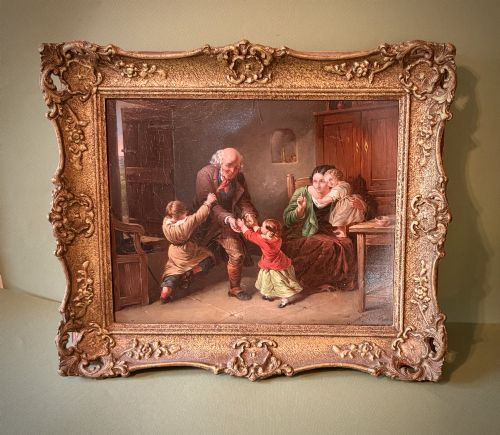
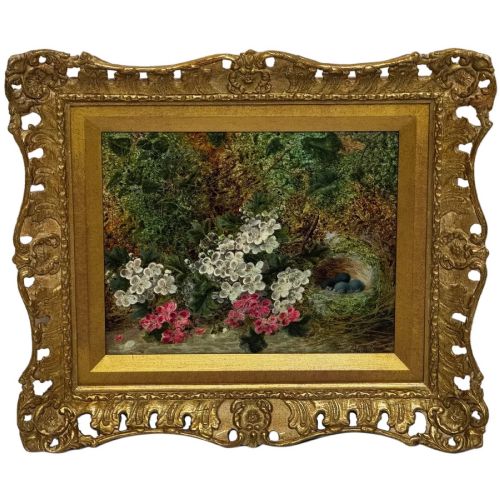
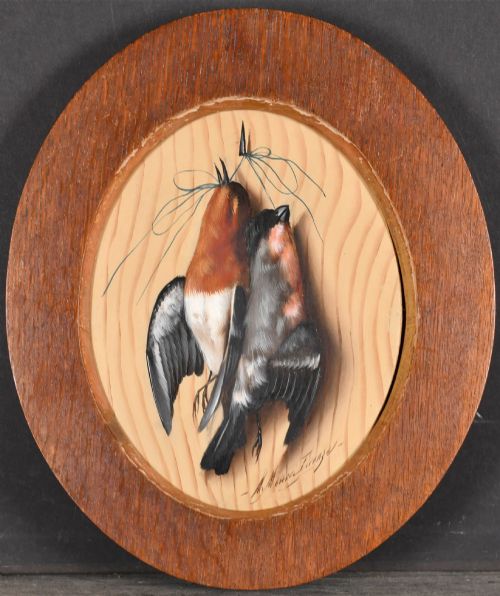
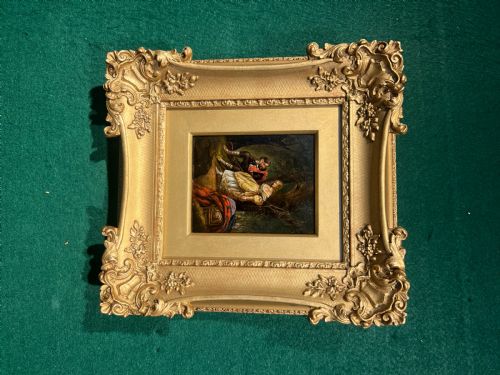
When you search for a framed victorian oil panel, you encounter works executed during the nineteenth century, ranging from intimate landscapes and still lifes to genre scenes and portraits. The subjects frequently reflect Victorian tastes for narrative painting, domestic animals, pastoral landscapes, and botanical studies.
The majority of pieces on this page originate from British and European artists working across the 1800s, often housed in their original period surrounds. These encompass signed works by named painters as well as naive and provincial studies by anonymous hands.
Formats span horizontal landscapes, vertical portraits, and small square compositions designed for domestic display. While many retain their original wooden frames, others appear in deep gesso frames or burr maple surrounds.
How they were made
Artists applied oil paint directly to prepared wood panels or boards, utilising the rigid ground to achieve fine detail and smooth blending without the bounce of stretched canvas. This support provided stability, though boards occasionally required structural repairs on the reverse over the decades.
Frames were constructed from wood and embellished with moulded gesso, then finished with gilding or painted surfaces to complement the artwork. These housings were integral to the presentation, utilising materials like solid wood, mahogany, and burr maple.
Periods represented span the Georgian era, the Victorian period, and the wider nineteenth century.
What varies in quality
Quality rests in the brushwork, the clarity of the composition, and the confidence with which the artist handled light and form upon the wood. Superior examples demonstrate accomplished draughtsmanship and atmospheric depth, whereas lesser works can appear stiff or formulaic.
The condition and authenticity of the frame also dictate the overall integrity of the piece. Surviving period frames that retain their original gilding and match the exact age of the panel elevate the desirability of the work.
William Howard Hardy·Oliver Clare·Michelangelo Meucci·William Etty·James Kyd·John Henry Dell·Hans Temple·William Rayworth·Joseph Vickers de Ville·Richard Wilson·Bessie Bamber·Joseph Murray Ince·Stephen Brownlow·Robert F. Watson
The Framed Victorian Oil Panel Glossary
- Oil paint
- A slow-drying medium composed of pigments suspended in a drying oil, typically linseed, allowing for rich colour saturation and subtle blending.
- Wood panel
- A rigid support made from timber, often mahogany or oak, used by painters as an alternative to canvas for its smooth and stable surface.
- Gesso
- A plaster-like mixture applied to wooden frames or panels as a base for paint or gilding, creating a smooth decorative surface.
- Giltwood
- Wood that has been coated with a thin layer of gold leaf or metal powder, commonly seen on nineteenth-century picture frames.
- Genre painting
- Artwork depicting scenes from everyday life, ordinary people, and domestic interiors rather than grand historical or mythological subjects.
Framed Victorian Oil Panel: Frequently Asked Questions
What is a framed victorian oil panel?
A framed victorian oil panel is an original painting executed on a wooden support during the nineteenth century, presented in a period frame.
These works range from detailed still lifes and landscapes to character portraits and domestic genre scenes.
How should I hang an oil panel?
Hang your panel on an interior wall away from direct sunlight, excessive heat sources, and damp environments to protect the wood and paint.
Ensure the wall fixings are secure, as solid wood panels and their heavy gilt frames can carry considerable weight.
How can I tell if a panel is nineteenth century?
Examine the reverse of the wood, the preparation grounds, and the construction methods of both the panel and its frame for period characteristics.
Tool marks on the wood, older framing techniques, and patination help distinguish nineteenth-century production from later copies.