
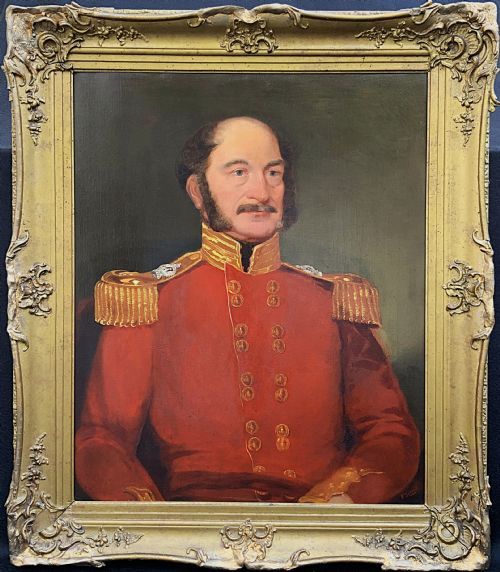
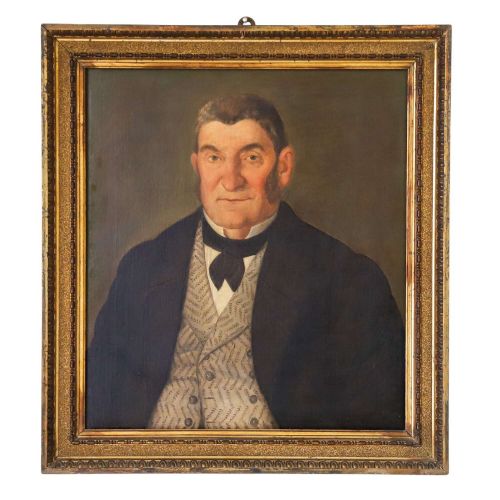
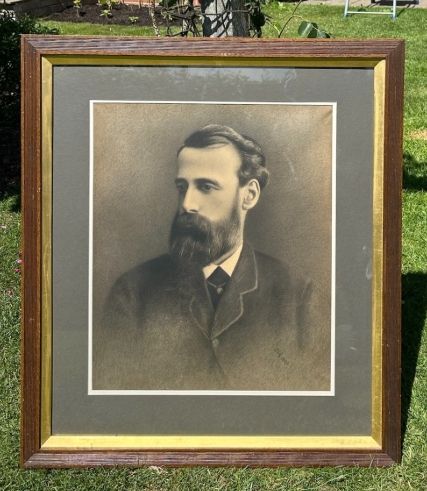
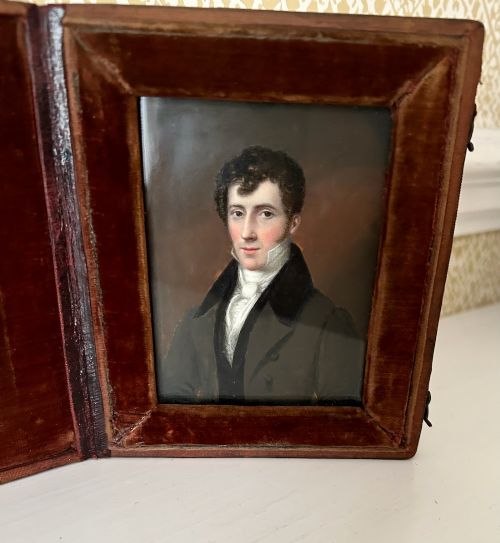

Framed Victorian Male Portrait
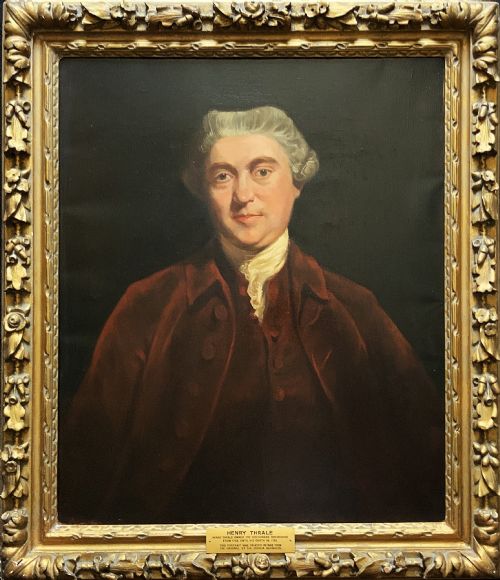
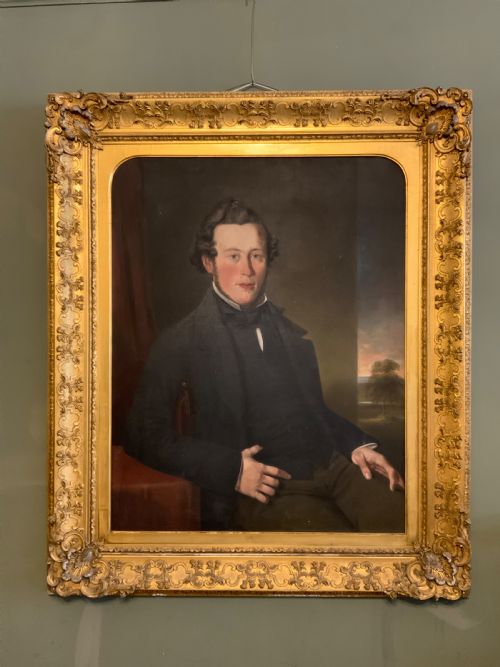
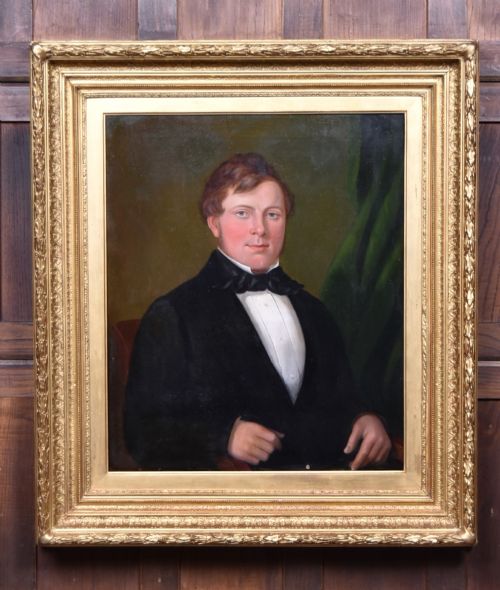
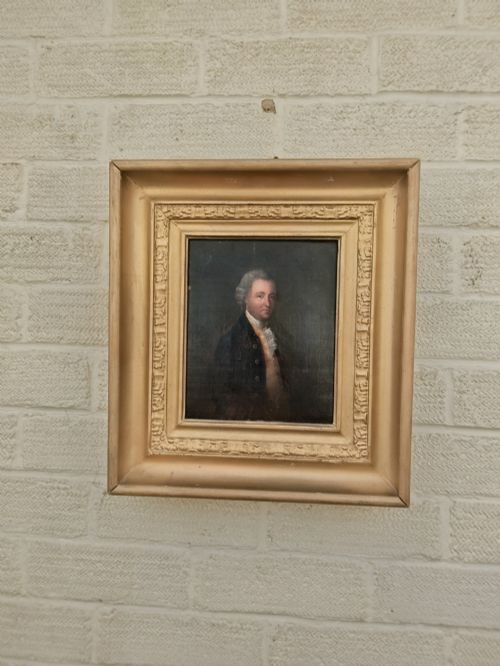
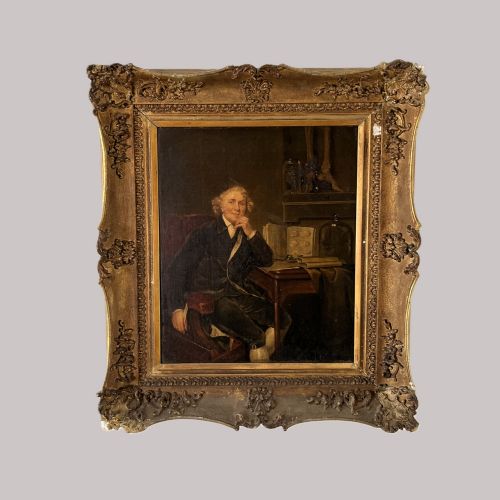
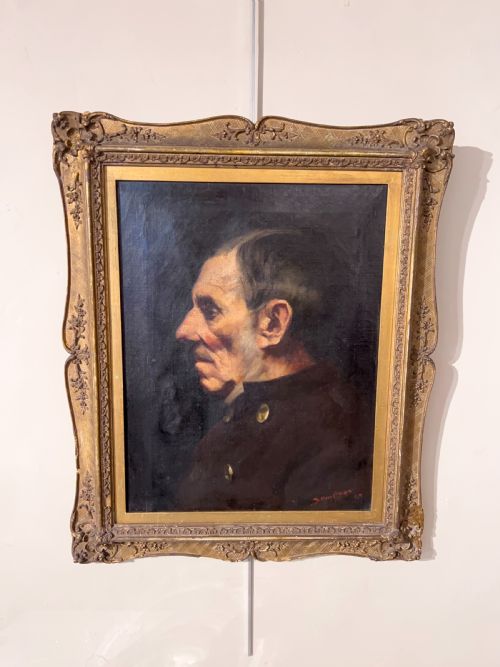
A framed victorian male portrait captures the likeness of gentlemen from past centuries within period timber and gesso surrounds.
Framed Victorian Male Portrait
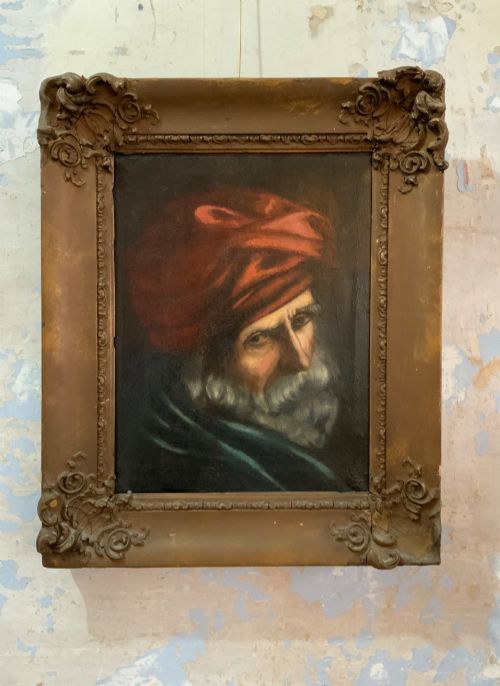
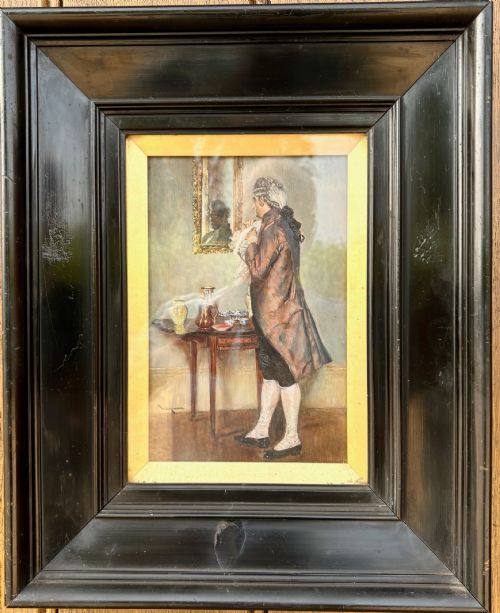
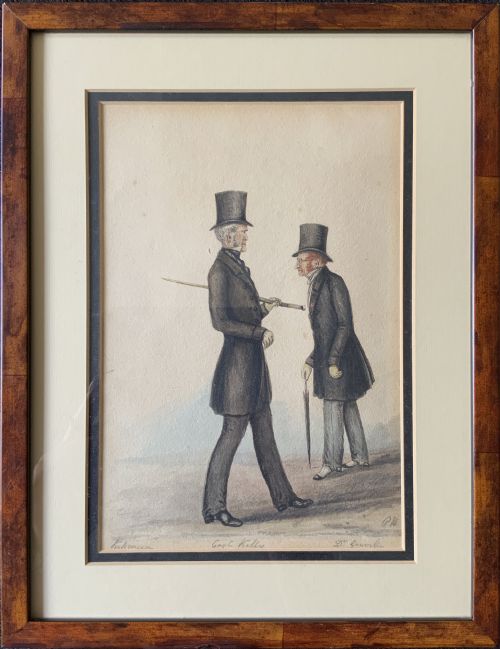
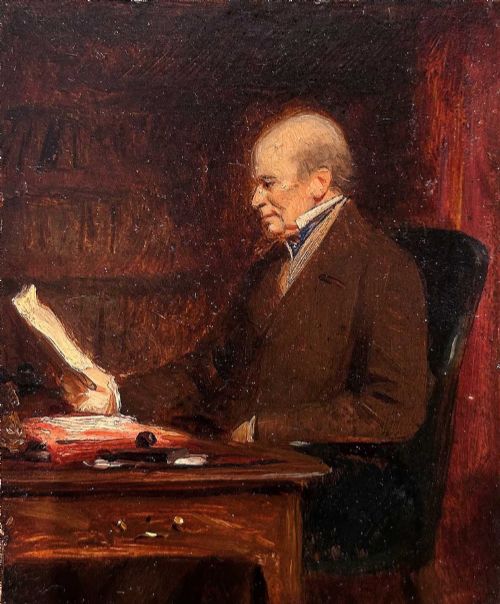
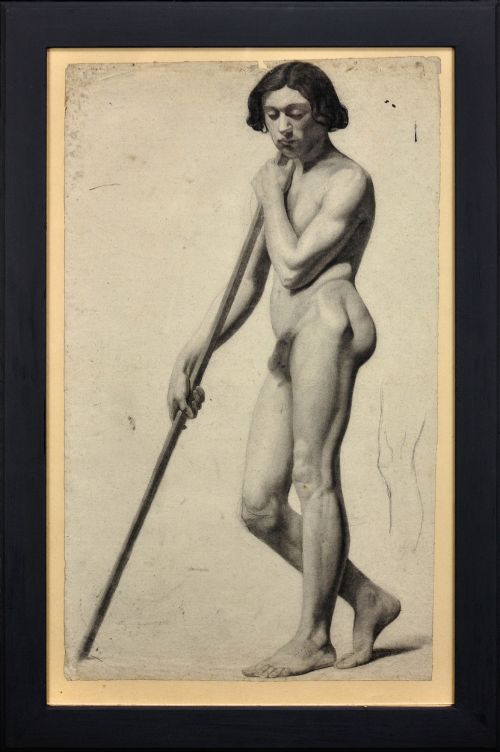
A framed victorian male portrait brings historical character into a room through depictions of sitters ranging from military officers to ordinary tradesmen. These works span the nineteenth century and adjacent periods, taking the form of oil paintings, watercolours, charcoal drawings and portrait miniatures.
Buyers encounter subjects depicted in varied contexts, including formal academic studies, military service uniform, and everyday attire. The framing often matches the period of the artwork, utilising giltwood and carved timber to complete the piece.
Materials and Technique
Paintings in this category rely predominantly on oil paint applied to canvas, wood panels or board, whilst works on paper utilise watercolour, charcoal and graphite. The application of pigment demonstrates nineteenth-century realism and academic study methods.
Protective surrounds consist of timber frames enhanced with gesso and gilt finishes, sometimes housing glass over fragile paper works. These materials determine the preservation of the artwork and the visual weight of the final piece.
Listings feature works executed in oil on canvas, wood panel, board, watercolour, charcoal and graphite across the nineteenth century.
Distinctions in Quality
Quality rests upon the skill of the execution, where masterly draftsmanship and sensitive handling of light separate standard records from accomplished fine art. The expressiveness of the sitter's face and the psychological depth achieved by the artist dictate the visual impact.
The integrity and originality of the surrounding frame contribute significantly to the overall merit of the object. Period gilt gesso frames that retain their original surfaces complement the artwork far better than later replacements.
Sir Joshua Reynolds·W.D. Almond·Stephen Pearce·Bertram Priestman RA·Henry Arthur Roberts·Hans Temple
The Framed Victorian Male Portrait Glossary
- Oil on Canvas
- Pigment mixed with drying oil applied to a stretched woven fabric support. This traditional medium allows for rich blending of tones and durable preservation.
- Giltwood
- Timber carved and coated with a thin layer of gold leaf or metallic powder. It provides a bright, reflective border to historical paintings.
- Gesso
- A paint mixture consisting of a binder mixed with chalk, plaster or pigment used to prepare wood or canvas. It creates a smooth surface for gilding and ornamentation.
Framed Victorian Male Portrait: Frequently Asked Questions
How do I date a painted portrait?
Dating relies upon examining the sitter's clothing, hairstyle and facial hair alongside any inscriptions or labels found on the reverse of the canvas or frame. Costume changes serve as reliable markers for narrowing down the decade of creation.
Material analysis of the stretcher bars, canvas weave and framing style also provides supporting evidence for the period of origin.
What is the difference between oil and watercolour portraits?
Oil paintings utilise pigment bound in drying oil on canvas or panel, offering deep colour saturation and visible brush texture. Watercolours employ water-soluble pigments on paper, creating a lighter, more translucent finish.
Watercolour portraits typically require glass protection within the frame, whereas oil paintings on canvas remain open to the air.
Where should I hang a framed male portrait?
These works suit traditional study spaces, libraries and living rooms where historical decor sets the tone. Positioning them away from direct sunlight protects the pigments from fading over time.
Matching the scale of the frame to the wall space ensures the artwork commands the room effectively without overwhelming surrounding furniture.
How do I care for antique frames?
Maintenance involves gentle dusting with a dry, soft brush to prevent dirt accumulation within the carved gesso crevices. Avoid using liquid cleaners or polishes on gilt surfaces to prevent stripping the metallic finish.
Stable room humidity and temperature prevent the timber of the frame and the canvas stretcher from warping.