



Framed Victorian Illustration
A framed victorian illustration brings nineteenth-century botanical studies, animal prints and hand-coloured watercolours straight to the wall.
Framed Victorian Illustration
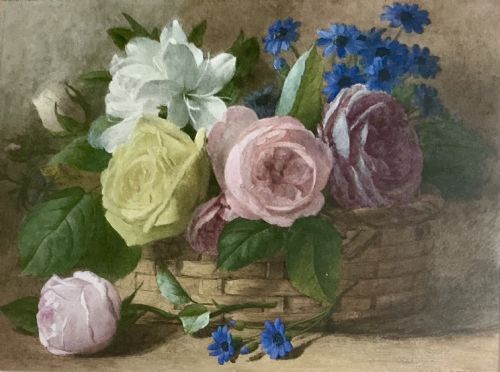
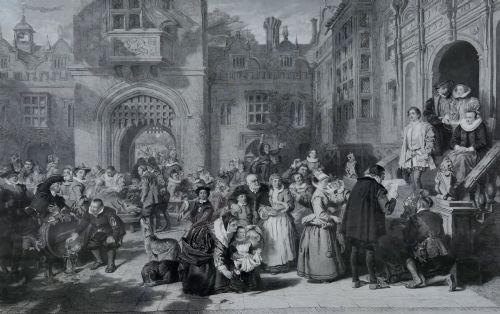
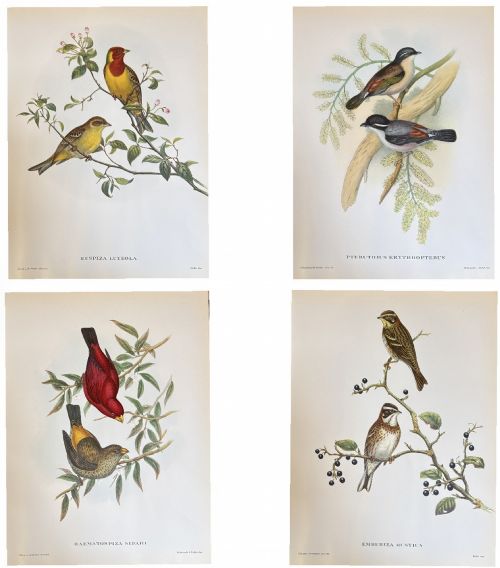
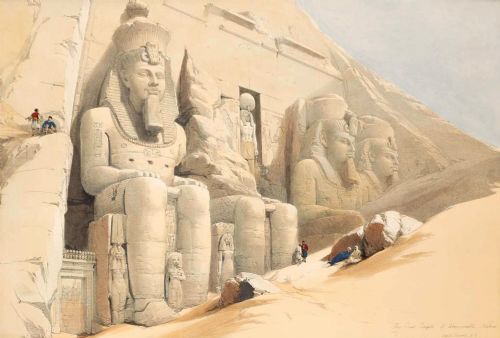
Buyers examining a framed victorian illustration encounter a broad selection of nineteenth-century paper works, spanning hand-coloured lithographs, detailed engravings and original watercolours. The examples most commonly met on this page include natural history subjects such as birds, fish, shells and botanical studies, alongside architectural plans and figurative scenes.
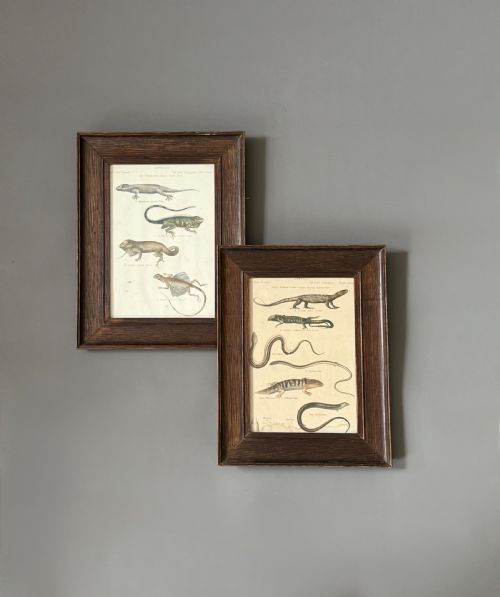
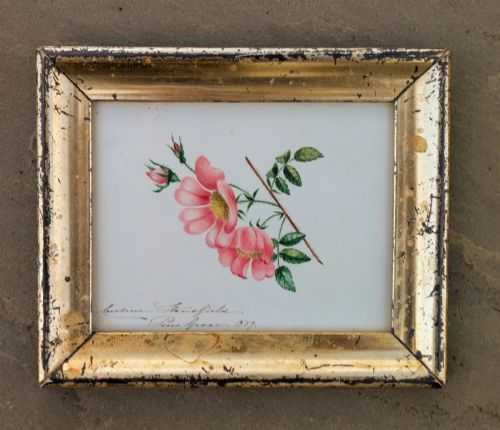
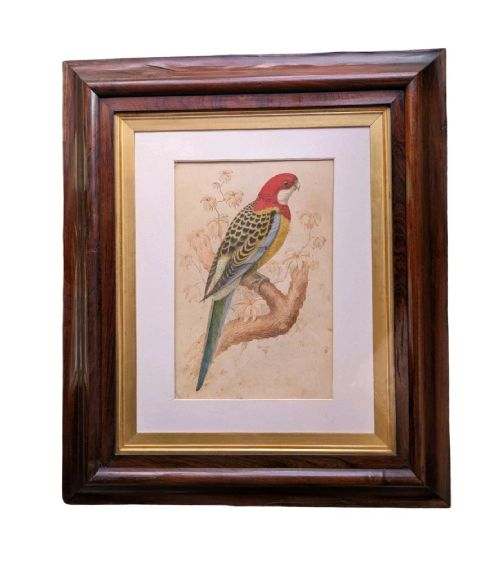
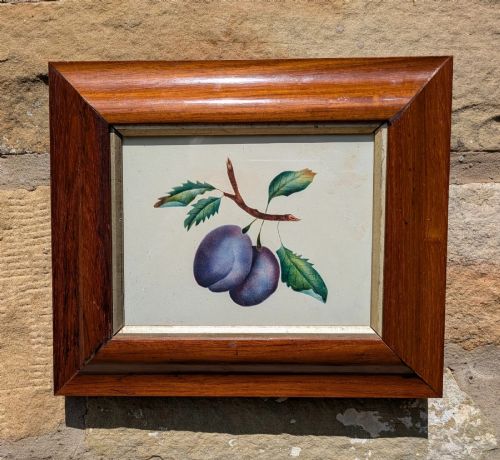
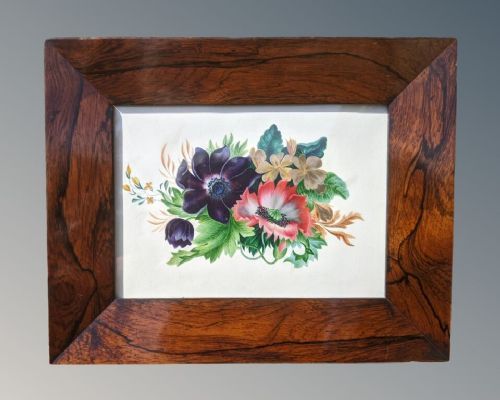
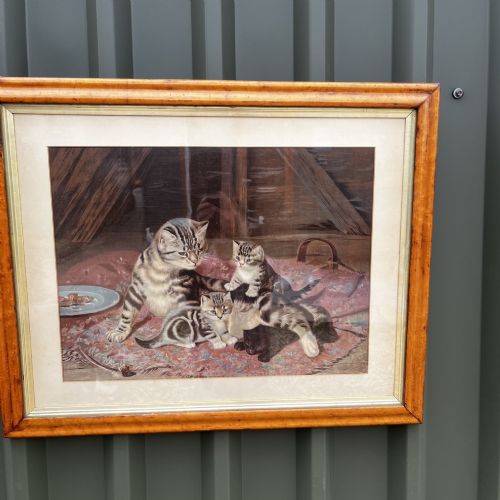
Many works reflect the era's deep interest in natural science and exploration, featuring detailed renderings of tropical birds, reptiles and domestic animals by named artists and illustrators. These pieces range from intimate botanical watercolours housed in rosewood frames to larger chromolithographs and engraved plates.
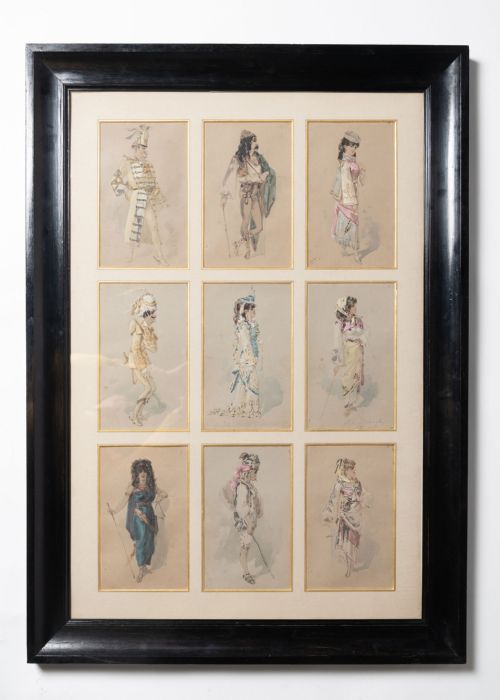
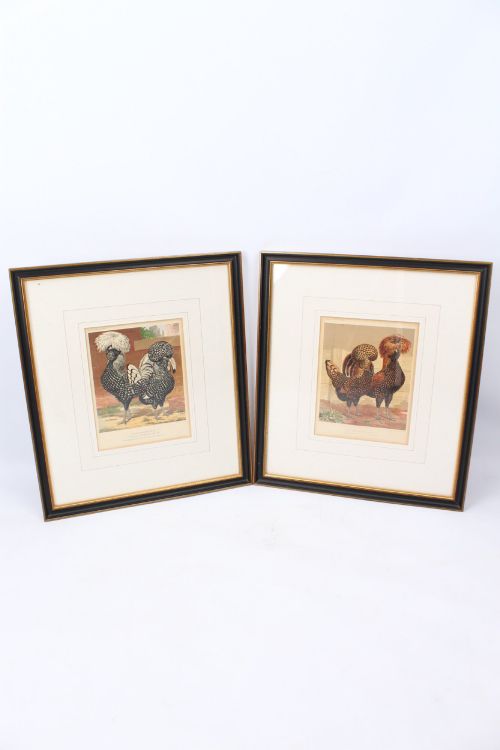
The material forms vary from simple wood frames to ebonised settings with deep giltwood mounts, protecting delicate paper beneath glass. Whether capturing floral still lifes or architectural interiors, these works preserve the illustrative craft of the nineteenth century.
Materials and techniques
The works rely upon paper as the primary support, utilising watercolour pigment, ink and coloured lithography to achieve rich tonal detail. Hand-colouring frequently enhances printed engravings and lithographs, adding specific hues to botanical and zoological subjects.
Framing materials reflect nineteenth-century practices, employing wood, ebonised finishes, rosewood and gold leaf moulding to house and protect the paper. Glazing with glass preserves the delicate pigments and ink lines from environmental damage over time.
Framed Victorian Illustration Retail Price Guide 2026
Typical asking prices for framed victorian illustration among the pieces listed under this phrase on Sellingantiques today, from the lower quarter to the upper quarter. They describe what is for sale here now, not the wider market.
Listings feature works from the 19th Century, Regency and Edwardian eras, utilising paper, watercolour, ink and gold leaf.
Factors determining quality
Quality rests upon the precision of the draughtsmanship and the clarity of the medium, whether dealing with the fine brushwork of an original watercolour or the sharp registration of a chromolithograph. Works displaying careful hand-colouring demonstrate greater artistic investment than mass-produced prints.
The synergy between the artwork and its original housing dictates the overall standard, particularly where period frames such as Hogarth mouldings, ebonised timber or deep giltwood mounts remain intact. Preservation of the paper surface without excessive fading or staining also distinguishes superior examples.
Charles Henry Slater·Horatio Henry Couldrey·Louis Wain·Gustave Doré·Eloise Harriet Stannard
The Framed Victorian Illustration Glossary
- Chromolithograph
- A multicolour print produced through a planographic lithographic process using multiple stone plates for each colour. This technique allowed for vibrant, faithful reproductions of paintings and illustrations during the nineteenth century.
- Lithograph
- A print made by drawing an image on limestone or a metal plate with a greasy medium and applying ink to adhere only to the drawn areas. It served as a primary method for producing affordable and detailed illustrations.
- Engraving
- An intaglio printmaking technique where an artist cuts lines directly into a metal plate using a burin. The resulting incisions hold the ink to produce sharp, precise lines under pressure.
- Giltwood
- Wood carved and coated with gold leaf or metallic powder to create a bright, reflective surface. It was frequently used for framing important artworks and mirrors during the period.
- Ebonised
- Wood treated with chemical stains or paint to imitate expensive ebony hardwood. This dark, uniform finish was popular for nineteenth-century frames to contrast with lighter prints and watercolours.
Framed Victorian Illustration: Frequently Asked Questions
What subjects appear in these illustrations?
The subjects cover a wide range of nineteenth-century interests, featuring botanical studies, tropical birds, fish, architecture and domestic animals. Many pieces reflect the era's fascination with natural history and scientific documentation.
Other works depict figurative scenes, portraits, military subjects and satirical prints from contemporary periodicals. Each piece offers a window into the visual culture and documentation methods of the period.
How should these paper works be displayed?
These framed pieces require placement away from direct sunlight to prevent the fading of watercolour pigments and coloured lithograph inks. Maintaining stable indoor humidity protects the paper support and prevents warping in the wooden frames.
Most examples come protected behind glass within period timber or giltwood frames. Ensuring secure wall fixings supports the weight of the glass and traditional framing materials.
How can I tell a watercolour from a print?
Original watercolours reveal brush texture, pooling of pigment and minute variations in hand-applied paint under magnification. Prints display a dot pattern, flat ink application or fine engraved lines characteristic of mechanical reproduction.
Close inspection under a magnifying glass often uncovers the plate mark of an engraving or the stone texture of a lithograph. Watercolours remain unique creations, whereas lithographs and engravings exist in multiple impressions.
What frame styles belong to this period?
Nineteenth-century frames frequently utilise ebonised wood, rosewood, or traditional Hogarth mouldings with dark inner edges. Deep giltwood mounts and gold leaf accents also appear on pieces designed for formal domestic display.
Many works retain their original frames, which complement the scale and tonal qualities of the illustration within. The pairing of artwork and period housing helps contextualise the piece historically.