
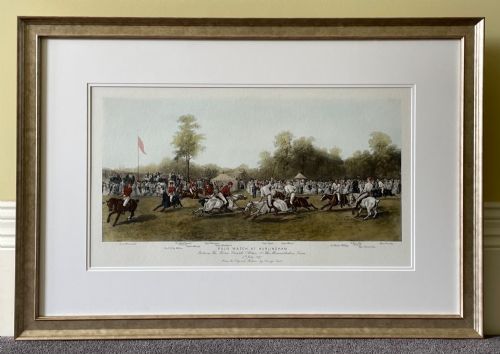

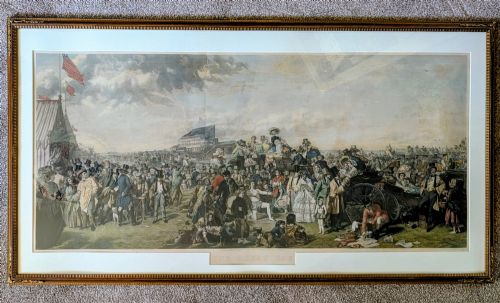
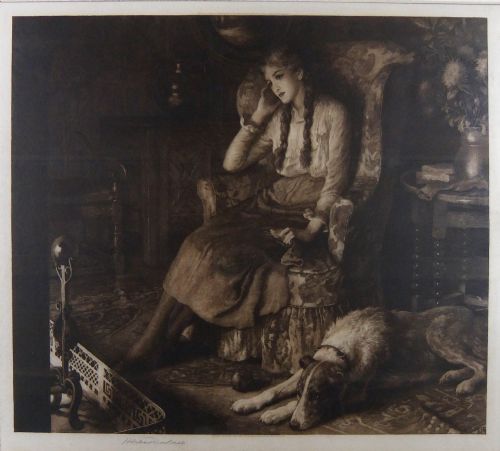
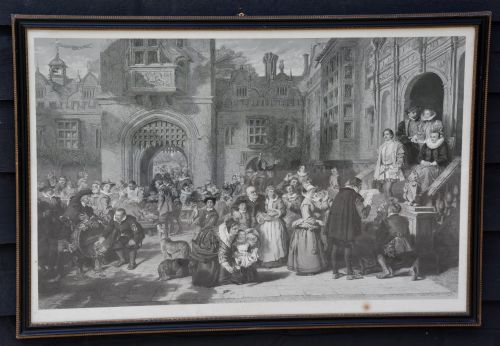
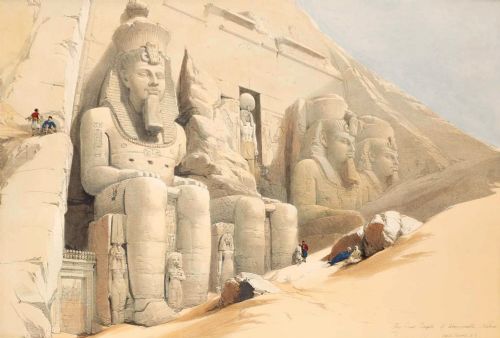
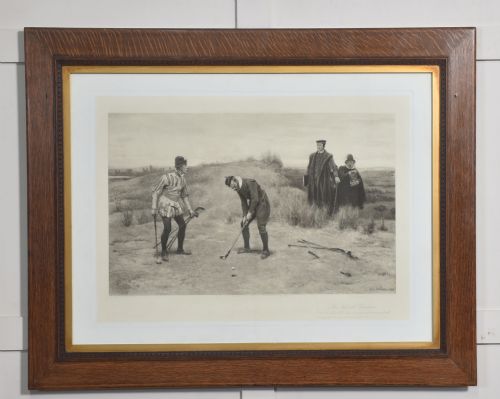
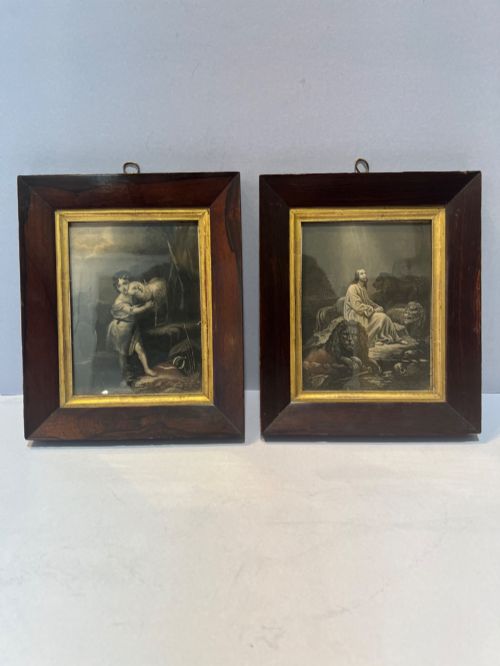
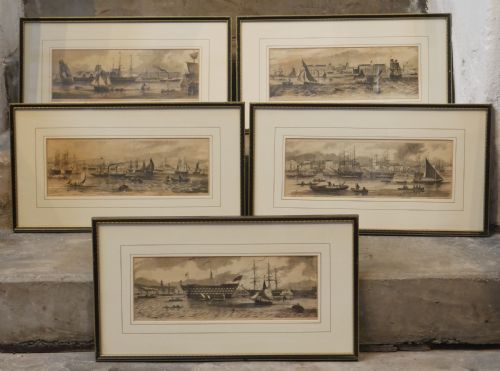
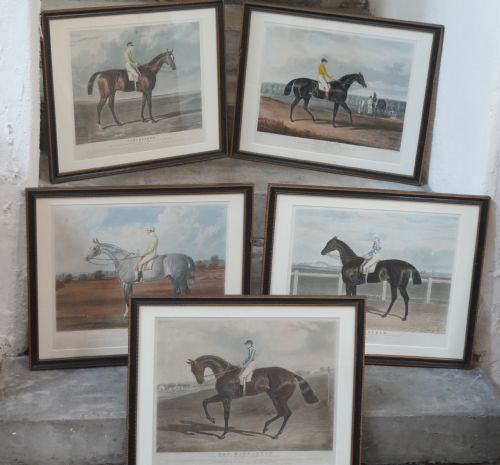
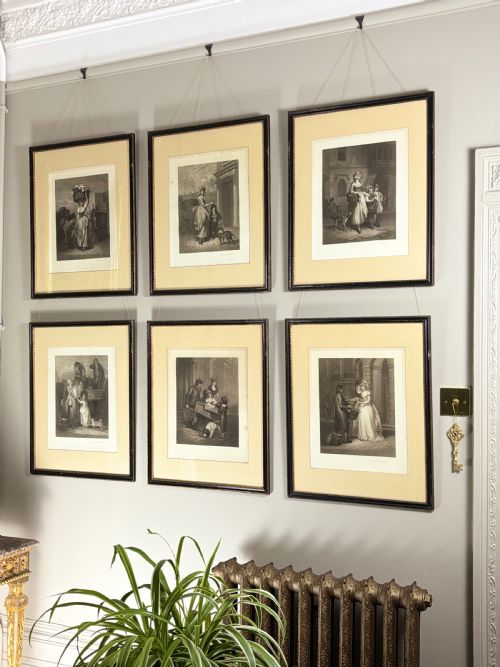


Framed Victorian Engraving Artwork
Framed victorian engraving artwork brings nineteenth-century printmaking onto the wall in timber surrounds with glass protection.
Framed Victorian Engraving Artwork
Collectors seeking framed victorian engraving artwork encounter nineteenth-century wall pieces ranging from individual sheets to matched sets. The subjects span equine sports, naval reviews, classical scenes, and detailed botanical studies.
Most examples originate from the Victorian era and the decades immediately following, preserved behind glass within wooden or gilded frames. These pieces document popular culture, natural history, and historical events through traditional print methods.
Materials and Methods
Image creation relies on inked plates pressed onto paper, utilising techniques such as engraving, etching, mezzotint, aquatint, and lithography. Some plates receive later hand-colouring to add tone to the printed lines.
Framing utilises timber such as oak, alongside gilded wood and gold leaf, finished with protective glass. Original surrounds, including Hogarth frames, house the paper works securely.
The selection includes 19th Century, Victorian, Edwardian, and 1920s periods, executed on paper with wood and glass framing.
Evaluating Quality
Quality rests on the clarity of the printed line and the crispness of the impression taken from the plate. Earlier impressions show sharper detail before wear accumulates on the printing surface.
The choice of framing contributes to the overall standard, particularly where original wood or gilt surrounds remain paired with the paper work. Complete sets of matching plates also elevate the standing of the pieces.
Herbert Dicksee·William Powell Frith·John Curtis·Gustave Doré·Adolphe Pannemaker
The Framed Victorian Engraving Artwork Glossary
- Engraving
- A printmaking method where an artist cuts lines directly into a metal plate using a sharp tool. The resulting incisions hold the ink for transfer onto paper.
- Etching
- A process where acid bites the lines into a metal plate through a protective ground. This technique allows for fluid, expressive marks in the printed image.
- Mezzotint
- A tonal printmaking method that works from dark to light by roughening the metal plate. It produces rich, velvety blacks and smooth gradations of tone.
- Aquatint
- A print technique that creates areas of tone rather than lines through the use of acid-resistant resin. It often combines with line etching to produce watercolour-like effects.
- Lithography
- A planographic printing process based on the mutual repulsion of oil and water. Artists draw on stone or metal plates to produce the image.
- Drypoint
- A sharp needle scratched directly into a metal plate without acid, raising a burr that creates soft, velvety lines in the print.
Framed Victorian Engraving Artwork: Frequently Asked Questions
How do I hang these heavy frames?
These wall pieces utilise wood frames and glass that require secure fixings into wall studs or appropriate masonry plugs. Use picture wire and sturdy hooks rated for the weight of the timber and glass.
Position the centre of the artwork at eye level to ensure proper viewing height in domestic spaces.
Can I clean the glass?
Apply glass cleaner to a cloth rather than spraying directly onto the frame or print. Moisture must avoid the paper edges and wooden surrounds entirely.
Keep the cleaning liquid away from any exposed paper or antique timber surfaces to prevent staining.
Are these prints original to the period?
The listed works date from the nineteenth and early twentieth centuries, produced using traditional printing methods of the era. The materials include period paper, ink, and wood.
Examine the paper texture, plate marks, and framing construction to understand the age of each individual piece.
How should I protect the paper from light?
Position the framed artwork away from direct sunlight to prevent fading of the ink and paper over time. Indirect natural light or controlled gallery lighting preserves the tones.
Consider specialist glass options if placing the piece in a naturally bright room.