
Framed Victorian Children Art
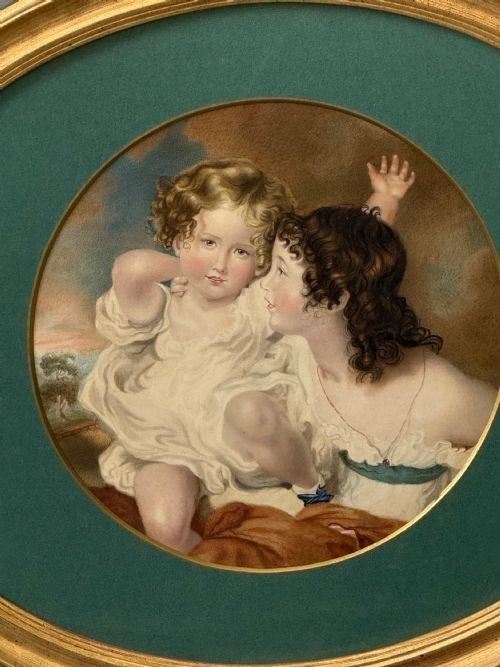
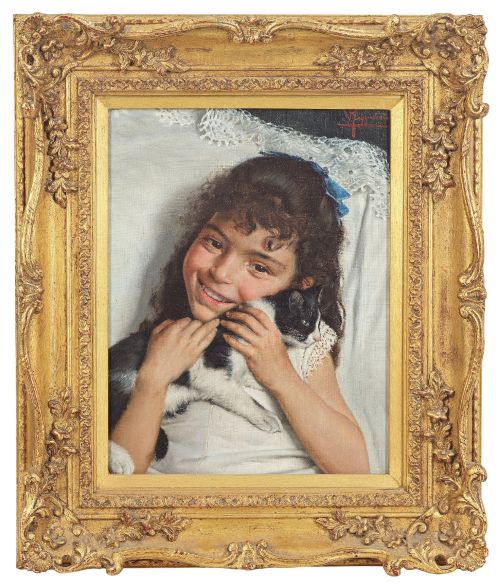
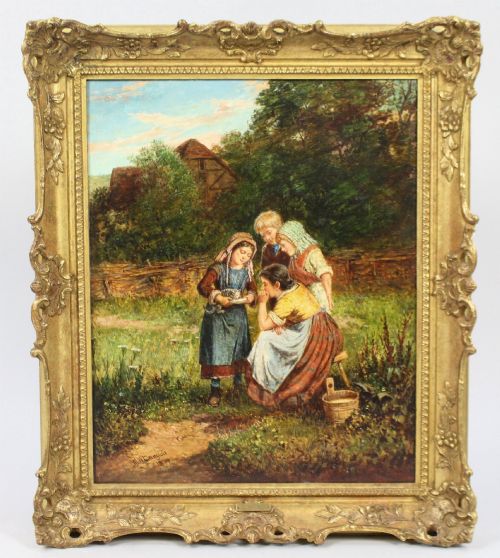
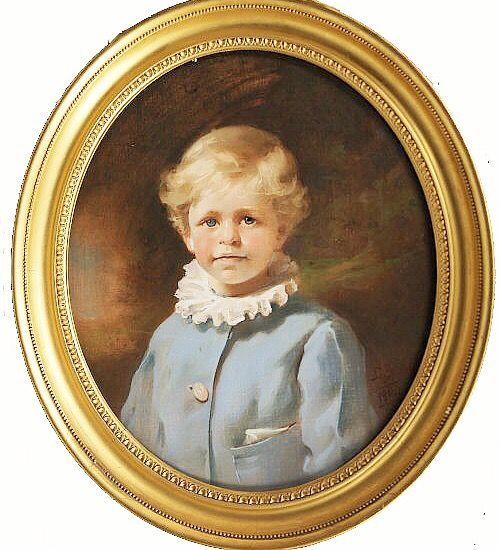
Framed victorian children art captures nineteenth-century domestic life through portraits and genre scenes that bring warmth and character to a room.
Framed Victorian Children Art
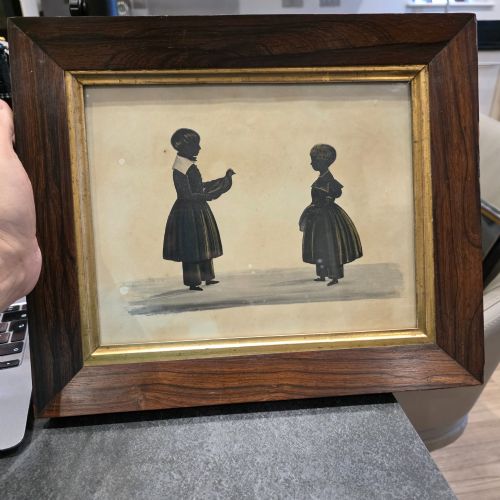
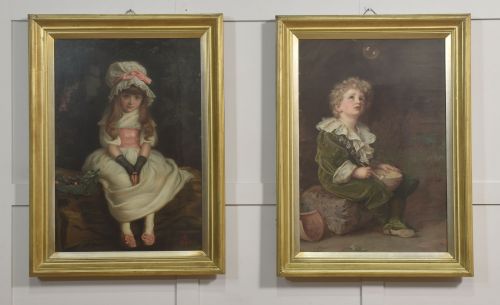
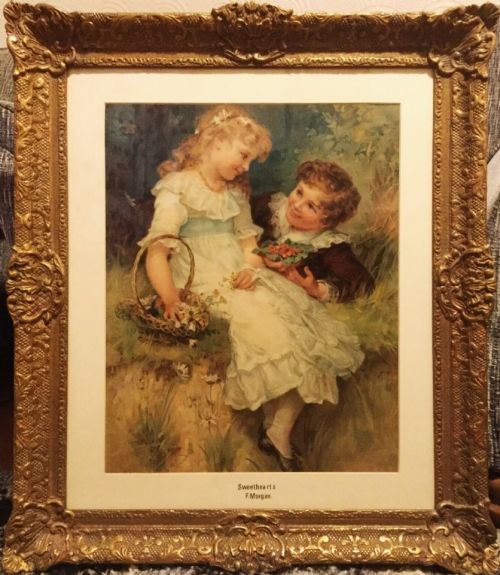
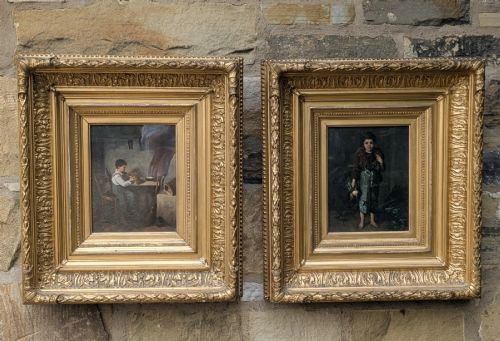
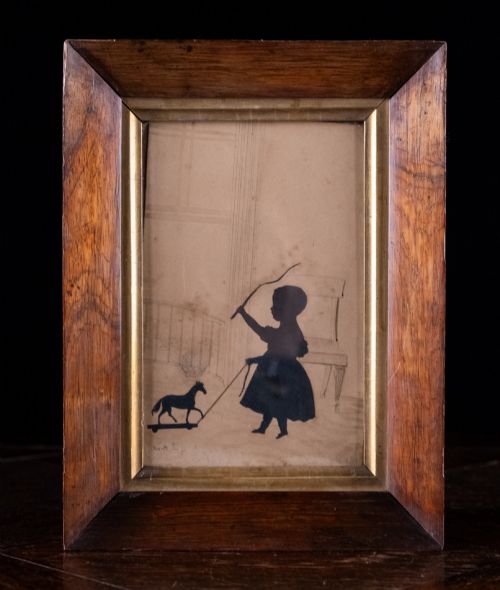
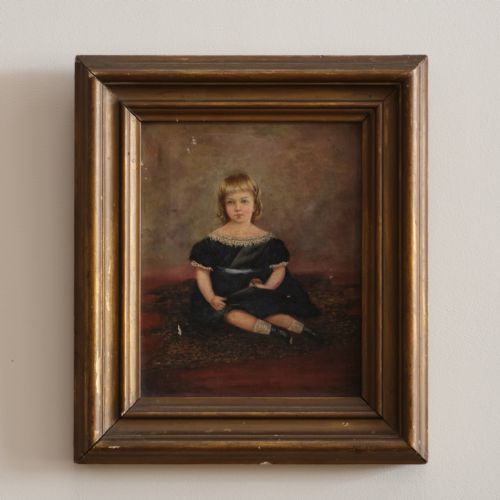
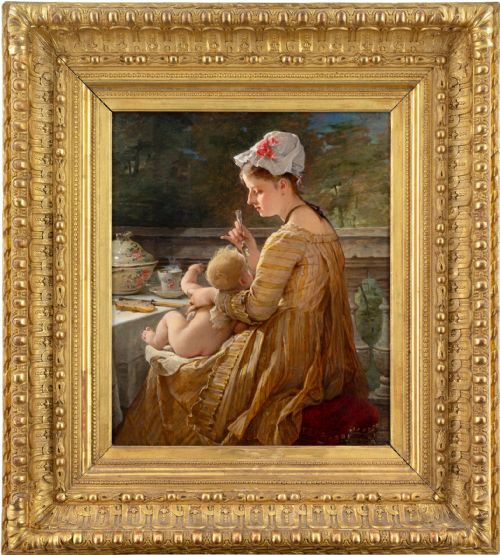
When you search for framed victorian children art, you encounter oil paintings, watercolours, pastels, silhouettes, and prints depicting youngsters in various domestic and rural settings. These works range from formal portraiture by recognised artists to naive depictions and advertising prints from the wider nineteenth and early twentieth centuries.
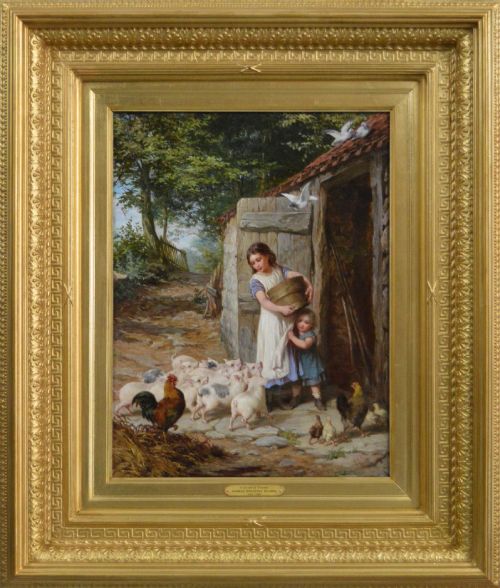
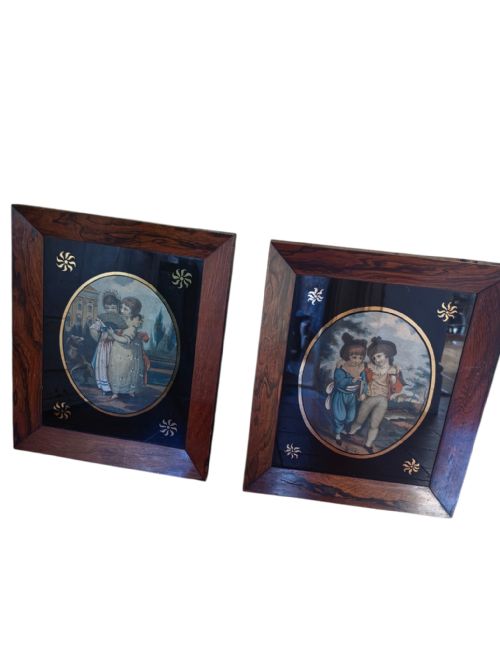
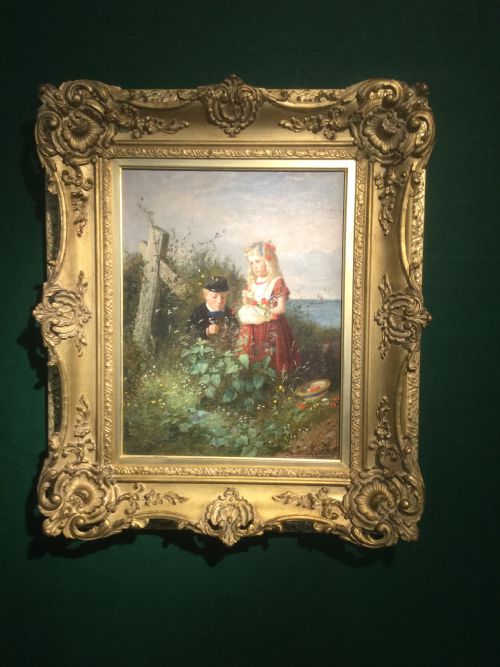
The subjects appear engaged in everyday activities such as feeding animals, playing with toys, or gathering firewood. Many examples arrive preserved in their original giltwood, gesso, rosewood, or ebonised frames, maintaining the complete aesthetic of the period.
Materials and construction
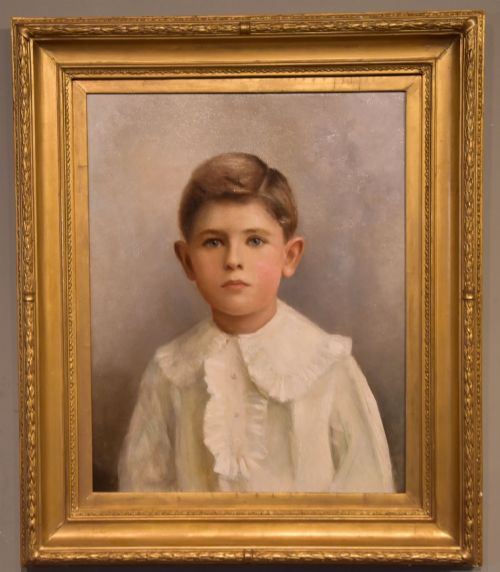
The physical works utilise oil on canvas, watercolour, pastel on canvas, paper, and hand-cut paper for silhouettes. These mediums determine the texture and visual depth of each piece, whether executed with the fine brushwork of academic painters or the simpler strokes of naive folk art.
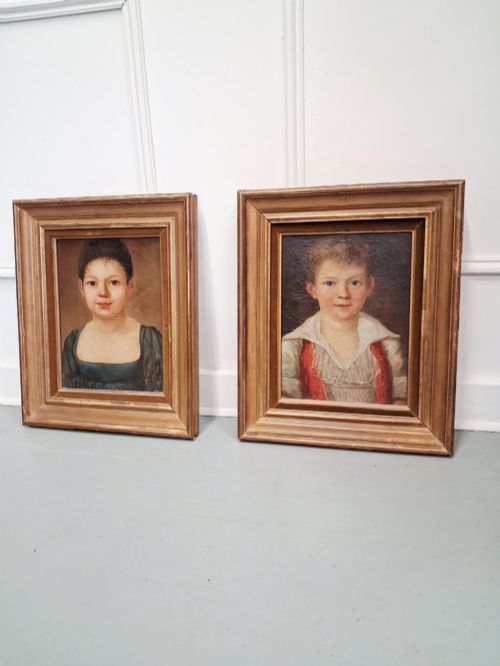
Frames play a crucial role in the presentation, employing carved gesso finished with heavy gilding or polished rosewood and ebonised timber. Glass protects works on paper, pastels, and watercolours, safeguarding the delicate pigments from atmospheric damage.
Children share the frame with piglets, chickens, kittens, and even a horse, proving that nineteenth-century youngsters rarely posed without an animal companion.
Distinguishing quality
Quality rests upon the skill of the draughtsmanship and the expressive capability of the handling, distinguishing academic portraits from simpler provincial works. Works by exhibited artists display a sophisticated understanding of light, anatomy, and narrative composition.
The integrity and originality of the framing contribute significantly to the piece. Period frames that match the age and style of the artwork enhance the overall coherence and historical value of the object.
Frederick Morgans·Sir Thomas Lawrence·Vittorio Reggianini·Mark William Langlois·Augustin Edouart·George Augustus Holmes·Henry Windsor Fry·Charles Hunt·Frederick Tatham·Emily Eyres·Charles Edward Wilson·Harry Brooker·Byam Shaw·George Bernard O'Neill·Thomas Bromley Blacklock·James Mallard Bromley·James Hardy of Bath·George Smith
The Framed Victorian Children Art Glossary
- Genre painting
- A style of art depicting scenes from everyday life, typically involving ordinary people engaged in common activities. These works provide social history through visual storytelling.
- Silhouette
- A portrait cut from black paper or painted in monochrome profile, popular before the widespread adoption of photography. Early examples often capture remarkable likenesses through precise outlines alone.
- Giltwood
- Timber carved and coated with a thin layer of gold leaf or metal powder. This finish adds a reflective quality that complements nineteenth-century interiors.
- Gesso
- A plaster-like mixture applied to wooden frame mouldings before gilding or painting. It provides a smooth surface for intricate decorative carving.
- Naive art
- Work created by artists without formal academic training, characterised by a flat perspective and direct expression. Such pieces possess a distinct charm and simplicity.
Framed Victorian Children Art: Frequently Asked Questions
What periods do these pieces date from?
The listings span the nineteenth century into the early twentieth century, incorporating Victorian, Edwardian, and Regency aesthetic sensibilities.
While the core material centres on the Victorian era, the selection also includes slightly earlier Regency works and later Edwardian reproductions or advertising prints.
How should I display them at home?
These works suit traditional study spaces, living rooms, and hallways where their narrative charm can be appreciated up close.
Consider grouping smaller silhouettes or watercolours together on a wall, while larger oil paintings in gilt frames make strong individual focal points.
Are the frames original to the art?
Many pieces retain their period frames, such as rosewood, ebonised wood, or heavily gilded gesso mouldings appropriate to the date of the artwork.
Checking the fit and backing helps determine if the frame has housed the piece for generations or represents a later pairing.
What is the difference between a print and an oil painting?
Oil paintings feature textured brushstrokes and pigment applied directly to canvas or board by an artist's hand.
Prints, including lithographs and advertising items, offer a flat mechanical reproduction of an original artwork created for wider distribution.