


Framed Taxidermy Display
A framed taxidermy display brings natural history indoors, preserving birds and insects behind glass within Victorian and early twentieth-century wooden cases.
Framed Taxidermy Display
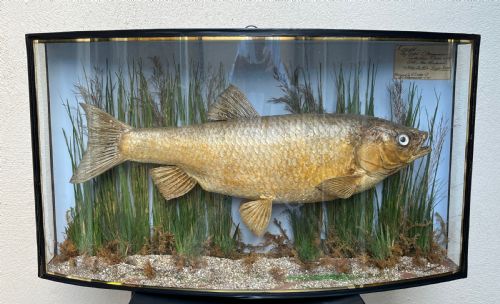
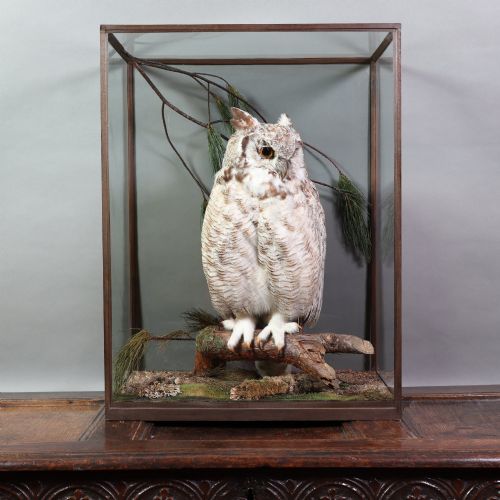
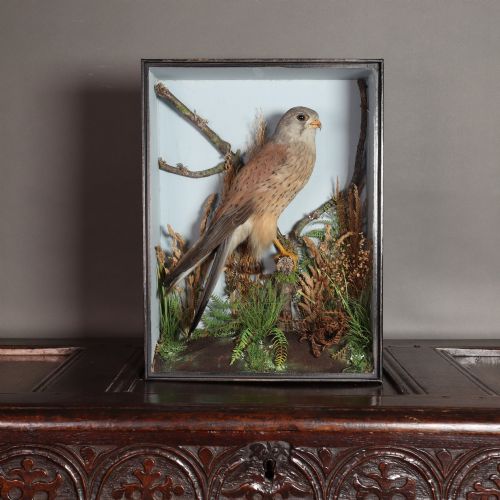
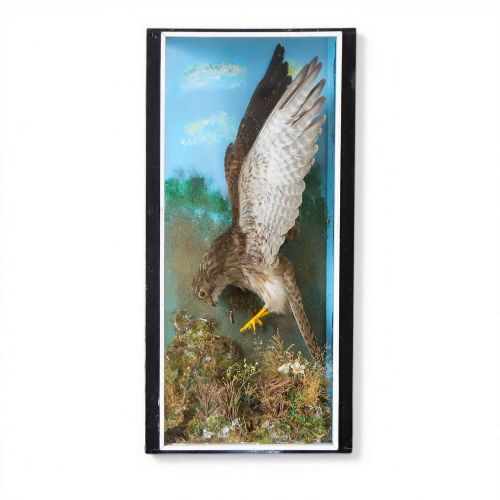
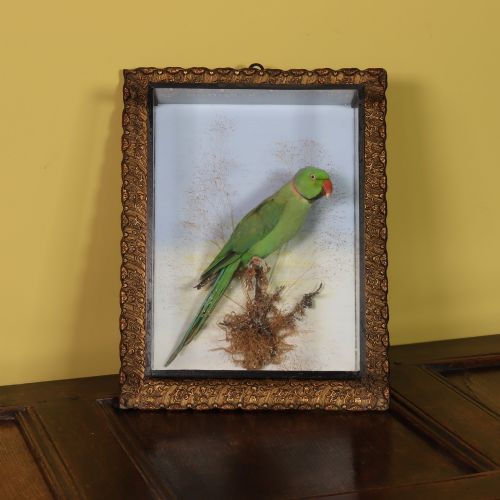
A framed taxidermy display captures birds, insects, and feathers preserved in glass-fronted wooden boxes, shadow boxes, and picture frame cases. These works emerge predominantly from the Victorian and Edwardian eras, reflecting a profound societal fascination with natural history and scientific collection.
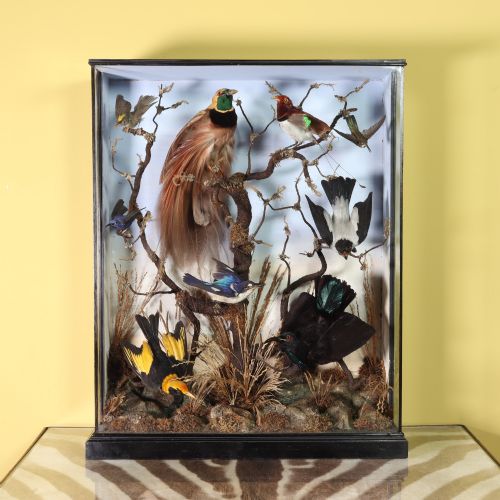
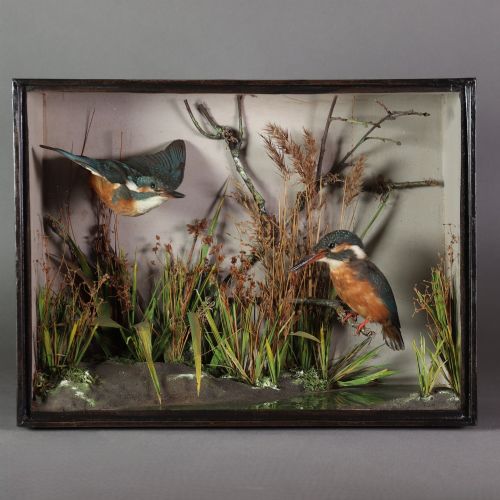
The objects span single specimens such as kingfishers, owls, and butterflies alongside complex dioramas containing multiple birds arranged within simulated natural environments. Buyers frequently encounter regional variations, from simple oak cases to elaborate painted settings depicting snow scenes or reed beds.
Originating as both scientific records and domestic ornamentation, these displays transform preserved specimens into lasting wall art and curiosity cabinet decor. The pieces range from intimate framed butterflies to substantial multi-species cases housing exotic birds from distant continents.
How they were made
Taxidermists mounted specimens over carved or wire armatures, setting them into constructed wooden cases fitted with glass fronts to protect the delicate feathers and biological material from dust and moisture. Backgrounds often featured painted paper panels designed to create realistic depth behind the subjects.
Makers integrated natural elements such as dried reeds, moss, gravel, and painted foliage to anchor the specimens within convincing miniature habitats. The outer frames utilised timbers like oak and painted wood, sealed carefully to preserve the interior diorama over generations.
Victorian taxidermists occasionally dressed small birds in human clothing, though our current selection sticks strictly to feathers and fur.
What varies in quality
Quality rests significantly upon the anatomical accuracy and posture achieved by the taxidermist, distinguishing lifelike specimens from rigid or distorted historical mounts. Master practitioners captured distinct behavioural poses and natural expressions that maintain their vitality across the decades.
The complexity and execution of the internal diorama further elevate a piece, with superior examples featuring meticulously constructed habitat backgrounds and balanced compositions of multiple specimens. Original glass, undisturbed paper linings, and robust framing by documented practitioners add considerable distinction to individual works.
Little & Co·Rowland Ward Ltd·T E Gunn·William Bazeley & Sons·Hutchings of Aberystwyth
The Framed Taxidermy Display Glossary
- Taxidermy display case
- A wooden box with a glass front designed to protect and exhibit preserved animal specimens. These enclosures often incorporate hanging loops for wall mounting or flat bases for cabinet placement.
- Diorama
- A three-dimensional scene featuring taxidermy specimens positioned within a constructed natural habitat. Painted paper backgrounds and physical elements like moss and dried reeds complete the illusion.
- Entomology case
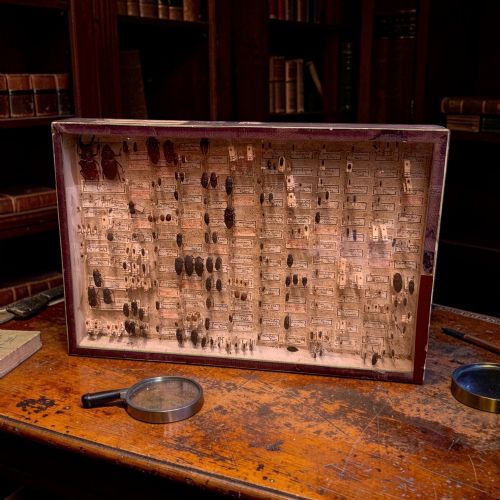
- A shallow wooden frame dedicated to the display of preserved insects such as butterflies and moths. These specialised enclosures protect delicate specimens from light damage and pests.
- Picture frame case
- A deep wooden frame that houses a taxidermy specimen directly on the wall like a traditional painting. This format brings three-dimensional natural history specimens into standard framing conventions.
Framed Taxidermy Display: Frequently Asked Questions
How do I hang a heavy taxidermy case?
Substantial wooden display cases require secure wall fixings anchored directly into wall studs or masonry using appropriate heavy-duty screws. Due to the weight of the timber, glass, and internal specimens, relying on standard picture wire is generally discouraged.
Ensure the hanging brackets attached to the back of the frame are structurally sound before mounting the piece at eye level away from direct sunlight.
Where should I place these displays at home?
Position your framed display in a stable environment away from direct sunlight, radiators, and damp spaces to protect the delicate feathers and paper components. Consistent indoor temperatures prevent the wooden framing and natural materials from drying out or degrading over time.
These pieces suit studies, hallways, and living rooms where they can be viewed closely as part of a traditional curiosity cabinet arrangement or gallery wall.
How do I clean antique glass and wood?
Wipe the exterior glass gently using a soft cloth and a mild glass cleaner sprayed onto the cloth rather than directly onto the frame. This prevents excess moisture from seeping into the wooden joints or damaging the historical seals.
Dust the wooden frame with a dry microfiber cloth and avoid applying liquid polishes that might stain painted surfaces or porous materials within the display.
Are these specimens from the nineteenth century?
The pieces originate predominantly from the Victorian era and the early twentieth century, reflecting the peak period of natural history collecting. Makers utilised specific mounting techniques and timber styles characteristic of the 1870s through to the 1930s.
Examining the construction methods, backing paper, and historical labels helps date individual cases to specific decades within this timeframe.