



Framed Tapestry Picture
A framed tapestry picture brings interior walls alive with textured wool, silk, and historical narrative.
Framed Tapestry Picture
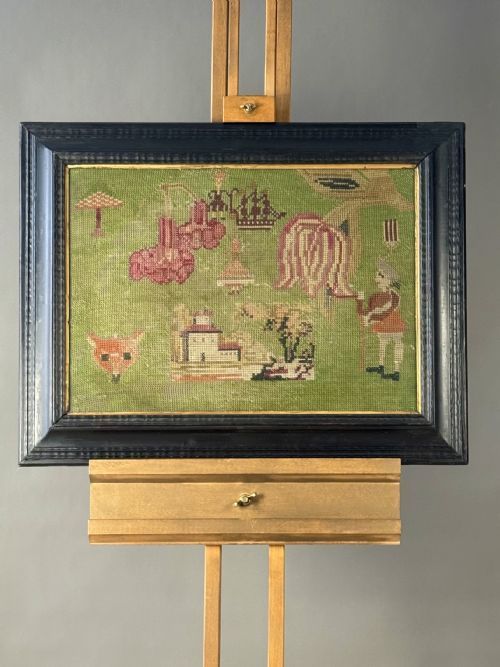
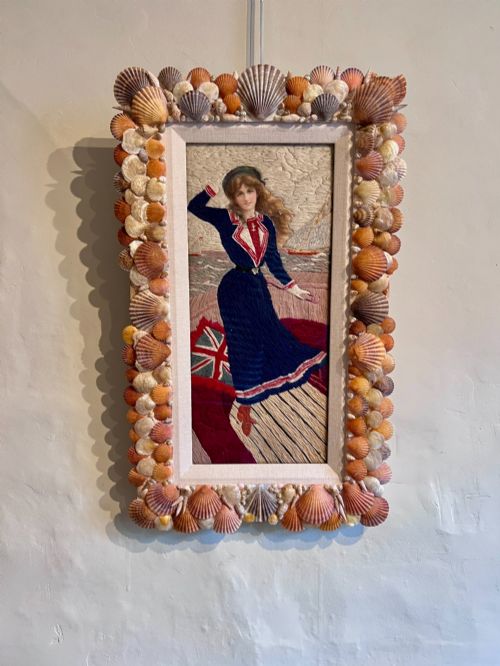
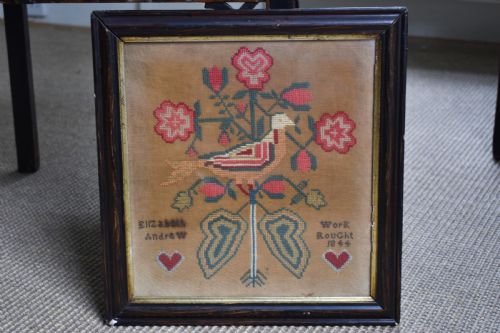
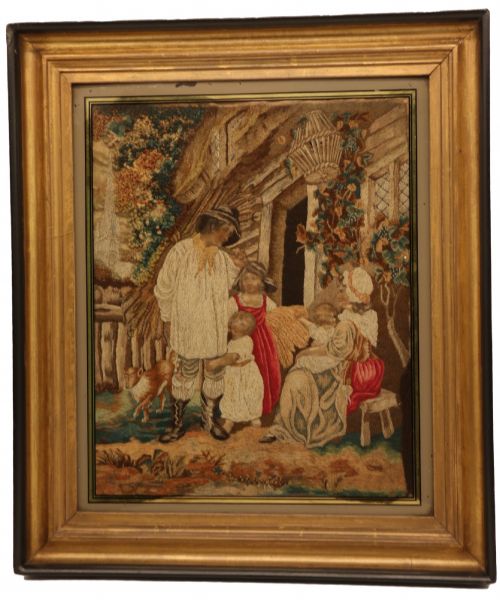
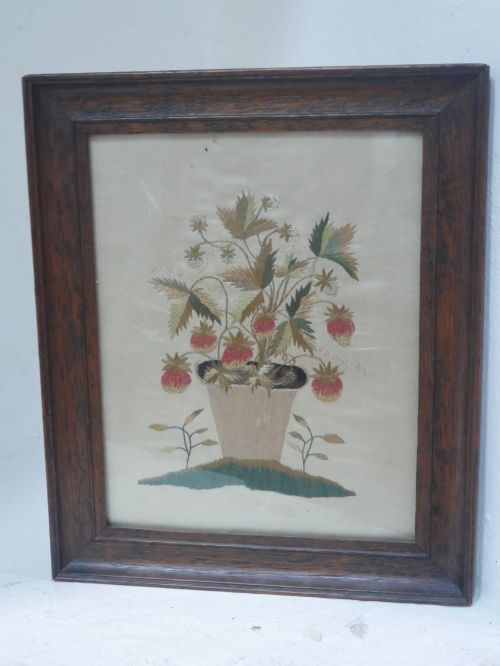
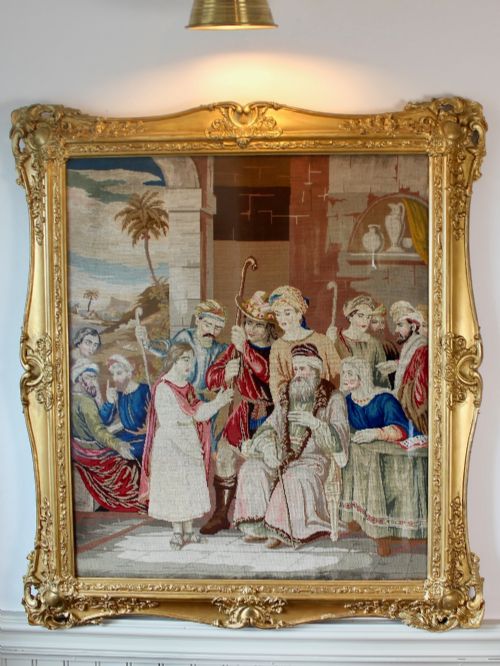
A framed tapestry picture represents a textile artwork created by hand and preserved behind glass within a timber or gilded surround. When people search for a framed tapestry picture, they encounter needlework panels, samplers, and woolwork depictions ranging from seventeenth-century fragments to late Victorian woollies.
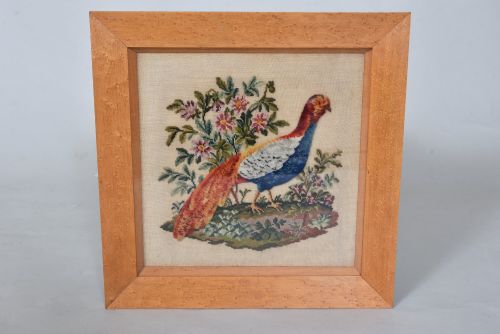
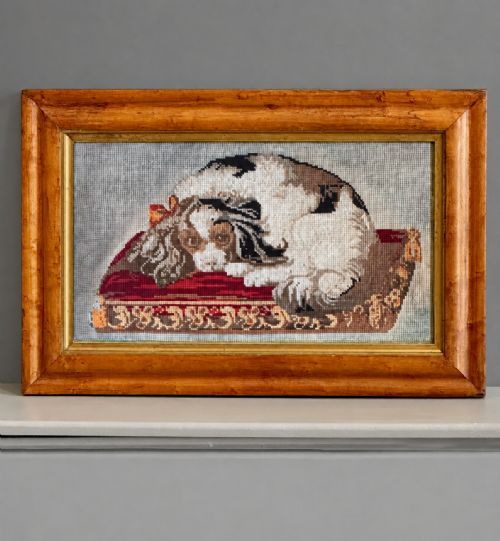
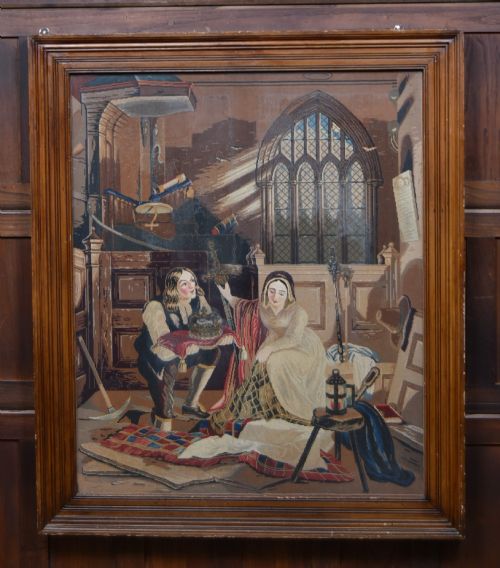
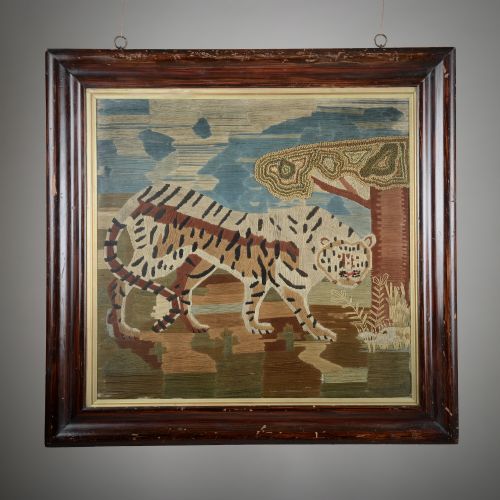
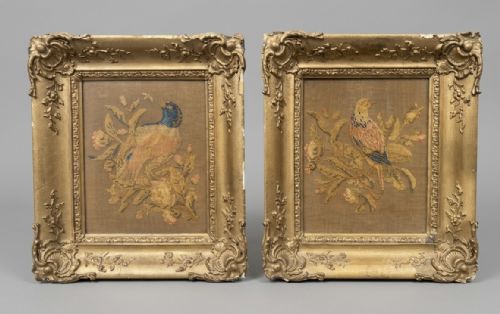
The nineteenth-century examples dominate the selection, bringing Berlin woolwork, plushwork animals, and silk-embroidered portraits to the wall. Earlier seventeenth and eighteenth-century needlework pictures appear less frequently, often displaying classical motifs, royal hunting scenes, or detailed map samplers.
Makers utilised canvas, linen, and wool threads alongside hand-painted silk sections to build depth and colour into each composition. These textiles arrived in various formats, from oval landscape views to large rectangular panels housed in original burr maple or giltwood frames.
How they were made
Protecting these textiles required substantial wooden enclosures, frequently fashioned from burr maple, gilt wood, or giltwood moulding. Glazing with glass shielded the delicate threads from dust and atmospheric moisture over centuries of domestic display.
Needlework dogs occasionally sport real glass eyes stitched right into the wool.
What varies in quality
The fidelity of the needlework and the retention of original colour define the upper tier of these works. Tightly executed gros-point stitches maintain crisp architectural lines and facial expressions, whereas looser work blurs the intended imagery.
The integrity of the frame holds equal weight in assessing a piece. Original burr maple and period giltwood surrounds that match the age of the textile elevate the entire object above those rehoused in modern mouldings.
The Framed Tapestry Picture Glossary
- Berlin work
- A style of needlepoint popular in the nineteenth century that used charted patterns and brightly coloured wools. It allowed makers to produce elaborate pictorial scenes from floral arrangements to historical portraits.
- Plushwork
- A variant of needlework where loops of wool were cut to create a raised, velvety pile. This technique provided realistic texture for animals like pheasants.
- Gros-point
- A counted-thread embroidery stitch executed on coarse canvas that creates a durable, textured surface. It forms the heavy background and primary structure of many early tapestries.
- Verre Églomisé
- A process of applying design and gilding to the rear face of glass to create a reflective, decorative border. It frequently appears on Regency frames surrounding oval portraits.
Framed Tapestry Picture: Frequently Asked Questions
How do I hang a framed tapestry picture safely?
Position the textile away from direct sunlight to prevent the silk and wool threads from fading. Use sturdy wall fixings suited to the weight of the timber and glass frame.
Keep the picture away from damp walls and heat sources such as radiators. Stable indoor humidity protects both the mounting fabric and the wooden frame from warping.
What is the difference between a sampler and a tapestry picture?
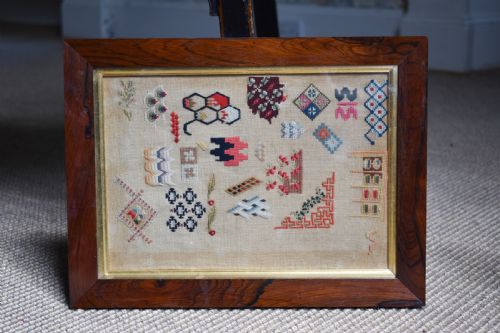
A sampler typically displays alphabets, numerals, and assorted practice stitches worked by a maker to demonstrate proficiency. They often record a name, date, and age.
A tapestry picture focuses entirely on a pictorial narrative, landscape, or portrait scene rather than demonstrating stitch variations. Both forms share similar wool and linen construction materials.
How do I clean the glass on old frames?
Apply a mild glass cleaner to a soft cloth rather than spraying the liquid directly onto the frame. This prevents moisture from seeping past the rebate and damaging the antique textile inside.
Wipe the glass gently while supporting the frame on a flat, stable surface. Ensure no liquid touches exposed wooden surfaces or the edges of the needlework.
How can I tell a Victorian piece from an eighteenth-century one?
Examine the materials and the complexity of the colour palette used in the wool work. Eighteenth-century pieces frequently employ subdued silk and wool threads depicting classical or pastoral themes.
Victorian examples often utilise brighter Berlin wools, synthetic aniline dyes, and varied stitching techniques like plushwork. Frame styles also offer clues, transitioning from Georgian mouldings to ornate Victorian giltwood.