





Framed Street Scene Art
Framed street scene art captures urban life and bustling thoroughfares through the eyes of painters working from the nineteenth century to the mid-twentieth century.
Framed Street Scene Art
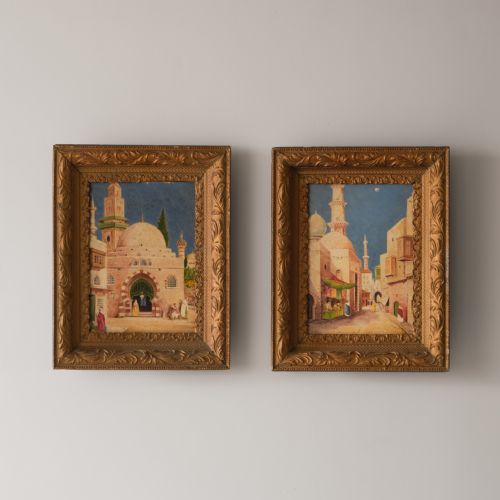
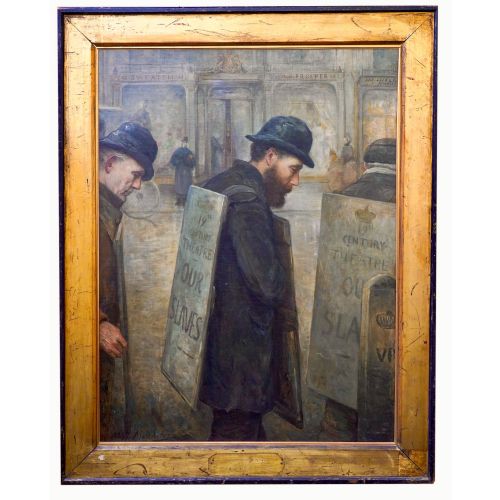
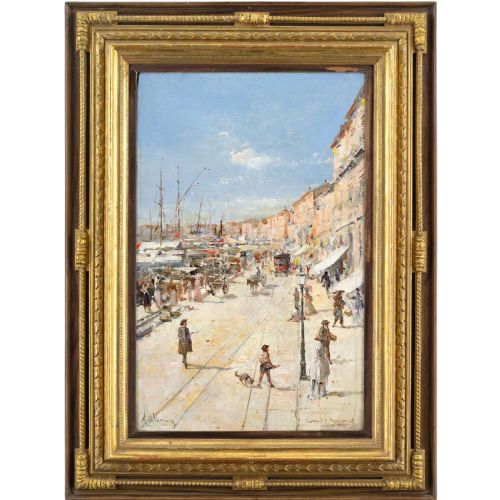
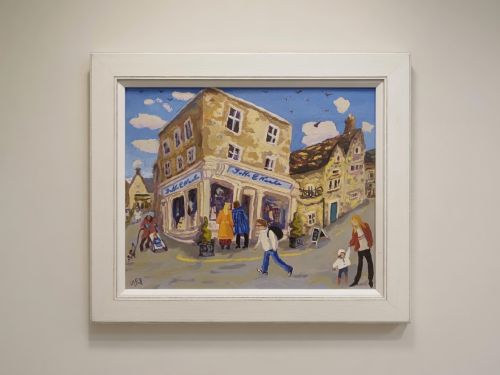
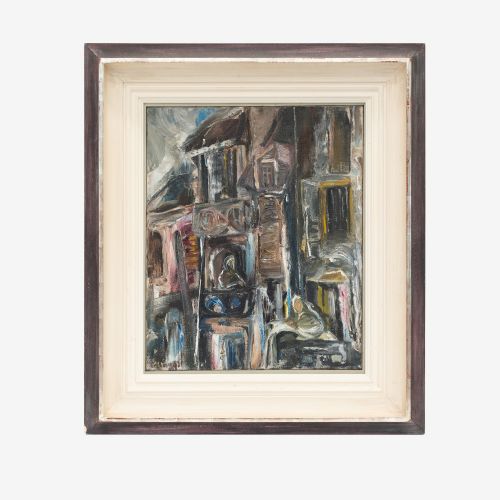
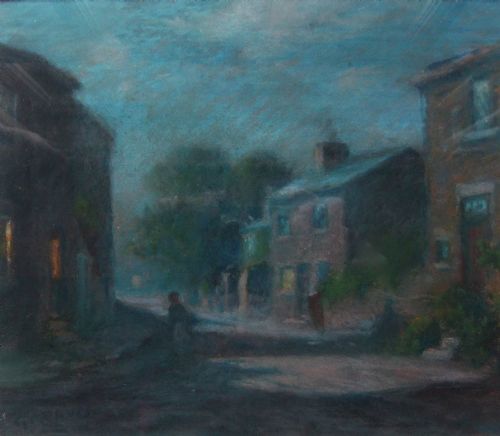
When searching for framed street scene art, buyers encounter urban landscapes, cityscapes and market views that record daily life in locations ranging from Paris and Venice to provincial English towns. The selection spans Georgian, Victorian and Edwardian periods, stretching through British Impressionism into mid-century interpretations.
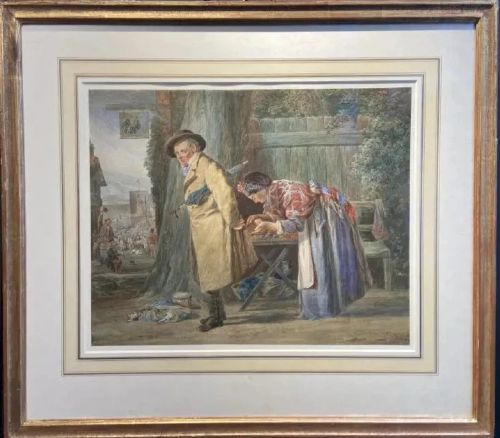
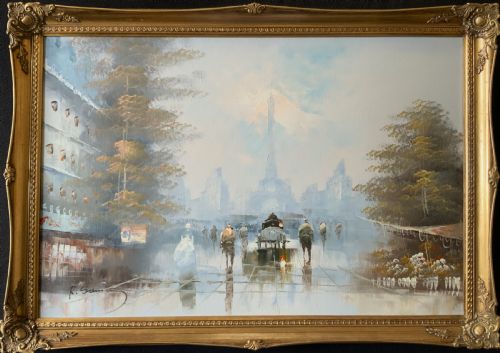
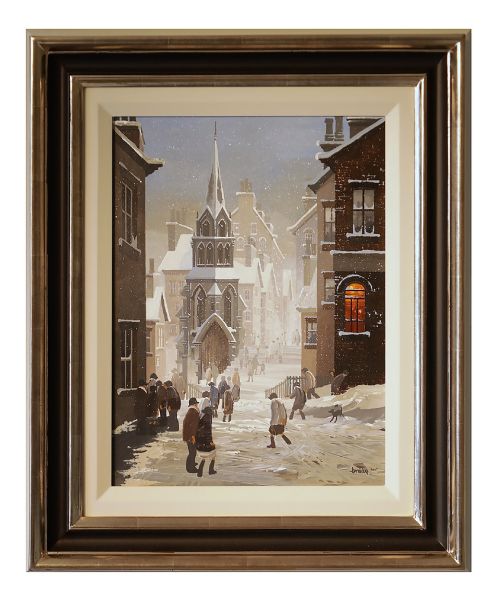
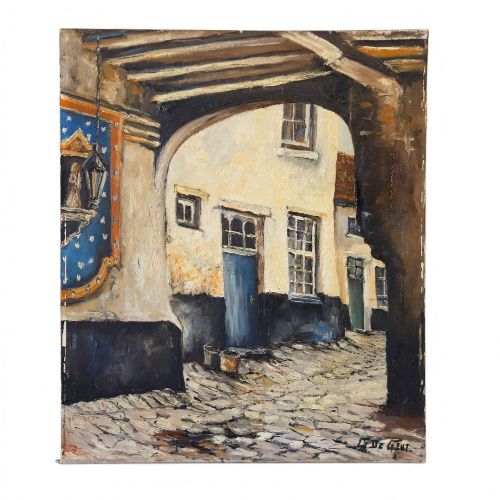
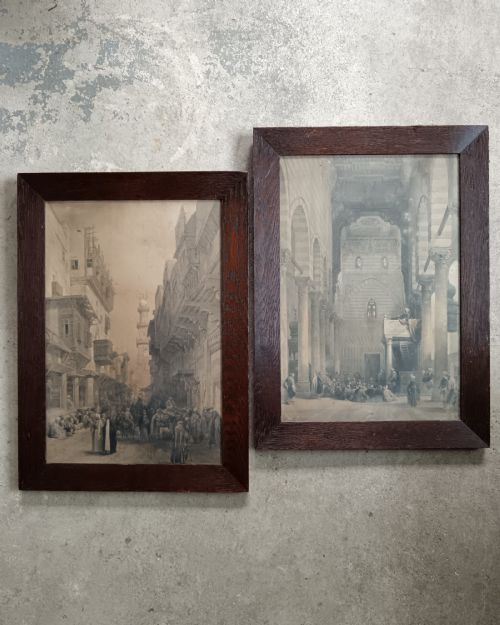
The most frequent examples on this page are oil paintings on canvas and board alongside watercolour paintings on paper, typically presented in period wooden or gilt frames. These works capture town squares, architectural views and bustling thoroughfares under various seasonal conditions.
Subjects range from named locations such as the Eiffel Tower and the Pont Neuf to intimate depictions of local markets and rural town streets. Creators include named continental and British artists working in styles that transition from traditional topographical recording to looser impressionistic brushwork.
Materials and construction methods
Paintings in this category rely primarily on oil paint applied to stretched canvas or wooden boards, alongside watercolours and pastels worked on paper. Artists utilised pigments that capture atmospheric shifts, from sunlit Mediterranean streets to winter snow scenes.
Framing forms an integral part of these pieces, utilising carved wood, glass protection for works on paper, and giltwood mouldings that complement the period of the artwork. Original frames frequently accompany the canvases and lithographs, bearing the marks of period makers and framers.
Listings feature works spanning from the nineteenth century through to nineteen sixty, utilising canvas, paper, wood, and glass materials.
Distinctions in quality and execution
Quality in these urban views rests upon the artist's command of perspective, handling of light and ability to convey the movement of figures within a built environment. Superior examples demonstrate confident brushwork and atmospheric depth rather than rigid architectural drafting alone.
The harmony between the artwork and its period frame influences the overall integrity of the piece, with original framing adding contextual weight. Works that successfully capture the specific mood and bustle of a location distinguish themselves from generic topographical records.
Felix Stone Moscheles·Thomas Ellison·Augusto Alberici·Lucy Pratt·Joseph H Barnes·Brian Shields Braaq·Lilian Colbourn·Albert Ludovici Jnr·Caroline Burnett·William Greaves·Victor Gabriel Gilbert·Merio Ameglio·Léon Joseph Voirin·Cornelis Christian Dommersen·Cecil Rochfort D'Oyly-John·Louie Stanley Maurice Prince·William George Meadows·Lewis J Wood·John Smith Atherton·George Whyatt·Eduard Leon Cortes·Joseph W Milliken·Walter Meegan·Charles H Poingdestre
The Framed Street Scene Art Glossary
- Oil on canvas
- Pigment suspended in drying oil applied to a woven fabric support stretched across a wooden frame.
- Watercolour
- A painting method where paint is made with water-soluble pigments, typically executed on paper.
- Impressionism
- A style of painting emphasising spontaneous brushstrokes and the shifting effects of light rather than precise detail.
- Lithograph
- A printmaking process where an image is drawn onto stone or metal plate and transferred to paper.
- Giltwood
- Wood that has been coated with a thin layer of gold leaf or gold paint, frequently used for decorative frames.
Framed Street Scene Art: Frequently Asked Questions
What periods do these street scenes come from?
The listings span from the late Georgian and Victorian eras through the Edwardian period and into mid-century modern works up to nineteen sixty.
This broad timeline incorporates nineteenth-century topographical studies and twentieth-century impressionist interpretations of city life.
How should I care for framed watercolours?
Works on paper require protection from direct sunlight to prevent fading of watercolours and pastels behind glass.
Keeping them away from damp environments ensures the paper support and wooden frame remain stable over time.
Are these paintings supplied in frames?
The majority of pieces are offered ready to hang within their existing wooden, giltwood or period frames.
Some items retain original framing from historical makers, which preserves the complete presentation of the artwork.
How do I distinguish between oil paintings and watercolours?
Oil paintings feature textured paint surfaces applied to canvas or board, often without glass protection.
Watercolours display a flatter finish on paper and are mounted beneath glass to safeguard the delicate pigments.