

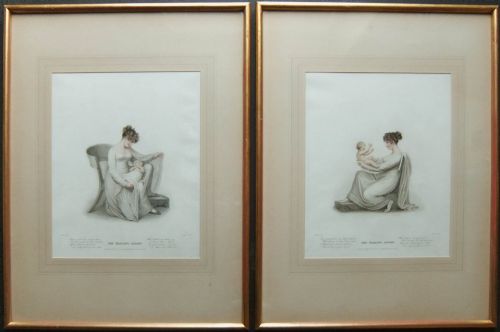
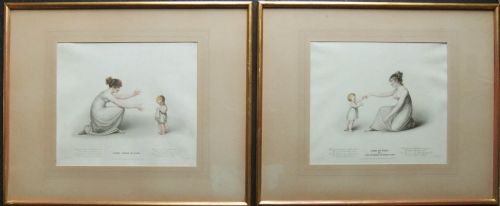
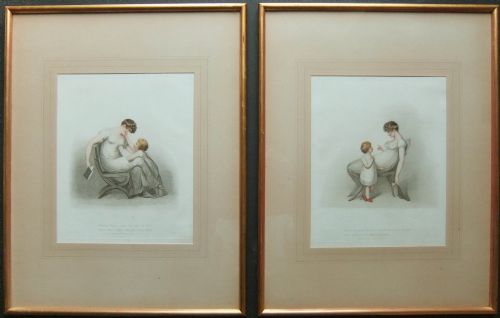


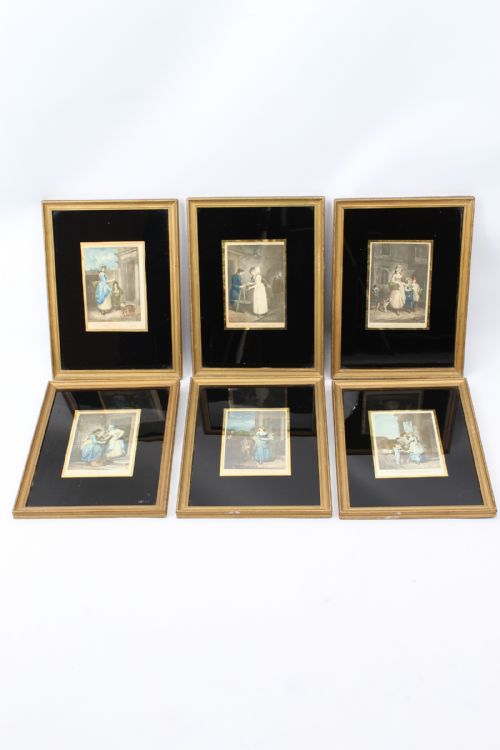


Framed Stipple Engravings
Framed stipple engravings are delicate works created with dotted ink techniques, bringing classical portraits and domestic scenes to British interiors.
Framed Stipple Engravings
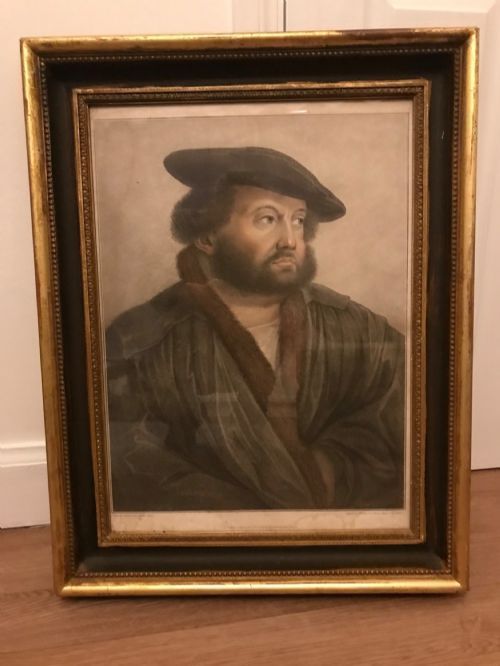
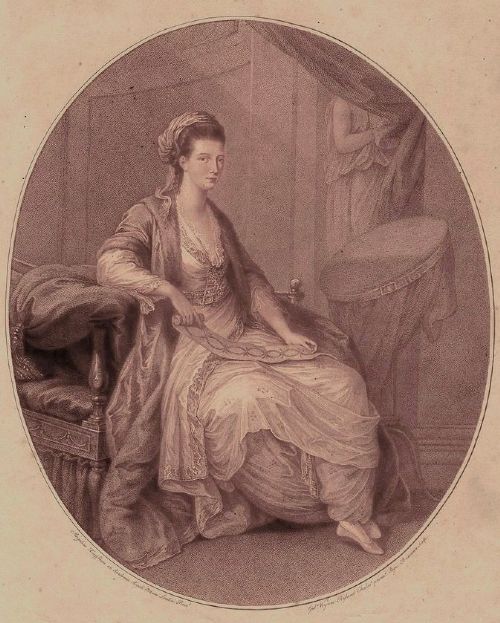
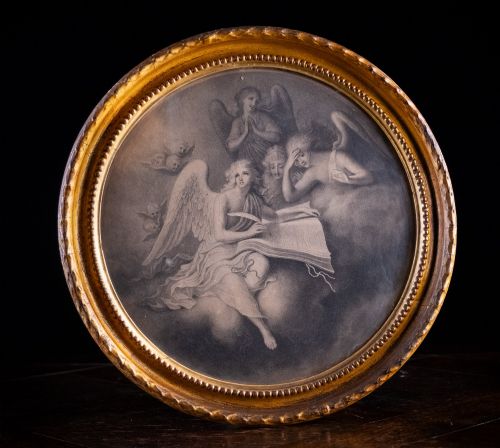
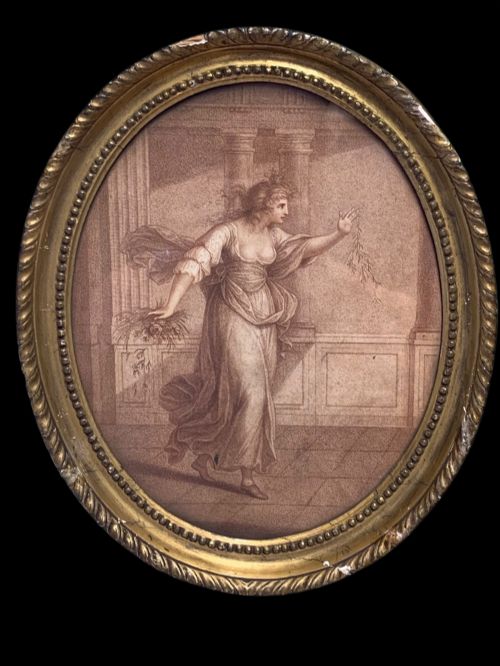
Framed stipple engravings comprise detailed works on paper dating from the eighteenth century, the Regency era, and later revival periods. Buyers encounter portrait prints, classical subjects, and domestic pairs set behind glass.
How they were made
Printmakers built up images using tiny dots of ink on paper, sometimes adding hand-colouring to enhance the final appearance. Makers employed copper plates to transfer these fine dotted patterns.
Glaziers and framers housed the delicate sheets beneath glass, securing them within wooden, gilt, or giltwood mouldings to protect the paper from atmospheric damage.
Printers achieved tonal depth by punching countless tiny holes into copper plates with specialised needles.
What varies in quality
The housing also defines the piece, with period frames of gold leaf or gilt wood holding greater historical consistency than later replacements.
Francesco Bartolozzi·Adam Buck·E. Jackson Stodart
The Framed Stipple Engravings Glossary
- Stipple engraving
- A printmaking technique where images are formed by small dots rather than continuous lines. This method allowed for subtle tonal gradations, particularly in flesh tones.
- Giltwood
- Timber carved and coated with a layer of gold leaf or gilder's compo. It provides a bright finish common on period frames.
- Hogarth frame
- A narrow, stepped wooden frame profile often finished in dark lacquer or black with gilt inner edges. It is frequently seen on eighteenth and nineteenth-century prints.
- Neoclassical
- A style drawing inspiration from classical antiquity. It influences many of the subject matters found in these prints.
- Hand-coloured
- Prints where pigment was applied by hand after the initial impression. This added colour to monochrome plates.
Framed Stipple Engravings: Frequently Asked Questions
Where should I hang these prints at home?
Hang these works away from direct sunlight and damp walls to preserve the paper and any hand-applied colour. Hallways, studies, and drawing rooms suit their traditional scale and subject matter.
Pairing matching subjects, such as pairs or series, creates a balanced display on a panelled or painted wall.
How do I identify a Regency frame?
Regency frames often feature specific mouldings, richer gilding techniques, and heavier timber construction than later Victorian equivalents. They frequently house prints from the early nineteenth century.
Examining the corner joints and the backboards provides further clues regarding the age of the housing.
Are all these prints hand-coloured?
Many examples remain in monochrome ink, while others feature careful additions of watercolour applied by hand. Listings specify whether colour was added to the impression.
Close inspection under a magnifying glass reveals whether pigment sits on top of the ink dots.