




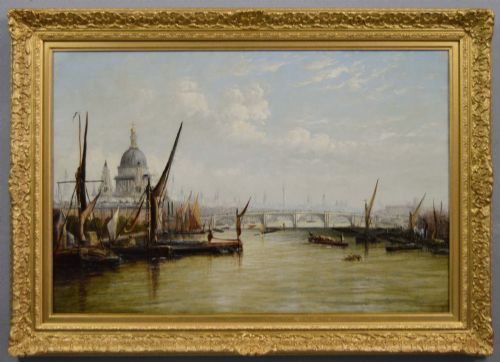
Framed Sailing Artwork
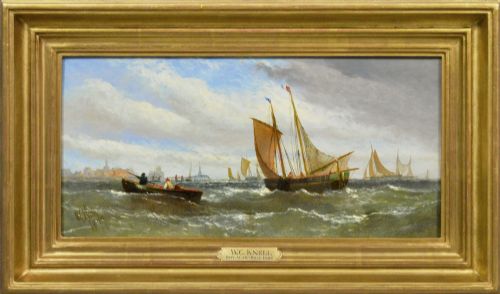
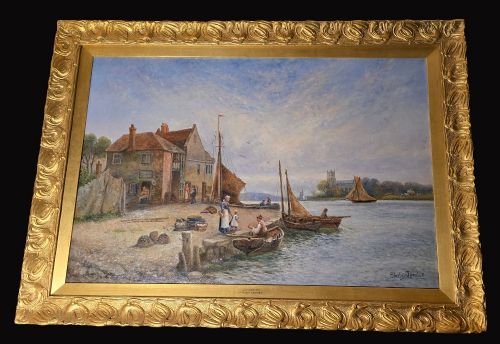
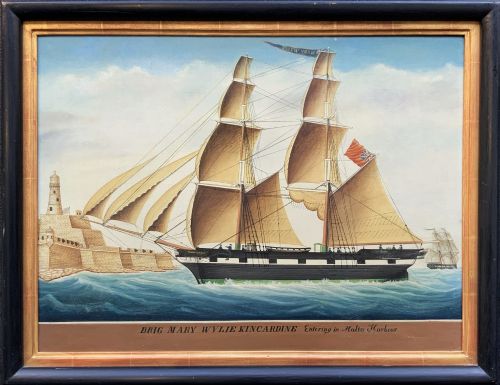
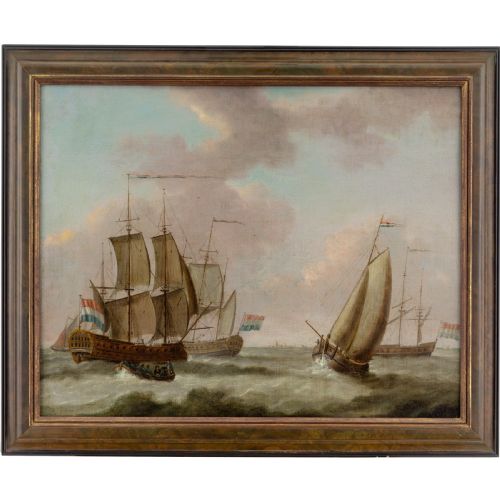
Framed sailing artwork captures the enduring romance of maritime history through detailed depictions of vessels navigating rolling seas and quiet harbours.
Framed Sailing Artwork
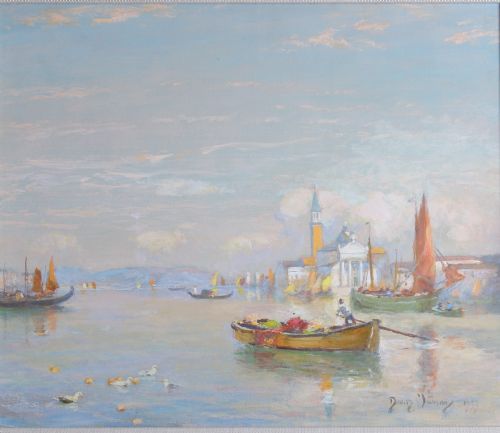
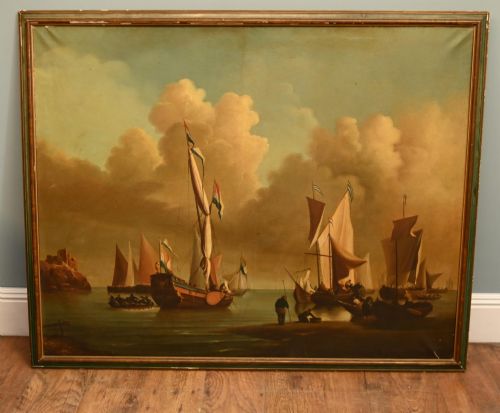
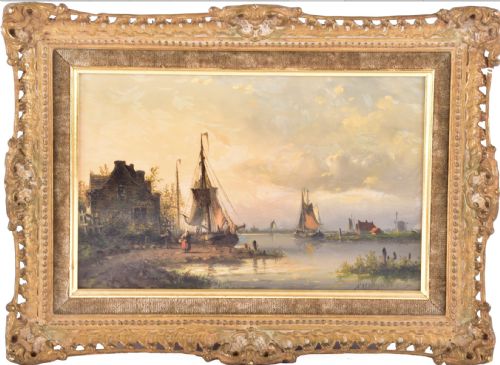
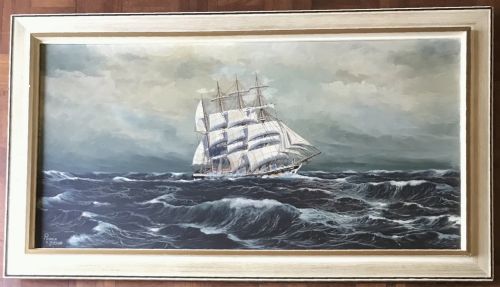
Framed sailing artwork spans centuries of maritime creation, focusing primarily on oil paintings and watercolours depicting ships, coastal scenes, and open seas.
The selections encountered here range from early eighteenth-century Dutch school depictions to twentieth-century impressions, reflecting diverse naval and merchant vessels.
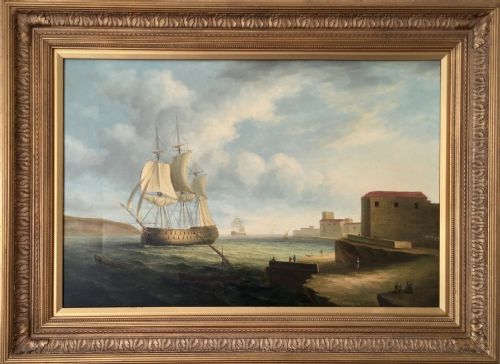
Works appear in traditional wooden and gilt frames, preserving historical scenes from British, French, and Dutch coastal environments.
Materials and techniques
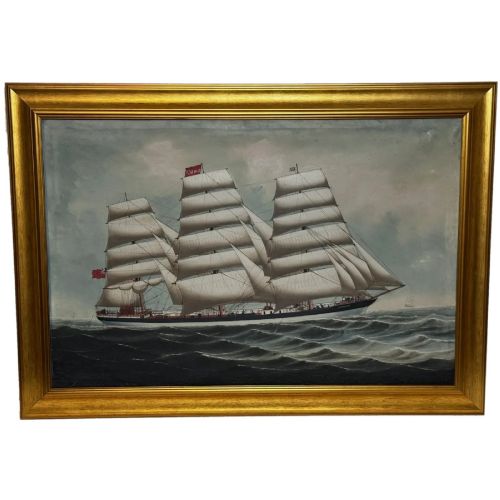
Artists traditionally applied oil paint to canvas or wood panels, utilising the medium to build depth in stormy skies and churning ocean waves.
Watercolour paintings on paper capture lighter, atmospheric effects of coastal light, often paired with protective glass and custom wooden framing.
Makers utilised gilt wood and carved frames to complement the maritime subjects, enclosing both detailed panel portraits of ships and expansive coastal vistas.
Framed Sailing Artwork Retail Price Guide 2026
Typical asking prices for framed sailing artwork among the pieces listed under this phrase on Sellingantiques today, from the lower quarter to the upper quarter. They describe what is for sale here now, not the wider market.
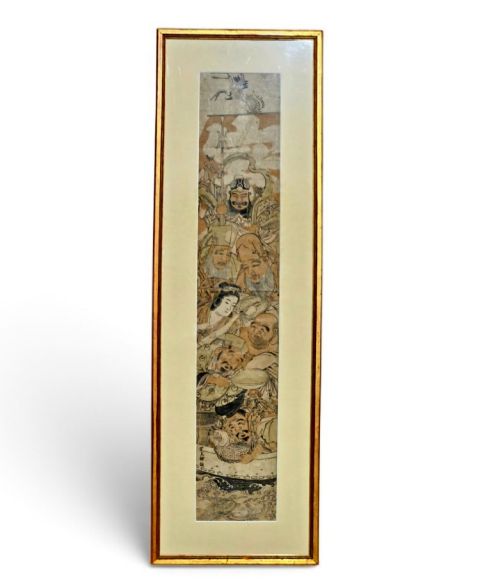
Listings feature works across the 18th, 19th, and 20th centuries, executed in oil paint, watercolour, and woodblock print.
Judging quality in maritime pieces
Skill in handling light and movement distinguishes superior compositions, particularly in the rendering of turbulent water and rigging detail against changing weather.
The authenticity and preservation of the original framing elements contribute significantly to the integrity of the piece over time.
Sir David Murray RA·Katsukawa Shunshō·John Wilson Carmichael·Abraham Hulk I
The Framed Sailing Artwork Glossary
- Gilt wood
- Wood carved and covered with a thin layer of gold leaf or gold paint. This finish frequently characterises the traditional frames enclosing nineteenth-century marine canvases.
- Oil on canvas
- Pigment suspended in drying oil applied to a stretched fabric support. This technique allows for rich texture and layered depiction of turbulent seas.
- Watercolour painting
- Pigments suspended in a water-soluble base applied to paper. This medium provides translucent washes suited to coastal air and harbour atmospheres.
- Woodblock print
- An image carved into a block of wood, inked, and transferred to paper. This method produces graphic depictions of traditional maritime subjects.
- Maritime
- Pertaining to the sea, navigation, and shipping. This descriptor identifies artworks focused primarily on vessels and coastal environments.
Framed Sailing Artwork: Frequently Asked Questions
What periods do these paintings come from?
The available works span from the eighteenth century through to the mid-twentieth century, capturing shifting styles in marine art.
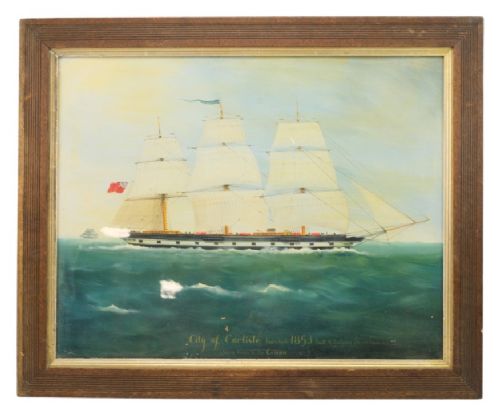
Nineteenth-century examples dominate the selection, offering detailed historical records of sailing vessels and merchant ships.
How should I hang maritime art?
Display these pieces away from direct sunlight to protect sensitive watercolours and oil pigments from fading over time.
Ensure wall fixings are secure, as traditional gilt frames and wooden structures often carry substantial weight.
Are watercolours framed under glass?
Paper works require glass protection to shield the delicate pigments from atmospheric moisture and dust accumulation.
Oil paintings on canvas or panel typically remain unglazed, allowing the textured brushwork to be fully visible.
How do I identify a ship's type?
Examine the number of masts and the arrangement of sails, which distinguish three-masted schooners, barques, and square-rigged ships.
Historical flags, hull designs, and background landmarks often provide clues to the vessel's origin and era.