



Framed Ruin Painting
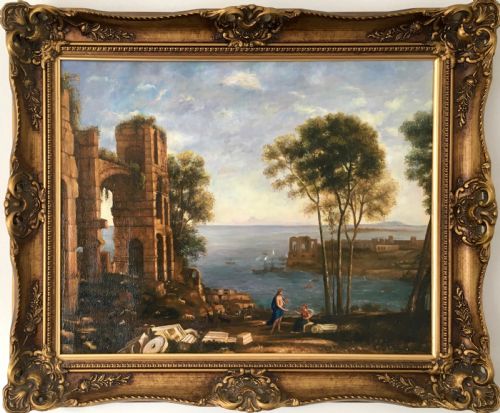
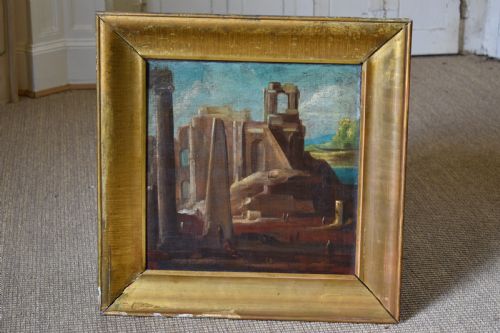
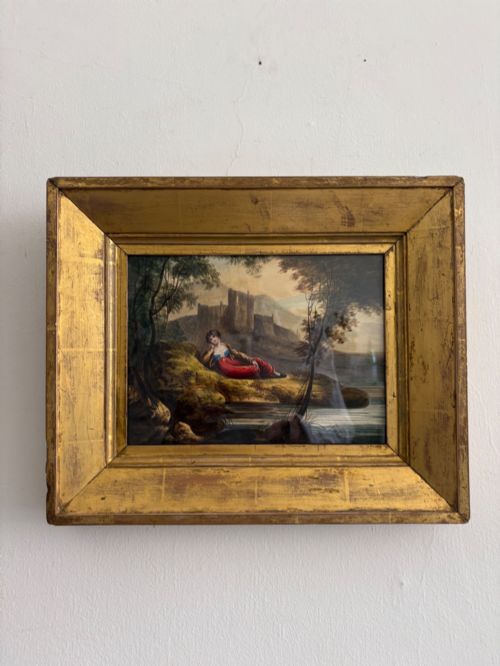
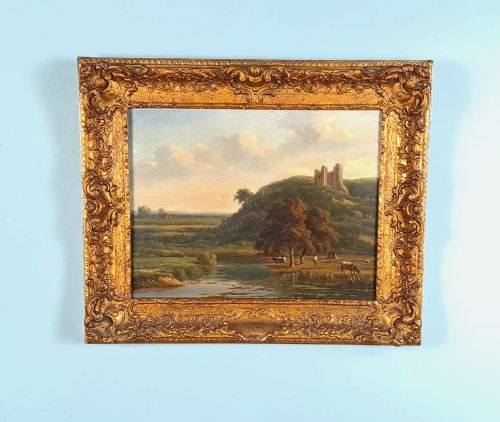
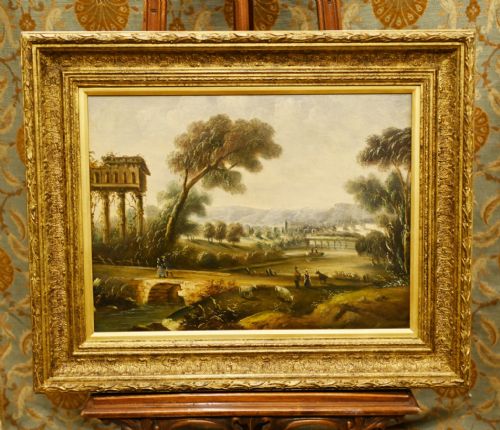
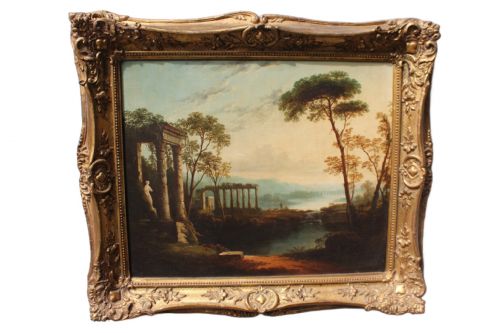
A framed ruin painting captures the romantic decay of classical arches, fallen temples and crumbling abbeys for display.
Framed Ruin Painting
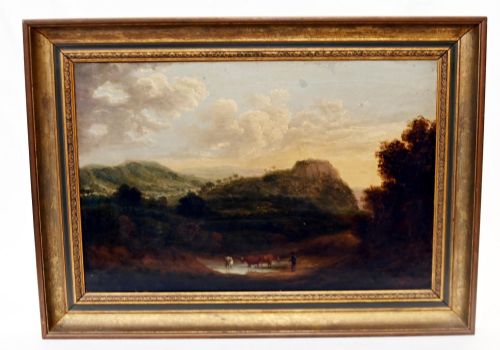
A framed ruin painting depicts architectural decay, classical remains and weathered masonry within period surrounds. These works capture the aesthetic fascination with antiquity, overgrown sites and picturesque remnants.
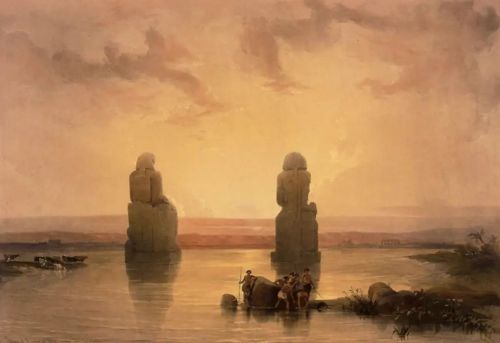
The selections span eighteenth-century Italian vistas, nineteenth-century Grand Tour souvenirs and British views of medieval abbeys. Buyers encounter oil on canvas, oil on panel, watercolour and gouache housed in wood or gilt frames.
Materials and technique
Artists painted these subjects using oil on canvas, oil on board, watercolours and gouache on paper. Support panels of wood and stretched canvas provide the foundation for pigments.
Framing utilises wood, giltwood, gilding and glass to protect the works. Mouldings range from simple wooden surrounds to ornate gilded frames.
Grand Tour travellers packed portable gouache sets to capture Italian sunlight before the ink dried in their carriages.
Quality and execution
The distinction lies in the handling of light, atmospheric depth and architectural perspective within the painted scene. Superior works render crumbling stonework and vegetation with subtle tonal variation and confident brushwork.
Original period framing contributes significantly to the integrity of the piece. Matching the historic frame to the canvas or paper enhances the historical context.
David Roberts·Franz Knebel·Francesco Zuccarelli·George Gregory·Lamorna Birch
The Framed Ruin Painting Glossary
- Grand Tour
- A cultural journey undertaken by European gentry to explore continental art and classical antiquities. These travels generated widespread demand for topographical watercolours and oil paintings.
- Capriccio
- An architectural fantasy combining real ruins, classical buildings and imaginary landscapes into a single composition. Artists utilised this genre to showcase imaginative combinations of antiquity.
- Gouache
- An opaque water-based medium producing saturated matte colours on paper. Painters employed gouache to render vivid Mediterranean light and detailed masonry.
- Giltwood
- Timber carved and coated with a thin layer of gold leaf. This material defined the decorative presentation of eighteenth and nineteenth-century picture frames.
Framed Ruin Painting: Frequently Asked Questions
What periods do these paintings date from?
The works span the eighteenth, nineteenth and early twentieth centuries. Many examples emerge from the Georgian and Victorian eras.
Travellers and artists produced these visual records during distinct periods of classical revival and romantic landscape appreciation.
How were these artworks displayed?
Owners hung these pieces within domestic interiors to signal scholarly interests and travel experiences. The accompanying wood and gilt frames facilitated wall mounting.
Display practices evolved from private galleries in country houses to domestic drawing rooms during the nineteenth century.
What subjects appear in these scenes?
Motifs include Roman forums, Italian temples, classical aqueducts and English abbey ruins. Coastal castles and Mediterranean landscapes also recur.
Artists focused on the contrast between permanent nature and decaying human architecture.
How do I identify a Grand Tour work?
Grand Tour items typically depict specific Italian locations such as Pompeii, Rome or the surrounding Campagna. They often utilise watercolour or gouache on paper.
These pieces served as portable records for travellers returning from continental expeditions.