

Framed River Landscape Art
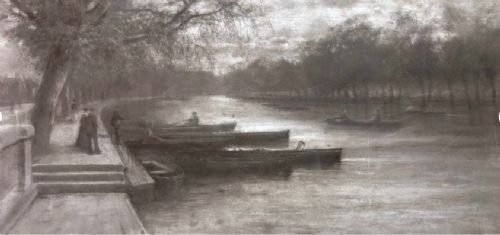
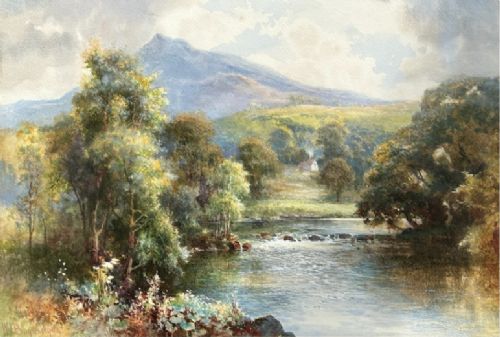
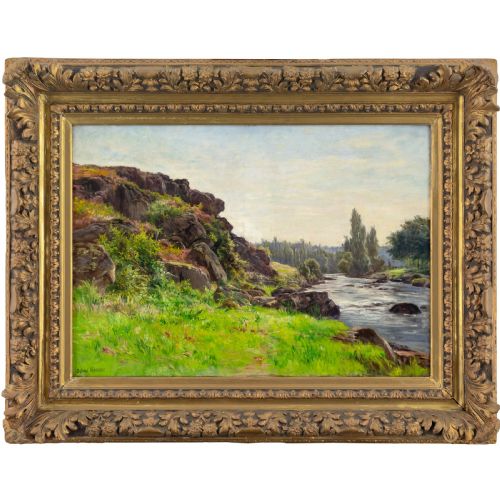
Framed river landscape art brings the quiet pull of moving water indoors through oils and watercolours set in wood and gold leaf frames.
What framed river landscape art is
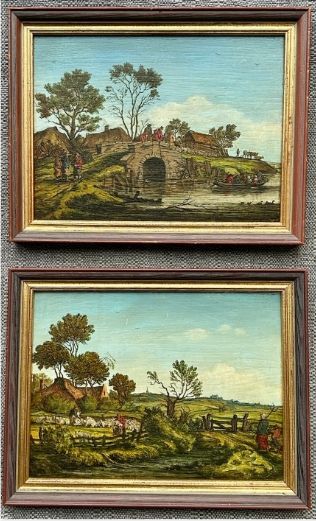
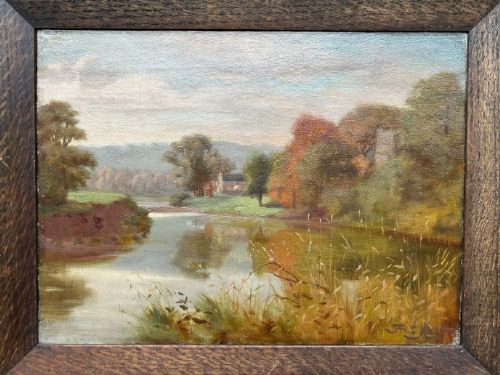
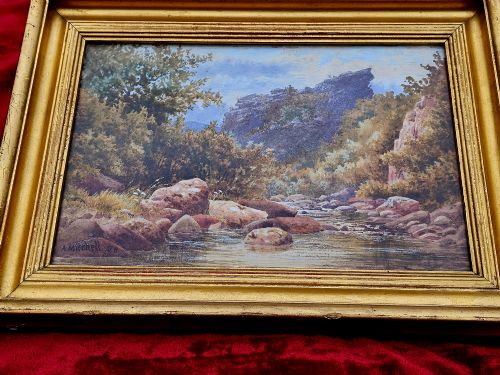
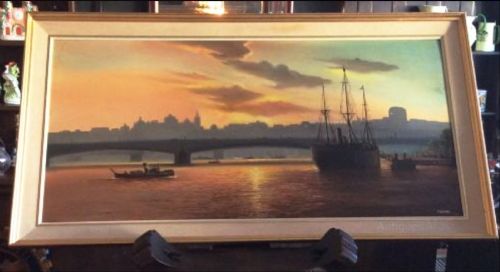
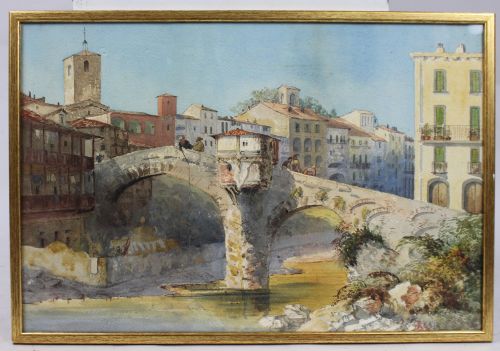
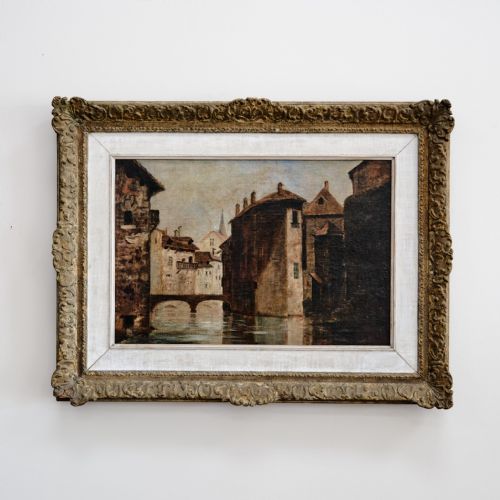
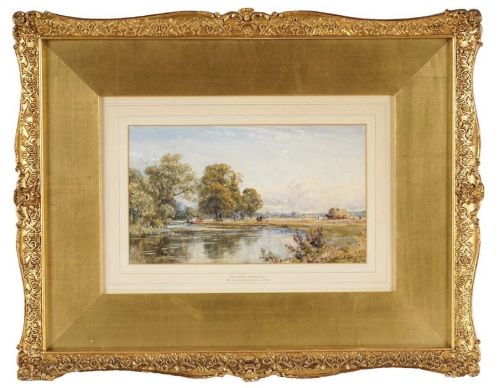
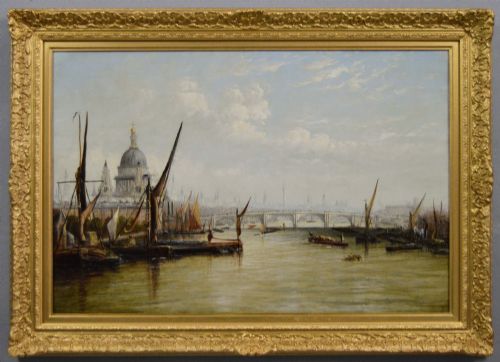
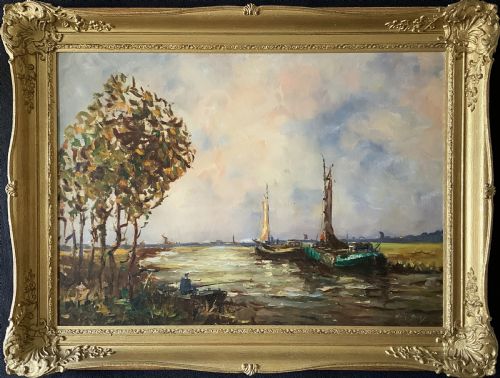
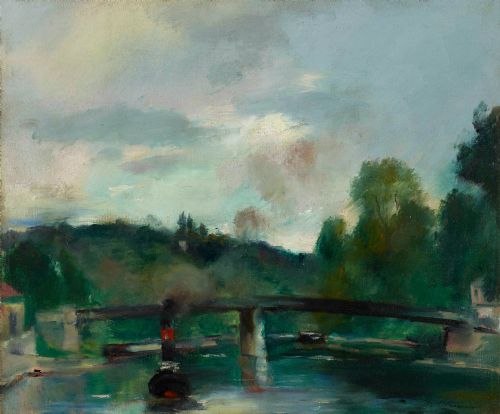
Framed river landscape art encompasses oil paintings and watercolour paintings depicting watercourses, weirs and woodland riverscapes. These works span the nineteenth century, nineteen-eighty, and the early twentieth century.
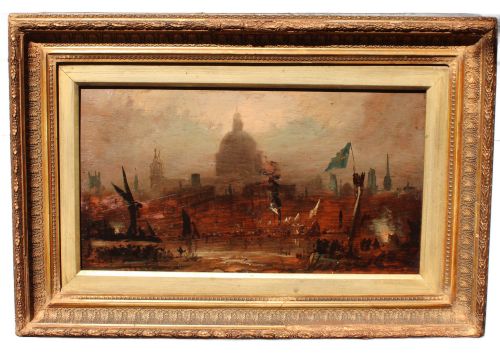
The pieces on this page appear within wood frames, some finished in gold leaf, protecting canvas and paper supports behind glass where appropriate. They range from Victorian fine art and naturalism to mid-century impressionism and English country school painting.
Buyers meet works attributed to specific artists like William Mellor and Charles Edward Holloway alongside unsigned rural landscape watercolours and vintage impressionist riverscapes. Each piece captures a distinct stretch of river under varying atmospheric conditions.
How they were made
Painters applied oil paint to canvas or watercolour paint to paper, utilising brushwork ranging from tight Victorian naturalism to looser mid-century impressionist marks. These techniques define the surface texture and light effects of each riverscape.
Framemakers enclosed the finished paintings within wooden mouldings, occasionally applying gold leaf to the surfaces of the frames to complement the tones within the landscape. Glazing was added to protect delicate watercolours on paper from environmental damage.
Retail Price Guide 2026
Typical UK retail prices for framed river landscape art, calculated from the Sellingantiques database of over a million retail prices indexed since 2003. This retail price guide relies exclusively on Sellingantiques data; no external sources or auction records are used, so the figures do not describe the wider market.
Artists occasionally captured the exact stretch of the river Wharfe near Bolton Woods, proving that painters love a good spot just as much as anglers do.
What varies in quality
Quality rests in the handling of light on water and the fidelity of the composition, distinguishing masterly nineteenth-century works from simpler country school watercolours. The depth of the oil paint layers and the subtlety of colour mixing separate ambitious paintings from standard decorative pieces.
The craftsmanship of the framing contributes significantly to the overall merit, with hand-gilded wood frames offering greater distinction than plain or later replacements. Preservation of the original canvas or paper surface without heavy restoration maintains the integrity of the piece.
William Mellor·Charles Edward Holloway
The Framed River Landscape Art Glossary
- Riverscape
- A painting or watercolour depicting a river and its surrounding banks. It forms a specific subset of landscape art.
- Impressionism
- A style of painting emphasising light and its changing qualities rather than precise detail. Mid-century examples show looser brush strokes.
- Naturalism
- An art movement focusing on the depiction of objects as they appear in nature. Victorian works often display this close attention to botanical and hydrological detail.
- Gold Leaf
- Gold beaten into extremely thin sheets used for gilding frames. It provides a warm metallic border to the artwork.
Frequently Asked Questions
What periods do these paintings date from?
The available pieces span the nineteenth century, around eighteen-ninety, nineteen hundred, and mid-century nineteen-sixty.
This range includes Victorian naturalism alongside later impressionist approaches.
Are these works painted on canvas or paper?
The selection includes both oil on canvas and watercolour paintings on paper.
Oils are typically framed directly behind wood, whilst watercolours are usually protected beneath glass.
How should I hang framed river art?
Hang these pieces away from direct sunlight to protect oil paint and watercolours from fading. Ensure the wall fixings can support the weight of the wood and gold leaf frames.
Consider eye-level placement in rooms with stable humidity to preserve both the art and the frame.
What is the difference between oils and watercolours here?
Oil paintings utilise heavy pigments suspended in medium on canvas, often possessing textured surfaces and deep colour ranges.
Watercolours employ translucent washes on paper, offering a lighter and more delicate atmospheric effect.