



Framed Regency Oil Picture
A framed regency oil picture brings the character of the early nineteenth century into a room through hand-painted canvas and period giltwood.
Framed Regency Oil Picture
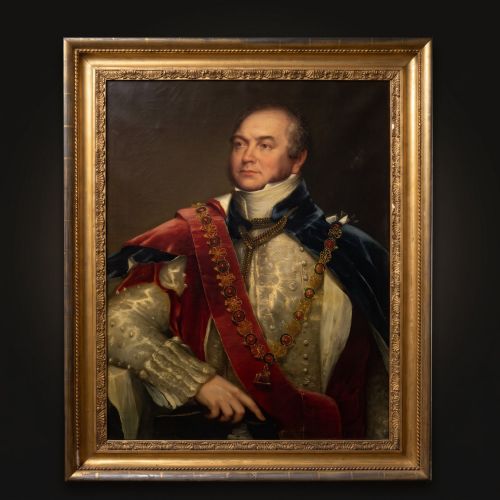
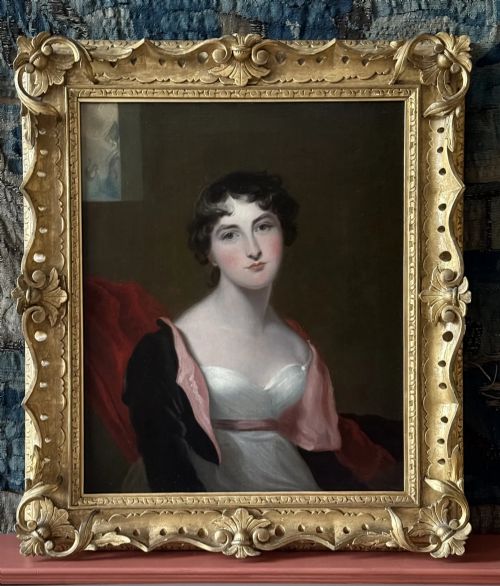
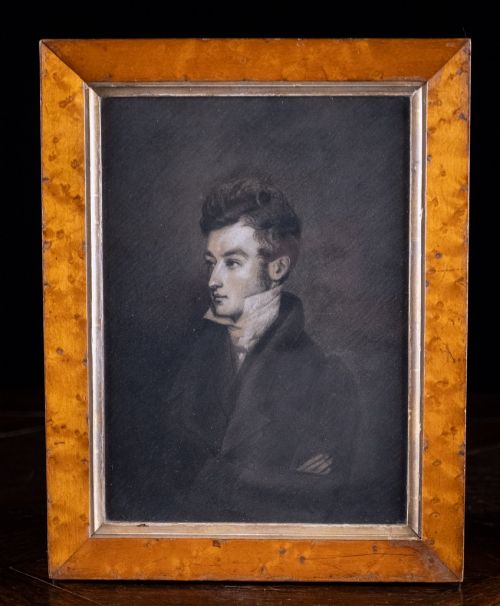
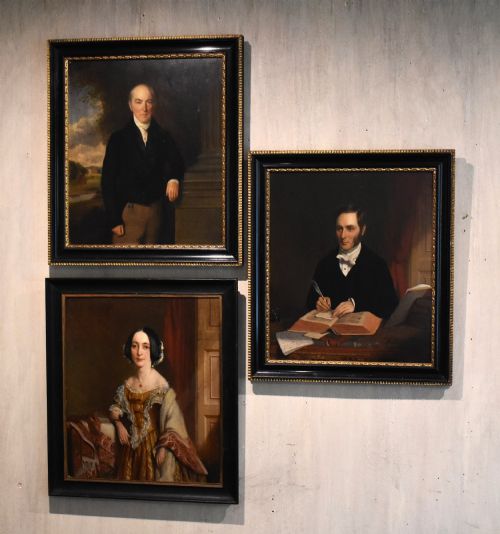
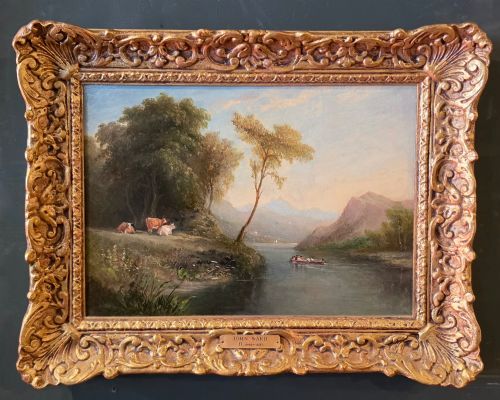
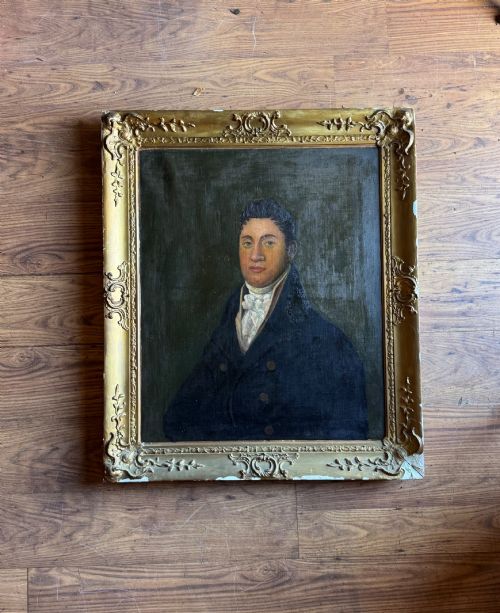
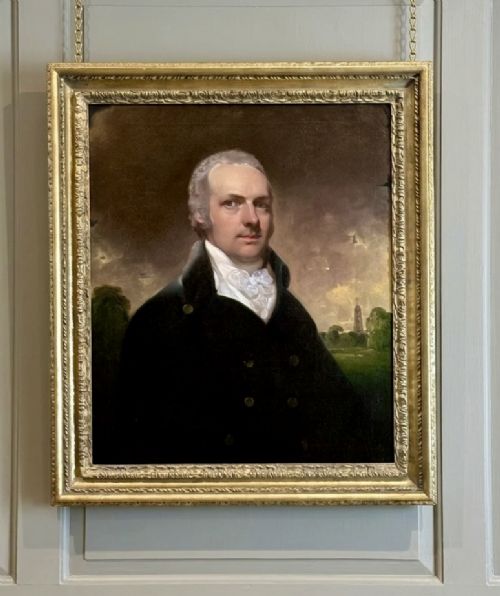
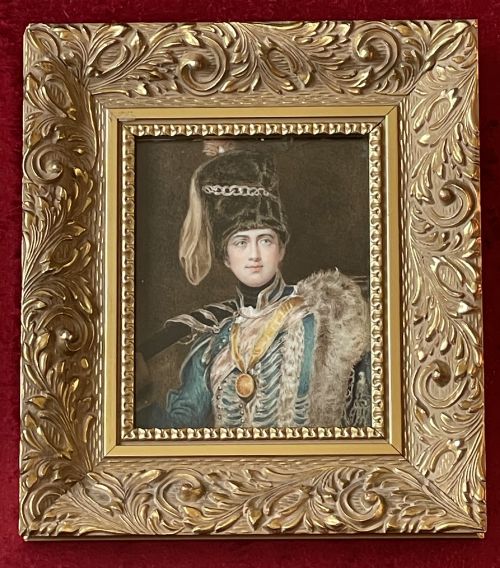
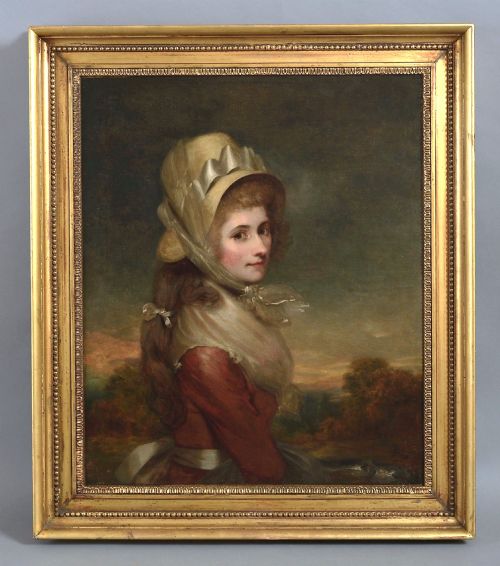
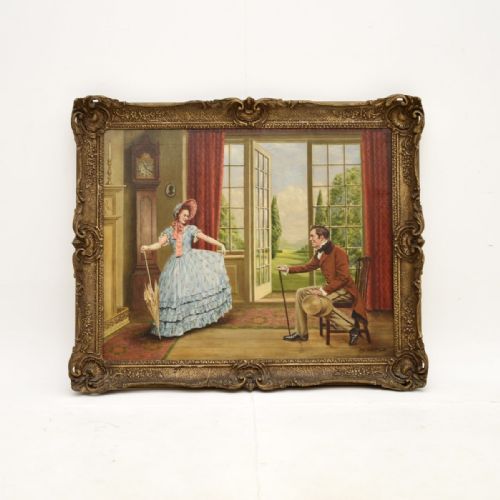
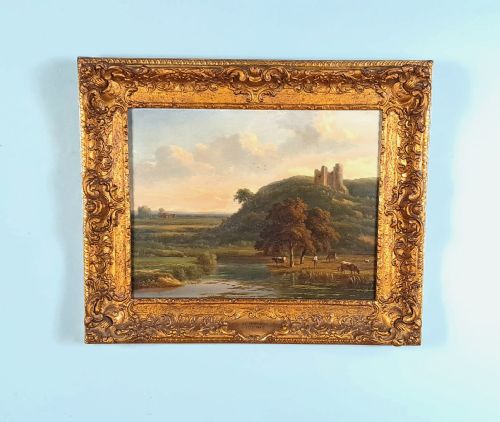
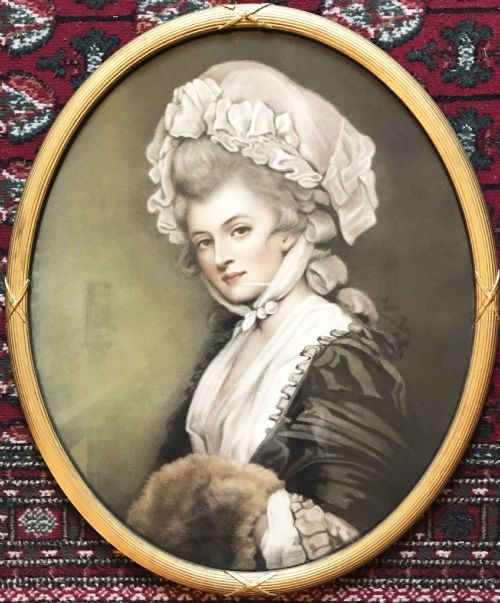
A framed regency oil picture represents the visual art of the early nineteenth century, spanning portraiture, landscape, and sporting scenes. These works capture figures, horses, hounds, and countryside views from a distinct era of British painting.
The version most commonly encountered on this page is the oil painting on canvas or wood panel, enclosed in its period frame. Such pieces range from intimate family portraits to rural landscapes bearing the hallmarks of Georgian and Regency aesthetic traditions.
How they were made
Artists of the period applied oil paint to stretched canvas or prepared wood panels using bristle brushes to build up rich tones and fine detail. Canvas provided a flexible ground for large portraits and landscape vistas, whilst wooden panels suited smaller, crisper compositions.
Makers housed these works in frames constructed from wood and plaster, finished with gesso, gold leaf, or giltwood. The decorative moulding of the frame completed the piece, securing the canvas or panel while complementing the subject matter within.
Framed Regency Oil Picture Retail Price Guide 2026
Typical asking prices for framed regency oil picture among the pieces listed under this phrase on Sellingantiques today, from the lower quarter to the upper quarter. They describe what is for sale here now, not the wider market.
Several canvases faithfully record the stern expressions of nineteenth-century carriage horses and prize hounds.
What varies in quality
The distinction between standard works and exceptional examples lies in the skill of the brushwork and the anatomical accuracy of figures and animals. Superior paintings display confident handling of light and shadow, particularly in the depiction of human expressions and horse musculature.
The integrity of the original materials also sets pieces apart, as works retaining untouched surfaces and period-correct gilded frames hold greater historical coherence. The depth of the landscape perspective and the fidelity of the portraiture dictate the standing of each individual picture.
Sir Thomas Lawrence P R A·Sir William Beechey·John Ferneley Senior·Walter Dendy Sadler·John Ward
The Framed Regency Oil Picture Glossary
- Oil on Canvas
- Pigment mixed with drying oil applied to a woven fabric support. This combination allowed artists to create textured surfaces and deep colour ranges.
- Giltwood
- Timber carved and coated with gold leaf or metallic powder. It forms the decorative border characteristic of period frames.
- Gesso
- A paint mixture consisting of a neutral binder mixed with chalk, gypsum, or pigment. It served as a smooth preparation layer for gilding frames.
- English Primitive
- A style of painting characterised by a flat perspective and straightforward realism. Works in this manner often derive from provincial artists outside the formal academies.
- Wood Panel
- A rigid flat wooden support used as a base for oil paint. Painters utilised panels for stability and fine detail work.
Framed Regency Oil Picture: Frequently Asked Questions
How do I identify a genuine period frame?
Examine the construction corners and the underlying gesso layers for signs of age, shrinkage, and hand-carved detailing. Period frames utilise traditional joinery and hand-applied gold leaf rather than modern synthetic moulding.
Look for the accumulation of age beneath the gilding and natural wear on the wooden structure. Original frames fit the canvas snugly and match the stylistic conventions of the early nineteenth century.
What subjects are typical for these paintings?
Portraits of individuals and family groups dominate the era, alongside landscapes, architectural views, and sporting scenes with horses and hounds. Artists recorded the people, animals, and surroundings of contemporary British life.
Genre scenes depicting daily activities and rural cottages also appear frequently. These subjects reflect the artistic tastes and patronage of the Georgian and Regency periods.
How should I care for an oil painting on canvas?
Keep the artwork away from direct sunlight, high humidity, and rapid temperature fluctuations to protect the canvas and paint layers. Stable environmental conditions prevent the drying oil from cracking and the wooden stretcher from warping.
Dust the surface gently with a soft, dry brush without applying pressure to the painted areas. Avoid using liquid cleaners or touching the pigment directly with bare hands.
How do I distinguish Regency art from Victorian pieces?
Regency paintings typically feature restrained palettes, classical composure in portraiture, and specific framing styles associated with the early decades of the nineteenth century. The clothing, hairstyles, and landscape compositions align with the Georgian and Regency eras.
Victorian works tend towards more theatrical expressions, varied brush techniques, and heavier narrative themes. Comparing the costume details and the recorded dates of the artists helps clarify the specific period.