


White Dress Oil Portrait
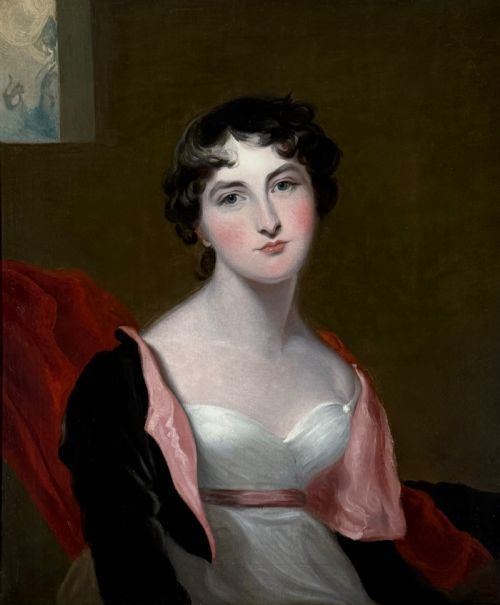
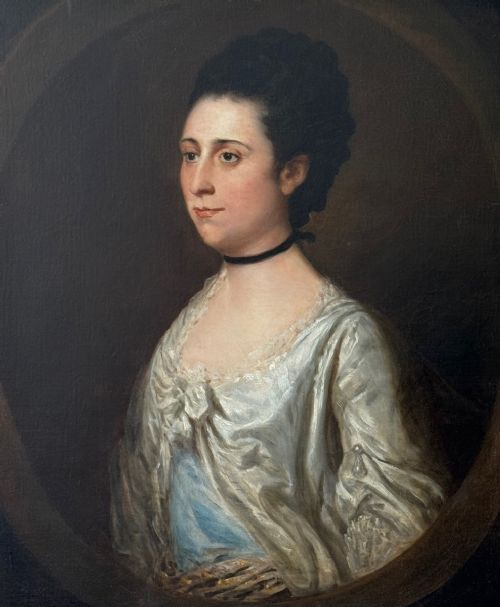
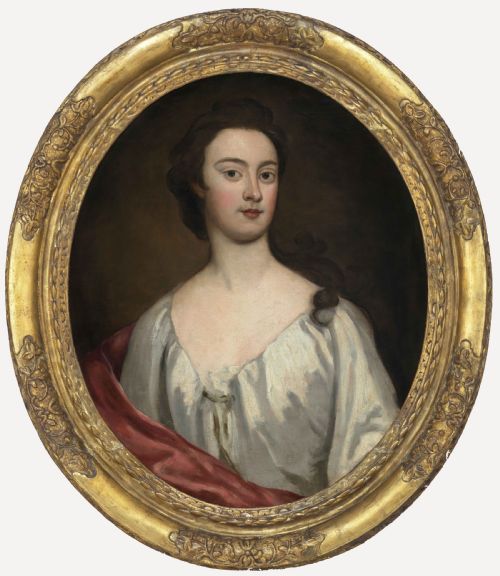
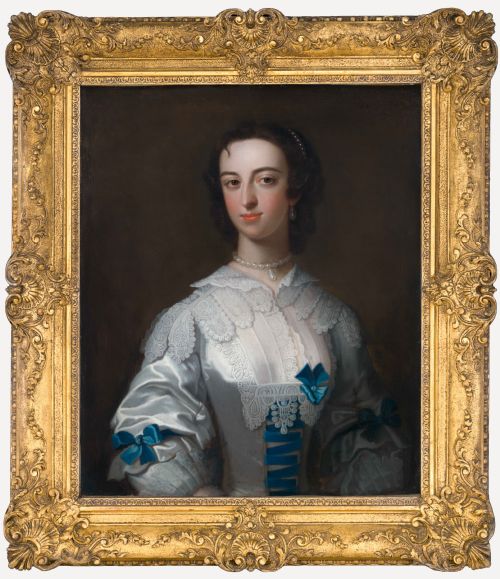
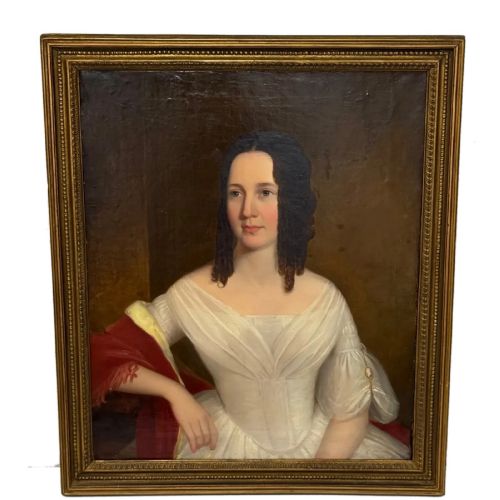
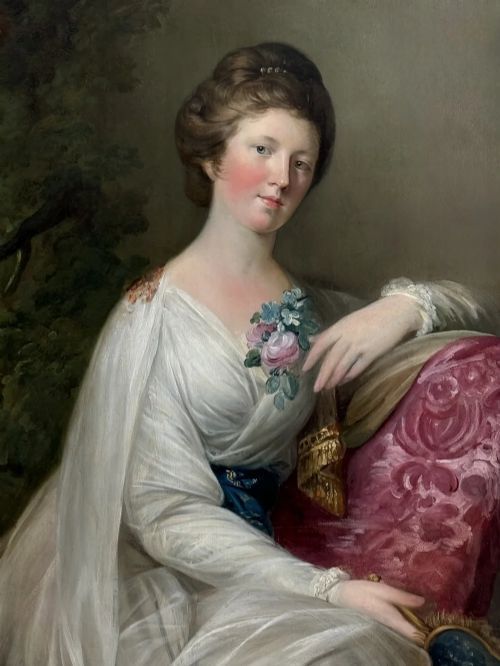
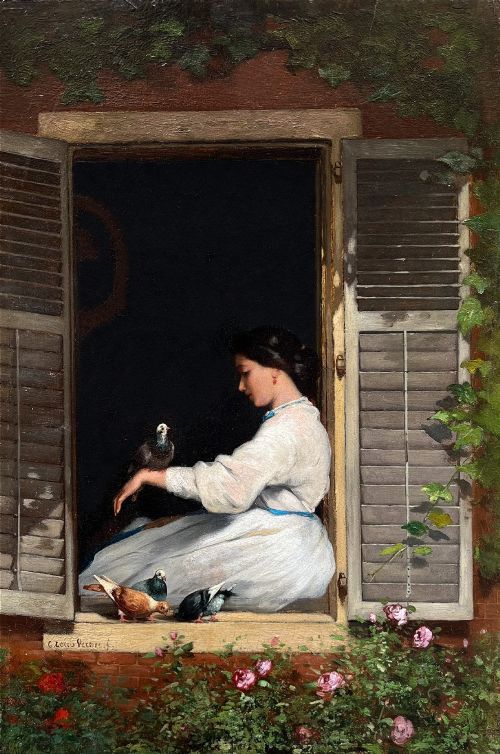
A white dress oil portrait captures the luminosity of silk, satin, and cotton against darker backgrounds, bringing centuries of sitter personality into a room.
White Dress Oil Portrait
A white dress oil portrait focuses on subjects rendered in pale garments, ranging from early seventeenth-century lace and satin to nineteenth-century cotton and muslin. The phrase encompasses works spanning the seventeenth, eighteenth, and nineteenth centuries, including pieces from the Georgian, Regency, and Victorian periods.
Buyers frequently encounter canvases depicting elegant ladies, young girls, and notable figures captured by regional British schools as well as continental European painters. These artworks typically present half-length or seated compositions, often accompanied by domestic elements like pets, books, or musical instruments.
The visual weight of the garments shifts across eras, moving from stiff satin encrusted with pearls in the Stuart age to fluid muslins and silks during the Regency period. This evolution reflects changing textile production and societal shifts in portraiture conventions.
Materials and technique
Artists relied primarily on oil paint applied to woven canvas supports, though earlier seventeenth-century works occasionally utilised wooden panels. Painters built up luminous whites through layered pigments, utilising lead white alongside priming coats to achieve depth in silk and satin folds.
Frames form an integral part of the physical object, with period examples featuring heavily moulded and gilded timber, including swept gilt frames and substantial giltwood surrounds that complement the dark palettes typically framing the white garments.
Several sitters share the canvas with faithful pets, including spaniels and a terrier named Mr Quiz.
Distinctions in execution
Quality rests heavily upon the artist's ability to render the tactile qualities of textiles, distinguishing stiff seventeenth-century satin from gossamer Regency muslin through confident brushwork and tonal gradation. Superior examples capture the specific play of light across fabric folds and lace edges rather than relying on formulaic drapery.
George Willison·Thomas Beach·Jeremiah Davison·Henry Pickering·Cornelius Johnson·John Greenhill·Nicolaes Maes·Charles Jervas·William Owen·Francis Alleyne·Enoch Seeman·John Vanderbank·Michael Dahl·Herman Verelst·John Theodore Heins·Heinrich Beltz·Henry Wyatt
The White Dress Oil Portrait Glossary
- Giltwood
- Timber carved and coated with gold leaf or metal leaf, forming decorative frames typical of Georgian and Victorian presentation.
- Canvas
- A heavy woven fabric stretched across a wooden stretcher frame to serve as the primary ground for oil painting.
- Regency
- An architectural and artistic period spanning the early nineteenth century, characterised by classical restraint and light, elegant apparel.
- Glaze
- A thin, transparent layer of oil paint applied over an opaque passage to alter colour depth and luminosity in fabrics.
White Dress Oil Portrait: Frequently Asked Questions
How do I date a white dress oil portrait?
Dating relies primarily on the cut of the garment, hairstyles, and accessories depicted on the sitter. Fashion historians use specific silhouettes, such as high-waisted Regency muslins or stiff seventeenth-century bodices, to narrow down the decade.
Material analysis of the canvas and underlying stretcher frames provides additional clues. Pigment composition and the style of the accompanying giltwood frame also assist in confirming the period of creation.
Where should I hang an oil portrait?
These paintings require stable environmental conditions away from direct sunlight and excessive humidity. Placing them on interior walls protects the canvas and the sensitive oil pigments from degradation.
Proper lighting enhances the luminosity of the white garments without generating damaging heat. Wall placement should also account for the substantial weight of period giltwood frames.
How do I identify the sitter?
Inscriptions on the reverse of the canvas, contemporary letters, or family provenance often record the identity of the individual. Heraldic crests or painted cartouches on the front surface can also provide clues.
Many historical portraits remain anonymous despite thorough archival research. The artistic merit and aesthetic presence of the work often outweigh the historical identity of the subject for collectors.
What does attribution mean for these paintings?
Attribution indicates that a painting is ascribed to a specific master based on stylistic similarities and technical execution. Terms like follower or circle denote works produced within an artist's sphere of influence rather than by their own hand.
Documentation and expert opinion support these designations in historical art trade. Over time, further research can refine an attribution from a general school to a specific hand.