



Thomas Lawrence Portrait
A thomas lawrence portrait captures the elegance of Regency society through skilled oil painting, watercolour, and engraving.
Thomas Lawrence Portrait
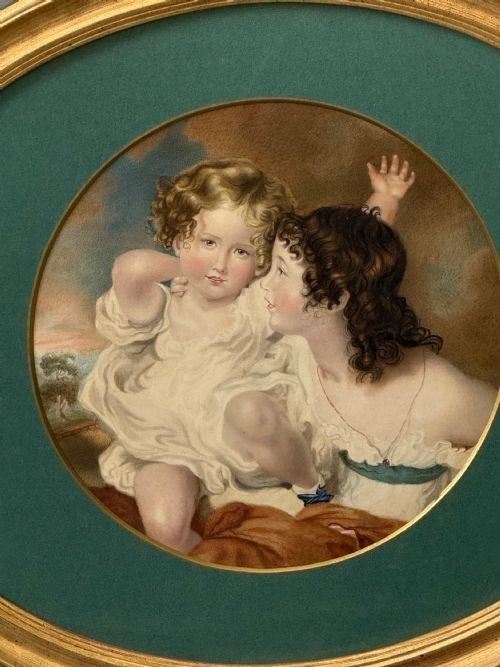
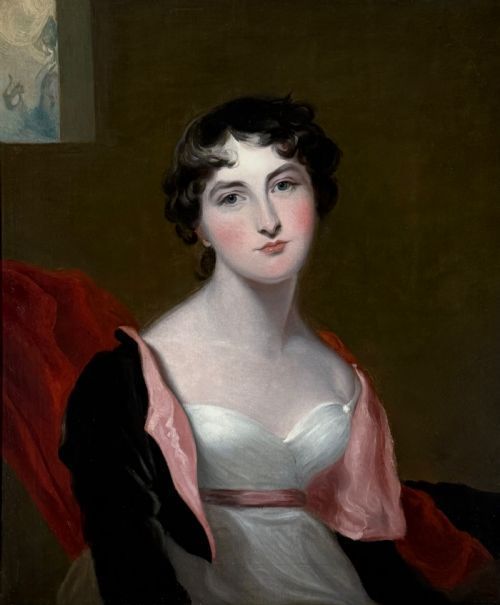
A thomas lawrence portrait represents the peak of British portraiture from the late eighteenth and early nineteenth centuries. Buyers searching for these works will encounter original oils, period watercolours, engravings, and reverse glass painted prints.
The selections on this page span the 18th century, 19th century, and Victorian periods. Pieces range from direct works and studio productions to fine copies and interpretations in the manner of the master.
Subjects include prominent military officers, society figures, and notable children rendered with the distinctive psychological depth associated with Georgian and Regency aesthetics.
How They Were Made
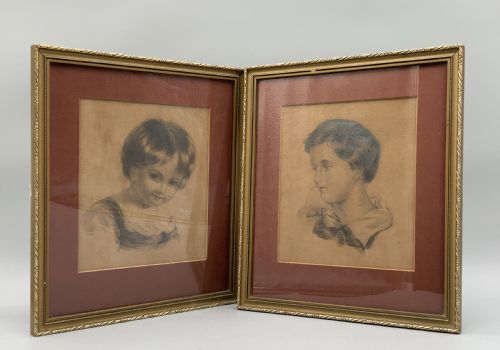
Makers utilised oil paint on canvas and panel, alongside delicate watercolour and pencil on paper. These traditional media were applied to capture the rich textures of redcoat tunics, gold braid, and silk garments.
Framing played an integral role in the presentation of these works, with many pieces housed in original swept gilt wood and gilded wood frames. Reverse glass painting techniques were also employed for specific decorative prints.
Listings feature works from the 18th century, 19th century, and Victorian periods executed in oil on canvas, paper, and glass.
What Varies in Quality
Quality rests in the handling of light, expression, and drapery, distinguishing the confident brushwork of the studio from simpler interpretations. The vitality of the sitter's gaze and the subtlety of flesh tones reveal the hand of a skilled artist.
The preservation of the original canvas, paper, or glass surface impacts the character of the piece. Surviving period frames with their original gilding contribute substantially to the integrity of the object.
Sir Thomas Lawrence
The Thomas Lawrence Portrait Glossary
- Oil on Canvas
- A traditional painting medium where pigments bound in oil are applied to a stretched cloth support. This technique allowed artists to build rich layers of colour and texture.
- Reverse Glass Painting
- An artwork created by applying paint directly to the back of a glass panel and viewing the image from the front. This method produces a glossy, preserved surface.
- Regency
- The period in British history from 1811 to 1820, characterised by distinct elegance in art and architecture. Works from this era often feature refined portraiture and classical influences.
- Watercolour
- A paint consisting of water-soluble pigments used on paper. It requires a swift, confident hand to achieve luminous portraits.
- Gilded Wood
- Wood decorated with a thin layer of gold leaf or powder. This finish was standard for framing high-status portraiture.
Thomas Lawrence Portrait: Frequently Asked Questions
What is a studio piece?
A studio piece is a work produced under the direct supervision or within the workshop of the master artist. These works reflect the style and techniques taught and practiced in that specific environment.
Such paintings often capture the likeness and atmospheric quality associated with the head of the studio, utilising comparable materials and methods.
How do I identify a period frame?
Period frames are constructed using historical joinery methods and finished with traditional gesso and gold leaf. They show natural wear and patination consistent with their age.
Original frames complement the proportions of the artwork and often feature decorative moulding styles specific to the Georgian or Regency eras.
How should I care for an antique portrait?
Protect antique portraits from direct sunlight and fluctuating humidity to preserve the canvas, paper, and pigments. Maintaining a stable indoor environment prevents cracking and fading.
Dust gilded frames gently with a dry, soft brush and avoid using liquid cleaners on painted surfaces.