



Regency Portraiture Canvas
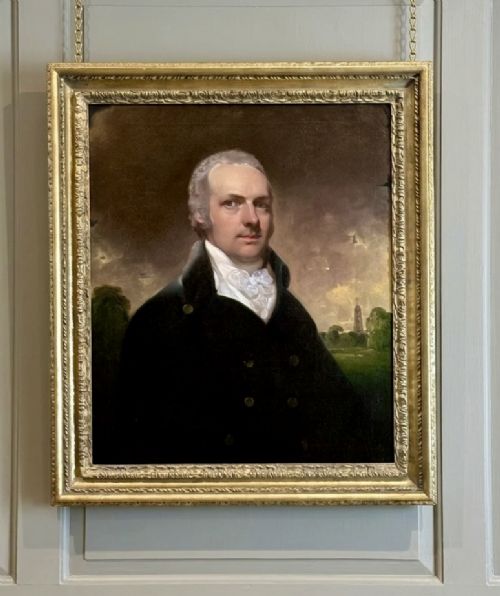
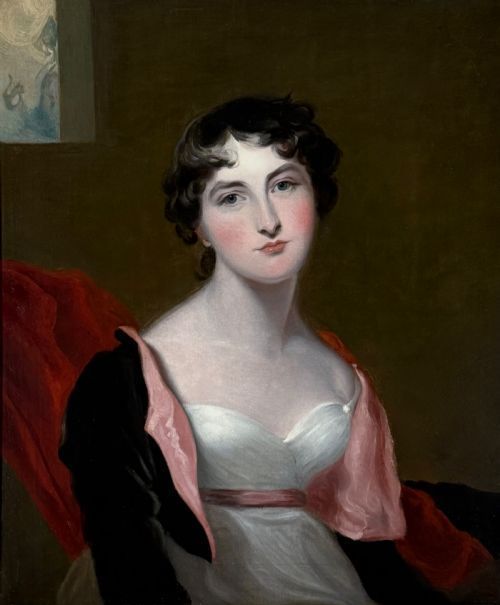
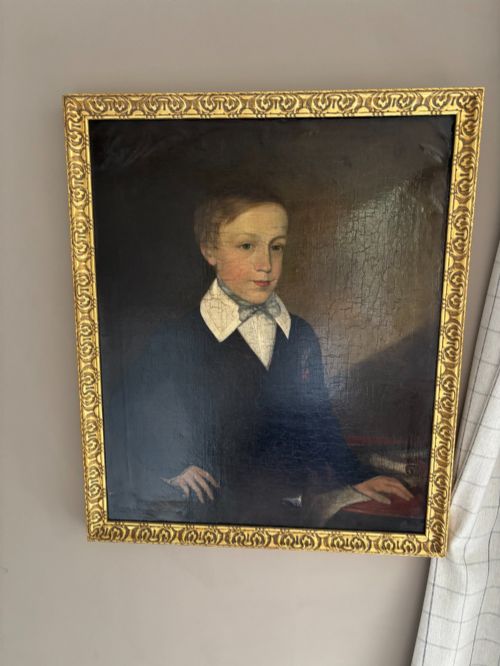
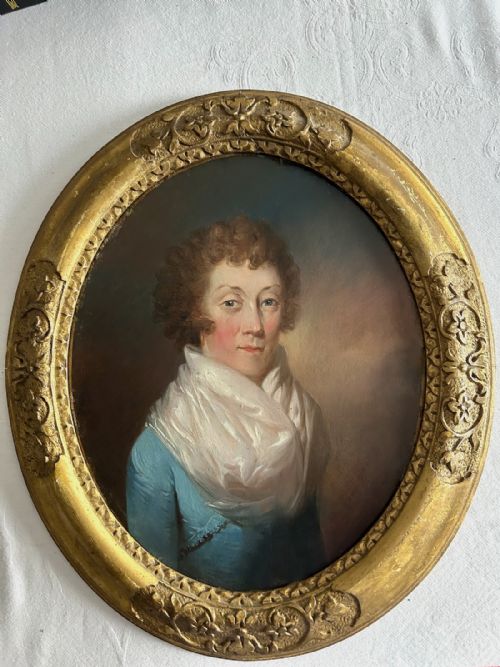
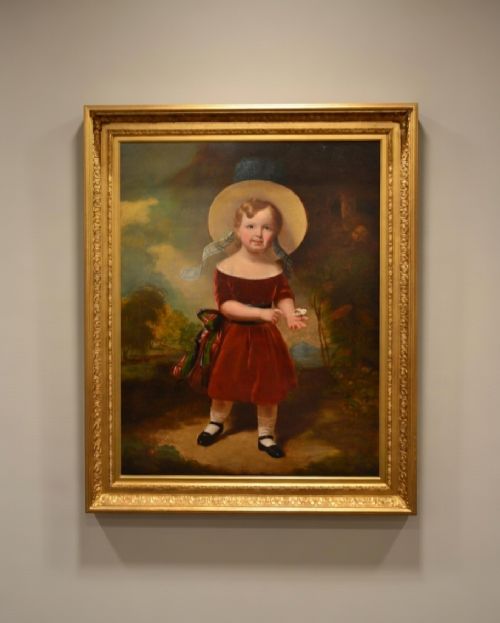
Regency portraiture canvas works capture the likenesses of ladies, gentlemen and children in oil paint upon woven supports.
Regency Portraiture Canvas
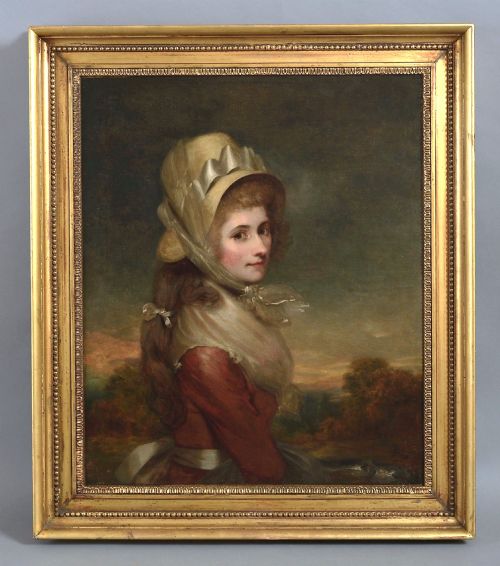
Regency portraiture canvas works capture the likenesses of ladies, gentlemen, children and notable figures from the eighteenth and nineteenth centuries. You will frequently encounter depictions of sitters wearing silk dresses, hats, bonnets and pearls, rendered in oil paint.
The selection encompasses works produced across the nineteenth and eighteenth centuries, alongside Regency and Edwardian examples. Many pieces portray named individuals such as Miss Thayer, Daniel Pring and Henry John Temple, 3rd Viscount Palmerston.
The format centres upon oil paintings and fine art paintings framed in giltwood, gilt wood and gesso. These encompass full-length studies, bust portraits and works executed by various English schools.
How they were made
Artists applied oil paint directly onto a woven canvas support using traditional brushes to build up the subject and background. Many compositions include sitters adorned in detailed garments such as silk dresses, hats and pearls.
Surviving paintings are housed within frames constructed from wood, giltwood and gilt wood, frequently incorporating moulded gesso ornamentation finished with gold leaf. These materials combined to create a grand presentation suitable for formal interiors.
Regency Portraiture Canvas Retail Price Guide 2026
Typical asking prices for regency portraiture canvas among the pieces listed under this phrase on Sellingantiques today, from the lower quarter to the upper quarter. They describe what is for sale here now, not the wider market.
Several gentlemen are immortalised alongside loyal pets, distinguished hats and even a fluttering butterfly.
What varies in quality
The condition and ornamentation of the surrounding frame contribute significantly to the overall presentation. Elaborate giltwood and gesso surrounds embellished with gold leaf elevate the visual impact of the canvas.
Sir Thomas Lawrence P R A·Sir Martin Archer Shee·Richard Cosway R A·Henry Scott·Edward Bird R A·John Partridge·George Henry Harlow·Samuel Drummond·Henry Wyatt
The Regency Portraiture Canvas Glossary
- Giltwood
- Wood carved and coated with gold leaf. This material was widely utilised for formal picture frames during the Regency period.
- Gesso
- A plaster mixture applied to wood frames as a base for gilding. It allowed craftsmen to shape intricate decorative reliefs.
- Oil Paint
- Pigment mixed with a drying oil such as linseed. It served as the primary medium for fine art portraiture on canvas.
- Canvas
- A heavy woven fabric stretched over a wooden frame. It provided a durable surface for oil paintings.
Regency Portraiture Canvas: Frequently Asked Questions
What is a regency portraiture canvas?
A regency portraiture canvas is an oil painting on a woven support depicting a sitter from the late eighteenth or nineteenth century. These artworks record the likenesses of society figures, children and gentlemen.
Subjects often appear wearing period attire such as silk dresses, bonnets, hats or military uniform. The frames are frequently constructed from giltwood and gesso.
How should I hang an oil portrait?
Hang your oil portrait on an interior wall away from direct sunlight and damp conditions. Consistent room temperatures protect both the canvas and the wooden frame.
Ensure the wall fixings can support the weight of the heavy wood and giltwood construction. Position the painting at eye level for optimal viewing.
How do I clean an antique canvas?
Dust the surface of the canvas gently with a soft, dry brush to remove loose particles. Avoid using water, household cleaners or chemical solvents on the oil paint.
Professional conservators should handle deeper cleaning or repairs to the canvas and giltwood frame. Regular dusting prevents accumulation in the crevices of the gesso.
Can I identify the sitter?
Some canvases bear inscriptions on the reverse, historical labels or documented provenance identifying the sitter. Figures such as Viscount Palmerston or named ladies are frequently recorded in the title.
Unidentified sitters are often catalogued by their dress, hairstyle and the style of the frame. Costume details help narrow down the decade of creation.