

Framed Portrait of Children
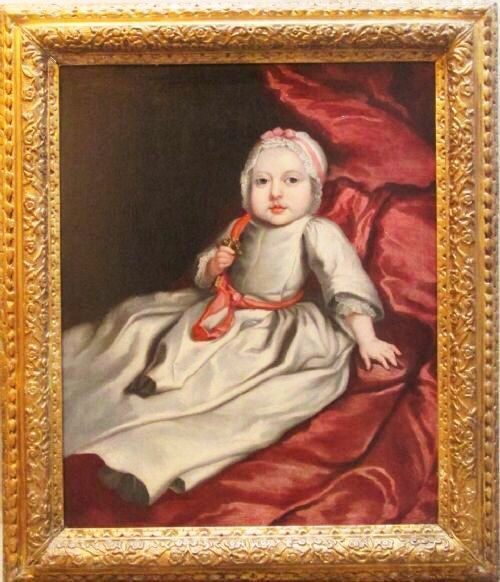
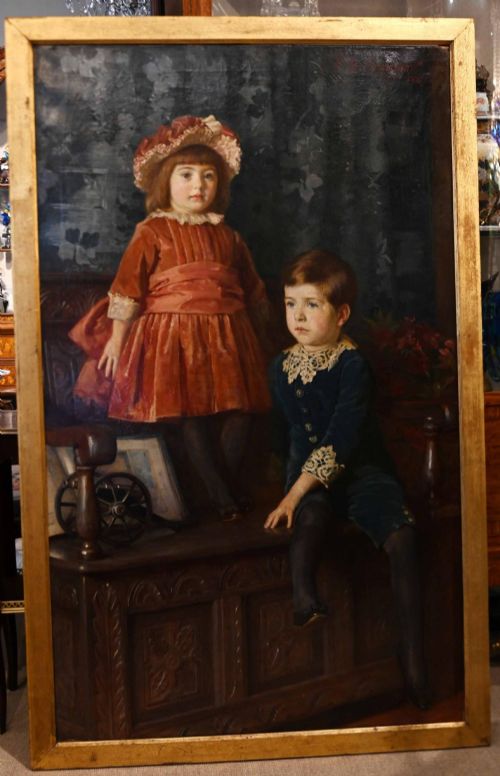
When you search for a framed portrait of children, you look at centuries of depiction from oil paintings to silhouette.
Framed Portrait of Children
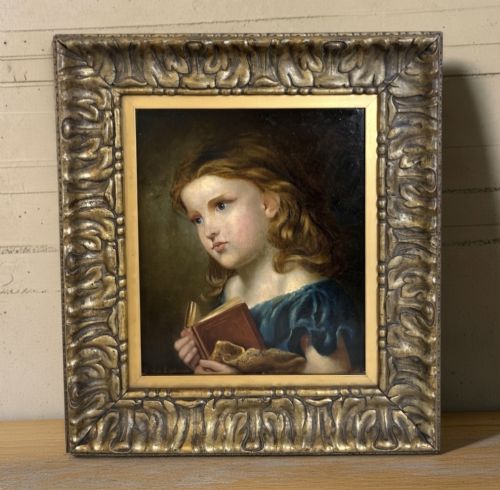
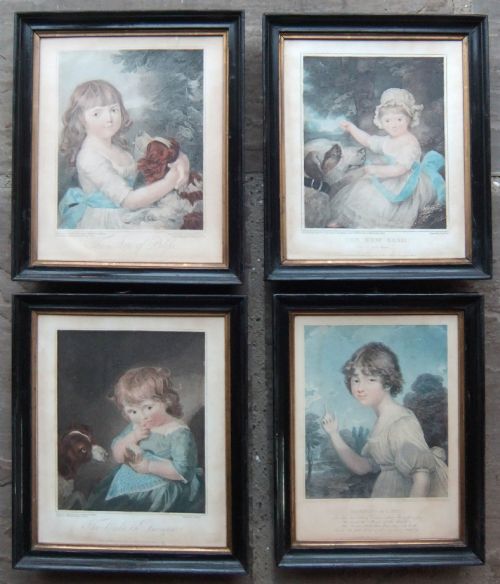
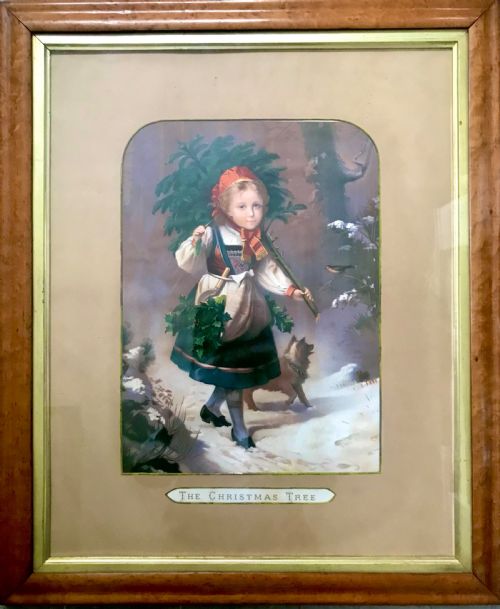
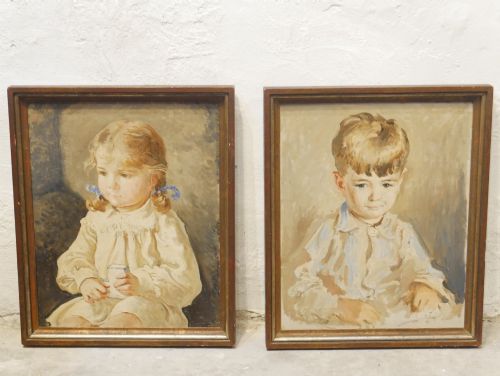
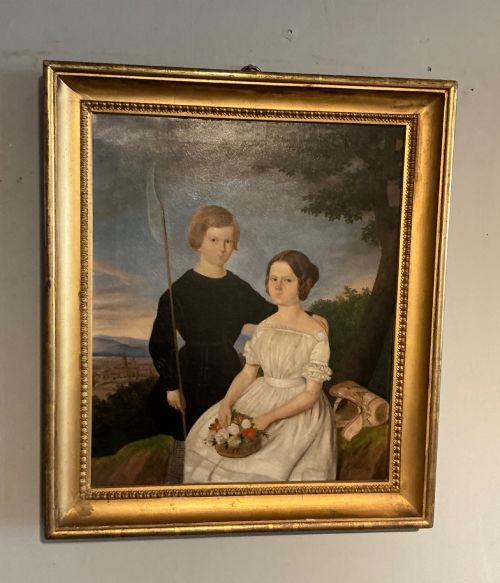
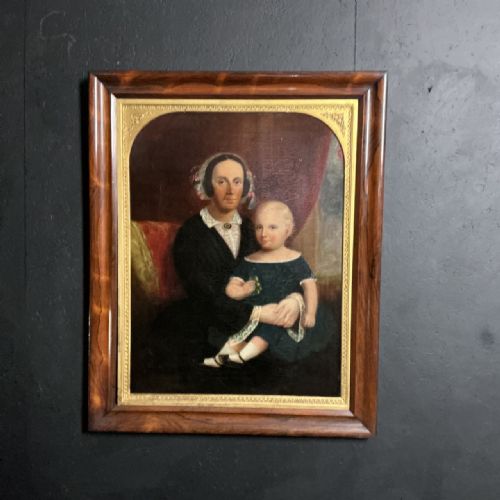
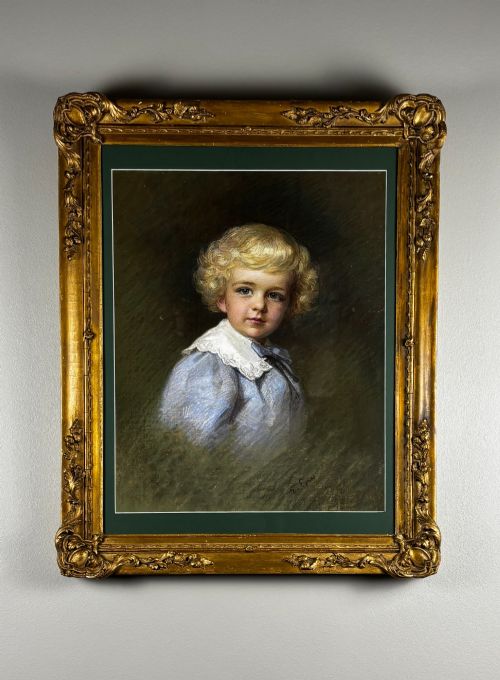
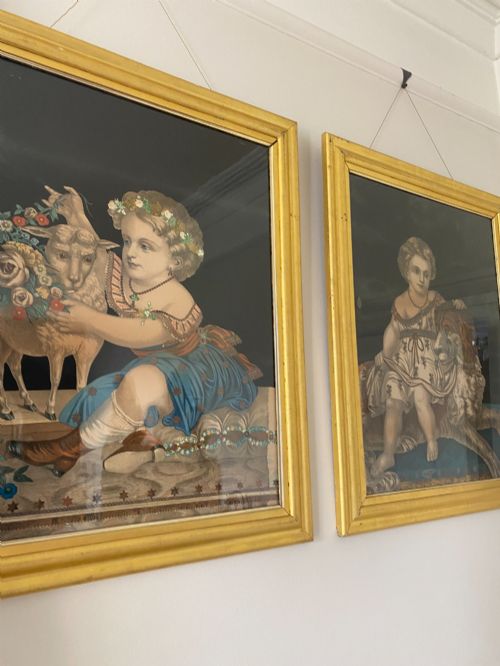
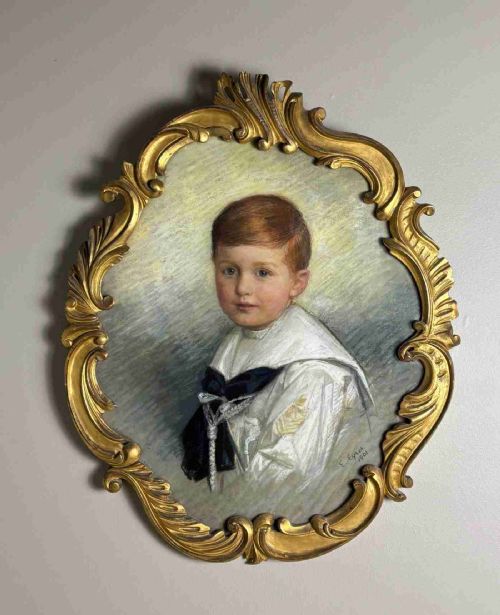
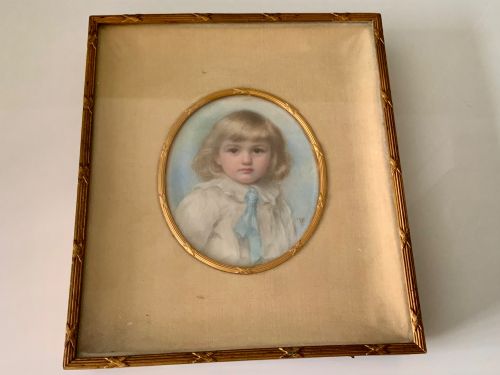
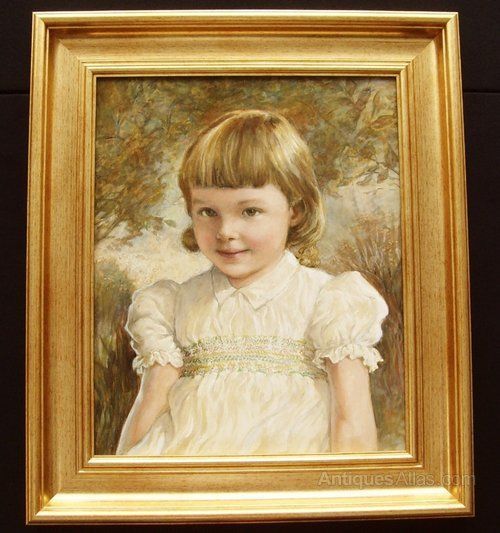
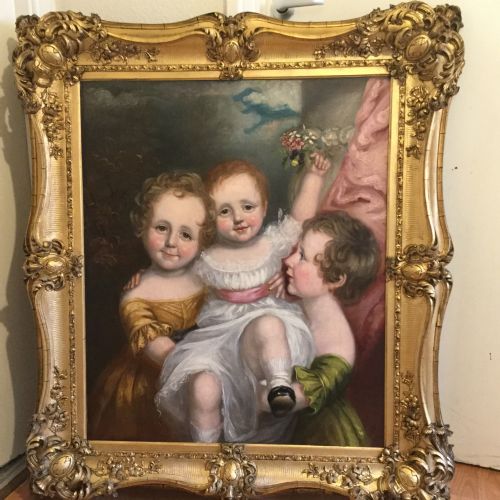
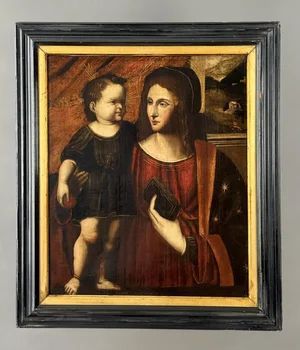
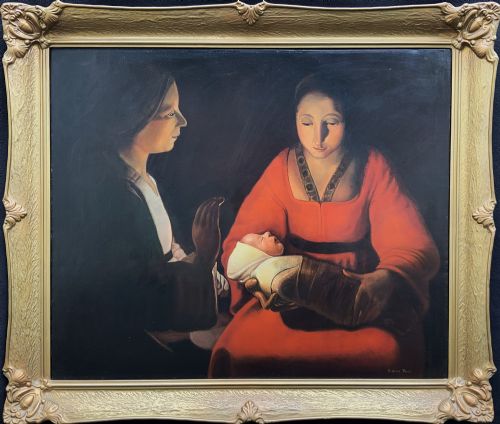
A framed portrait of children captures young subjects across the eighteenth, nineteenth and twentieth centuries in oil, watercolour, pastel and print. You meet individual studies of identifiable sitters alongside imagined child subjects and advertising prints.
The material form spans grand oil paintings on canvas in giltwood frames down to delicate silhouettes and nineteenth-century engravings housed in rosewood or maple. Most works on this page reflect Victorian and Georgian portraiture conventions.
How they were made
Painters built oil compositions on canvas or panel using layered pigments, while others worked in watercolour, gouache or pastel on paper. Engravers and mezzotint makers reproduced popular compositions using inked plates pressed onto paper.
Frames play a structural and aesthetic role, constructed from wood such as maple and rosewood, often finished with gilt or giltwood to house the artwork securely.
Framed Portrait of Children Retail Price Guide 2026
Typical asking prices for framed portrait of children among the pieces listed under this phrase on Sellingantiques today, from the lower quarter to the upper quarter. They describe what is for sale here now, not the wider market.
Represented periods range from sixteenth-century European schools to mid-twentieth-century commemorative portraits.
What varies in quality
The skill of the hand defines the upper tier, seen in the anatomical accuracy of a child's face and the convincing play of light in oil or pastel. Weaker examples rely on stiff repetition or flat, uninspired linework.
Framing integrity also separates works, as period frames matching the age of the canvas or paper hold greater historical weight than modern replacements.
George F. Bird·Sir Thomas Lawrence·Mary Beale·Emily Eyres·Joshua Reynolds·Augustin Edouart·Adelaïde Salles-Wagner·Henry Windsor Fry·John Hoppner
The Framed Portrait of Children Glossary
- Mezzotint
- A printmaking process where the copper plate is roughened to achieve rich tonal gradations and soft lights. It was widely used in the eighteenth and nineteenth centuries to reproduce painted child portraits.
- Silhouette
- A solid dark profile portrait, usually cut from paper or drawn in ink, capturing the outline of the sitter. Augustin Edouart worked extensively in this medium during the nineteenth century.
- Portrait miniature
- A small, highly detailed painting on paper, ivory or vellum, often intimate in scale and framed for desk or wall display.
- Giltwood
- Wood that has been coated with a thin layer of gold leaf or gilt powder. It forms the decorative surface of many traditional frames on these works.
- Naïve art
- Work produced by an artist without formal academic training, often characterised by a charming disregard for perspective and proportion.
Framed Portrait of Children: Frequently Asked Questions
What periods do these child portraits span?
The selection includes pieces from the sixteenth century through to the mid-twentieth century. Victorian and Georgian examples appear frequently alongside earlier European school works.
Each period brought distinct clothing styles and painting techniques, helping you place the artwork in its proper historical context.
Are all these items original oil paintings?
No, the selection encompasses a variety of mediums beyond oil on canvas. You will find watercolours, pastels, graphite drawings, mezzotints, and nineteenth-century advertising prints.
Every listing specifies the exact material used, whether it is canvas, paper, wood, or glass.
How should I hang and care for these framed pieces?
Keep framed portraits away from direct sunlight and damp environments to protect both the paper or canvas and the wooden frames. Consistent indoor temperatures prevent the giltwood and backing materials from warping.
Ensure secure wall fixings are used, particularly for heavier oil paintings housed in substantial gilt frames.
How do I distinguish between an original painting and a print?
Close inspection under a magnifying glass reveals the physical texture of brushstrokes and layered pigment on oil and watercolour works. Prints and mezzotints show dot patterns or fine ink lines characteristic of mechanical or plate reproduction.
The description will explicitly state whether the piece is a fine art painting or a framed print.