


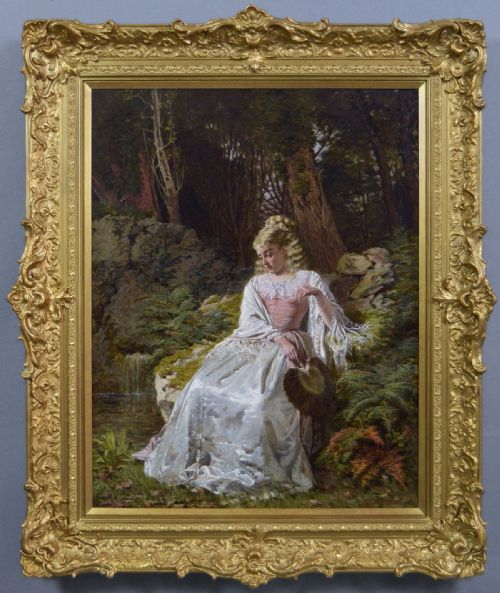


Green Landscape Portrait Painting
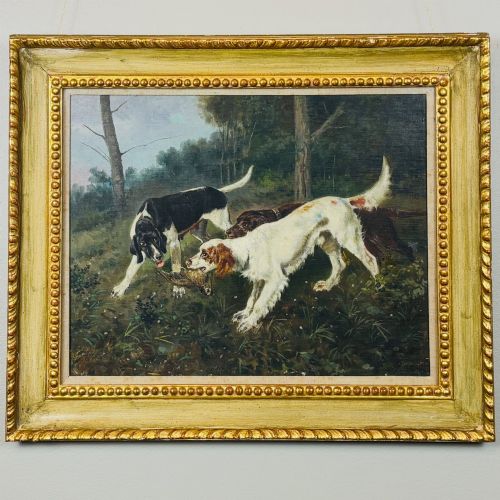
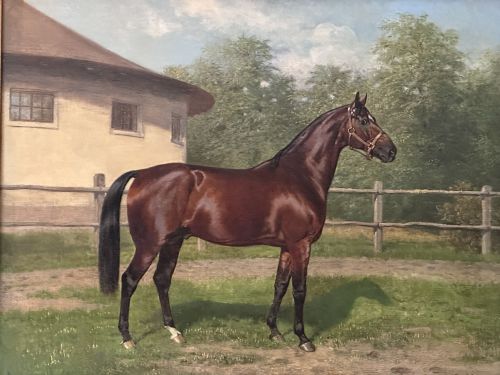
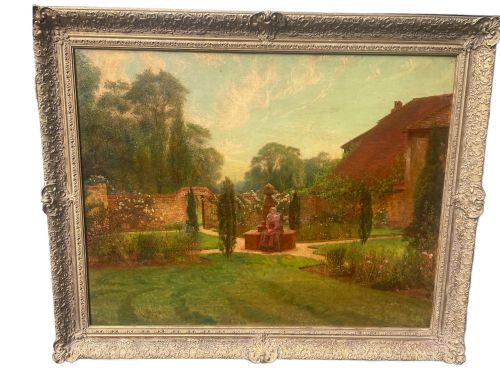
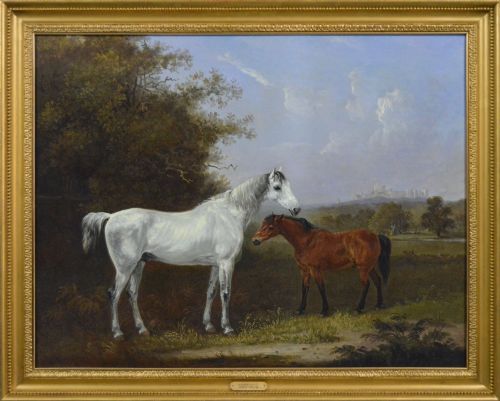
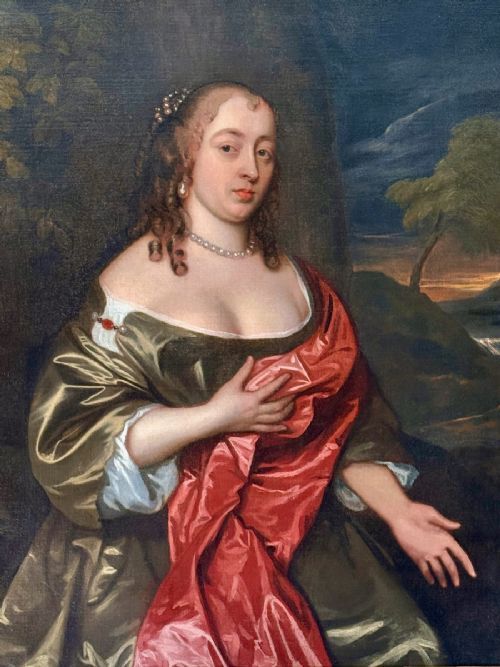
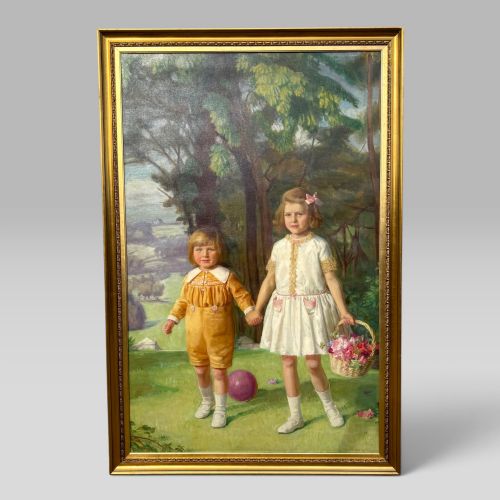
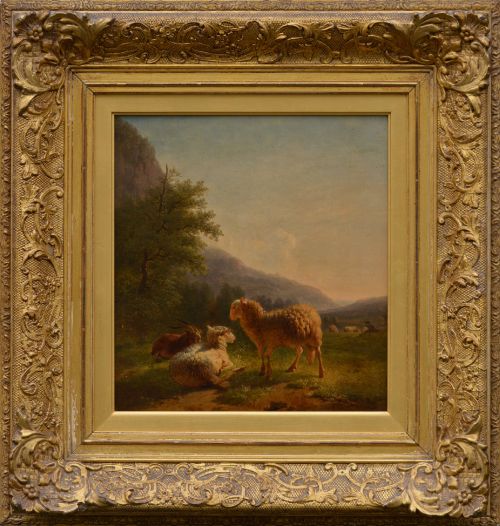
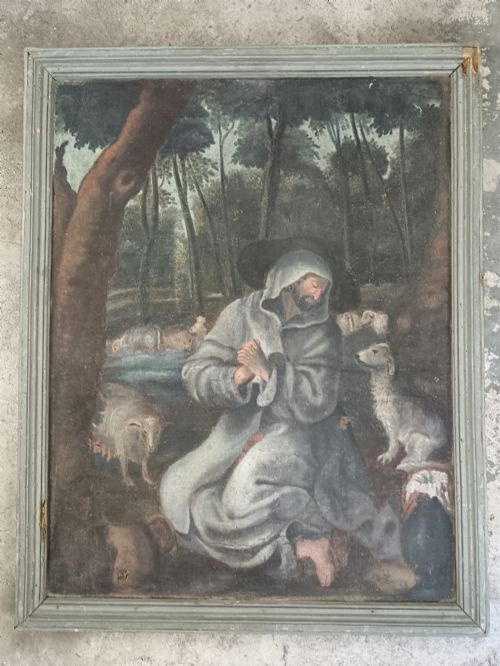
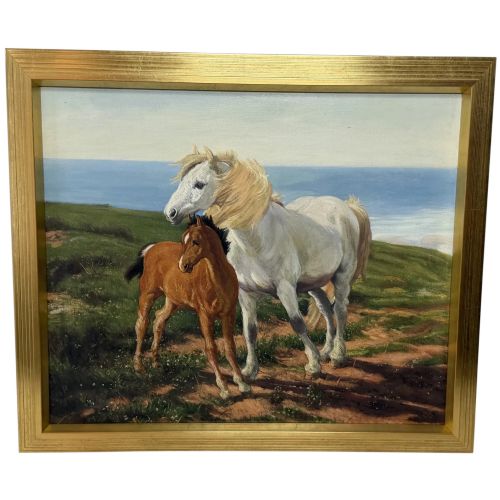
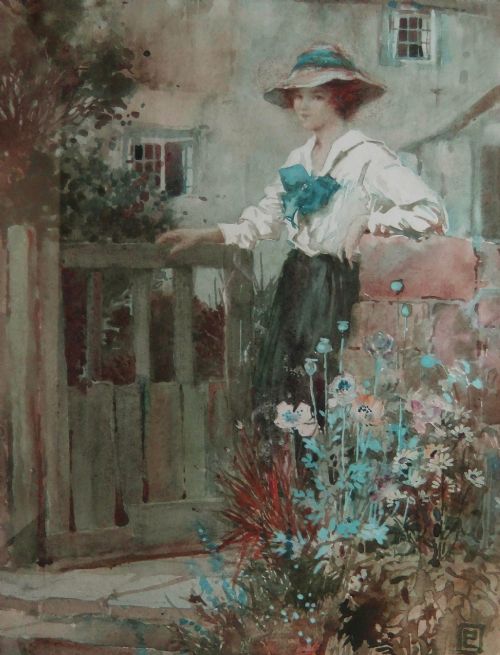
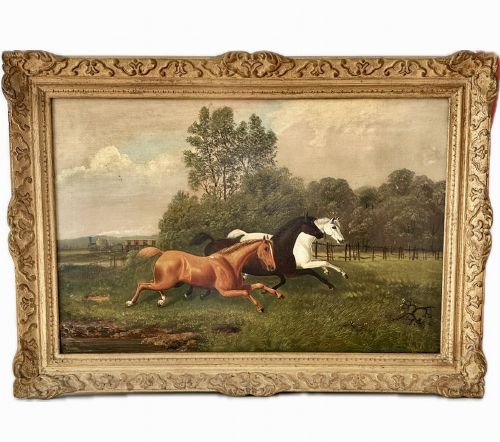
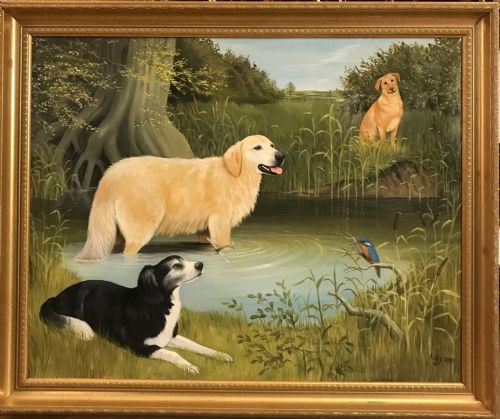
These green landscape portrait painting selections bring together equestrian scenes, rural animals and human subjects framed by natural scenery from across multiple historical periods.
Green Landscape Portrait Painting
When you examine green landscape portrait painting items, you encounter works spanning the seventeenth century through to the mid twentieth century, with strong representation from the nineteenth century and Edwardian eras. The subjects focus predominantly on human portraits, domestic animals, and livestock placed within outdoor rural settings, country estates or pastoral views.
The assortment includes oil paintings on canvas and board alongside watercolours, housed in various frames such as ornate giltwood and gesso settings. Pieces range from formal equestrian and human portraits by named artists to naive folk art and regional school works.
Buyers seeking a green landscape portrait painting will most frequently find nineteenth century animal and human studies alongside early twentieth century pastoral scenes, reflecting rural life, sporting pursuits and naturalistic environments.
Distinctions in execution and depth
Quality separates academic draughtsmanship and anatomical precision in figures and animals from the simpler execution found in naive folk art pieces. The handling of light within the background scenery and the naturalism of the portrait subjects dictate the standing of a work.
The preservation of the original paint surface, the subtlety of pigment blending in foliage and skies, and the integrity of the period frame all contribute to the overall standard of the piece.
Green Landscape Portrait Painting Retail Price Guide 2026
Typical asking prices for green landscape portrait painting among the pieces listed under this phrase on Sellingantiques today, from the lower quarter to the upper quarter. They describe what is for sale here now, not the wider market.
Listings feature works spanning the seventeenth century through to the mid twentieth century, executed in oil and watercolour on canvas and board.
Robert Duddingstone Herdman·George F Bird·Edmund Bristow·John Hayls·Eugene Verboeckhoven·Edward Priestley·Percy Lancaster·Philip Richard Morris·William Henry Mander·Thomas Sidney Cooper·Thomas Edward Roberts·Carl Adolf Mende·Colin Graeme Roe·John Alfred Wheeler·Clifton Tomson·Claude Cardon·W A Clark·George Smith·William Albert Clark·Charles Jones·Samuel John Egbert Jones
The Green Landscape Portrait Painting Glossary
- Canvas
- A heavy woven fabric used as a surface for oil painting, typically stretched across a wooden frame before application.
- Giltwood
- Wood carved and covered with a thin layer of gold leaf or metal gilt, frequently utilised for ornate picture frames.
- Gesso
- A plaster mixture applied to wood or canvas as a base for painting or for moulding decorative details on frames.
- Pentimento
- An alteration in a painting evidenced by visible traces of previous brushstrokes or composition changes beneath the final layer of paint.
- Naive Art
- Artwork created by an artist without formal training, characterised by a simplistic perspective and direct application.
Green Landscape Portrait Painting: Frequently Asked Questions
What subjects appear in these paintings?
The compositions generally combine human figures or domestic animals, such as horses, dogs and livestock, set against natural outdoor backgrounds or rural vistas.
Many examples blend portraiture with landscape elements, recording sporting pursuits, farm work or pastoral scenes from past centuries.
How do I care for an oil painting?
Keep the artwork away from direct sunlight and sources of extreme heat or dampness to protect the canvas and the wooden support.
Dust the surface gently with a dry, soft cloth and avoid using any liquid cleaners or solvents on the paint or frame.
Are the frames original to the pieces?
Some works retain their period giltwood or gesso frames, whilst others have been reframed at later dates to suit contemporary tastes.
Examining the back of the frame and the fit of the canvas helps determine whether the mounting dates from the same era as the painting.
How can I tell the period of a work?
Dates are often indicated by the clothing of human subjects, the style of the frame, and signatures or inscriptions recorded on the reverse of the canvas or board.
Examining the materials used for the stretcher and the type of preparation ground provides further clues to the age of the painting.