

Framed Portrait Gilt Frame
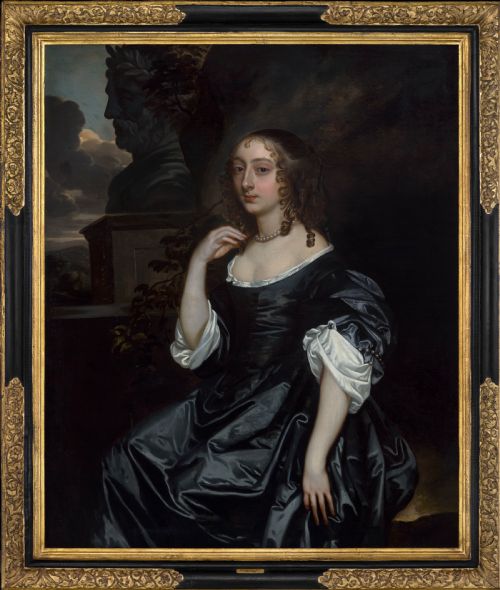
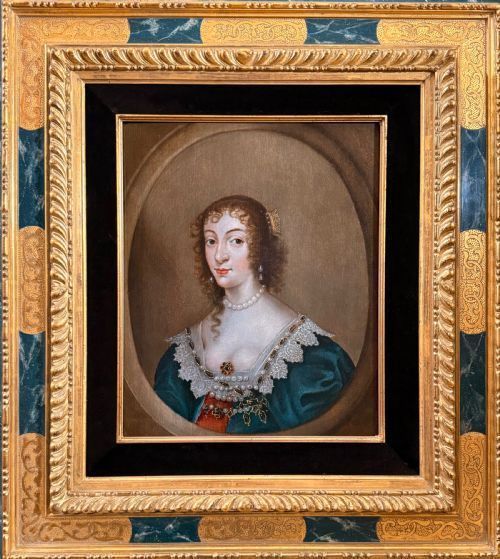
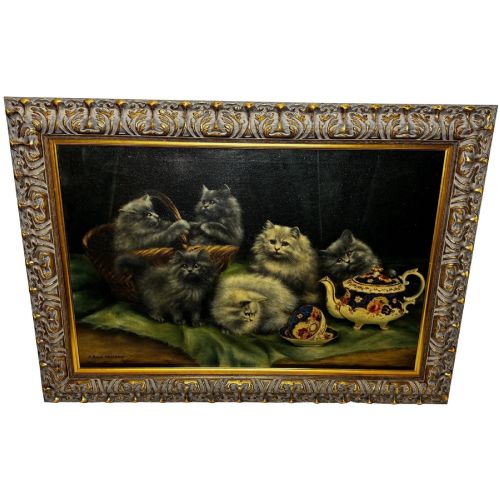
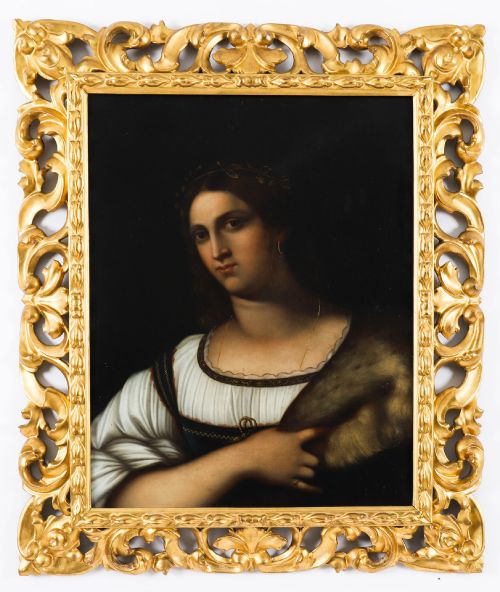
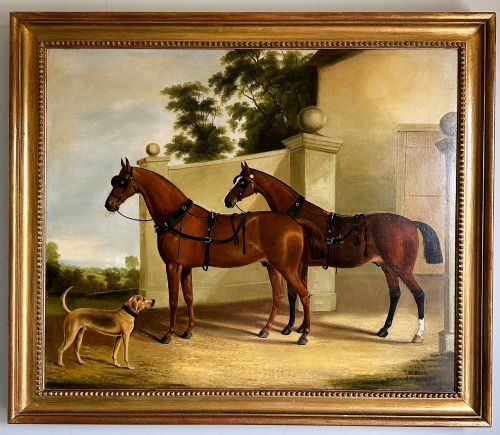
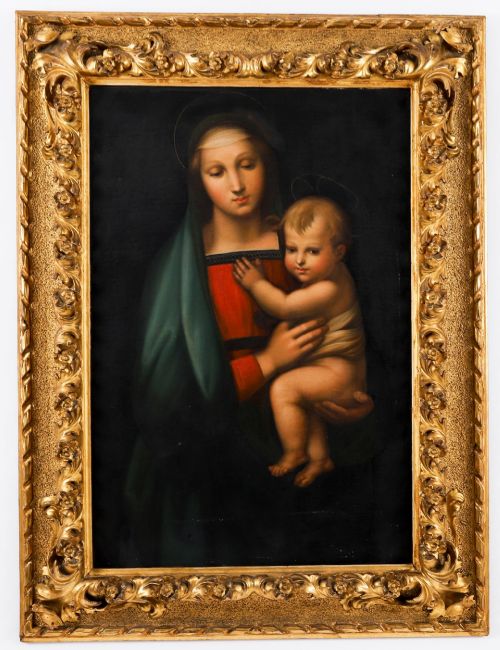
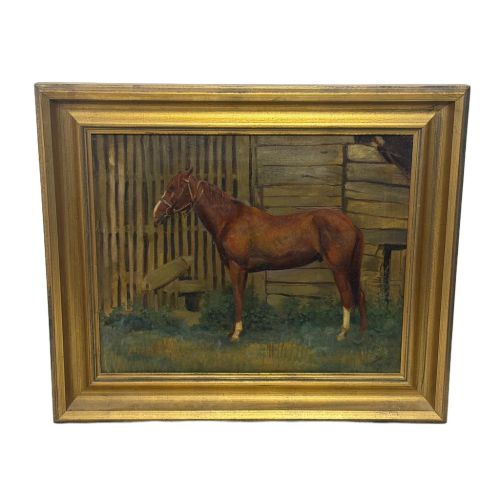
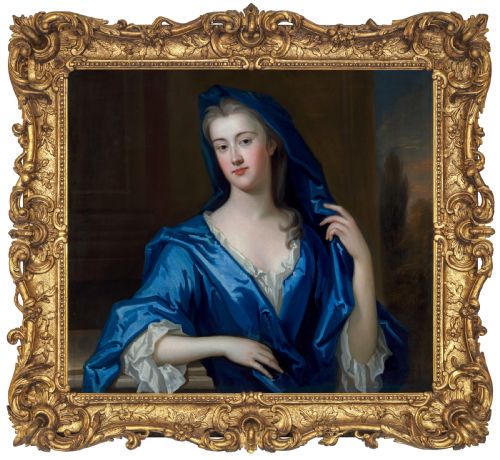
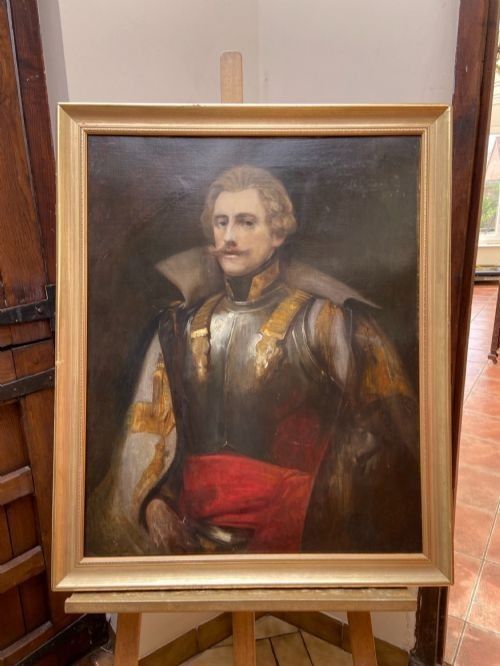
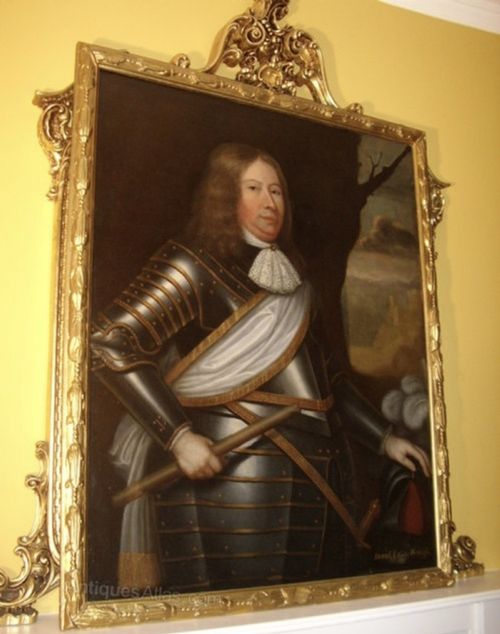
A framed portrait gilt frame brings centuries of character into a room, combining painted likenesses with ornate metallic surrounds.
Framed Portrait Gilt Frame
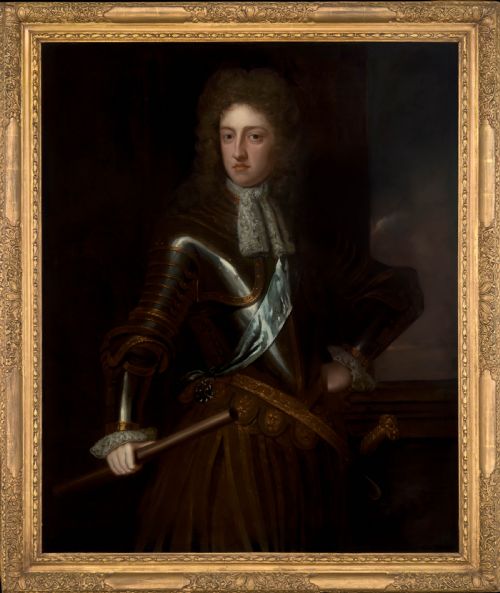
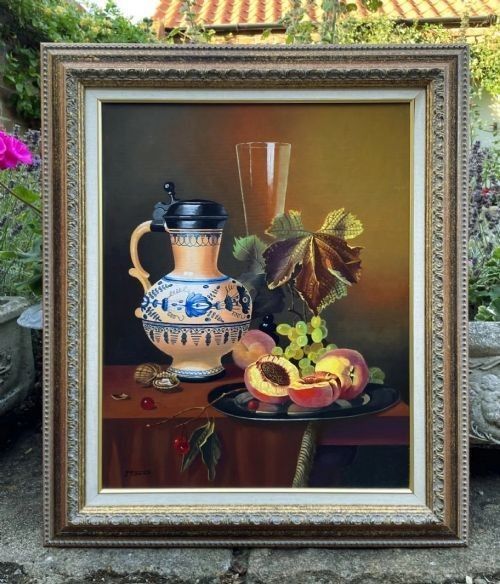
A framed portrait gilt frame unites historical portraiture with decorative mounting, encompassing oil paintings, pastels, watercolours, and engravings housed in metallic surrounds. These works range from seventeenth-century nobility to nineteenth-century depictions of everyday figures.
Oil paintings on canvas and panel form a substantial portion of these selections, accompanied by delicate pastel drawings and silhouette miniatures. The enclosing surrounds utilise wood bases finished with gold leaf or metallic paint.
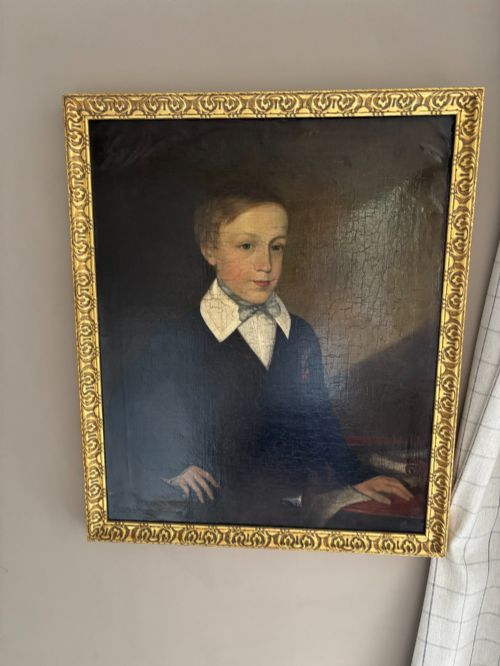
The aesthetic stretches from British and French Baroque through Georgian and Regency periods to Victorian and Edwardian examples. Buyers encounter both grand aristocratic likenesses and intimate studies of individuals.
Materials and technique
Artists worked primarily in oil on canvas or wood panel, alongside pastel on paper, watercolour on ivory, and stipple engraving. Pigments were applied by hand to capture realistic skin tones, fabrics, and interior details.
Surrounds were constructed from wood, such as carved giltwood or gilt bronze, then finished with gold leaf or metallic layers to provide a reflective border. Joinery and moulding techniques varied according to the period workshop standards.
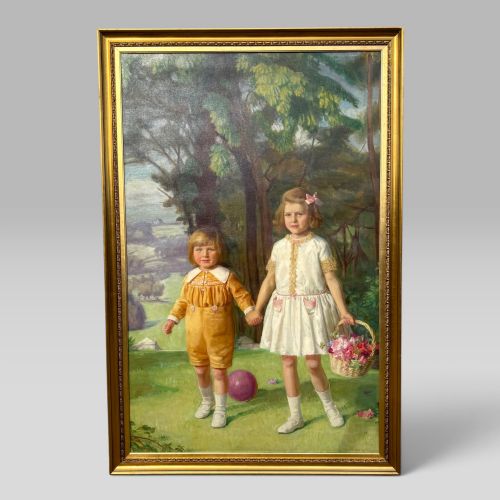
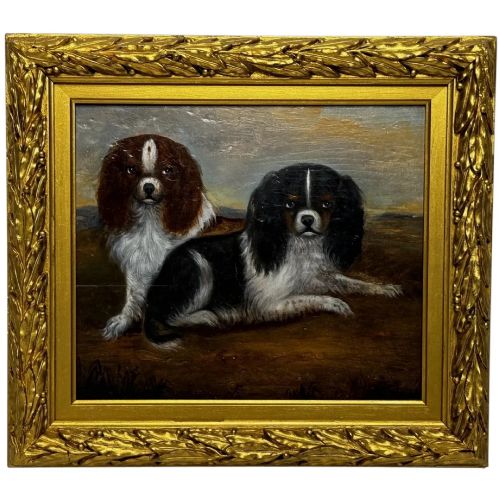
Several portraits feature subjects holding unexpected companions, including an apple-laden basket, a loyal dog, and an orange tree.
Assessing quality
The sophistication of the enclosing surround dictates overall merit, distinguishing deep, hand-carved giltwood mouldings from simpler cast metal or later replacements. Harmony between the artwork and its border elevates the piece.
Sir Godfrey Kneller·Sir Joshua Reynolds·William James Hubard·Francesco Bartolozzi·Sir Peter Lely
The Framed Portrait Gilt Frame Glossary
- Giltwood
- Wood carved and coated with gold leaf or metallic paint. This material provides the brilliant, reflective surface seen on traditional surrounds.
- Mezzotint
- A printmaking process of the intaglio family where tones are worked from dark to light. It allows for subtle gradations of shade well suited to facial portraits.
- Pastel
- A dry medium of powdered pigment and a binder rolled into sticks. Artists applied it to paper to achieve soft, velvety textures.
- Stipple engraving
- A method of producing prints by means of dots of various sizes and densities. It creates gentle tonal transitions for skin and drapery.
- Panel
- A flat piece of wood used as a support for oil paintings prior to the widespread adoption of canvas. Panels offer a rigid surface for detailed brushwork.
Framed Portrait Gilt Frame: Frequently Asked Questions
How do I hang a heavy framed portrait?
These works require sturdy wall fixings distributed across two points to support the weight of the timber and metal construction safely. Secure the fixings directly into wall studs or utilise appropriate cavity anchors.
Ensure the hanging wire or brackets on the reverse match the total mass of the object. Professional framing advice helps protect the integrity of antique joints.
What lighting suits a gilt frame?
Position these pieces away from direct sunlight to protect pigments and paper from fading over time. Controlled ambient lighting or a dedicated picture light enhances the metallic sheen without generating excessive heat.
Warm LED illumination brings out the depth of oil glazes and the warm tones of gold leaf. Avoid harsh spotlights that cause glare on the glass surface.
How do I date a portrait frame?
Examine the construction methods of the timber backing, corner joints, and moulding profiles. Earlier surrounds often feature hand-carved gesso details, whereas later Victorian examples utilise machine-moulded components.
Compare the style of the surround with the period of the artwork it contains. Original pairings display consistent wear patterns across both the image and the mount.