
Framed Historic Portrait
When you search for a framed historic portrait, you encounter centuries of rendered likenesses preserved in wood, canvas and metal.
Framed Historic Portrait
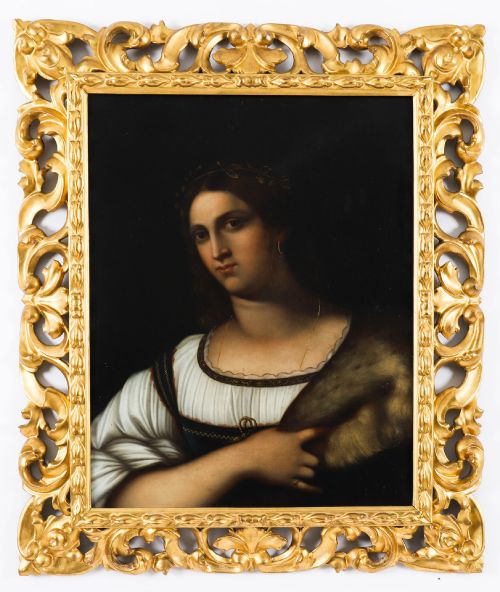
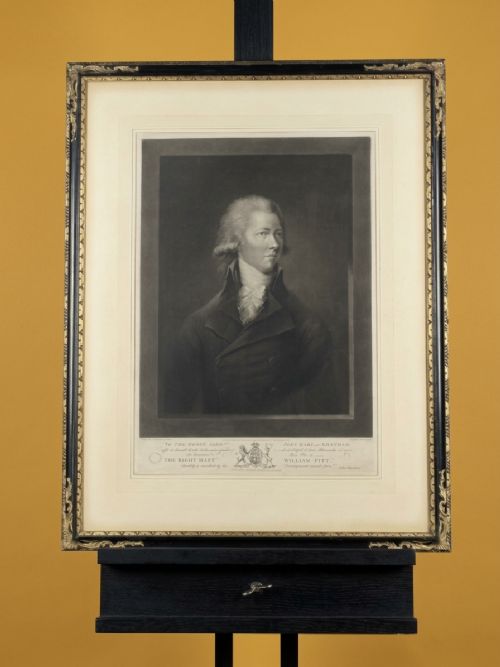
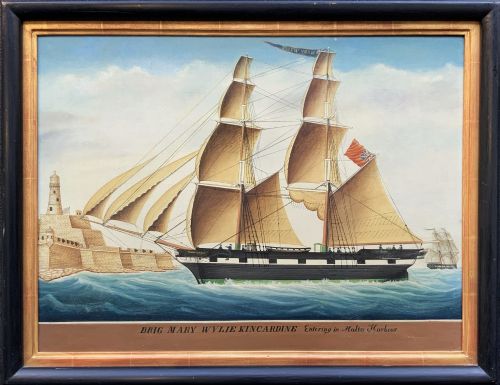
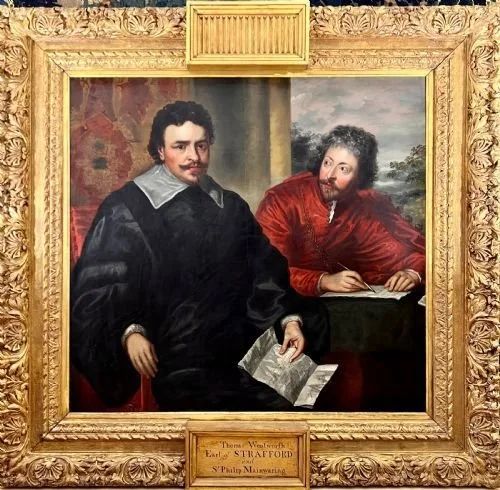
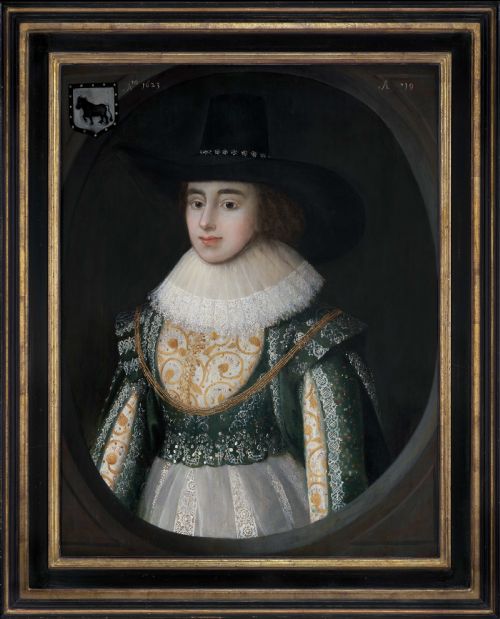
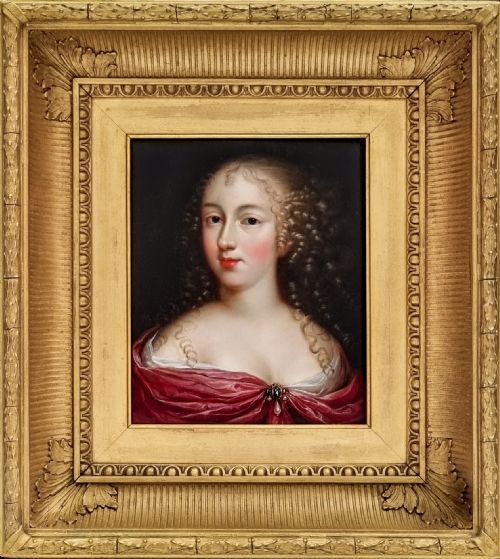
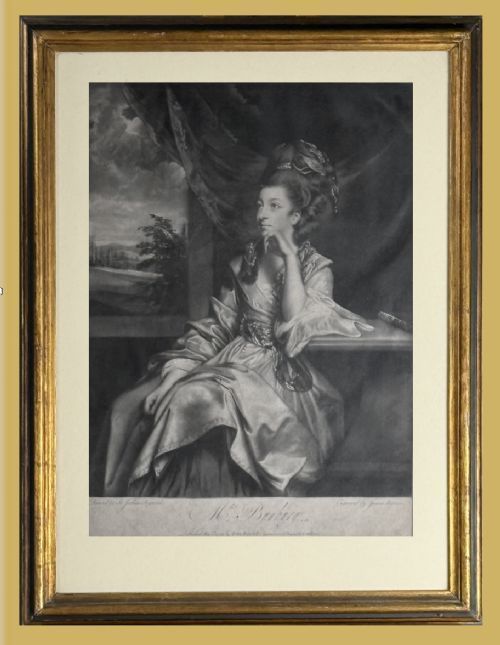
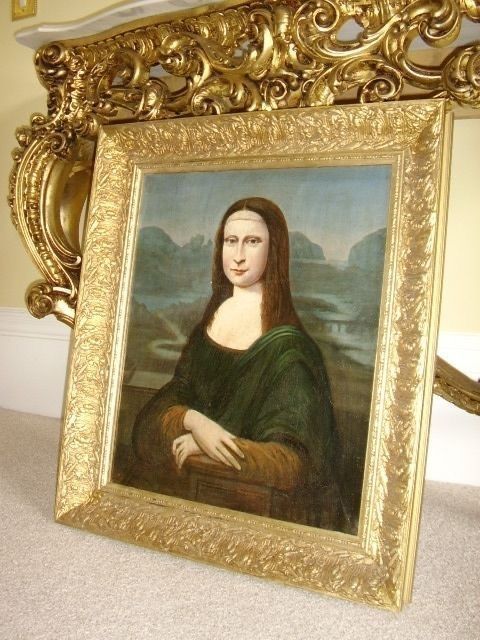
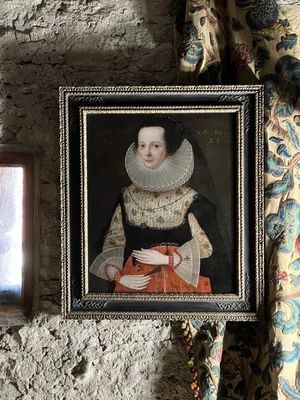
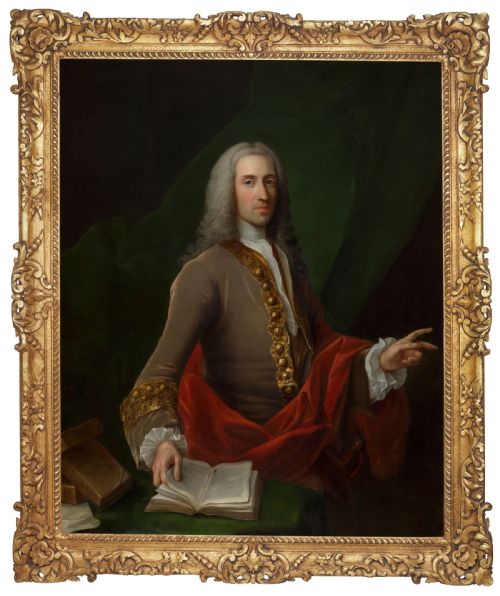
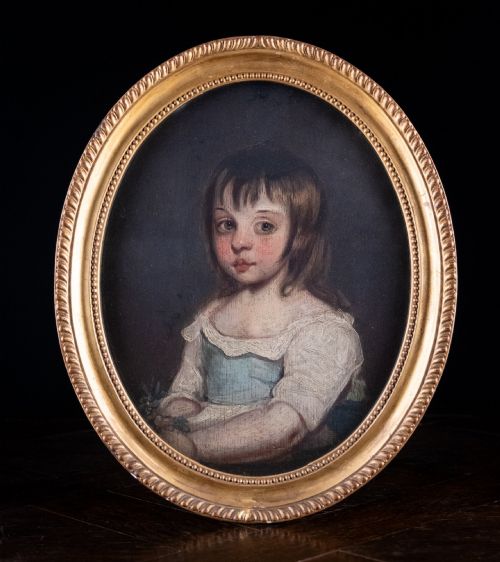
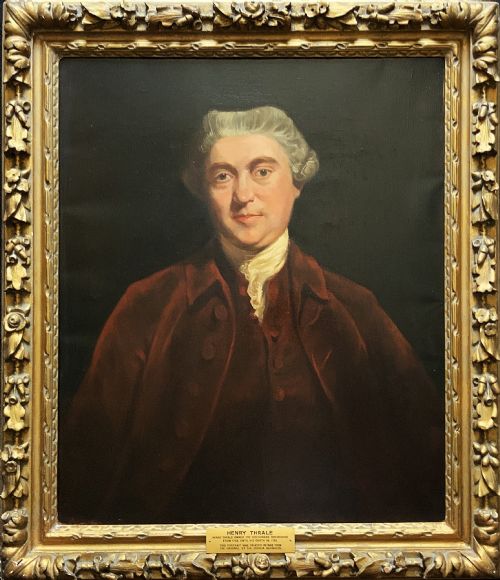
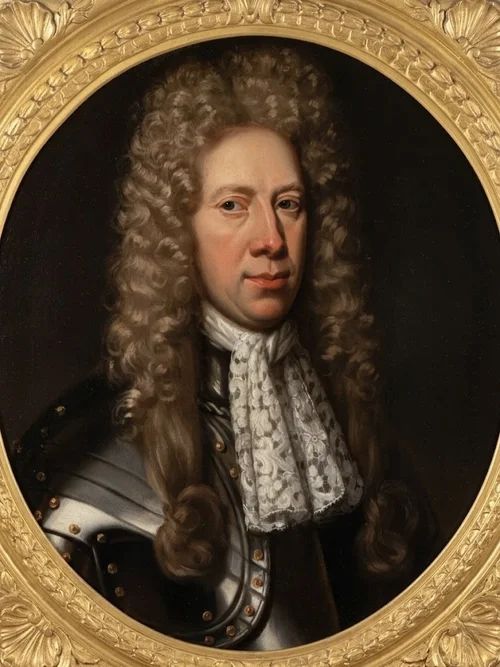
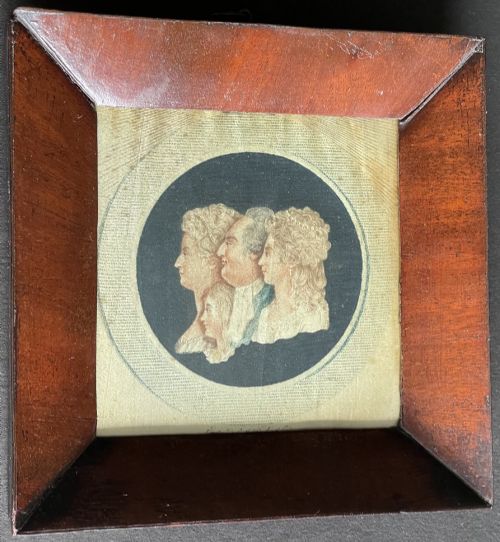
A framed historic portrait brings centuries of documented likenesses into domestic spaces, ranging from nobility in elaborate costume to country girls and military officers. These works span the seventeenth, eighteenth, and nineteenth centuries, taking the form of oil paintings on canvas or panel, mezzotints, engravings, prints on silk, plumbagos, and delicate portrait miniatures. Buyers frequently encounter pieces originating from British, French, Dutch, and broader European schools, capturing subjects from monarchs to physicians.
The survival of these works relies heavily on their original frames, often fashioned from giltwood or carved wood, which complement the period aesthetic. Portrait miniatures offer a more intimate scale, while large canvases depict full-length or half-length subjects with detailed attributes like books, armour, or pipes. Each piece records the sitter's status, fashion, and identity, anchored firmly in historic eras such as the Georgian and Regency periods.
What separates works of higher distinction
The integrity of the original frame and the clear attribution to a recognised school, circle, or named artist elevate a piece's standing. Condition also plays a role, with untouched surfaces, legible inscriptions, and well-preserved paint layers marking the upper tier of surviving works.
Listings feature oil on canvas, wood panels, paper, and silk, spanning the seventeenth to the nineteenth centuries.
James Watson·Sir Joshua Reynolds·Jeremiah Davison·Sir Godfrey Kneller·John Scougall·Edouard Pingret·Pietro Fachetti·Joseph Vivien·Henri and Charles Beaubrun·Joseph Highmore·John Greenhill·John Taylor·William Millar·Frank Moss Bennett
The Framed Historic Portrait Glossary
- Mezzotint
- A printmaking process where the copper plate is roughened to achieve rich tonal gradations of dark and light. It gained immense popularity in the eighteenth century for reproducing painted portraits.
- Plumbago
- A delicate drawing executed in graphite, taking its name from the Latin word for lead ore. These finely detailed works were fashionable in the eighteenth century.
- Portrait miniature
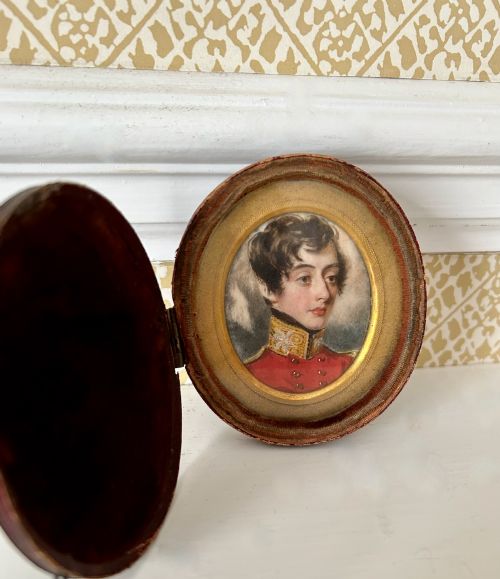
- A small, highly detailed painting on ivory, vellum, or card, designed for personal keepsake or intimate display. They frequently date from the nineteenth century and earlier.
- Giltwood
- Wood carved and coated with a thin layer of gold leaf or metallic powder. It forms the decorative border for many eighteenth and nineteenth-century frames.
- Reverse glass print
- An image applied directly to the back of a glass sheet, viewing through the transparent medium. This technique protected the delicate pigments from atmospheric dirt.
Framed Historic Portrait: Frequently Asked Questions
What periods do these portraits cover?
The listings span multiple centuries, heavily featuring seventeenth, eighteenth, and nineteenth-century works. You will find pieces from specific eras like the Georgian, Regency, and Victorian periods.
Creators ranged from seventeenth-century British and Dutch schools to later European artists working in oil, mezzotint, and miniature formats.
How were portrait miniatures used?
Portrait miniatures were intimate objects designed to be held, worn, or kept in private spaces as personal keepsakes. Their small scale allowed subjects to carry likenesses of family members or monarchs across distances.
Artists painted these delicate works with extreme precision on surfaces like vellum, ivory, or card, often housing them in protective cases.
How can I tell a painting's school or circle?
Attributions often stem from stylistic comparisons, surviving documentation, or signatures recorded on the canvas, panel, or reverse. Descriptions frequently link works to the circle or studio of prominent artists.
Studying the sitter's costume, the rendering of background attributes like books or armour, and the painting technique helps historians place the work within a specific regional school.