




Antique Cavalier Painting
An antique cavalier painting captures the swagger, costume and dramatic lighting of seventeenth-century royalists and soldiers.
Antique Cavalier Painting
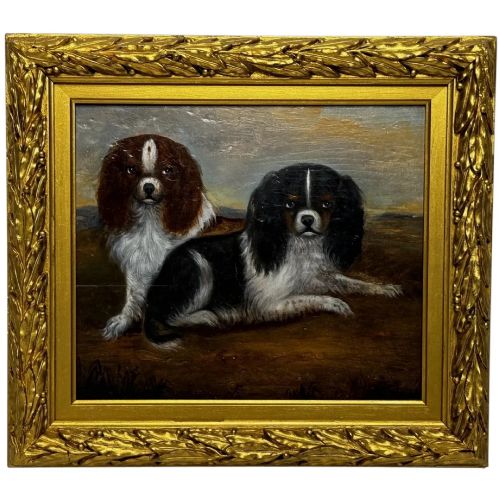
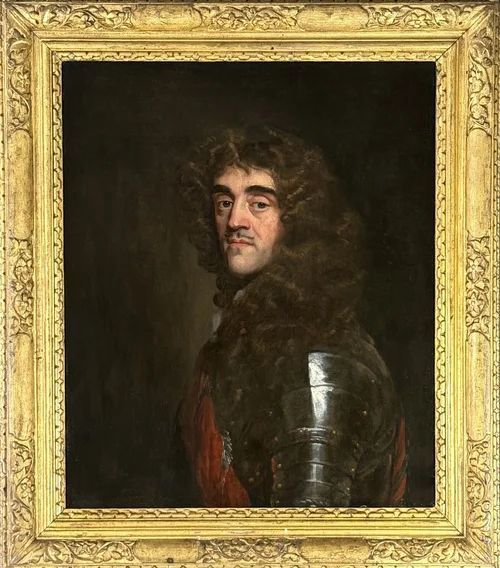
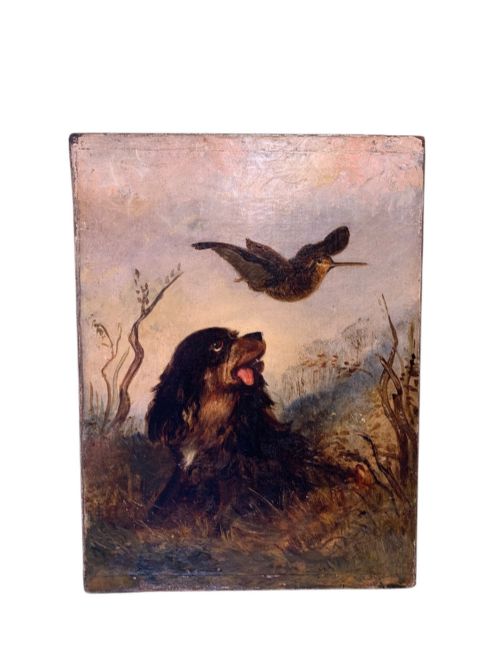
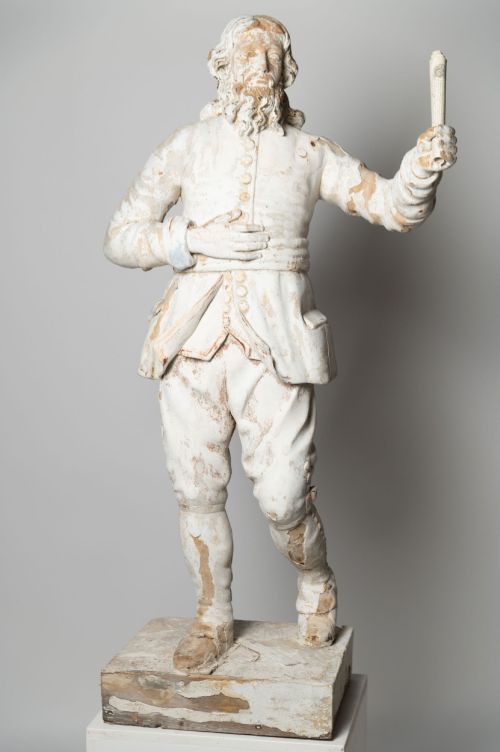
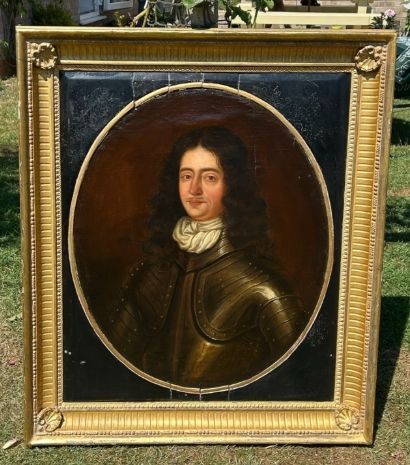
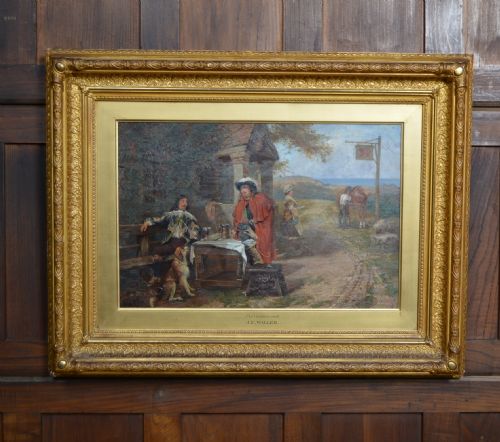
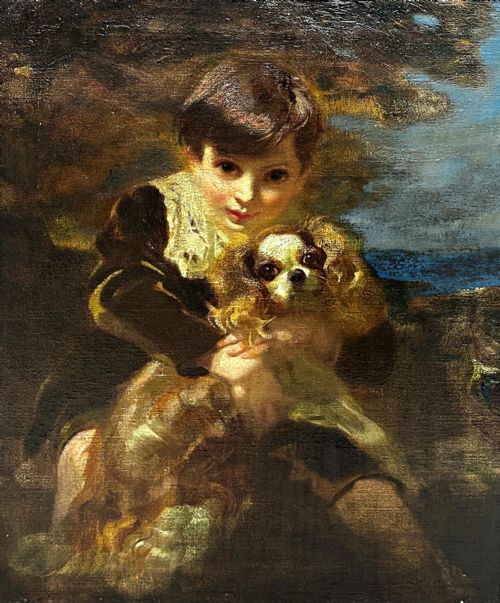
When you search for an antique cavalier painting, you encounter portraits of armoured gentlemen, historical genre scenes in taverns, and depictions of the small spaniels bearing the same name. The pieces on this page span from seventeenth-century portraits to later nineteenth-century historical revivals and academic interpretations.
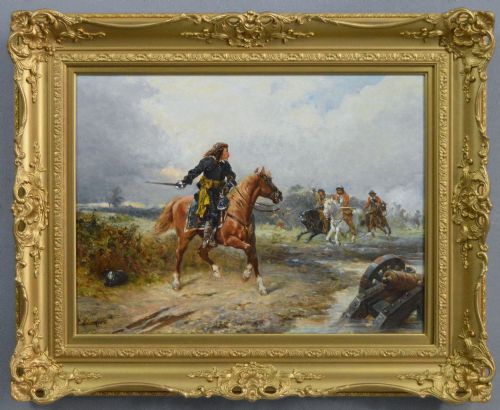
You meet oil paintings on canvas and wood panel alongside watercolours, chrystoleum pieces and painted tin supports. Subjects range from solitary half-length officers in breastplates to narrative interiors involving drinking soldiers and military camps.
The aesthetic draws heavily on Dutch Golden Age traditions and Baroque staging, often housed in heavy giltwood or rosewood frames that complement the rich red sashes and dark armour depicted within the composition.
How they were made
Painters utilised oil pigments applied to stretched canvas, wooden panels or prepared metal tin sheets to build up deep shadows and luminous highlights on velvet doublets and polished steel. Watercolours on paper provide a lighter, more immediate medium for historical costume studies.
Gold leaf and gilded wood form the primary materials for the frames that enclose these artworks, providing a reflective border that enhances the theatrical lighting of the painted subjects.
Miniature works and chrystoleums demonstrate finer mechanical and chemical techniques for reproducing or condensing portraits into domestic formats for Victorian interiors.
Materials documented across the pieces include gold leaf, giltwood, paper and canvas, housed in period frames.
What varies in quality
The strength of draftsmanship in the rendering of facial expressions, hand gestures and anatomical proportions separates ambitious academic canvases from hurried provincial copies. Master painters handle the weight of heavy wool fabrics and the gleam of metal armour with distinct conviction.
The integrity of the original support, whether canvas, panel or tin, dictates the visual stability of the pigment layer. Works retaining their period giltwood frames without heavy restoration hold greater historical cohesion.
Provenance and attribution elevate certain pieces, moving them from anonymous school works to documented canvases by recognised historical revivalists.
John Greenhill·Edwin Hughes·Ernest Crofts·Frank Owen Salisbury·Adolphe-Alexandre Lesrel·George Cattermole·Frank Moss Bennett·Hendricus J Scheeres·Cavaliere Alessandro Capalti
The Antique Cavalier Painting Glossary
- Cavalier
- A supporter of King Charles the First during the English Civil War, later used as a broader stylistic term for seventeenth-century soldiers and gentlemen in elaborate costume. These figures are typically shown with long hair, lace collars and broad-brimmed hats.
- Giltwood
- Wood that has been coated with a thin layer of gold leaf or gold paint. It is commonly found on the ornate frames encasing nineteenth-century historical paintings.
- Chrystoleum
- A Victorian method of applying a colour print to convex glass and hand-tinting it from behind before removing the paper backing. This technique creates a luminous, three-dimensional effect popular for historical genre scenes.
- Genre art
- Paintings that depict scenes from everyday life, often featuring figures in historical costume drinking in taverns or resting in military camps. These narratives focus on human interaction rather than formal portraiture.
Antique Cavalier Painting: Frequently Asked Questions
What is a cavalier painting?
A cavalier painting portrays seventeenth-century royalist soldiers, officers or courtiers, often shown in armour with distinctive hats, sashes and lace collars. These artworks range from period portraits to later nineteenth-century romantic revivals.
Artists used these subjects to explore theatrical lighting, rich textiles and historical drama, capturing the romanticized atmosphere of the English Civil War and the Dutch Golden Age.
How do I date an antique painting?
Dating relies on examining the physical support, such as hand-woven canvas, wooden panels or metal tin, alongside the framing materials and pigment composition. Style of dress, hair and armour also provide clear chronological markers.
Signatures, inscriptions on the reverse, and attribution to recorded artists help narrow the production period to specific decades within the seventeenth or nineteenth centuries.
Are all these paintings from the seventeenth century?
Many works date from the nineteenth century when artists engaged in historical revivalism, painting romanticized scenes of seventeenth-century life. Authentic seventeenth-century portraits appear alongside Victorian interpretations.
Both periods share a fascination with historical costume and military subjects, though material analysis and artistic technique easily distinguish the older canvases from nineteenth-century productions.
How should I display a framed oil painting?
Keep oil paintings away from direct sunlight and dramatic fluctuations in temperature and humidity to protect the canvas and the delicate layers of paint. Stable wall environments prevent the wood stretcher and canvas from warping.
Ensure the period giltwood frame is securely hung from appropriate wall fixings, as these heavy frames require robust support to protect both the artwork and the surrounding wall.