




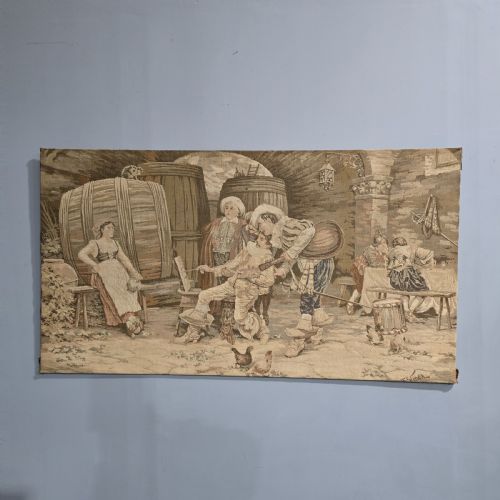


Framed Pictorial Tapestry
These framed pictorial tapestry pieces bring centuries of needlework, silk, and wool into modern rooms.
Framed Pictorial Tapestry
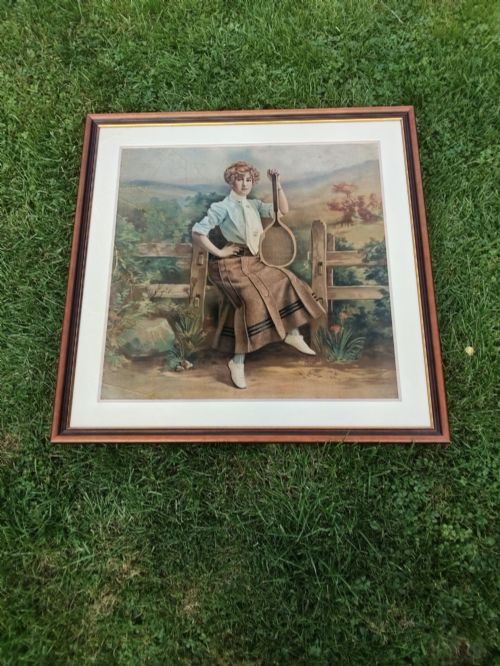
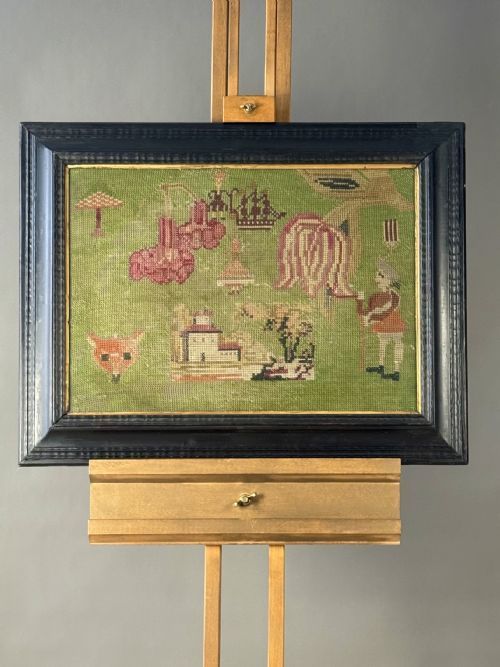
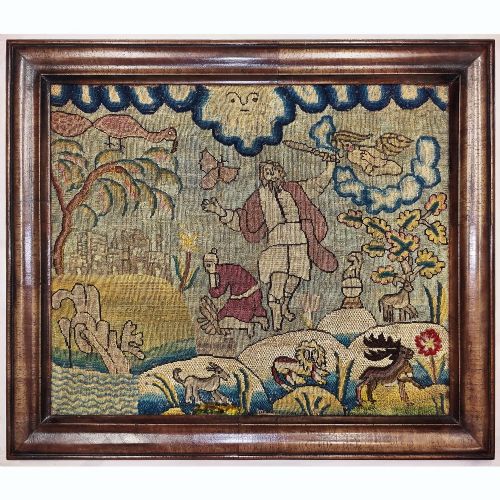
A framed pictorial tapestry brings together historical textile art and protective glazing, spanning periods from the seventeenth century through to the Edwardian era. Buyers searching for framed pictorial tapestry encounter wall art, needlework pictures, and framed textile art depicting portraits, hunting scenes, and classical subjects. Many pieces incorporate wool, silk, and metal thread embroidery mounted inside wood or rosewood frames.
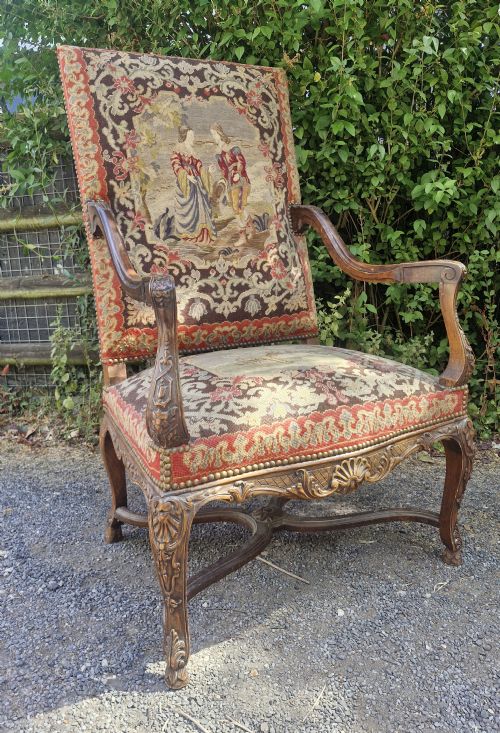
The selection ranges from early Italian embroidery and seventeenth century needlework to Victorian samplers and early twentieth century works on board. Forms extend beyond wall hangings into upholstered armchairs and cushion covers that preserve antique textiles beneath glass or within carved wooden structures. Each piece reflects the decorative taste of its specific period, from Stuart and Baroque styles to Renaissance Revival and Victorian designs.
Materials and construction
Maker construction relies on natural fibres such as wool, silk, linen, and textile threads worked upon supportive backings. Artisans utilised gros point and needlepoint techniques to build dense pictorial surfaces, sometimes incorporating metal thread embroidery for added lustre.
Listings feature periods spanning the seventeenth century, eighteenth century, Georgian, Victorian, Edwardian, and the nineteen twenties.
Judging quality in antique textiles
Quality rests upon the intricacy of the needlework and the survival of the original fibres. Dense stitching in silk and wool yields sharper pictorial definition and richer tonal depth across portraits and narrative scenes.
The integrity of the mounting and the preservation of the surrounding wood or rosewood frame influence the overall character of the piece. Early examples maintaining intact metal thread embroidery and original glazing demonstrate superior craftsmanship.
The Framed Pictorial Tapestry Glossary
- Gros point
- A coarse needlepoint stitch worked on canvas that creates durable pictorial surfaces. This technique forms the foundation of many nineteenth century wall art pieces.
- Needlework picture
- A stitched pictorial representation created with wool, silk, or metal threads. These works were traditionally framed for display as domestic art.
- Sampler
- A demonstration piece showing various stitches and patterns executed by a needleworker. Historic examples often record dates and maker details.
- Metal thread embroidery
- The application of gold or silver wrapped threads to enhance textile designs. This technique appears in select eighteenth century and earlier works.
- Glazed
- Fitted with a protective glass panel to shield fragile textiles from dust and handling. This method preserves historic embroidery and needlepoint.
Framed Pictorial Tapestry: Frequently Asked Questions
How do I date an antique tapestry?
Dating relies on stylistic clues, framing materials, and the types of stitches used within the textile. Needlework techniques evolved significantly between the seventeenth century and the Edwardian period.
Examination of the backing materials and the construction of the wood frame provides further chronological context for each piece.
Are these textiles protected by glass?
Many framed pictorial tapestry pieces feature original or contemporary glazing to protect fragile wool and silk threads. Glass prevents environmental damage and airborne dust from settling on the embroidery.
Unframed textile art or upholstered furniture pieces require alternative conservation care depending on their specific form.
Where should I hang needlework art?
These works suit dining rooms, libraries, and drawing rooms where interior humidity remains stable. Placement away from direct sunlight protects delicate silk and wool threads from fading.
Secure wall mounting is essential for heavier carved wooden frames and large textile panels.
What is the difference between tapestry and needlework?
Tapestry is traditionally woven on a loom using warp and weft threads to build an image. Needlework is stitched by hand directly onto an existing woven ground or canvas.
Both methods produce pictorial art, though their underlying manufacturing processes differ entirely.