


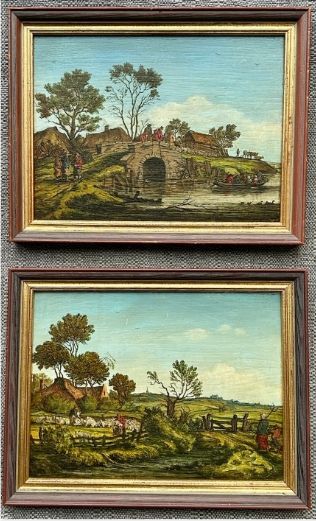

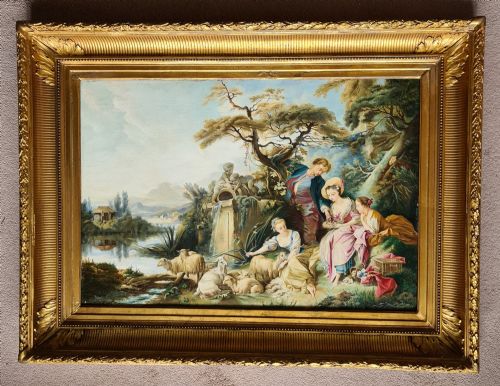

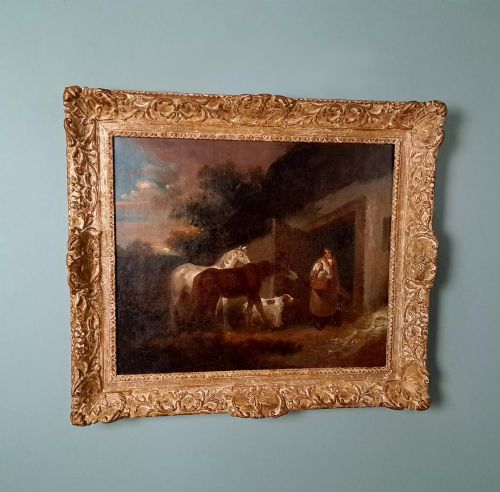
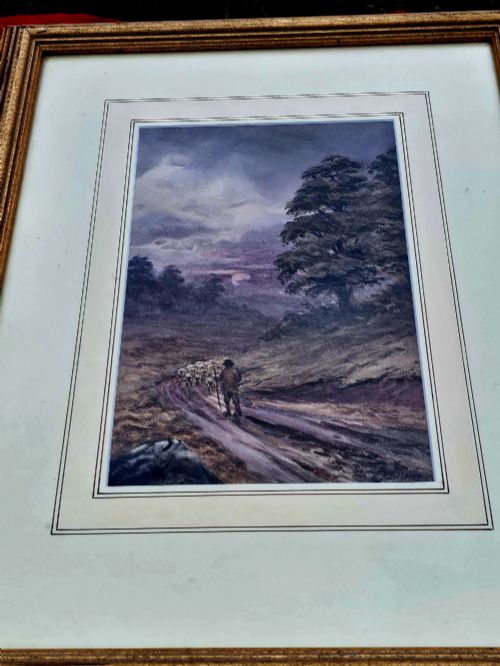
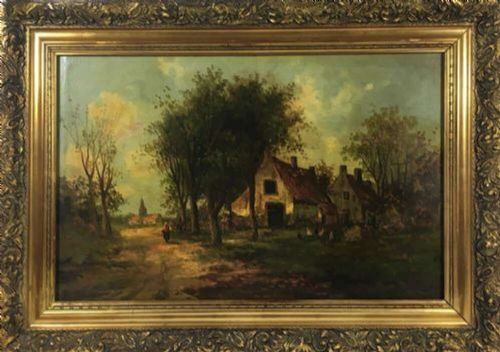

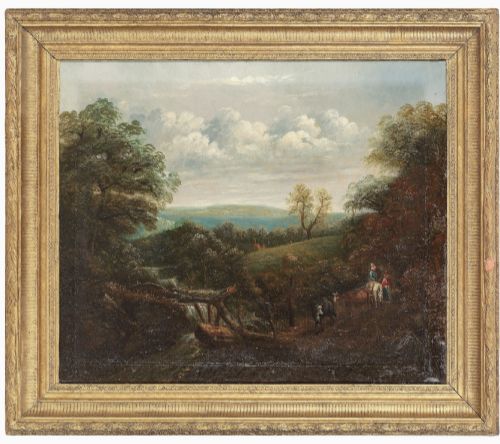
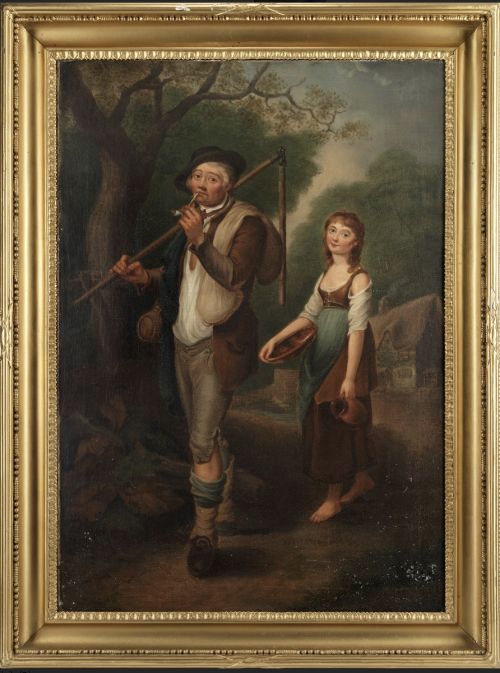
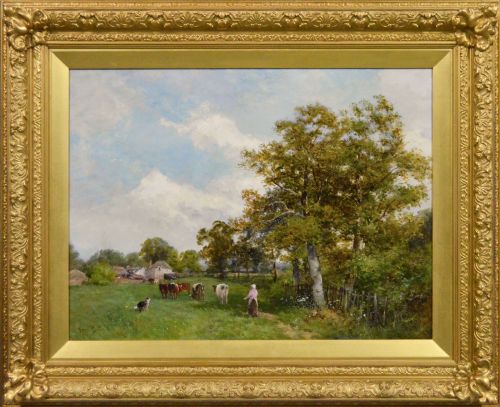
Framed Pastoral Landscape Artwork
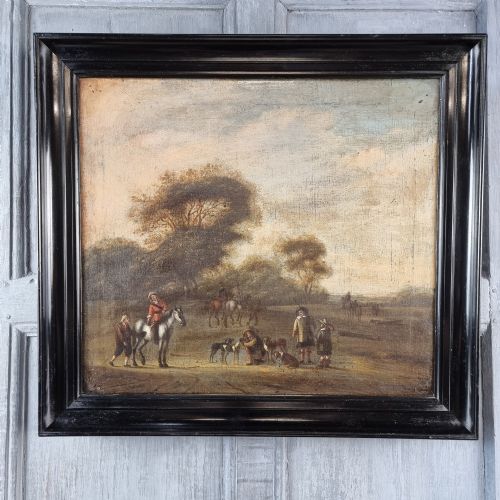
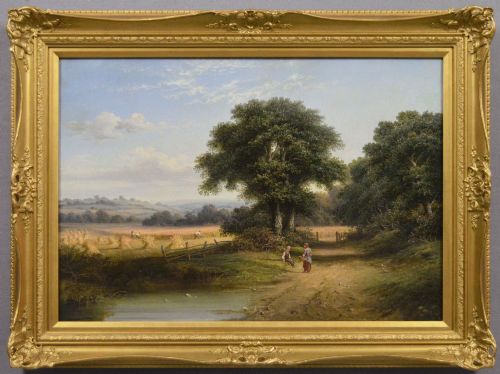
Framed pastoral landscape artwork brings the quiet of rural life indoors, offering romantic views of shepherds, cattle, and rustic fields.
Framed Pastoral Landscape Artwork
A framed pastoral landscape artwork captures the quiet rhythms of the countryside, depicting scenes of shepherds, cattle, farmyards, and rustic fields under shifting skies. These works bridge fine art and domestic decoration, traditionally designed to bring the tranquillity of nature into the formal rooms of country houses and urban townhomes alike.
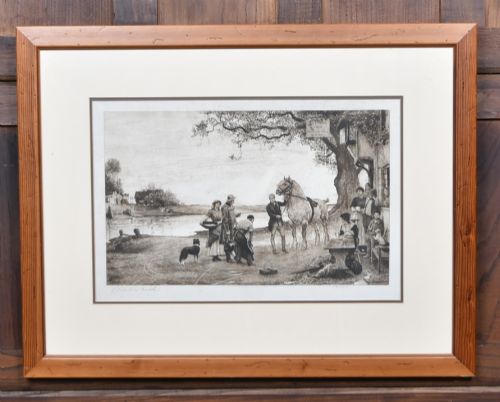
The pieces encountered most frequently span from the seventeenth century through to the early twentieth century, encompassing Victorian and Edwardian interpretations of rural life. Oil paintings on canvas or wood panels predominate, alongside delicate watercolours on paper and occasional period engravings.
Makers and schools represented range from regional British and Scottish painters to continental European artists working in Flemish, French, and Grand Tour traditions. Whether executed as detailed studies of livestock or broader romantic vistas, each framed pastoral landscape artwork offers a window into agrarian history.
Materials and Technique
Artists relied primarily on oil on canvas or wood panels, though works on paper appear frequently in the form of watercolours and etchings. Pigments were skilfully layered to capture atmospheric effects, from the golden light of harvest fields to the misty moisture of river valleys.
Framing forms an integral part of the physical object, utilising carved wood, gesso, and giltwood to enclose and elevate the painted surface. These historic frames often retain their original gilding and joinery, protecting the delicate edges of the canvas or paper over centuries.
Common materials recorded include canvas, wood panels, paper, giltwood frames, and gesso.
Judging Quality
Quality rests in the sureness of the brushwork and the artist's command of light, shadow, and atmospheric depth within the scene. Superior examples display a naturalistic rendering of livestock, figures, and foliage that demonstrates close observation of the natural world rather than formulaic repetition.
The integrity of the physical components also distinguishes finer works, particularly where original wood panels remain stable or canvases retain their texture without excessive intervention. Furthermore, the harmony between the painting and its period frame contributes significantly to the overall merit of the piece.
Eugène Verboeckhoven·William H Myers·W Klombeck·Percy Lancaster·John Horace Hooper·William Joseph Shayer Senior·EJ Letheren·Thomas Barker of Bath·David Bates·Walter Heath Williams·Robert W Macbeth·Jacob Philipp Hackert·Lucy Pratt·Thomas Sidney Cooper·Frederick Walker·Richard Redgrave·Ernest Higgins Rigg·George Oyston·Frederick James Kerr·Robert Watson·Albert Rieger·William Watson Jnr·Douglas Cameron·Johann Friedrich Voltz·Henry H Parker
The Framed Pastoral Landscape Artwork Glossary
- Giltwood
- Wood that has been coated with a thin layer of gold leaf or powder. This finish was widely applied to nineteenth-century picture frames to enhance decorative appeal.
- Gesso
- A plaster-like mixture used as a base for moulding decorative details on wooden frames before gilding. It provides a smooth surface that catches light sharply.
- Watercolour
- A painting method where fine pigment is suspended in a water-based solution and applied to paper. It yields translucent washes that capture delicate light.
- Wood Panel
- A solid wooden support used in place of canvas for oil painting. Panels were favoured by artists seeking a rigid, durable surface for fine detail work.
Framed Pastoral Landscape Artwork: Frequently Asked Questions
What defines a pastoral landscape?
A pastoral landscape depicts rural scenes focusing on agriculture, livestock, and country life, typically featuring shepherds, cattle, and rustic cottages. These works idealise the harmony between humanity and nature.
Originating from classical traditions, the genre evolved through various European schools, emphasising tranquil moods, atmospheric skies, and gentle, rolling terrain over dramatic wilderness.
How do I date an antique painting?
Dating relies on examining the materials used, such as the weave of the canvas, the composition of the wood panel, and the preparation layers beneath the paint. Stylistic clues, artist signatures, and framing techniques also offer reliable chronological markers.
Additionally, stretcher construction and handwritten inscriptions on the reverse often provide specific clues regarding when the artwork was created or subsequently framed.
Where should I hang these paintings?
These works suit traditional living spaces, studies, and dining rooms where their warm earth tones and calm rural subjects can be appreciated at leisure. They pair well with natural wood furniture and classic interior palettes.
Protect the artwork from direct sunlight and excessive humidity fluctuations by choosing interior walls away from direct heat sources and damp windows.
What is the Barbizon School?
The Barbizon School refers to a collective of French painters active in the mid-nineteenth century who championed direct observation of nature. They worked outdoors to capture realistic rural and forest environments.
Their focus on natural light and humble farmyard subjects heavily influenced subsequent landscape painting across Europe and Britain during the Victorian era.