





Victorian Highland Sheep Painting
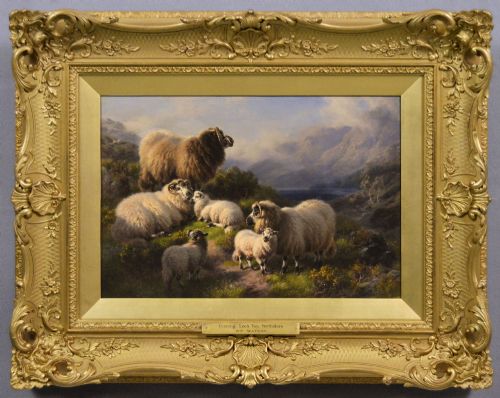
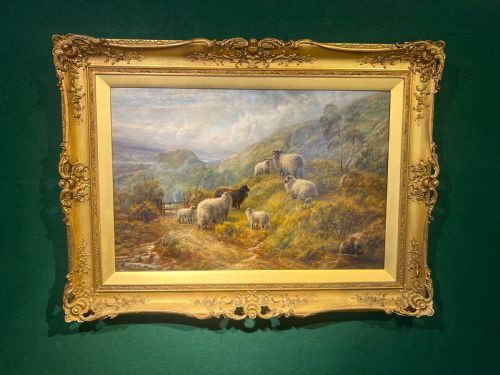
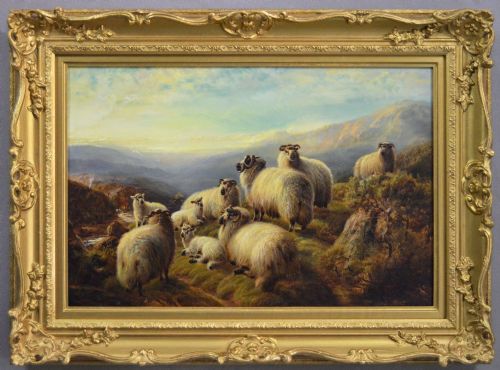
These Victorian highland sheep painting works capture rugged northern landscapes and pastoral stillness through oil on canvas framed in giltwood.
Victorian Highland Sheep Painting
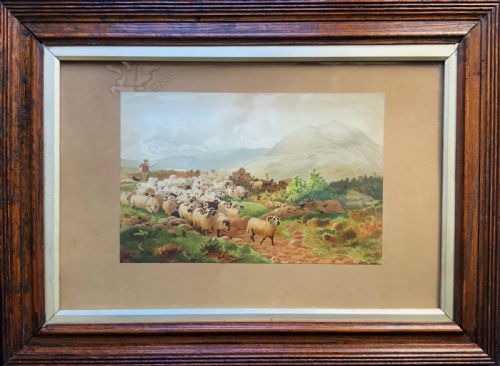
A victorian highland sheep painting depicts rural Scottish scenery populated by sheep and cattle, often rendered by named artists working within the nineteenth century and the early Edwardian period. The works commonly feature canvas stretched and housed in ornate giltwood and gesso frames finished with gold leaf.
Most examples focus on pastoral scenes, winter landscapes, and animal portraits that reflect Victorian naturalism and fine art traditions. Buyers encounter depictions of glens, lochs, and mountain backdrops created by painters who specialised in livestock and rural topography.
How victorian highland sheep painting works were made
Artists applied oil paint directly to prepared canvas substrates to build up texture, tonal depth, and atmospheric lighting in these pastoral landscapes. Brushes captured the fine wool of the animals alongside the rugged details of highland terrain and winter weather.
Makers housed the completed canvases within decorative frames constructed from wood and finished with layers of gesso and gold leaf. These giltwood surrounds provided structural support and visual weight appropriate to nineteenth-century salon display.
Victorian Highland Sheep Painting Retail Price Guide 2026
Typical asking prices for victorian highland sheep painting among the pieces listed under this phrase on Sellingantiques today, from the lower quarter to the upper quarter. They describe what is for sale here now, not the wider market.
Several canvases include vigilant sheep dogs keeping order among stubborn highland flocks.
What varies in quality
The sophistication of brushwork and the anatomical accuracy of the sheep and cattle distinguish finer compositions from simpler decorative efforts. Superior examples demonstrate a careful balance between the naturalistic rendering of livestock and the atmospheric expanse of the highland background.
The preservation of the original giltwood and gesso frame contributes significantly to the integrity of a piece. Frames retaining their original gold leaf finish without extensive restoration support the overall historical character of the canvas.
Robert Watson·William Watson Jnr·Douglas Cameron·William Henry Mander·Charles Jones·GW Horlor·Frederick Richard Lee·Thomas Sidney Cooper·Henry Birtles·Royal Worcester
The Victorian Highland Sheep Painting Glossary
- Giltwood
- Wood that has been coated with gold leaf or gold paint to create a decorative metallic finish. This material is standard for the ornate frames housing nineteenth-century oil paintings.
- Gesso
- A plaster-like mixture applied to wooden frame substrates to create a smooth surface for gilding. It allows craftsmen to model intricate relief ornamentation.
- Oil on Canvas
- A traditional painting medium consisting of pigments suspended in drying oils applied to a woven fabric support. Canvas provides a durable and flexible ground well-suited to large landscape formats.
- Victorian Naturalism
- An art movement focused on the accurate and unidealised depiction of the natural world and rural life. It guided many nineteenth-century painters toward faithful representations of animals in their native environments.
Victorian Highland Sheep Painting: Frequently Asked Questions
What subjects appear in these paintings?
The compositions typically feature sheep, cattle, and shepherd dogs integrated into Scottish highland landscapes, lochs, and winter snow scenes. Artists recorded rural life and animal behaviour against expansive mountainous backdrops.
Specific settings include named locations such as Loch Tay and Ben More, alongside broader pastoral and agricultural views characteristic of the nineteenth century.
How do I identify the period?
Nineteenth-century works are identified through artist signatures, biographical dates, and the specific naturalistic styles popular during the Victorian era. The construction methods of the canvas support and the frame also provide clear chronological indicators.
Examining the materials, such as gessoed giltwood frames and oil on canvas techniques, helps confirm the nineteenth-century or early Edwardian origins of the piece.
Where should I hang these paintings?
These artworks suit traditional interiors, libraries, or living spaces where their pastoral subjects and gilded frames complement classic architectural details. They require placement away from direct sunlight and excessive moisture to protect the oil paint and canvas.
Sufficient wall space allows the giltwood frame and the scale of the highland landscape to be viewed properly from a distance.
Are all the frames original?
Frames vary in age and relationship to the canvas, with some retaining their original nineteenth-century giltwood and gesso housings while others have been replaced or regilt over time. The condition of the gold leaf and the fit of the canvas within the rebate indicate the history of the pairing.
Inspectors look at the backboards and corner joints of the frame to understand how long the canvas and its surround have remained together.