


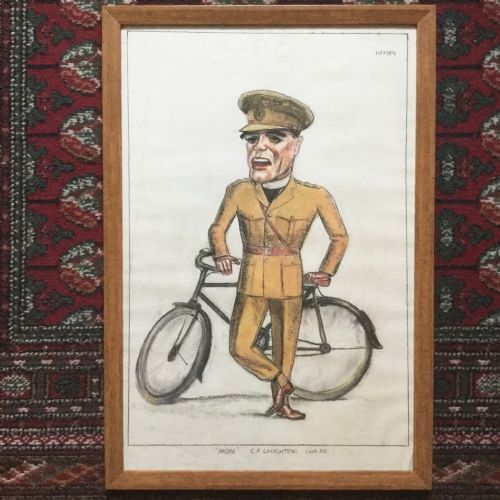
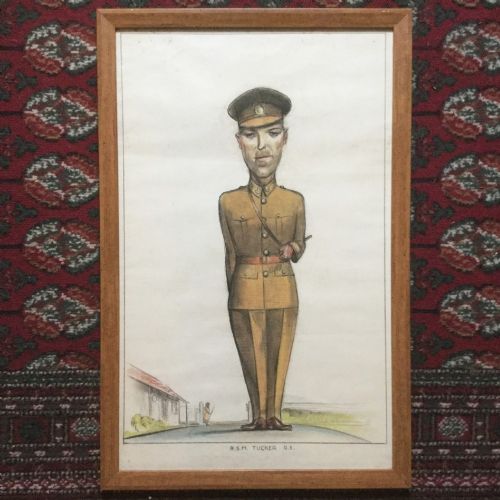
Framed Pastel Portrait Painting
A framed pastel portrait painting brings delicate pigment and immediate human presence to a wall, capturing subjects from eighteenth-century nobility to mid-century modern characters.
Framed Pastel Portrait Painting
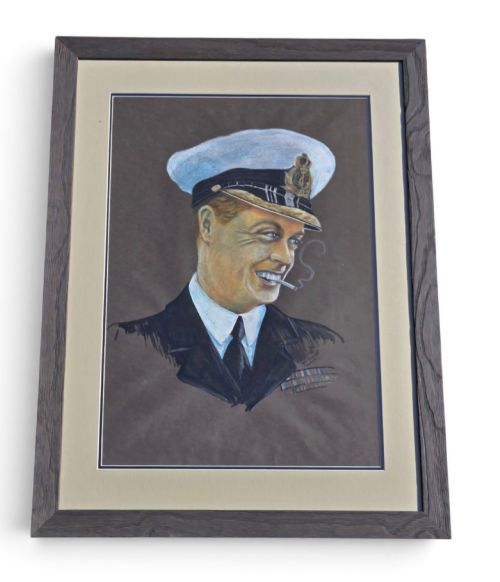
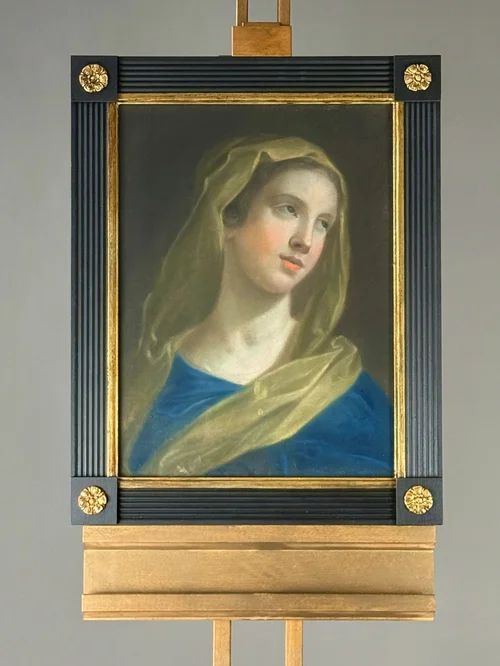
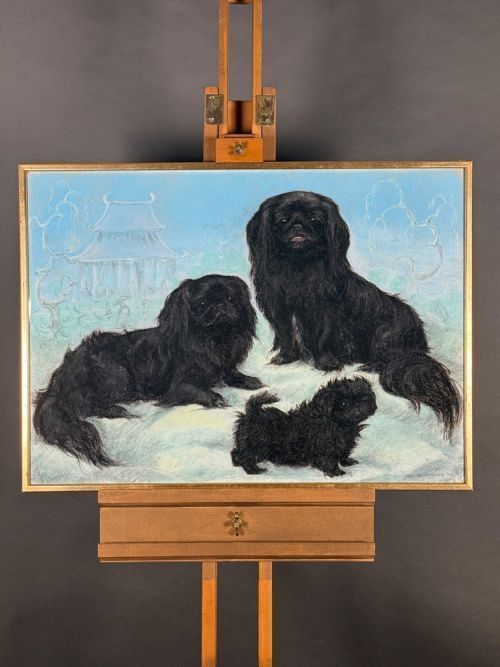
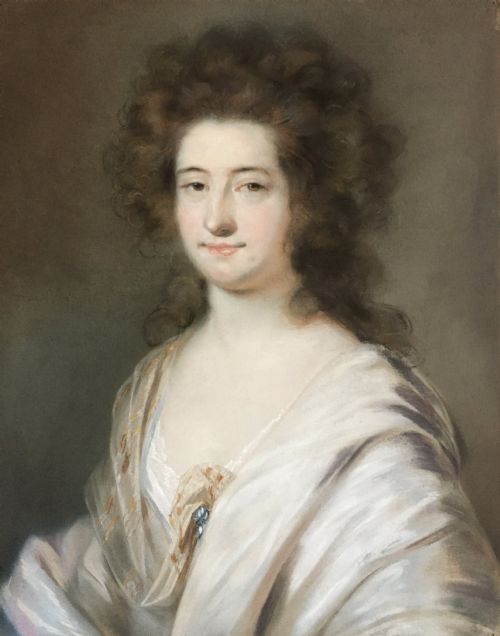
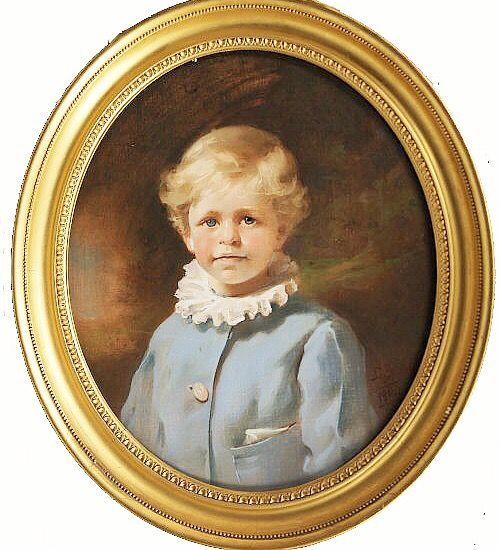
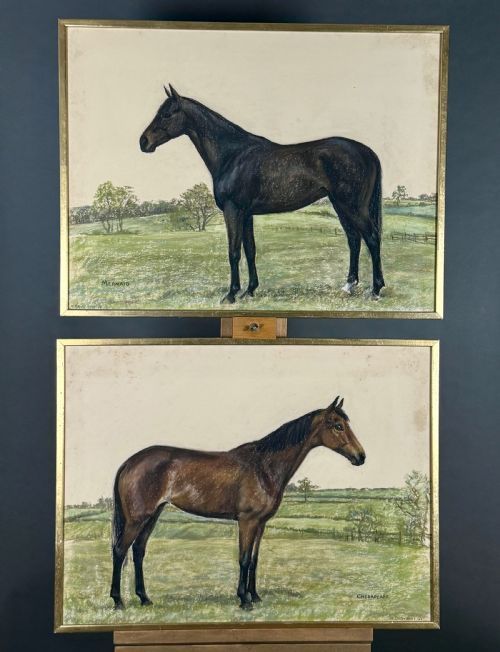
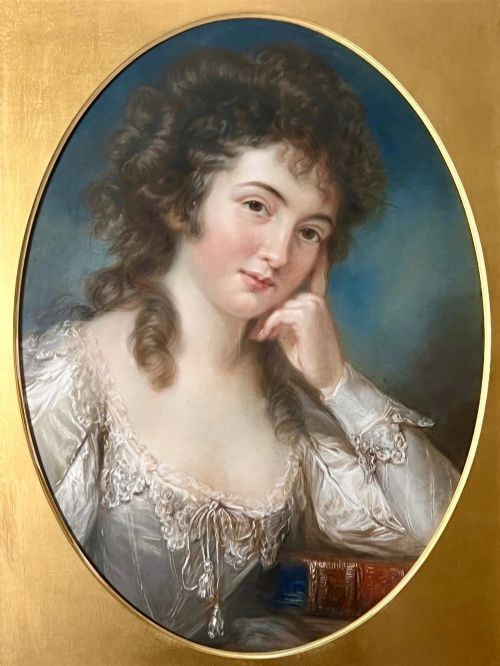
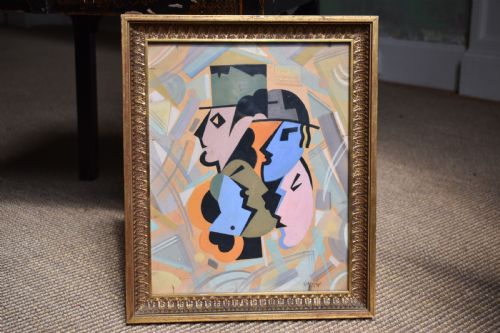
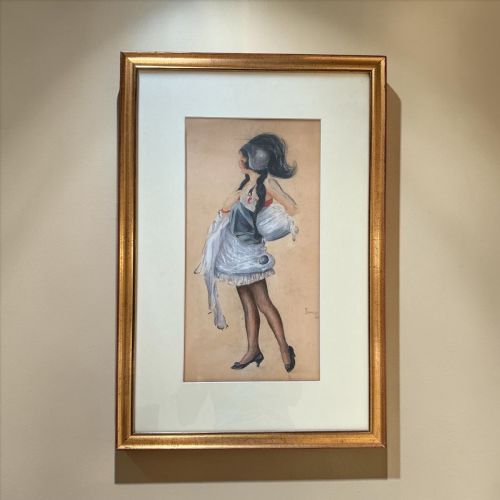
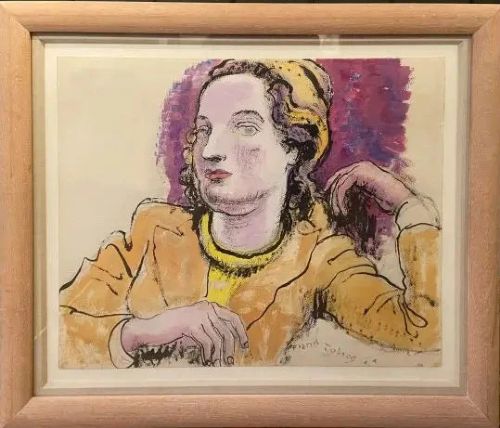
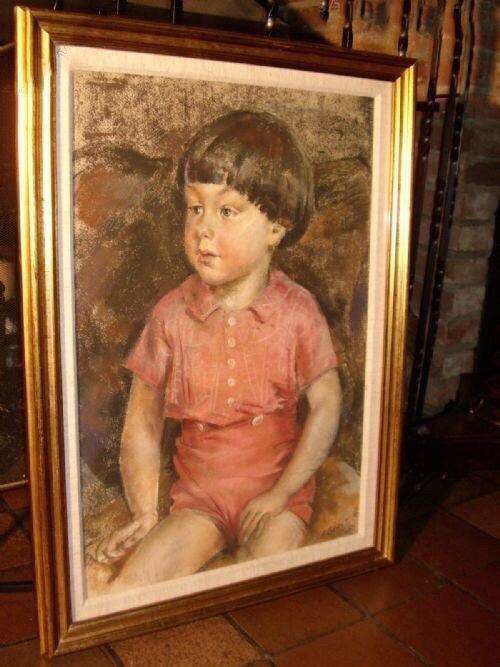
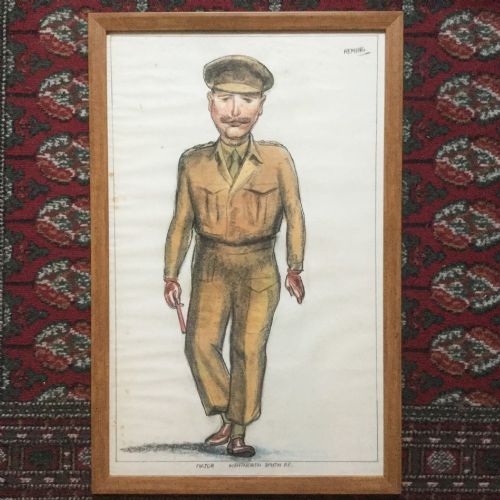
A framed pastel portrait painting presents likenesses executed in dry pigment on paper or canvas, preserved beneath protective glass within period frames of wood or giltwood. These works span from eighteenth-century classical studies to twentieth-century depictions of officers, children, and animals.
The selections encountered here range from Georgian miniatures and Regency female studies to Victorian oval drawings and 1960s modernist interpretations. Portrait miniatures, equestrian studies, and character sketches sit alongside formal likenesses created by named artists and regional schools.
Materials and technique
Framing is integral to survival, utilising glass to protect the friable surface from disturbance and moisture. Timber frames, frequently finished in gilt wood or simple moulded wood, secure the drawing and complete the presentation.
Judging quality
Quality rests upon the draftsmanship and the artist's ability to capture bone structure, expression, and texture with minimal strokes. Superior examples display confident handling of light across skin and fabric, whereas lesser pieces rely on stiff outlines and flat shading.
The preservation of the pigment layer heavily influences desirability. Works that retain their original intensity without excessive pigment drop or foxing on the underlying paper demonstrate superior historical care.
James Sharples·Emily Eyres·Benedetto Luti·John Russell·Leon Sprinck·Frank Dobson·J A Grant·Thomas Gainsborough·Robert Faulkner·Aubrey Sykes
The Framed Pastel Portrait Painting Glossary
- Pastel
- A dry painting medium composed of powdered pigment and a binder rolled into sticks. It allows for velvety textures and immediate colour application.
- Gouache
- An opaque water-based paint frequently used alongside pastel to heighten luminous highlights and facial details.
- Giltwood
- Timber carved and coated with gold leaf or gold paint, commonly found on formal nineteenth-century frames.
- Portrait miniature
- A small-scale painting designed for intimate viewing, capturing facial likeness with exceptional precision.
- Foxing
- Brown spots of chemical oxidation that commonly appear on older paper supports over time.
Framed Pastel Portrait Painting: Frequently Asked Questions
Where should I hang these artworks?
Select interior walls protected from direct sunlight and damp conditions to prevent the paper support from degrading and the pigments from fading. Stable room temperatures ensure the longevity of both the drawing and its frame.
Avoid placement near radiators or in high-humidity spaces like kitchens and bathrooms.
Are these works executed on paper?
Most examples utilise heavy paper or card as the primary drawing surface for the dry pastel pigments. Occasional pieces employ canvas or prepared boards as a foundation.
The backing material provides the necessary tooth for the powdery medium to adhere during application.
How can I tell the period?
Clothing styles, hairstyles, and framing techniques offer immediate clues to the decade of creation, supported by written signatures or inscriptions on the reverse. Georgian and Regency portraits feature distinct neoclassical attire, while later Victorian and twentieth-century pieces reflect changing fashions.
Examining the backing boards and paper types further helps confirm the era of production.