


Framed Orientalist Wall Art
Framed orientalist wall art brings nineteenth-century scenes of Cairo, the Nile, and desert landscapes into domestic spaces.
Framed Orientalist Wall Art
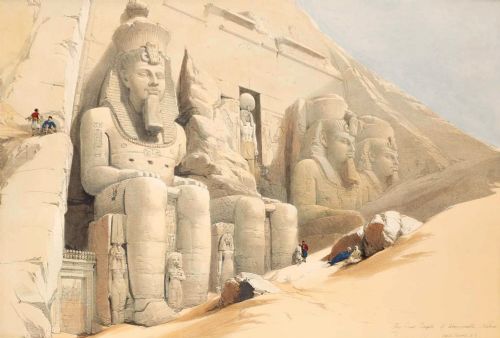
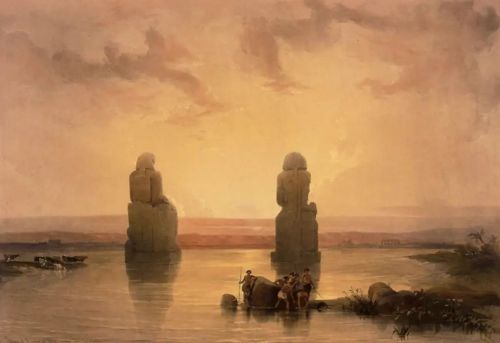
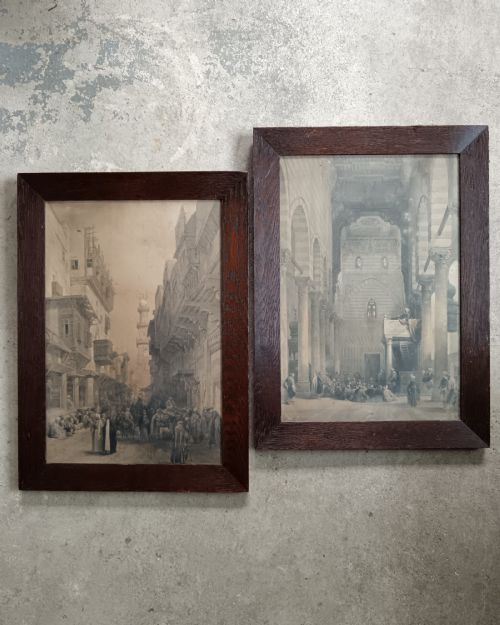
Framed orientalist wall art encompasses paintings, prints, and drawings produced during the Victorian and Edwardian periods depicting Middle Eastern and North African subjects. Buyers seek these pieces for their intricate architectural detail, atmospheric desert lighting, and traditional figures in local dress.
The selection on this page relies heavily on nineteenth-century works, including lithographs after David Roberts, charcoal drawings, and oil paintings on canvas or panel. Smaller watercolours, gouache paintings, and vintage prints complete the group, often retained in period wooden frames.
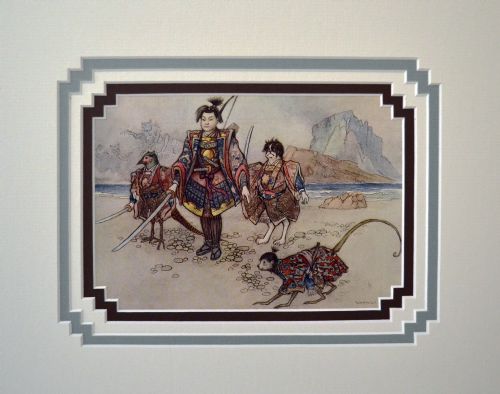
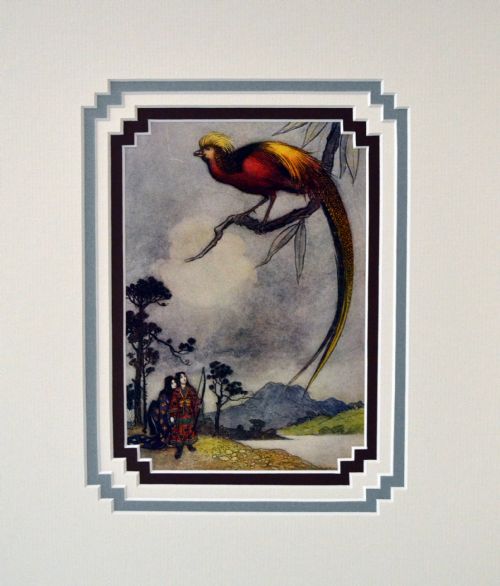
Subjects range from grand architectural monuments along the Nile to intimate portraits of Arab gentlemen and Bedouin encampments. Landscapes depicting the wilderness and river tributaries recur frequently alongside illustrative prints from classic literature.
Materials and Technique
Works on paper utilise watercolour, gouache, ink, and charcoal, frequently heightened with white to capture intense sunlight. Canvas and wood panel provide the support for oil and encaustic paintings, allowing artists to build rich textures and deep chromatic depth.
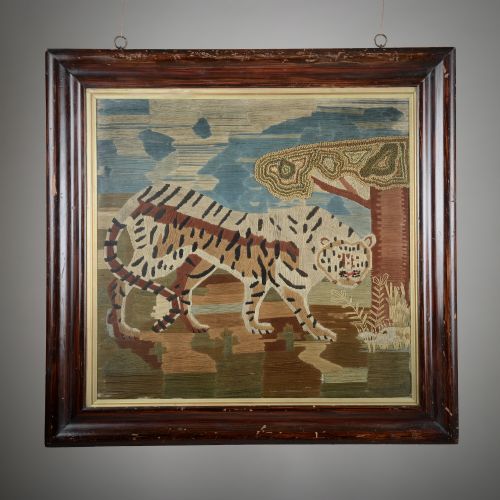
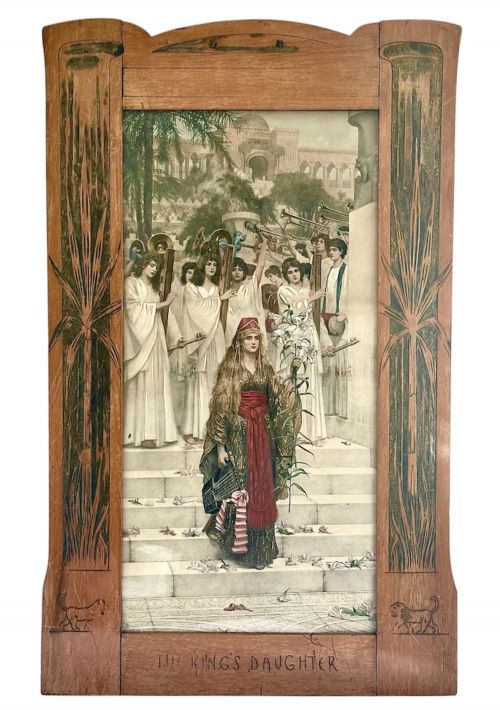
Framing forms an integral part of the physical object, employing ebonised wood, gilt wood, and original manufacturer mouldings to protect the delicate medium underneath. Glazing is common on works on paper, shielding the delicate pigments from dust and fading.
Object types recorded across the inventory include oil paintings, framed prints, watercolours, and fine art panels.
Quality Variations
Distinction in quality rests upon the hand of the artist and the precision of the draughtsmanship in capturing architectural proportions and human anatomy. Original oils and primary watercolours executed by documented painters command greater attention than mass-produced decorative prints.
The condition of the pigment and the integrity of the original frame heavily influence the standing of a piece. Works retaining their period mounts and untouched paper surfaces display the intended tonality without excessive fading or damp staining.
David Roberts·Herbert Gustave Schmaltz·Warwick Goble·Edwin Lord Weeks·Frederick Goodall·Otto Pilny·Abdul Kadir Al Rassam
The Framed Orientalist Wall Art Glossary
- Lithography
- A planographic printing process using a stone or metal plate to produce multiple impressions. This technique allowed nineteenth-century publishers to disseminate detailed topographical views.
- Gouache
- An opaque watercolour medium containing a white pigment filler that provides solid, matte coverage. Artists utilised this to create dense passages of light in desert scenes.
- Encaustic
- A technique involving heated beeswax mixed with coloured pigments applied to a canvas or panel. This method produces a durable surface with distinct tactile properties.
- Photogravure
- A printmaking process that produces photographic images through intaglio etching. It captures tonal gradations with photographic fidelity.
- Chinoiserie
- European artistic style reflecting Chinese and East Asian artistic traditions. It appears in decorative panels and illustrative works.
Framed Orientalist Wall Art: Frequently Asked Questions
How do I care for framed watercolours?
Keep watercolours away from direct sunlight to prevent the fugitive pigments from fading over time. Maintain stable humidity levels to protect the paper support and the original frame.
Ensure that the glass does not touch the surface of the painting directly to avoid condensation damage.
What defines nineteenth-century orientalism?
Nineteenth-century orientalism reflects European artistic fascination with the cultures, landscapes, and architecture of the Near East and North Africa. Artists travelled extensively to document local customs and topography.
These works range from topographical records to imaginative compositions rendered in oil, watercolour, or print.
Are these frames original?
Many pieces retain their period frames, ranging from ebonised wood to ornate gilt mouldings stamped by nineteenth-century makers. Original framing helps preserve the contextual integrity of the artwork.
Inspect the rebate and backing boards for signs of age that match the date of the picture.
How can I distinguish prints from paintings?
Examine the surface under magnification to look for dot patterns or plate marks that indicate a lithograph or photogravure. Original paintings display brushstrokes, pigment buildup, and texture on canvas, board, or paper.
Watercolours and drawings show hand-applied brush or pencil lines rather than printed dots.