






Framed Oriental Textile
A framed oriental textile brings rich hand-stitched silk and intricate regional motifs straight to your walls.
Framed Oriental Textile
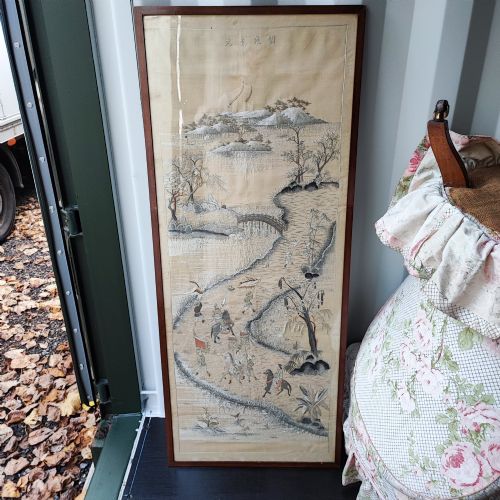
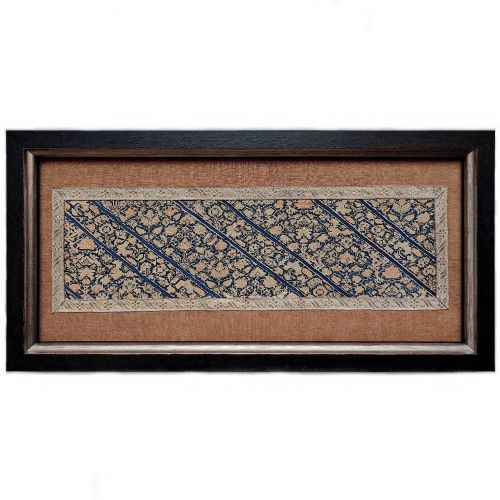
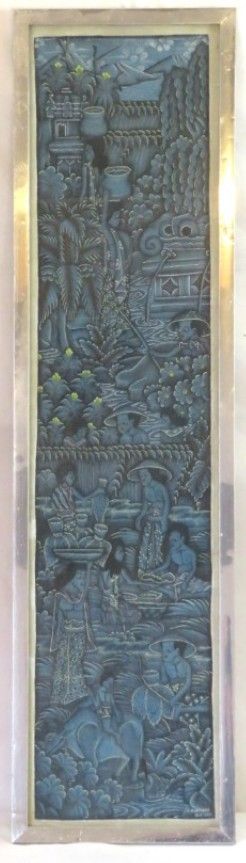
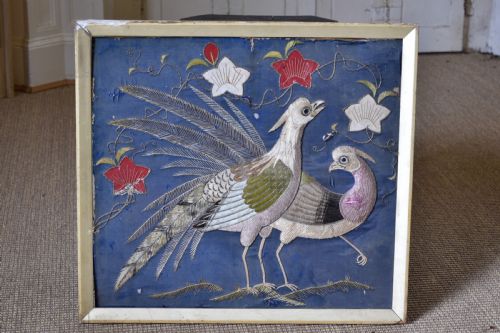
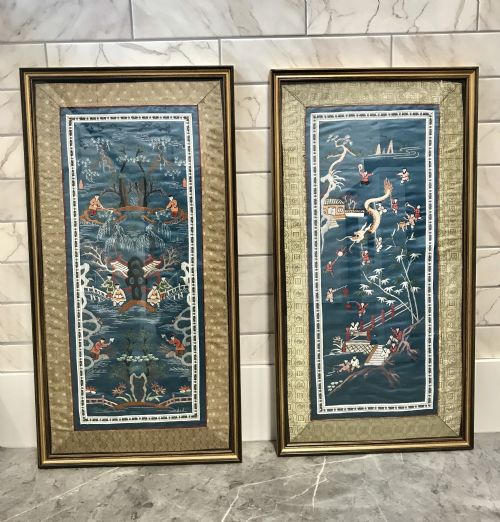
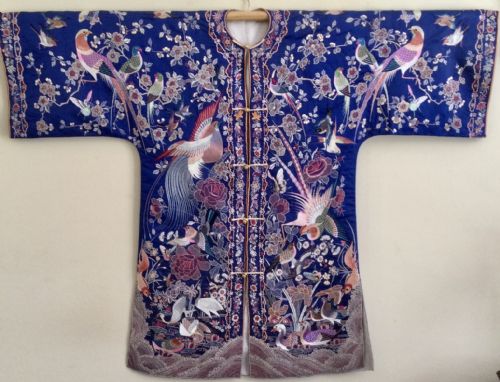
When you search for a framed oriental textile, you encounter a diverse array of decorative panels, embroideries, and fabric fragments originating from China, Japan, Persia, Turkey, and Bali. These pieces range from delicate 19th-century Chinese silk embroideries featuring figures, dragons, and birds to Balinese watercolours on fabric and woven Persian jajim panels.
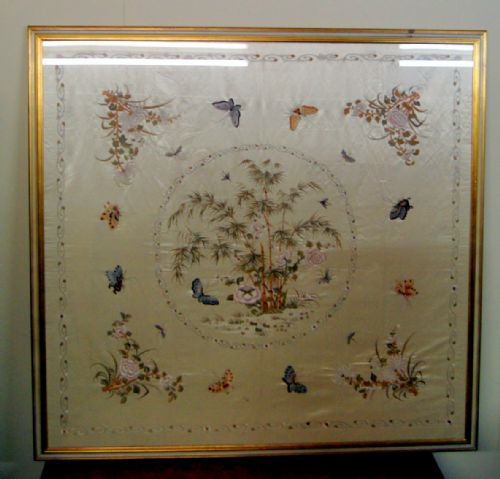
The selection on this page leans heavily toward Chinese silk panels and embroidered textiles dating from the 19th century and around 1900, alongside Japanese silk works and Middle Eastern fragments. Many are preserved behind glass within wooden frames, protecting fragile threads and painted surfaces from handling and atmospheric dust.
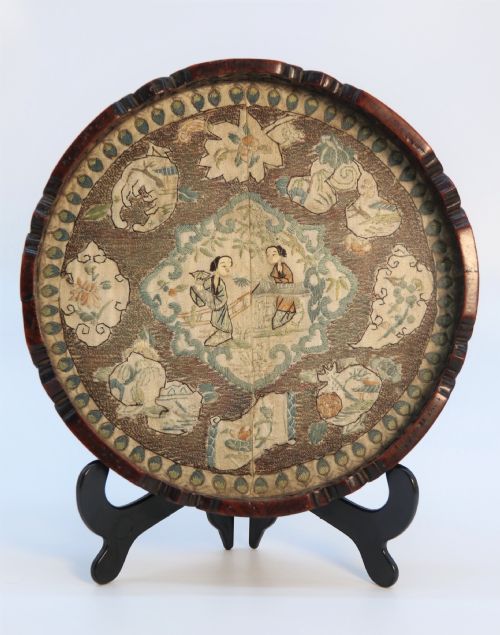
Beyond wall art, the category occasionally embraces related textile forms adapted for display, such as carved hardwood trays inset with silk embroidery and textile fragments mounted for preservation. Each item reflects the distinctive aesthetic and traditional craftsmanship of its specific region and period of origin.
What varies in quality
The refinement of the needlework and the complexity of the design set finer examples apart from simpler decorative pieces. Expert execution in silk thread creates depth and shading that elevates pictorial panels depicting figures, birds, or dragons.
The preservation state of the fabric and the integrity of the original framing elements also influence the character of each piece. Intact materials with minimal fading retain the visual impact intended by the original makers.
Framed Oriental Textile Retail Price Guide 2026
Typical asking prices for framed oriental textile among the pieces listed under this phrase on Sellingantiques today, from the lower quarter to the upper quarter. They describe what is for sale here now, not the wider market.
One determined goose in flight has crossed centuries of textile history to keep watch over your modern sitting room wall.
Iida Takashimaya Company
The Framed Oriental Textile Glossary
- Embroidery
- The art of decorating fabric using a needle to apply thread or yarn. Skilled makers utilise varied stitches to build detailed pictorial scenes.
- Jajim
- A tightly woven flatweave textile traditionally produced in Persia and neighbouring regions. These sturdy bands of fabric were often pieced together from wool or cotton.
- Qing Dynasty
- The final imperial dynasty of China, lasting from the mid-17th to the early 20th century. Works from this era often feature classical motifs like dragons, birds, and floral arrangements.
- Nakshe embroidery
- A traditional style of ornamental needlework associated with Persian textile traditions. It employs distinct decorative patterns stitched onto a fabric ground.
Framed Oriental Textile: Frequently Asked Questions
How should I hang a framed textile?
Hang these pieces away from direct sunlight to prevent the silk threads and natural dyes from fading over time. Stable indoor humidity levels protect the fragile fabrics and the wooden frames.
Ensure the wall fixings can support the weight of the frame and glass. Professional framing often includes backing boards that seal the textile against dust.
Are these textiles fragile?
Antique textiles require gentle handling because silk and metallic threads become more delicate as they age. Keeping them safely behind glass minimises physical contact and environmental wear.
Avoid placing them in damp areas or kitchens where moisture and cooking vapours might damage the fibres. Regular visual checks ensure the mounting remains secure within the frame.
How do I identify the origin of a panel?
Stylistic clues such as specific motifs, stitching techniques, and colour palettes often point to a regional source. Chinese panels frequently incorporate figures, dragons, and Mandarin ducks, while Middle Eastern fragments show geometric or traditional woven patterns.
Examining the materials and any accompanying framing style helps narrow down the period, whether it dates from the 19th century or slightly later.
What is the difference between embroidery and painted silk?
Embroidery involves stitched threads applied by hand to create raised textures and intricate pictorial designs. Painted silk relies on pigments applied directly to the fabric surface to form the image.
Both techniques were used across the periods represented here, sometimes appearing alongside one another in decorative wall art.