




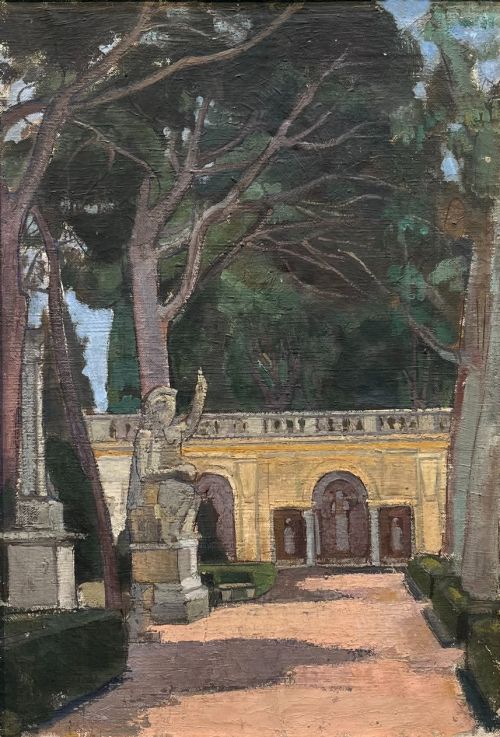
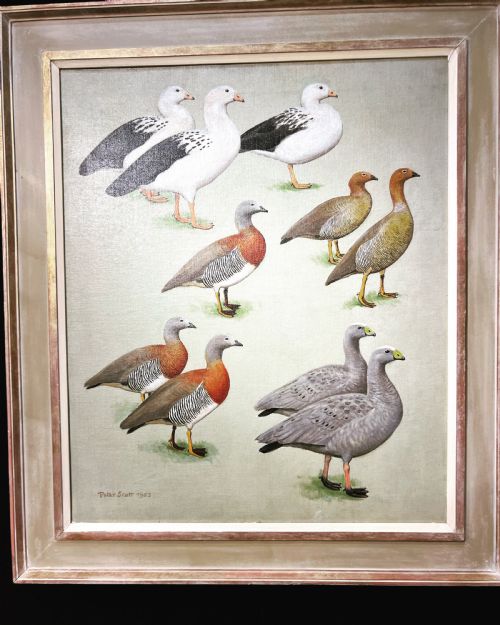
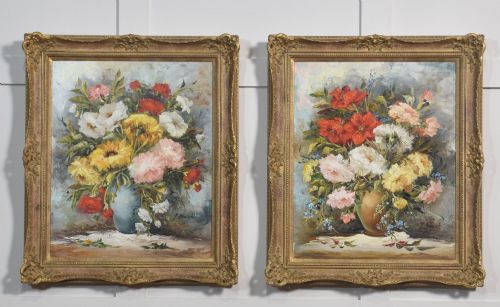

Framed Oil Study
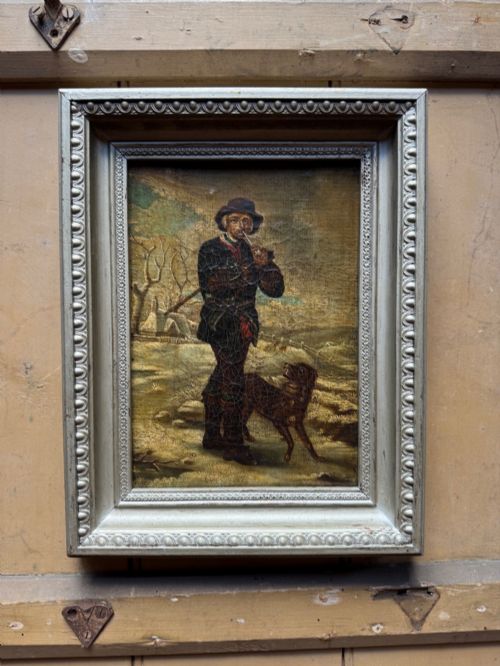
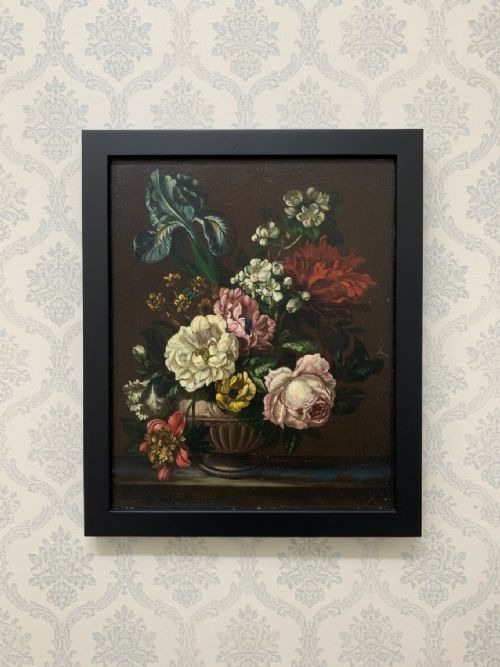
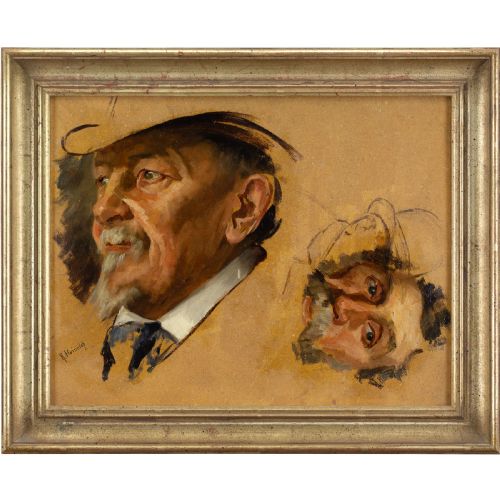
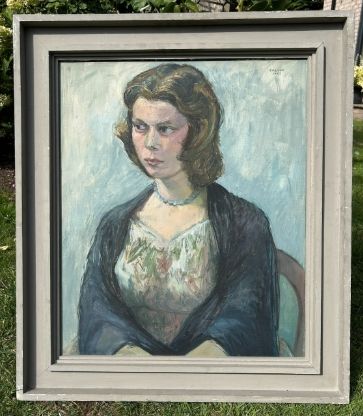
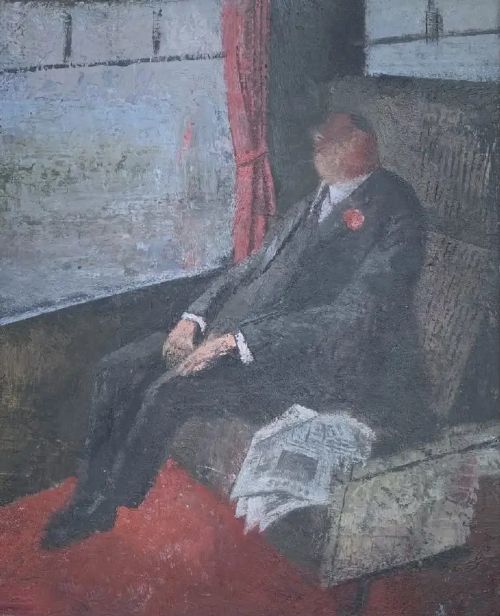
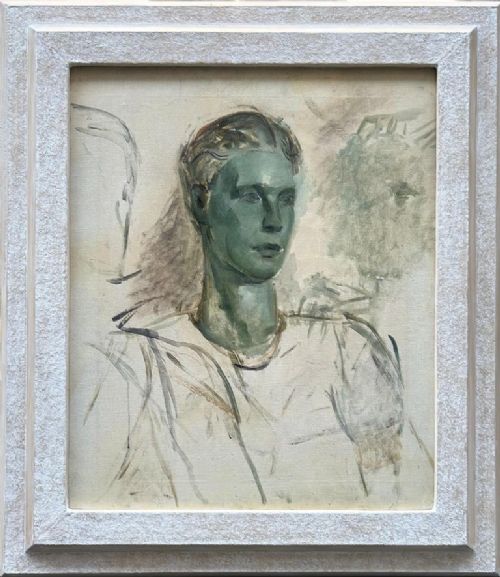
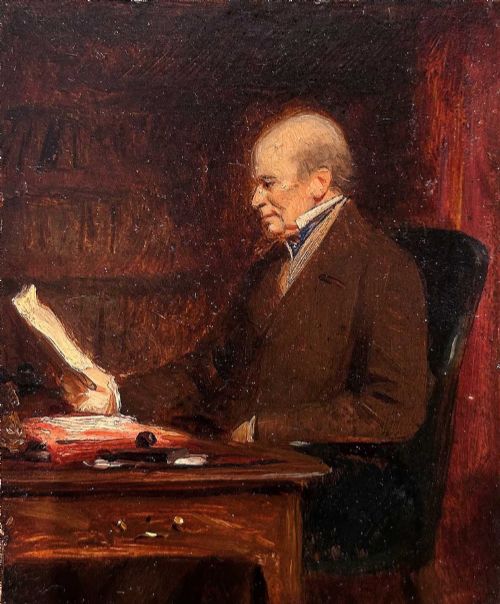
A framed oil study captures the spontaneous energy of an artist at work, offering an intimate glimpse into a finished composition or a captured moment.
Framed Oil Study
A framed oil study represents a direct, unpolished execution where painters recorded light, form, or narrative ideas before committing to larger canvases.
The selections here span from the seventeenth century through to the mid-twentieth century, encompassing academic exercises, portrait sketches, and landscape impressions.
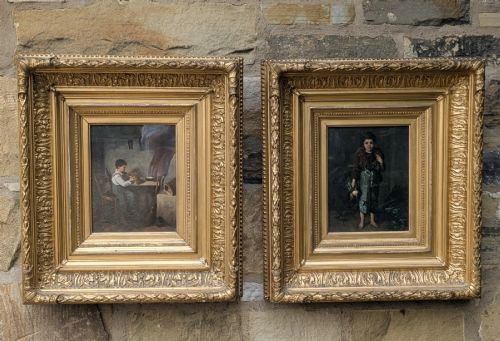
Buyers encounter numerous nineteenth-century examples alongside early twentieth-century modernist works, often retaining their original gilt wood frames.
Materials and Technique
Artists applied oil paint using brushes and palette knives onto flexible canvas, prepared wooden panels, boards, or occasionally paper.
Support frames of carved and gilt wood complemented these works, protecting the fragile edges of the canvas or panel while adding structural weight.
The listings span from the seventeenth century to the mid-twentieth century, utilising canvas, wood panels, and board.
Evaluating Quality
Superior studies display a confident, expressive brushwork where every stroke contributes directly to the vitality of the subject without unnecessary overworking.
The relationship between the support, the pigment handling, and the integrity of the period frame determines the overall success of the piece.
Michael Dahl·Thomas Murray·William Etty·Constant Troyon
The Framed Oil Study Glossary
- Oil study
- A preliminary painting executed in oil on canvas, panel, or board to test colour, light, and composition prior to a major work. These pieces often reveal the artist's immediate hand more clearly than formal finished portraits.
- Gilt wood
- Timber frames treated with a thin layer of gold leaf or metallic gilt, commonly used to house fine art from the seventeenth century onward. They provide structural containment and visual contrast to dark pigment palettes.
- Academic realism
- A style of painting produced under the influence of European academies of art, prioritising accurate anatomy, careful perspective, and polished surface finishes. Works in this manner demonstrate strict adherence to traditional studio training.
- Panel
- A rigid wooden support used by artists instead of woven canvas, particularly common in earlier centuries. Panels offer a stable surface that prevents the cracking associated with aged fabric.
- Provenance
- The documented history of ownership surrounding a work of art, tracing its journey from the artist's studio to the present market. Clear records add historical weight to the physical object.
Framed Oil Study: Frequently Asked Questions
What is an oil study?
An oil study is a working painting created by an artist to explore light, colour, and composition before beginning a larger or more formal canvas. These works capture rapid decisions and direct observations.
Unlike finished gallery pieces, they often retain visible brush marks and compositional corrections, offering a direct window into the artist's creative process.
How do I date an oil study?
Dating relies upon examining the preparation of the canvas or panel, the pigment composition, and the stylistic markers typical of specific decades. Frame construction and joinery also provide reliable clues to the era of creation.
Signatures, inscriptions on the reverse, and historical records further help narrow down the period when the artist held the brush.
Are original frames important?
Original gilt wood frames contribute significantly to the historical integrity and visual harmony of antique paintings. They reflect the taste of the period in which the artwork was displayed.
Matching frames protect the edges of the canvas or panel and complete the aesthetic presentation intended by the framing traditions of the time.
How should I care for these paintings?
Keep oil studies away from direct sunlight, extreme temperature fluctuations, and high humidity to prevent the paint layer and wooden support from degrading. Stable indoor environments preserve both canvas tension and wood stability.
Dust the surface and the frame gently with a dry, soft brush without applying liquid cleaners or chemical solvents to the painted areas.