
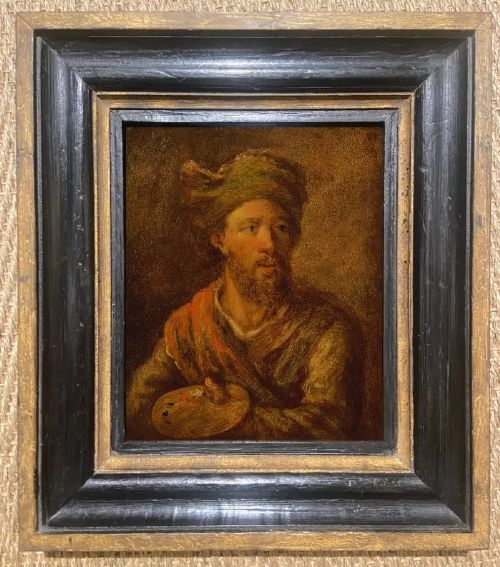
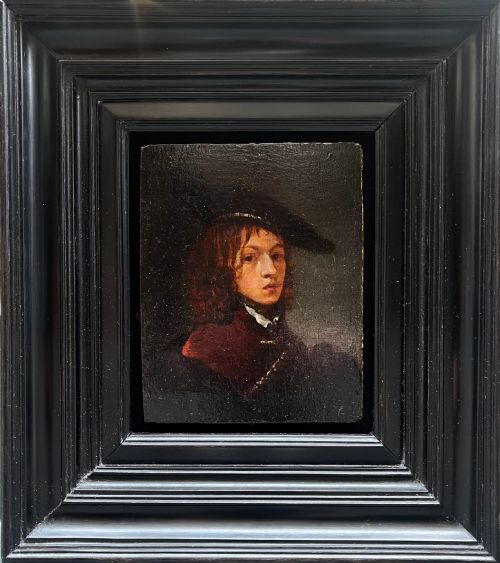
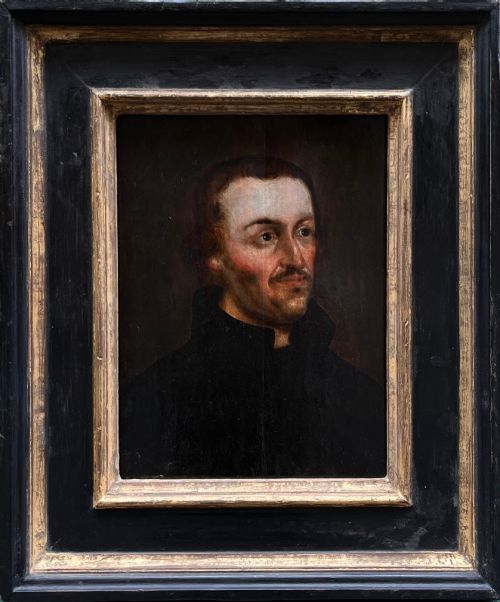
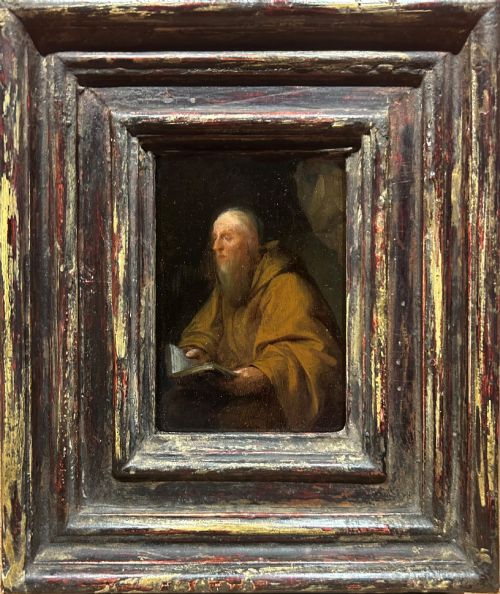
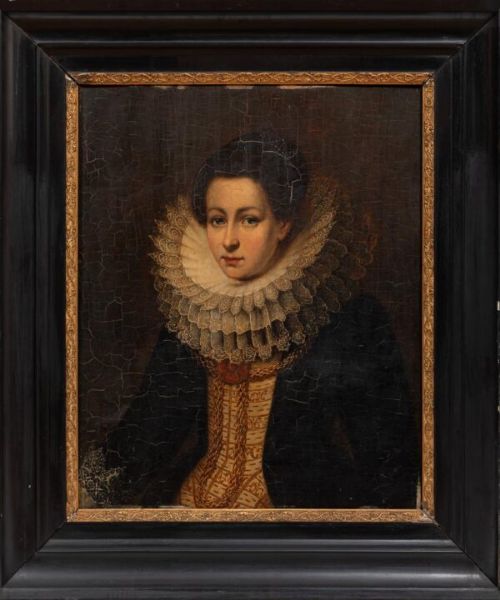
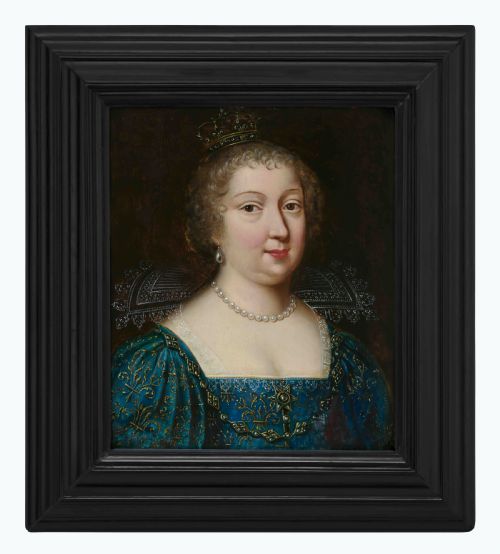
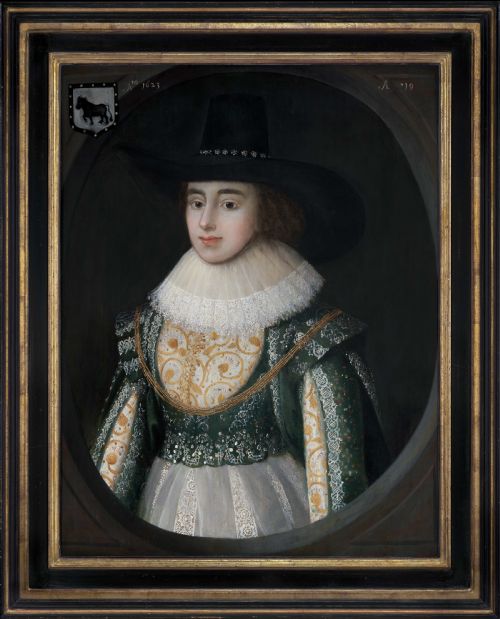
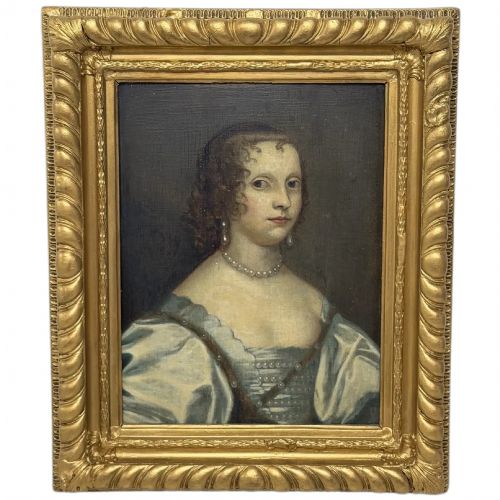
Framed Oil Portrait Panel
When you examine a framed oil portrait panel, you hold a centuries-old convergence of rigid wooden support and layered oil pigments that captures a living presence.
Framed Oil Portrait Panel
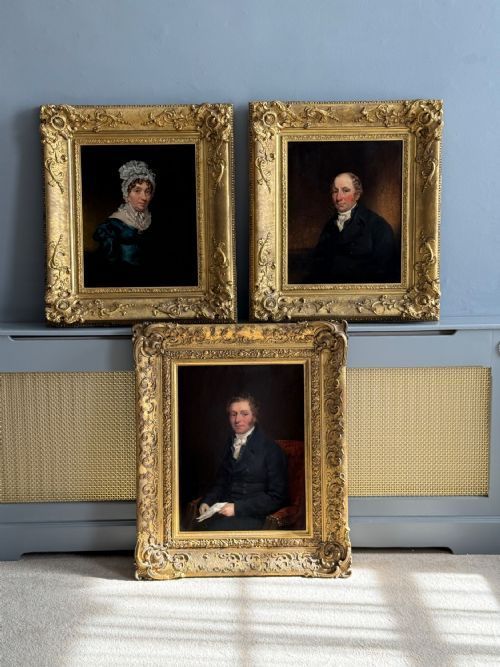
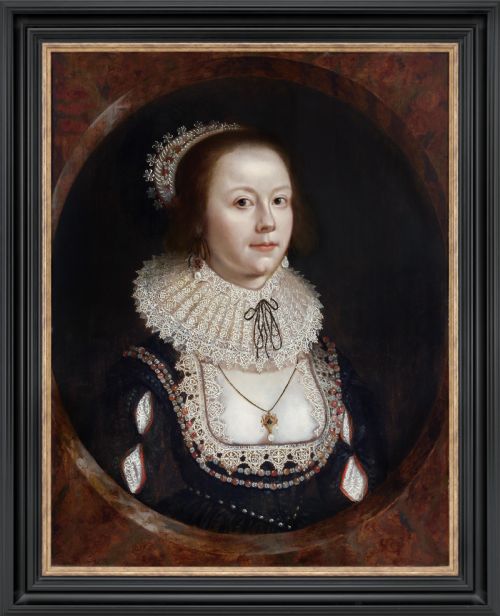
A framed oil portrait panel represents a traditional method of capturing human likeness upon a solid wooden substrate rather than flexible canvas. These works span from the strict formality of seventeenth-century British and Dutch schools through to nineteenth-century academic and naive interpretations.
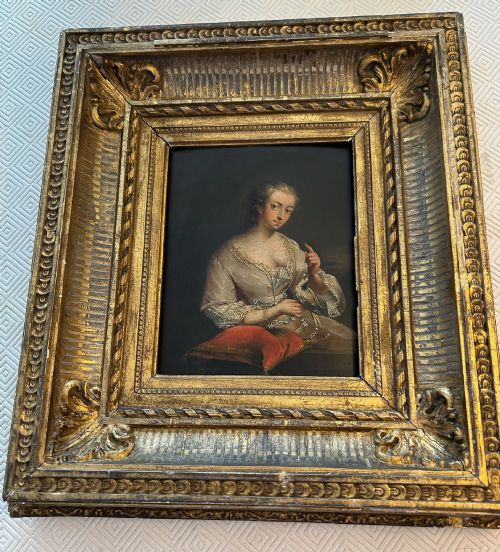
The buyer encounters varied scales, ranging from intimate miniature studies to commanding depictions of nobility and tradespeople alike. Many examples arrive encased in period giltwood or burr maple frames that complement the depth of the painted surface.
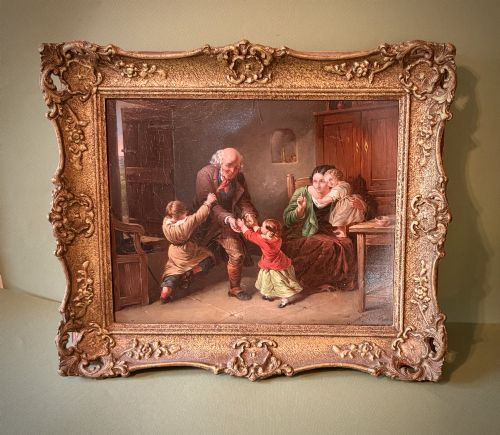
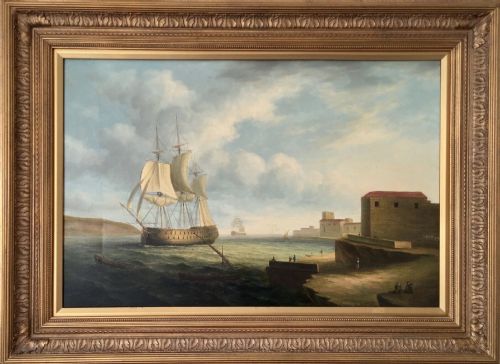
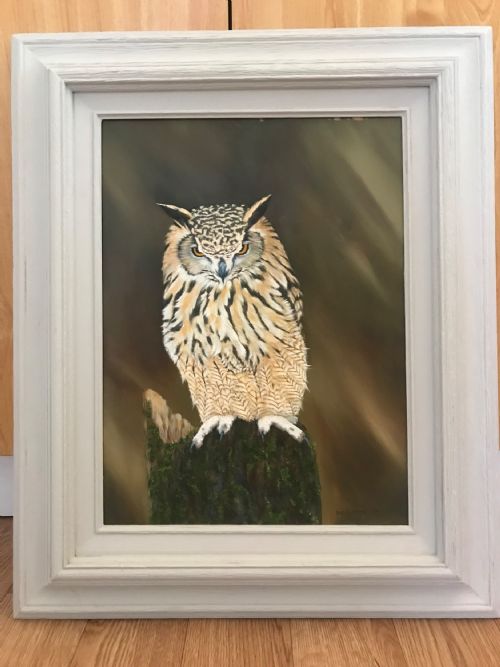
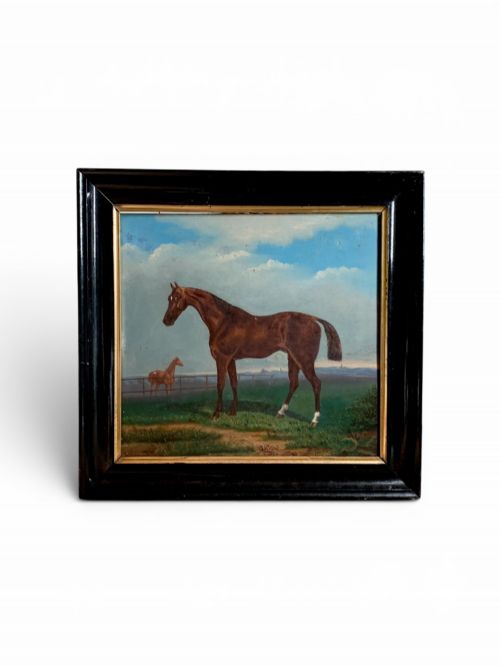
Beyond standard human subjects, the broader category occasionally encompasses genre scenes and animal studies executed on the same rigid wooden boards. The survival of these panels depends entirely upon the stability of the original oak, pine, or general wood support.
Materials and Construction
Artists painted directly onto prepared wood panels, utilising oak, pine, and unspecified timber boards that provided a firm, unyielding surface for detailed brushwork. Ground layers were applied to the wood before oil paint was built up in successive glazes and opaque applications.
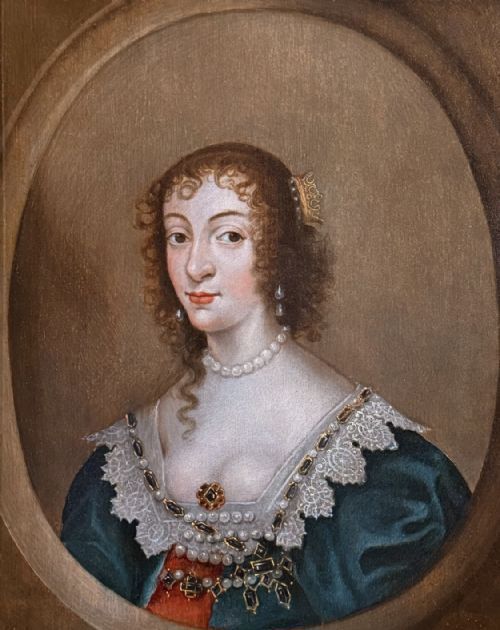
The application of oil paint allowed painters to achieve subtle gradations of skin tone, intricate lace collars, and deep shadows that remained stable across centuries. Frames constructed from giltwood or burr maple were subsequently tailored to enclose and protect the perimeters of these wooden supports.
The listings span from the seventeenth century through to the mid-twentieth century, employing oil paint on diverse wood panel supports.
Markers of Superior Execution
Quality rests in the precision of the facial rendering and the anatomical conviction of the hands, eyes, and drapery. Master painters command the medium to convey complex textures like velvet, lace, and human skin with immediate psychological depth.
The selection and preparation of the wood panel dictate the long-term integrity of the artwork, preventing warping and surface cracking. Additionally, the harmony between the painting and its original or period-correct frame elevates the physical and aesthetic coherence of the piece.
Joseph Clover RA·Cornelius Johnson·William Williams·Hans Temple
The Framed Oil Portrait Panel Glossary
- Panel
- A rigid flat piece of wood used as a painting support instead of canvas. Oak and pine were frequently selected for their durability.
- Giltwood
- Wood carved and covered with a thin layer of gold leaf or gold paint. This finish frames many formal historic portraits.
- Oil Paint
- Pigment mixed with a drying oil, such as linseed, that hardens into a durable film. It permits slow blending and rich colour depth.
- School
- A group of artists sharing a similar style, region, or period, often following a master. Attribution to a school denotes stylistic alignment rather than a documented signature.
- Naive
- A style characterised by a childlike simplicity of perspective and proportion, often created by self-taught artists. These works possess an unpretentious charm distinct from academic portraiture.
Framed Oil Portrait Panel: Frequently Asked Questions
How do I care for a wood panel painting?
Keep the panel away from direct heat sources and sudden humidity fluctuations to prevent the wood from expanding or splitting. Display the work on an interior wall where environmental conditions remain stable.
Dust the surface gently with a soft, dry brush and avoid applying liquid cleaners directly to the paint or the surrounding frame.
Why did artists paint on wood instead of canvas?
Wood panels offered an utterly rigid, smooth surface that accommodated the minute, highly detailed brushwork favoured by early European schools. Canvas became more widespread later due to its portability and lower cost for large formats.
Panels also endured better in certain damp climates, provided the timber was properly seasoned and prepared with a suitable ground layer.
How can I distinguish a seventeenth-century panel from a later copy?
Examine the reverse of the wood for tool marks, seasoning splits, and signs of age that match historical carpentry methods. Pigment analysis and the style of dress or hair also offer firm chronological clues.
Expert examination under magnification reveals the craquelure pattern unique to older oil paint films dried over centuries.
Are these frames original to the paintings?
Many portraits retain their period frames, such as nineteenth-century giltwood or burr maple enclosures, which were chosen to complement the artwork. Others have been reframed over time to suit changing domestic interiors.
Matching the age of the frame to the panel requires checking rabbet wear, corner construction, and historical framing conventions.