



Framed Ocean Artwork
Framed ocean artwork brings the motion of the sea indoors through maritime paintings and watercolours preserved behind glass or within traditional timber mouldings.
Framed Ocean Artwork
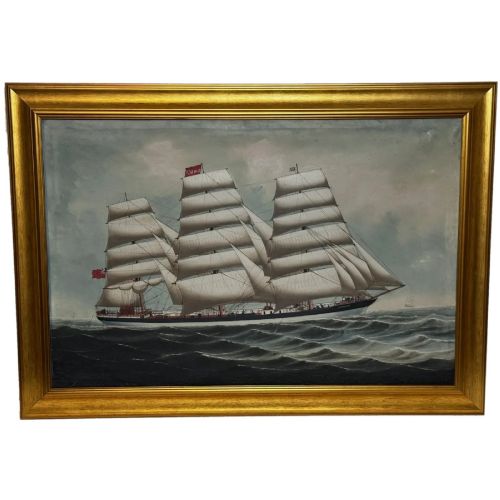
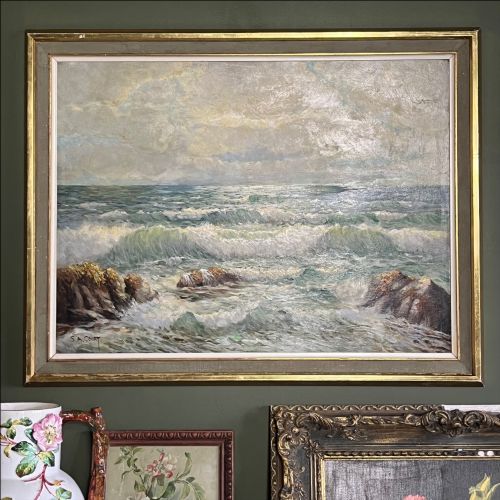
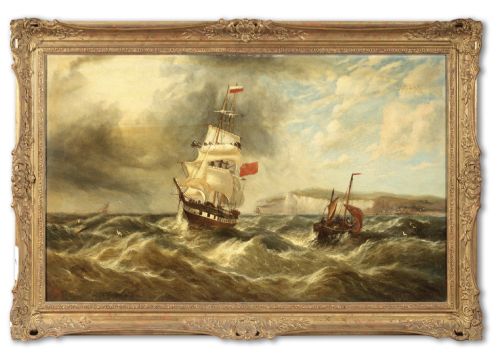
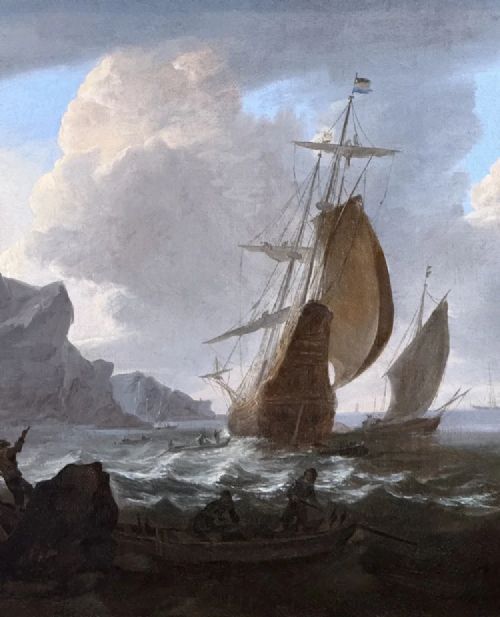
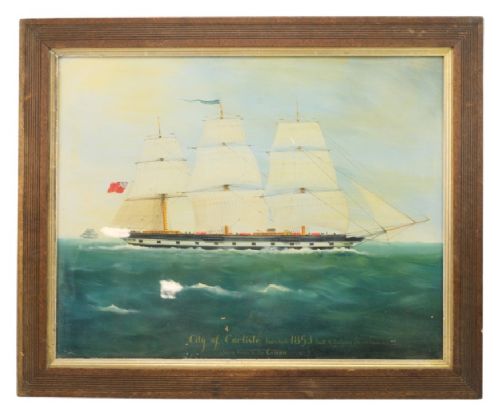
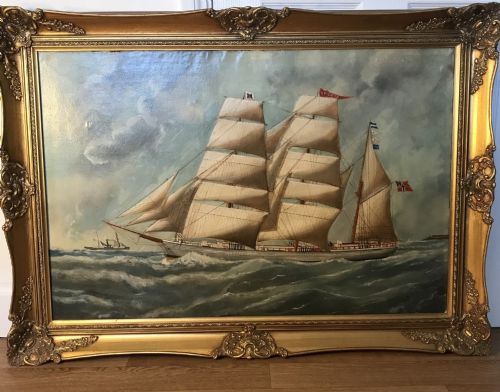
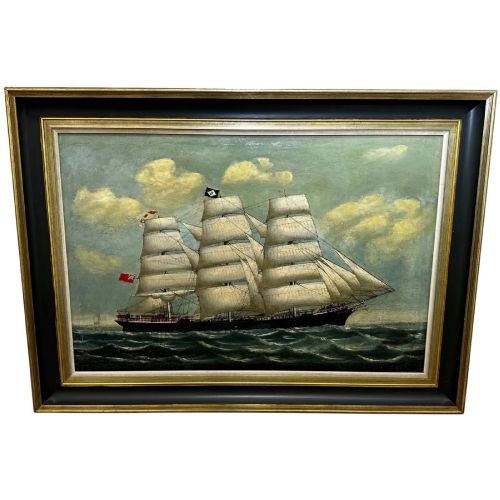
The version you are most likely to meet on this page is a nineteenth-century or early twentieth-century framed maritime painting depicting sailing vessels in heavy seas or quiet coastal harbours. These pieces combine historical ship documentation with atmospheric depictions of open water, waves, and shorelines.
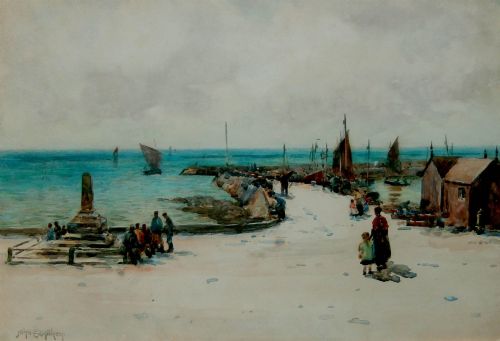
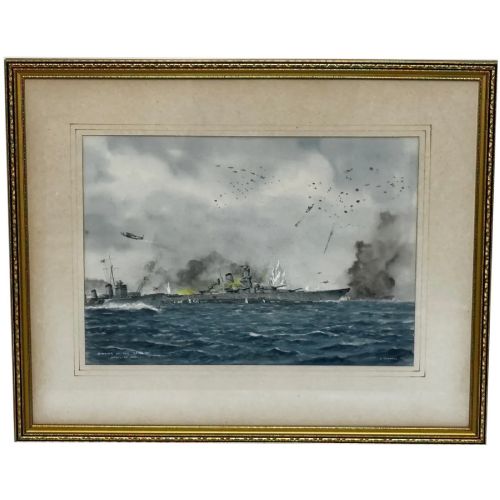
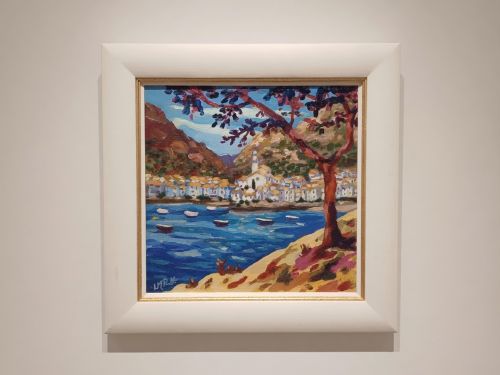
Mouldings range from simple wood frames to ornate gilt wood surrounds that complement the period of the painting. The subjects stretch from named merchant ships and naval engagements to quiet evening views of Venetian canals and Cornish fishing ports.
Materials and techniques
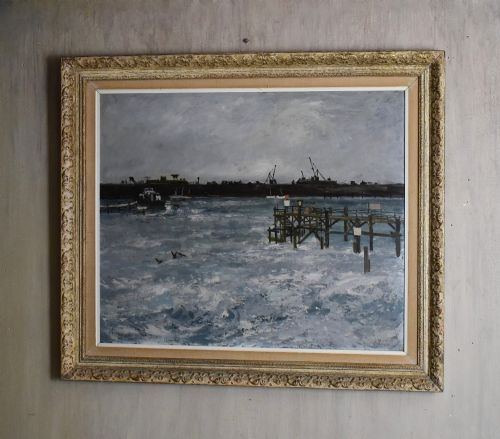
Artists built these works using oil paint on canvas or wooden boards, alongside watercolours and gouache on paper. Oil pigments allowed painters to capture the translucent depth of waves and the heavy grey skies of northern seas through layered brushwork and impasto texture.
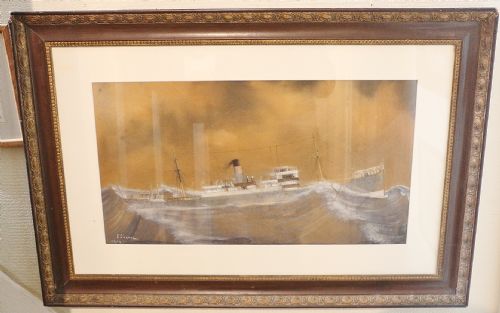
Watercolour and gouache works relied on precise washes and opaque highlights to render rigging, hull details, and white crests on the water. These works were mounted behind protective glass within timber frames, frequently enhanced with gold leaf or gilt preparation.
Listings feature works from the nineteenth century through the 1960s, executed in oil, watercolour, and gouache.
What separates the work
The distinction between ordinary nautical illustrations and superior maritime art lies in the artist's grasp of maritime architecture and water movement. Master painters recorded rigging, hull shapes, and wave physics with absolute precision, whereas lesser works rely on formulaic repetition.
Atmospheric conviction sets the finest pieces apart from simple vessel portraits. Superior canvases capture shifting light, salt spray, and meteorological accuracy, rendering the sea as an active force rather than a static backdrop.
Clifford Hanney·Reginald Arthur Borstel·Sidney A Court·Charles Edward Dixon·John E Aitken·Eric Tufnell·William Banks Fortescue·John Rose Miles·Bonaventura Peeters·F Corpuz·Lucy Pratt·Peter Brannan·Lai Fong·John Moore of Ipswich·Nicholas Condy·Thomas Hodgson Liddell·William Henry Williamson·Alexander Harwood·George Stanfield Walters·Warwick Goble·John Moxon·Elisabeth Bardon·Charles William Adderton·Charles Napier Hemy·Norman Lloyd
The Framed Ocean Artwork Glossary
- Impasto
- Paint applied thickly to a canvas so that it stands out from the surface, creating tangible texture that catches the light. This technique is often utilised in maritime scenes to render churning foam and breaking waves.
- Gouache
- An opaque water-based medium that includes a white pigment filler, producing a heavier and flatter finish than transparent watercolour. Artists used it to add bright highlights to marine watercolours.
- Pierhead painting
- A specific genre of ship portrait created for sea captains and shipowners, typically showing a vessel leaving or entering a named port. These works prioritize accurate rendering of flags and rigging.
- En plein air
- The practice of painting outdoors to capture direct natural light and atmospheric conditions. Coastal works created this way record immediate weather changes along the shore.
- Gilt wood
- Timber framing coated with a thin layer of gold leaf or gold paint to provide a decorative metallic border. These frames protect the edges of the canvas and frame the composition.
Framed Ocean Artwork: Frequently Asked Questions
How do I identify a nineteenth-century marine painting?
Nineteenth-century marine paintings are typically executed on heavy linen canvas or wood panels, displaying the subdued earth tones and varnish layers characteristic of the period. Subject matter often centres on traditional sailing ships, barques, and naval vessels engaged in historical trade or conflict.
The framing methods also offer clues, as nineteenth-century pieces frequently retain their original gilt wood mouldings with hand-carved corner ornaments. Signatures and stretcher construction further help narrow down the exact decade of execution.
What is a pierhead painting?
A pierhead painting is a specialised portrait of a commercial ship, commissioned by its master or owner to commemorate a successful voyage or document the vessel itself. These works feature meticulous attention to the ship's rigging, flags, and structural proportions.
They are normally distinguished by a recognizable shoreline or lighthouse in the background, anchoring the vessel to a specific port of call. This documentary focus separates them from imaginative seascape compositions.
How should I care for a framed watercolour?
Framed watercolours require protection from direct sunlight to prevent the pigments from fading and the paper from yellowing over time. Keeping them in stable indoor humidity conditions prevents warping of the paper and degradation of the mounting materials.
When hanging these works, ensure they are placed away from direct heat sources such as radiators. Professional framing with acid-free backing boards safeguards the paper for future decades.
What is the difference between oil and watercolour marine art?
Oil paintings on canvas offer greater durability and allow for textured impasto brushwork that brings crashing waves and stormy skies to life. They possess a deep surface sheen that changes subtly under different interior lighting conditions.
Watercolours on paper provide a lighter, more translucent quality, capturing delicate atmospheric effects and misty coastal light. They require protective glass glazing to shield the delicate paper surface from atmospheric moisture.