

Framed Needlepoint Panel
A framed needlepoint panel brings hand-stitched historical craft directly onto the wall, offering centuries of domestic artistry.
Framed Needlepoint Panel
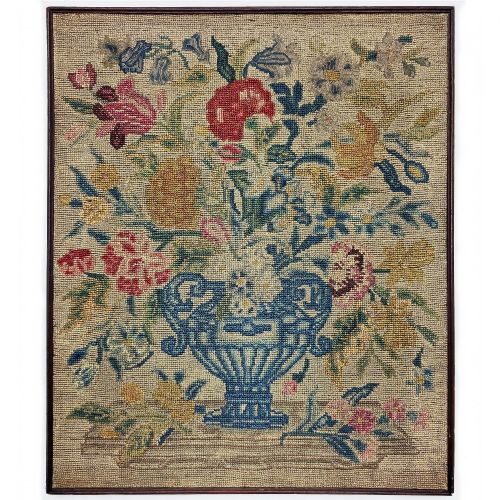
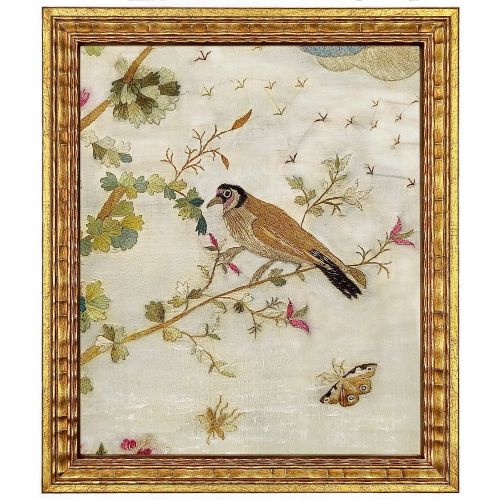
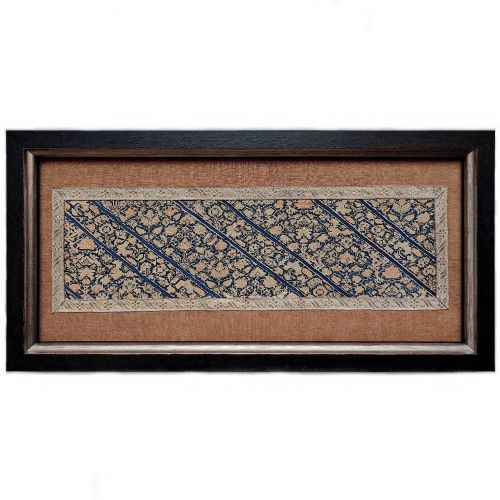
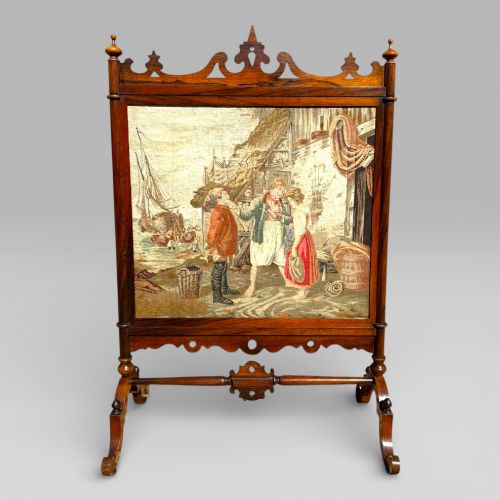
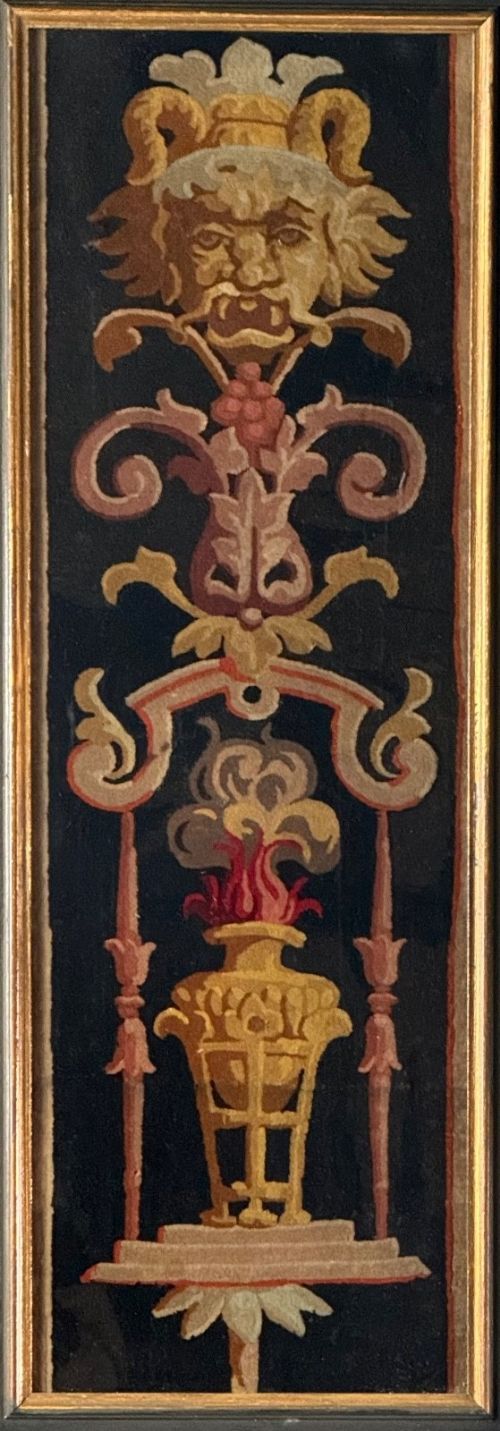
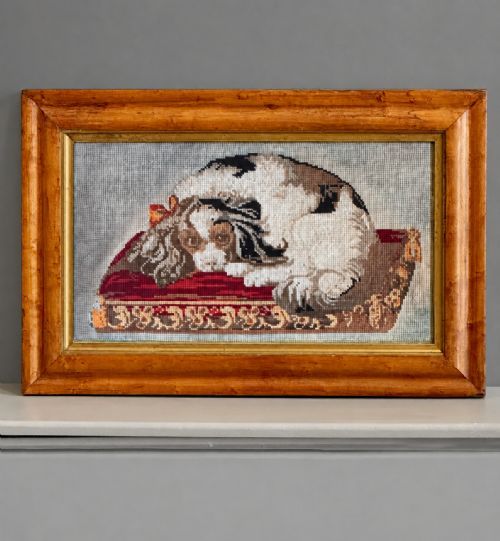
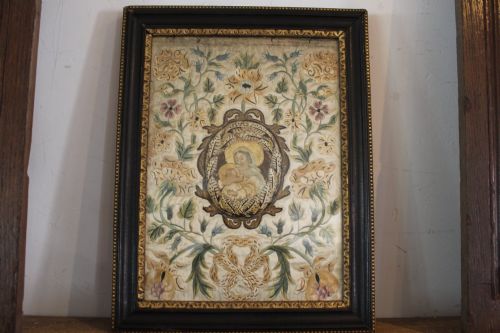
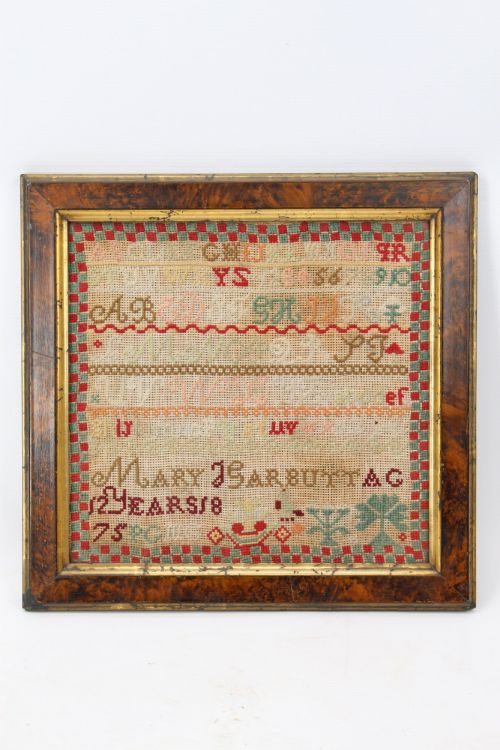
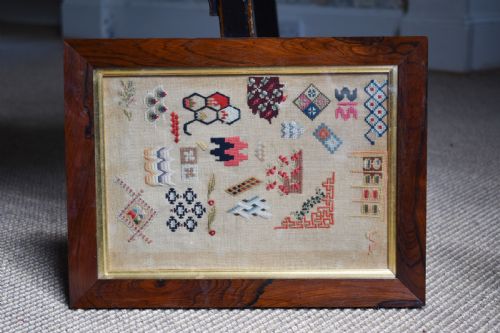
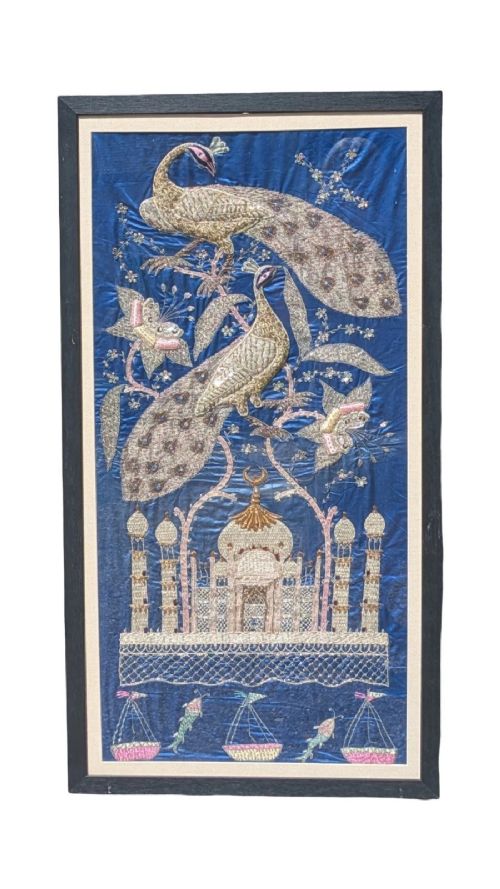
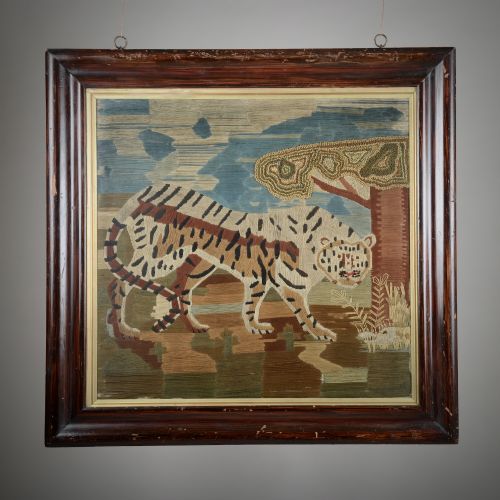
A framed needlepoint panel represents a broad category of historic textile art, encompassing decorative wall pictures, detailed samplers, and embroidered silk compositions.
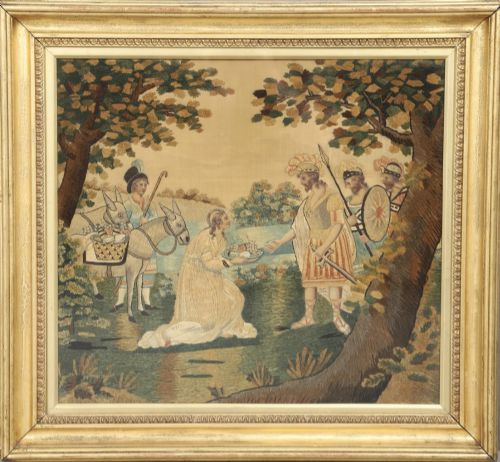
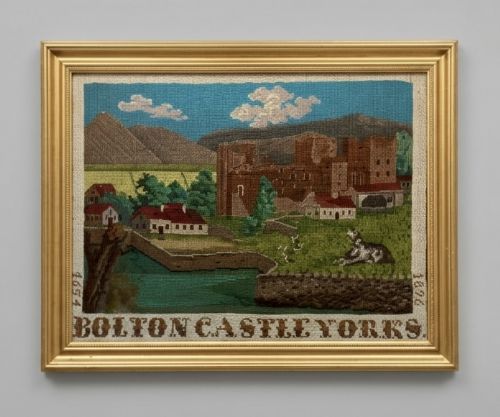
Buyers browsing this selection frequently encounter Victorian examples alongside earlier 18th-century pastoral scenes and 17th-century classical pieces housed behind glass in period timber frames.
These works function primarily as wall art, capturing domestic skill, educational exercises in the case of samplers, and narrative pictorial scenes executed in thread.
How They Were Made
Artisans stitched wool, silk floss, and metal thread onto foundational bases of linen, canvas, or woven textile grounds using specialised needlework techniques.
Many historical examples incorporate hand-painted silk details to complement the raised embroidery, combining stitched motifs with fine brushwork.
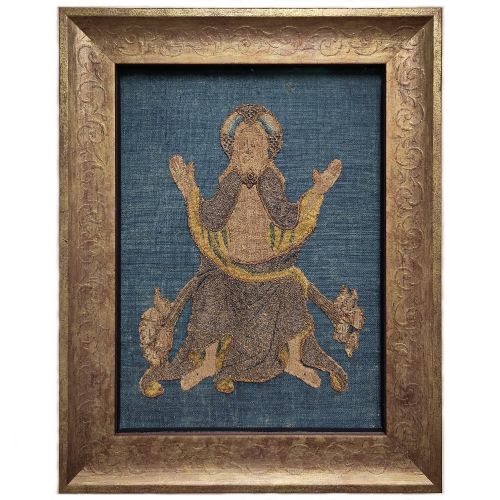
Completed panels were subsequently housed within protective enclosures utilising wood, glass, giltwood, gold leaf, and burr maple frames.
Framed Needlepoint Panel Retail Price Guide 2026
Typical asking prices for framed needlepoint panel among the pieces listed under this phrase on Sellingantiques today, from the lower quarter to the upper quarter. They describe what is for sale here now, not the wider market.
Stylistic influences span Georgian, Victorian, Baroque, Stuart, and Gothic Revival periods.
What Varies in Quality
Visual distinction relies heavily on the precision of the stitching and the complexity of the pictorial composition, ranging from simple folky exercises to intricate figurative art.
The survival of original housing matters significantly, with contemporary giltwood, burr maple, or faux tortoiseshell frames altering the character of the piece.
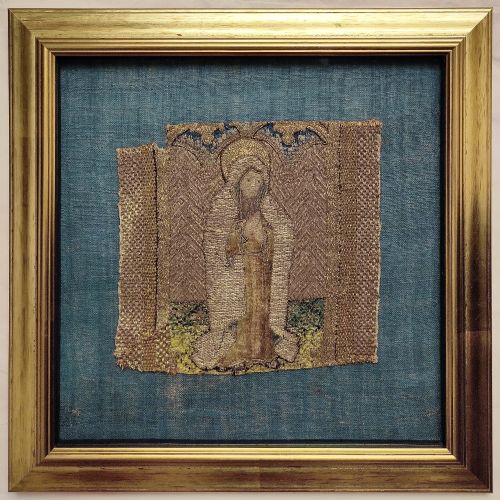
Material richness elevates certain examples, particularly those employing lustrous silk floss, metal thread, or beadwork alongside standard wool.
The Framed Needlepoint Panel Glossary
- Sampler
- A piece of needlework produced as a demonstration or test of skill in various stitches. These often feature alphabets, numerals, and moral verses worked by young learners.
- Crewelwork
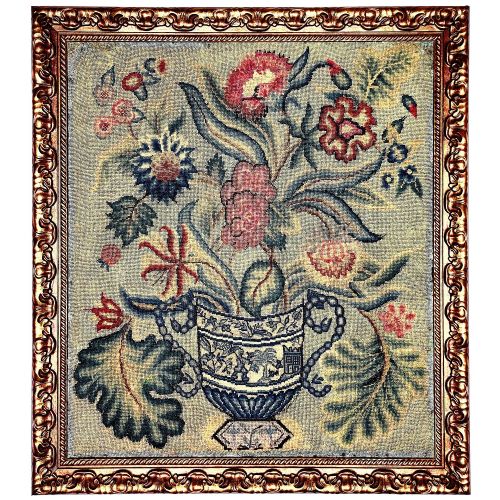
- Embroidery executed using wool yarn on a heavy linen or cotton fabric. This technique is frequently associated with traditional English needlework styles.
- Gros-point
- A type of needlepoint stitched on a coarse canvas using a counted thread method. It creates a durable, textured surface common in heavier tapestries.
- Metal thread
- Fine wire made of gold, silver, or gilt metal used in embroidery to add reflective detail. It appears often in advanced historical panels.
- Band sampler
- A long, narrow format containing horizontal bands of disparate embroidery patterns. These date primarily to the 17th and 18th centuries.
Framed Needlepoint Panel: Frequently Asked Questions
What periods do these panels come from?
The available selection spans several centuries, with pieces originating from the 17th, 18th, and 19th centuries.
Maker dates and styles range from early Stuart and Georgian works to later Victorian and 1900s examples.
How were these textiles originally displayed?
Most pieces are preserved behind glass within protective wooden surrounds.
Frames often utilise materials such as giltwood, gold leaf, burr maple, or faux tortoiseshell to complement the wall art.
What materials are used in the stitching?
Needlework panels incorporate a variety of fibres including wool, silk, and linen grounds.
Selected works also feature specialised elements like metal thread or beadwork fragments.