
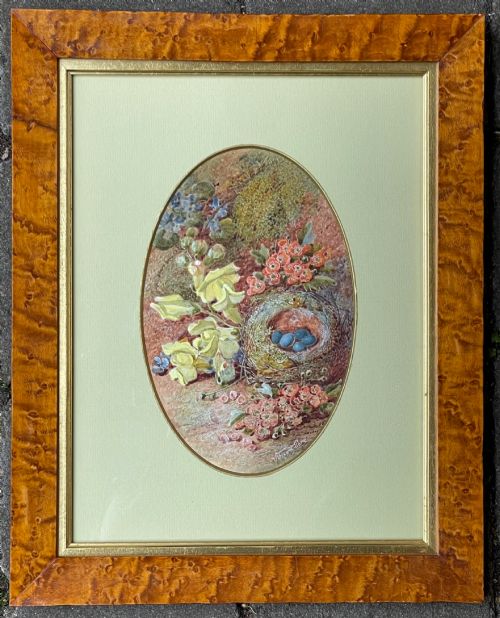
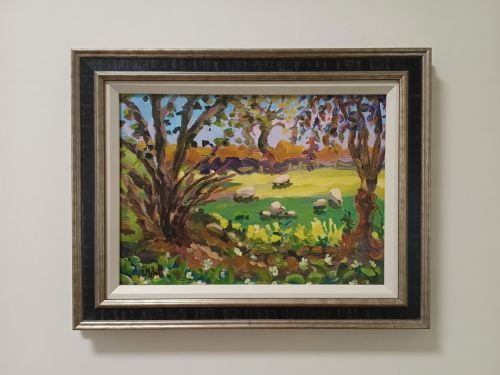
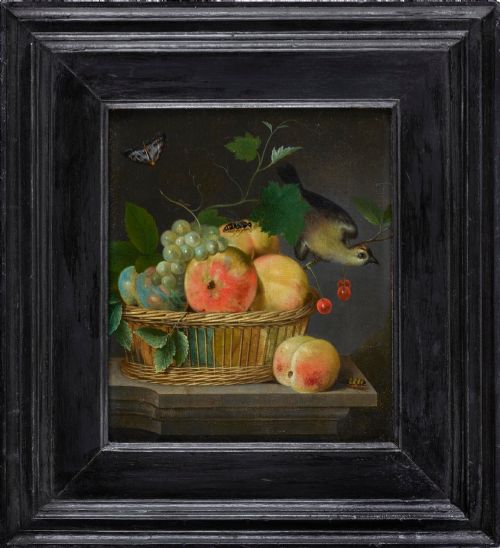
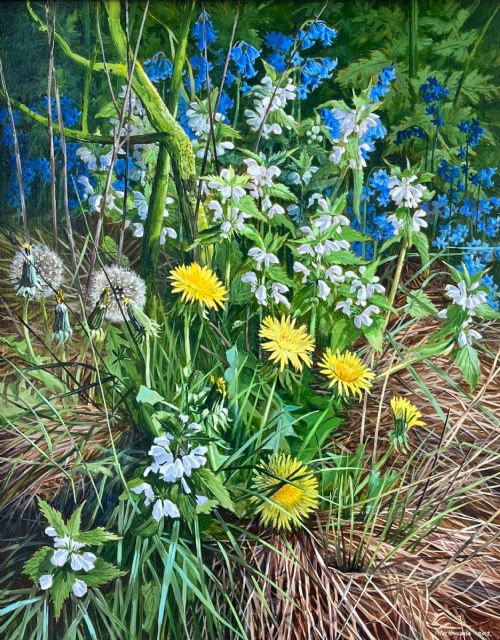


Framed Nature Oil Painting
A framed nature oil painting brings the woods, rivers, and wildlife of past centuries directly onto the wall.
Framed Nature Oil Painting
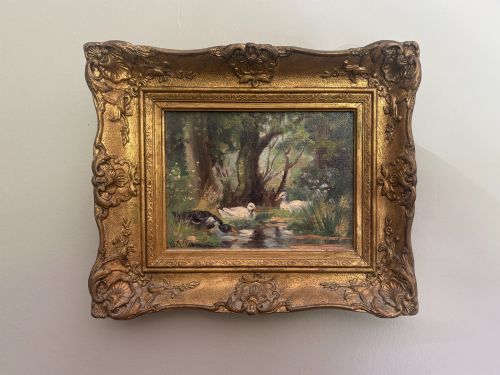
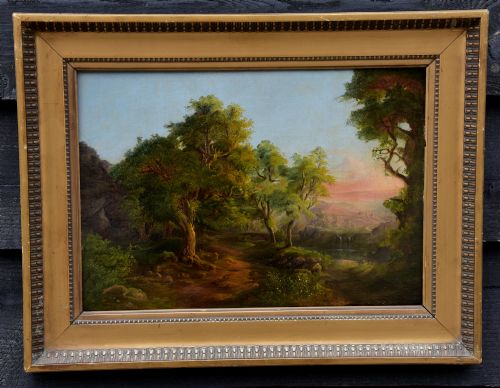
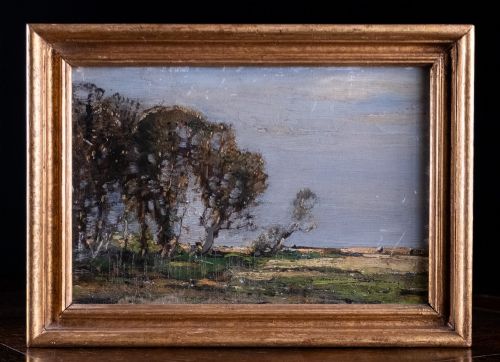
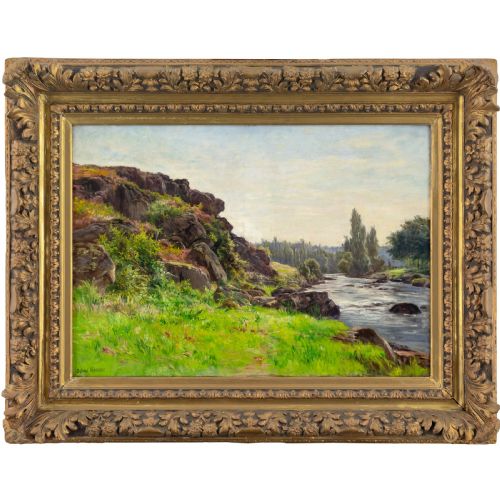
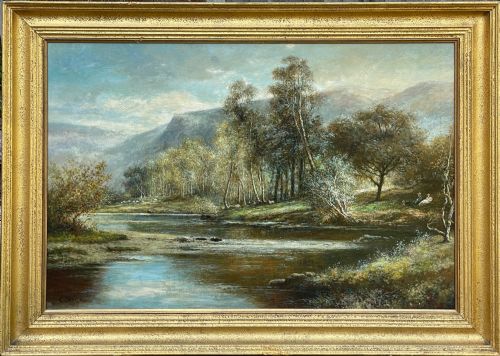
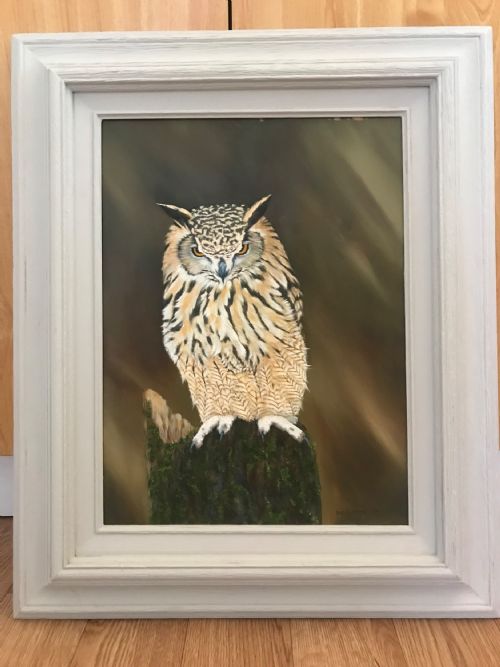
A framed nature oil painting captures rural landscapes, woodland scenes, and botanical subjects executed in pigment on canvas or board. These works range from late Victorian naturalism to mid-century impressionism, recording rivers, lakes, and country lanes.
The versions most commonly met on this page span the nineteenth century through to the mid-twentieth century. They are housed in period wooden frames, often accented with gesso or gold leaf.
Subjects include sheep grazing in wild garlic, wooded river valleys, and quiet orchards. They reflect shifting British and European approaches to capturing the natural world.
Materials and Technique
Artists painted primarily with oil paint on stretched canvas or wooden boards, building up layers to create depth in foliage and water. Pigments offered rich colour retention and tactile brushwork.
Support materials included prepared canvas and timber panels. These were secured within wooden frames finished with moulded gesso and giltwood to complement the composition.
Listings feature works spanning the nineteenth century, the Victorian era, and the mid-twentieth century, executed in oil paint on canvas and board.
Judgments of Quality
Quality rests in the handling of light and the precision of natural detail. Stronger works demonstrate assured brushwork that defines foliage and water with conviction rather than formulaic repetition.
The integrity of the original frame matters considerably. Frames finished in gold leaf or moulded gesso that match the period of the painting elevate the piece.
Kershaw Schofield·Thomas W Lascelles·Vincent Clare·Lucy Pratt·Peter Newcombe·Margaret Maitland Howard·William Mellor·William Langley·Owen Bowen·Ernest Moore
The Framed Nature Oil Painting Glossary
- Canvas
- A heavy woven fabric stretched across a wooden frame to serve as a painting surface. It provides texture and flexibility for oil applications.
- Giltwood
- Timber carved and coated with gold leaf or metallic powder. It forms the decorative outer boundary of many period frames.
- Gesso
- A plaster-like mixture applied to wood or canvas to prepare a smooth surface for painting or frame moulding. It accepts gilding readily.
- Board
- A rigid wooden panel used as a support for oil painting instead of woven fabric. Panels offer a stable surface resistant to puncture.
Framed Nature Oil Painting: Frequently Asked Questions
How do I date a framed nature oil painting?
Dating relies on stylistic clues, framing methods, and the canvas support. Victorian and Edwardian works often display specific tonal palettes and canvas stamps.
Examining the backboards, fixings, and any inscriptions or signatures provides further chronological context.
Where should I hang a landscape oil painting?
Choose a wall away from direct sunlight and steady moisture sources to protect the oil pigment and canvas. Natural light enhances the varied brushwork without causing fading.
Ensure the frame weight is supported by appropriate fixings suited to the wall material.
How do I clean a vintage oil painting?
Dust the surface gently with a soft, dry brush to remove loose particles. Avoid using water, household cleaners, or cloths on the painted surface.
Professional conservators should handle deeper cleaning or the removal of discoloured varnish.
What is the difference between canvas and board?
Canvas consists of woven fabric stretched over a wooden frame, offering slight give under the brush. Board provides a rigid, solid wooden support.
Both materials were used across different periods depending on the artist's preference.